Saskatchewan’s Pronghorn Herd and Winter Kill
The unpredictable nature of Saskatchewan's harsh winters can be incredibly frustrating for hunters who cherish our unique prairie wildlife. One of the species most profoundly affected by these extreme conditions is the pronghorn, a true icon of our grasslands. This guide delves deep into how winter kill events impact Saskatchewan's pronghorn herds, what factors contribute to these devastating population dips, and how we, as hunters and conservationists, can better understand and adapt to these natural cycles.
Understanding Saskatchewan's Pronghorn Population Dynamics
Saskatchewan's pronghorn, often mistakenly called antelope, are truly remarkable creatures. They're the fastest land animal in North America, perfectly adapted to the open prairie, relying on their incredible speed and keen eyesight to survive. Their very existence is intrinsically linked to the health of the vast grasslands they call home. But unlike many other big game species, their populations can experience dramatic swings, often dictated by the severity of our infamous prairie winters.
The Life Cycle of Saskatchewan Pronghorn
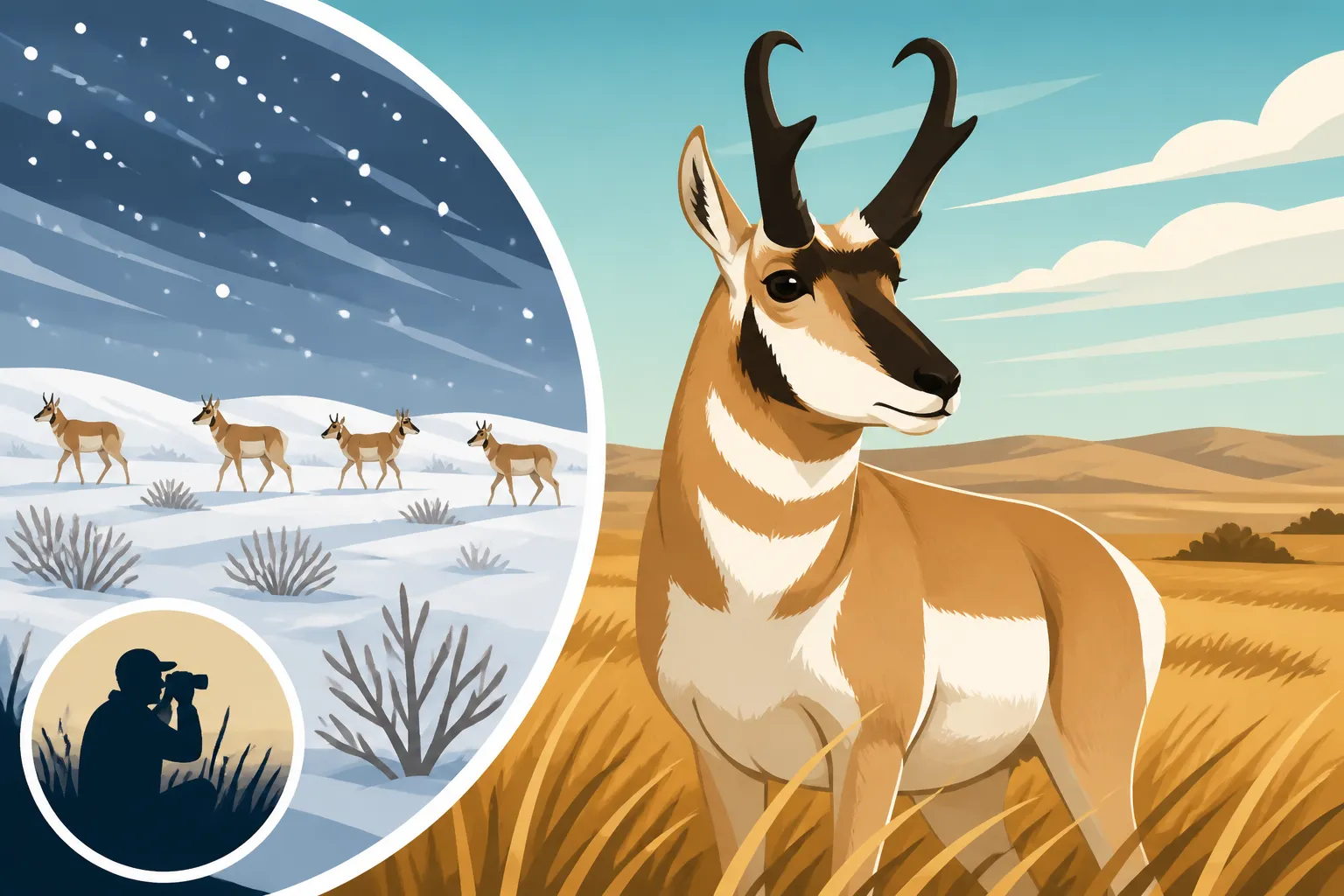
Pronghorn in Saskatchewan follow a life cycle dictated by the seasons, much like any other big game. Spring sees the birth of fawns, typically twins, which quickly develop to keep up with their mothers. Summer and fall are periods of growth and fattening, where they build up critical fat reserves needed to endure the lean months ahead. Come late fall, bucks engage in rutting activities, competing for mates across the expansive plains. Then, as the snow flies, they gather in larger herds, seeking out areas with accessible forage and some protection from the elements.
What sets pronghorn apart is their specialized physiology and behavior. They are built for speed in wide-open spaces, which means they don't jump fences well, and deep, crusted snow can be an insurmountable barrier to both movement and food. Their diets primarily consist of forbs, grasses, and shrubs, but access to these vital resources becomes severely restricted when snow cover is extensive or frozen solid. This vulnerability to winter conditions makes understanding their natural history crucial for anyone hoping to pursue them or advocate for their survival. You can learn more about these incredible animals in our detailed article, Pronghorn on Saskatchewan's Southwest Grassland.
Historical Fluctuations and Conservation Efforts
Pronghorn populations across their North American range have seen their fair share of ups and downs. Historically, they faced immense pressure from market hunting and habitat loss. In Saskatchewan, while we haven't seen the dramatic declines that necessitated significant reintroduction efforts like some U.S. states, our herds have always been susceptible to environmental extremes. Records show that severe winters in the past, particularly those with prolonged deep snow and crusting, have repeatedly hammered pronghorn numbers, sometimes reducing local populations by 50% or more.
Conservation efforts in Saskatchewan have largely focused on habitat preservation, particularly maintaining large tracts of native prairie grassland, and careful management of hunting quotas through our draw system. Organizations like the Saskatchewan Wildlife Federation play a crucial role, often partnering with landowners to ensure these habitats remain viable. Understanding these historical fluctuations helps us recognize that a dip in numbers after a bad winter isn't necessarily a sign of long-term ecological collapse, but a natural, albeit sometimes harsh, reset. However, consistent monitoring is key to ensuring that populations can rebound effectively, especially as pressures from agricultural expansion and other human activities continue to evolve.
The Devastating Impact of Winter Kill on Pronghorn
When a harsh Saskatchewan winter sets in, it’s not just an inconvenience for us—it's a matter of life or death for pronghorn. The term "winter kill" might sound dramatic, but for pronghorn, it's a stark reality, capable of wiping out significant portions of a herd in a single season. This isn't just about a few animals succumbing to the cold; it's a profound ecological event that reverberates through the entire ecosystem and directly impacts hunting opportunities for years to come.
How Severe Winters Threaten Pronghorn Survival
A severe winter isn't just cold; it's a combination of prolonged extreme temperatures, significant snow accumulation, and often, icy crusting. Pronghorn are highly adapted to relatively mild prairie winters, where snow cover is intermittent and temperatures, while cold, don't typically persist at extreme lows for weeks on end. When these conditions intensify, their survival mechanisms are severely tested. Their thin coats don't provide the insulation of a whitetail's hollow hair, and their legs, built for speed, are not ideal for plowing through deep snow.
The primary threats during these severe periods are starvation and exposure. Deep snow makes foraging incredibly difficult, forcing them to expend precious energy digging through drifts. If that snow becomes crusted with ice, it can become an impenetrable barrier to their food source. Imagine trying to find enough to eat when every blade of grass and every forb is locked under a layer of concrete-hard ice. The energy expenditure to move and forage quickly outweighs caloric intake, leading to rapid weight loss. Coupled with persistent sub-zero temperatures, this leads to hypothermia and, ultimately, death. This is a critical aspect to consider when you think about How Pronghorn Survive a Prairie Winter.
Habitat and Nutritional Stress in Winter
Pronghorn require vast tracts of open grassland, but during winter, they often seek out slightly more sheltered areas, such as coulees or south-facing slopes, where snow might melt off faster or be less deep. However, these "sheltered" spots are still far from dense cover and offer limited protection from blizzards and biting winds. Their nutritional needs also change; while they consume some grasses, they heavily rely on forbs and sagebrush, which are often the first plants to be buried under snow.
When snow cover becomes ubiquitous and deep, access to these crucial forage items becomes impossible. The stress isn't just from the lack of food, but also from the constant energy drain of trying to find it and simply exist in extreme cold. This nutritional stress weakens their immune systems, making them more susceptible to diseases or even predation from coyotes, especially when they are already too weak to escape. Hunters utilizing tools like the GoHunt app for scouting can sometimes identify areas that might offer slightly better winter range, but even the best habitat can be overwhelmed by Mother Nature's fury.
The Domino Effect on Hunting Opportunities
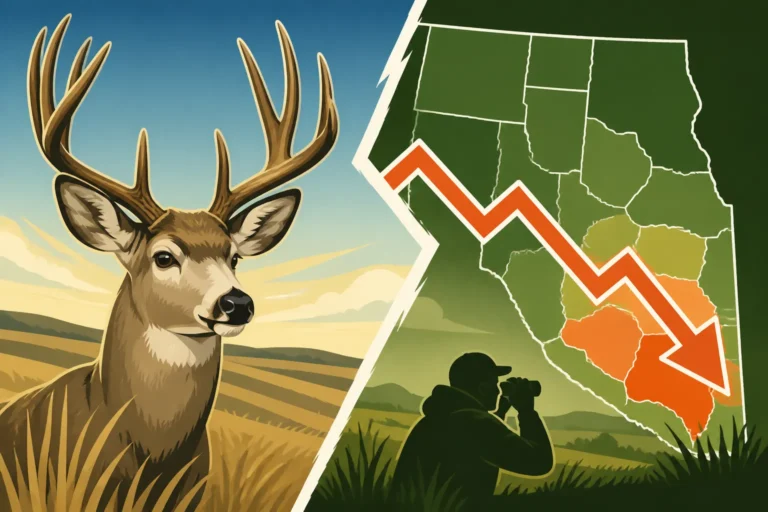
The direct consequence of widespread winter kill is, unfortunately, a significant reduction in the pronghorn population. For hunters, this means immediate and often drastic changes to hunting opportunities. Our provincial government, recognizing the vulnerability of these herds, typically responds to severe winter kill events by reducing or even eliminating draw quotas in affected Wildlife Management Zones (WMZs). This is a difficult but necessary decision to allow the remaining animals to recover and rebuild the herd.
If you’ve been diligently building priority points for years in Saskatchewan's big game draw, a major winter kill can feel like a punch to the gut. What was once a promising zone for a tag can suddenly become a no-go for several seasons. This is especially true for limited entry species like pronghorn. It highlights the importance of understanding not just the regulations, but also the ecological health of the area you hope to hunt. A low success rate in the Saskatchewan Pronghorn Draw Rules might not always reflect high demand, but sometimes a depleted herd requiring recovery. It forces us to be patient, adaptable, and to remember that the health of the herd always comes first.
Key Factors Contributing to Winter Mortality
When we talk about "winter kill" for pronghorn, it's rarely just one single factor. Instead, it's typically a confluence of environmental conditions that create a perfect, devastating storm. Understanding these specific elements helps us appreciate the fragility of pronghorn populations and why certain winters hit them so much harder than others.
Snow Depth and Duration
The most obvious and direct culprit in pronghorn winter mortality is persistent, deep snow. Pronghorn are simply not built for it. Their slender legs and relatively small hooves are designed for speed on firm ground, not for plowing through heavy drifts. Once snow depths consistently exceed about 12-18 inches, their ability to move efficiently, let alone escape predators, is severely compromised. Imagine trying to run a marathon through waist-deep mud; that's roughly the energetic burden deep snow imposes.
But it's not just the depth; it's the duration. A few days of deep snow might be manageable, but when it lasts for weeks or even months, the cumulative energy drain becomes unsustainable. Every step is an effort, every attempt to find food a struggle. This prolonged stress depletes their critical fat reserves, leaving them weak and vulnerable. Even if a chinook blows through, providing temporary relief, another heavy snowfall soon after can quickly push them past the brink.
Extreme Cold and Ice Events
While deep snow is a major player, extreme cold temperatures, especially when combined with wind, amplify the problem significantly. Pronghorn don't have the insulating qualities of a deer's winter coat, making them more susceptible to hypothermia. When temperatures drop far below freezing for extended periods, and wind chills plummet, their bodies burn through energy at an alarming rate just to stay warm. This is energy they desperately need for foraging and movement.
Even more insidious are ice events. Freezing rain or a thaw-freeze cycle can create a rock-hard crust on top of the snow. This crust can be impossible for pronghorn to break through to access forage, effectively locking away their food source. It also makes travel even more difficult, as they can break through the crust and injure their legs, or simply struggle to walk on the slick surface. This is particularly problematic in their primary ranges in zones like the southwest, where winter conditions can be notoriously variable and brutal. For an in-depth look at winter safety, check out Hunting Saskatchewan Winter Weather Safely.
Human-Made Barriers and Fences
This is a factor often overlooked but incredibly impactful for pronghorn: fences. Unlike deer, which can easily jump fences, pronghorn prefer to crawl under them. While some modern fences are designed with a bottom strand high enough for them to pass, many older or poorly maintained fences become death traps during heavy snowfalls. As snow drifts pile up, the bottom wire of a fence becomes buried, blocking their natural escape routes.
Imagine a herd trying to escape a blizzard or move to a more accessible feeding ground. A line of barbed wire, usually a minor inconvenience, becomes an insurmountable barrier when the snow is deep. They can get tangled, injured, or simply become trapped, unable to reach safety or food. This is a critical point we discussed in Why Fences Are Hard on Pronghorn. Landowners who adjust fence heights or install wildlife-friendly fencing can make a significant difference, and efforts by organizations like the Saskatchewan Wildlife Federation to promote such practices are vital. It's a sobering reminder that our infrastructure, even seemingly innocuous fences, can have profound effects on wildlife in challenging conditions.
Conservation Strategies and Management for Pronghorn
Given the inherent vulnerabilities of pronghorn to Saskatchewan's harsh winters, proactive conservation and thoughtful management are absolutely critical. These efforts aren't just about protecting a species; they're about maintaining the ecological health of our prairies and ensuring sustainable hunting opportunities for future generations. It’s a complex dance between nature's whims and human stewardship.
Habitat Improvement and Connectivity
The cornerstone of pronghorn conservation lies in robust habitat. For a species that relies on vast, open grasslands, maintaining and improving these landscapes is paramount. This means more than just protecting existing native prairie; it also involves enhancing connectivity between these areas. Pronghorn need to move freely to find forage, escape predators, and avoid deep snowdrifts. Fragmentation of habitat through agricultural expansion, industrial development, or even extensive fencing can severely hinder their ability to adapt to changing conditions.
Efforts might include converting marginal cropland back to native grasses, implementing rotational grazing practices that benefit wildlife, or even strategic fence modifications to allow for easier passage. For instance, programs that encourage landowners to install wildlife-friendly fences with higher bottom wires or lay them flat during winter months can make a huge difference. These initiatives often require collaboration between government agencies, conservation groups, and private landowners, acknowledging that much of Saskatchewan's prime pronghorn habitat is on private land. Hunters can also contribute by supporting organizations that invest in these habitat improvements.
Monitoring Herds and Mitigating Impact
Effective management hinges on accurate data. Wildlife biologists in Saskatchewan constantly monitor pronghorn populations through aerial surveys and ground observations. This data provides crucial insights into herd numbers, fawn recruitment rates, and overall health. When a severe winter hits, these monitoring efforts become even more vital, helping to assess the extent of winter kill and predict the impact on subsequent hunting seasons. Understanding Saskatchewan's Wildlife Management Zones is key here, as management often happens at a regional level.
Based on these assessments, the Ministry of Environment adjusts hunting quotas. If a population has taken a significant hit, tags may be drastically reduced or even eliminated in affected zones for a period, giving the herds a chance to recover. This is often frustrating for hunters who have been applying through the Saskatchewan's Big Game Draw for years, but it's a necessary step to ensure the long-term viability of the species. Beyond quota adjustments, mitigation efforts might include supplementary feeding in extreme emergency situations, though this is rare and often controversial due to potential disease transmission and behavioral changes. The goal is always to allow natural recovery as much as possible, while providing a safety net when truly catastrophic conditions occur.
The Role of Hunters in Pronghorn Conservation
Hunters are not just participants in the system; we are often the earliest and most dedicated conservationists. Our passion for pronghorn, and indeed all wildlife, drives much of the funding and political will for conservation efforts. By purchasing licences and tags, we directly contribute to the provincial wildlife management budget. Beyond that, ethical hunting practices are fundamental to the health of the herd. This includes adhering strictly to all regulations, accurately reporting harvests, and making every effort to recover wounded animals.
Another vital role hunters play is as eyes and ears on the ground. We are often the first to notice changes in herd dynamics, unusual animal behavior, or signs of environmental stress. Reporting these observations to wildlife officials can provide valuable real-time data that complements formal surveys. Furthermore, many hunters engage in volunteer efforts, from participating in habitat restoration projects to advocating for sound wildlife policy. The GoHunt community, for example, often shares ground-level observations that can be invaluable in understanding local conditions. By taking an active role, hunters ensure that our pursuit of these magnificent animals remains a privilege, not just for us, but for future generations too.
What Hunters Need to Know About Pronghorn Seasons and Outlook
For many hunters, drawing a Saskatchewan pronghorn tag is a dream come true. These animals offer a truly unique prairie hunting experience, demanding keen eyes and strategic stalking. However, given their susceptibility to winter kill, understanding the nuances of the season, draw odds, and herd health is paramount for a successful and ethical hunt.
Navigating Saskatchewan's Pronghorn Draw Odds
Saskatchewan's pronghorn hunt is highly regulated and managed through a provincial draw system. This means you can't just buy a tag over the counter; you must apply and be drawn. The draw odds for pronghorn can be tough, reflecting both the popularity of the hunt and the management's careful control over harvest numbers to maintain healthy populations. Factors like recent winter kill events can significantly impact the number of available tags, making the draw even more challenging in the years following a severe winter.
Applicants accumulate priority points for each year they are unsuccessful, increasing their chances in subsequent draws. This system, outlined in detail in Saskatchewan Pronghorn Draw Rules, rewards patience, but it also means that a severe winter kill can make drawing a tag an even longer-term prospect. Hunters need to stay informed about population trends in their preferred zones, as published by the Ministry of Environment, and adjust their application strategy accordingly. Sometimes, applying for a less popular zone, even if it means a slightly longer drive, might offer better odds of drawing a tag, especially if it was less impacted by winter conditions.
Assessing Herd Health in Your Hunting Zone
Before you even consider applying for a tag, and certainly before you head out into the field, it's incredibly valuable to do your homework on the local herd health in your chosen WMZ. This goes beyond just looking at draw odds; it means understanding the recent history of that specific area. Has it experienced a particularly harsh winter recently? Have fawn crops been strong? Are there any reports of disease outbreaks?
Tools like GoHunt, as well as publicly available provincial wildlife reports, can provide some of this critical information. Additionally, direct observation through scouting trips is invaluable. Take the time to glass the prairie for pronghorn during the spring and summer. Are you seeing good numbers? Do the animals look healthy? Are there fawns present? This firsthand knowledge will not only inform your hunting strategy but also give you a deeper appreciation for the animals and the challenges they face. When you are out Glassing Saskatchewan Prairie for Pronghorn, you're not just scouting for a hunt, you're assessing the ecosystem.
Ethical Hunting Practices and Respect for the Resource
When you do finally draw that coveted pronghorn tag, the responsibility to hunt ethically and respectfully becomes paramount. Pronghorn are notoriously alert, and hunting them often involves long-distance glassing and careful stalking across open terrain. This can lead to longer shots, so practicing your shooting skills extensively before the season is crucial. A wounded animal is a terrible outcome for both hunter and animal, especially for a population that might already be stressed. Remember, What a Pronghorn Buck Weighs is less than a deer, so shot placement is key.
Respect for the resource also extends to understanding their vulnerabilities. If the population is struggling due to recent winter kill, even if you have a tag, consider whether taking an animal is the best choice for the long-term health of the herd. Of course, tags are issued with sustainable harvest in mind, but personal ethics sometimes go beyond minimum legal requirements. Make every effort to retrieve your animal quickly and efficiently, and be mindful of your impact on private lands and other wildlife. For tips on closing the distance, check out Stalking Pronghorn Across Open Ground and if water sources are sparse, Hunting Pronghorn Near a Prairie Water Hole.
The Long-Term Outlook for Saskatchewan Pronghorn
The long-term outlook for Saskatchewan's pronghorn herds is, much like the prairie weather, a mix of sunshine and storms. On one hand, conservation efforts, careful management, and the resilience of the species offer hope. As long as sufficient habitat remains and winter kill events don't become excessively frequent or severe, populations have shown their ability to bounce back.
However, challenges persist. Climate change could bring more unpredictable and extreme weather patterns, potentially increasing the frequency or intensity of devastating winters. Continued habitat fragmentation, while addressed through some initiatives, remains a threat. The success of pronghorn populations in Saskatchewan will ultimately depend on a combination of ongoing scientific management, dedicated conservation work by various groups, and the continued commitment of ethical hunters who understand their vital role in protecting this iconic prairie inhabitant.
Comparing Winter Severity Factors and Their Impact
To really drive home how different winter conditions can impact pronghorn, let's look at a quick comparison. It's never just one thing, but usually a combination that seals their fate.
| Winter Severity Factor | Primary Impact on Pronghorn | Relative Risk Level | Management Response (Typical) |
|---|---|---|---|
| Deep, Persistent Snow | Blocks access to forage, increases energy expenditure for movement, hinders escape from predators. | High | Reduced or cancelled draw quotas, increased monitoring. |
| Extreme Cold (Prolonged) | Leads to hypothermia, rapidly depletes fat reserves, increases caloric demand just to stay warm. | High | Reduced or cancelled draw quotas, focus on long-term habitat resilience. |
| Ice Crust/Freezing Rain | Creates impenetrable barrier to forage, causes injuries from breaking through crust, makes travel treacherous. | Very High | Heavily reduced or cancelled draw quotas, emergency habitat access considerations (if feasible). |
| Fencing Density | Restricts movement, traps animals in areas with depleted forage, prevents escape to better winter range. | Medium to High | Promotion of wildlife-friendly fencing, landowner engagement, habitat connectivity projects. |
| Lack of Forage Diversity | Limits dietary options, especially when primary food sources are inaccessible, leading to malnutrition. | Medium | Habitat improvement programs (e.g., native prairie restoration, targeted grazing). |
This table illustrates that while deep snow and extreme cold are often the most visible culprits, seemingly smaller factors like ice and fences can be equally, if not more, devastating because they compound the primary issues.
Disclaimer
Please remember that hunting regulations and wildlife populations are subject to change. Always consult the most current Saskatchewan Hunters' and Trappers' Guide and provincial government websites for up-to-date information before planning any hunting activity. This guide is for informational purposes only and does not supersede official regulations.