Saskatchewan’s Winter Kill and Game Numbers
Every hunter who has spent more than a couple of seasons in Saskatchewan knows the gnawing anxiety that sets in when a brutal winter clamps down. You watch the snow pile up, the temperatures plunge, and you can't help but wonder: what's happening out there to the deer, the moose, the birds? This guide is here to shed some light on that very real concern, delving into the phenomenon of winter kill, its impact on Saskatchewan's diverse game species, and what you, as a hunter and conservationist, need to understand about it.
Understanding Winter Kill in Saskatchewan
Winter kill isn't just a grim phrase; it's a harsh reality that can significantly shape game populations across our province. For those of us who cherish the outdoors and the wildlife it holds, understanding this natural, albeit sometimes devastating, process is crucial. It’s not simply about cold temperatures; it's a complex interplay of factors that can push animals to their limits.
Defining Winter Kill and Its Drivers
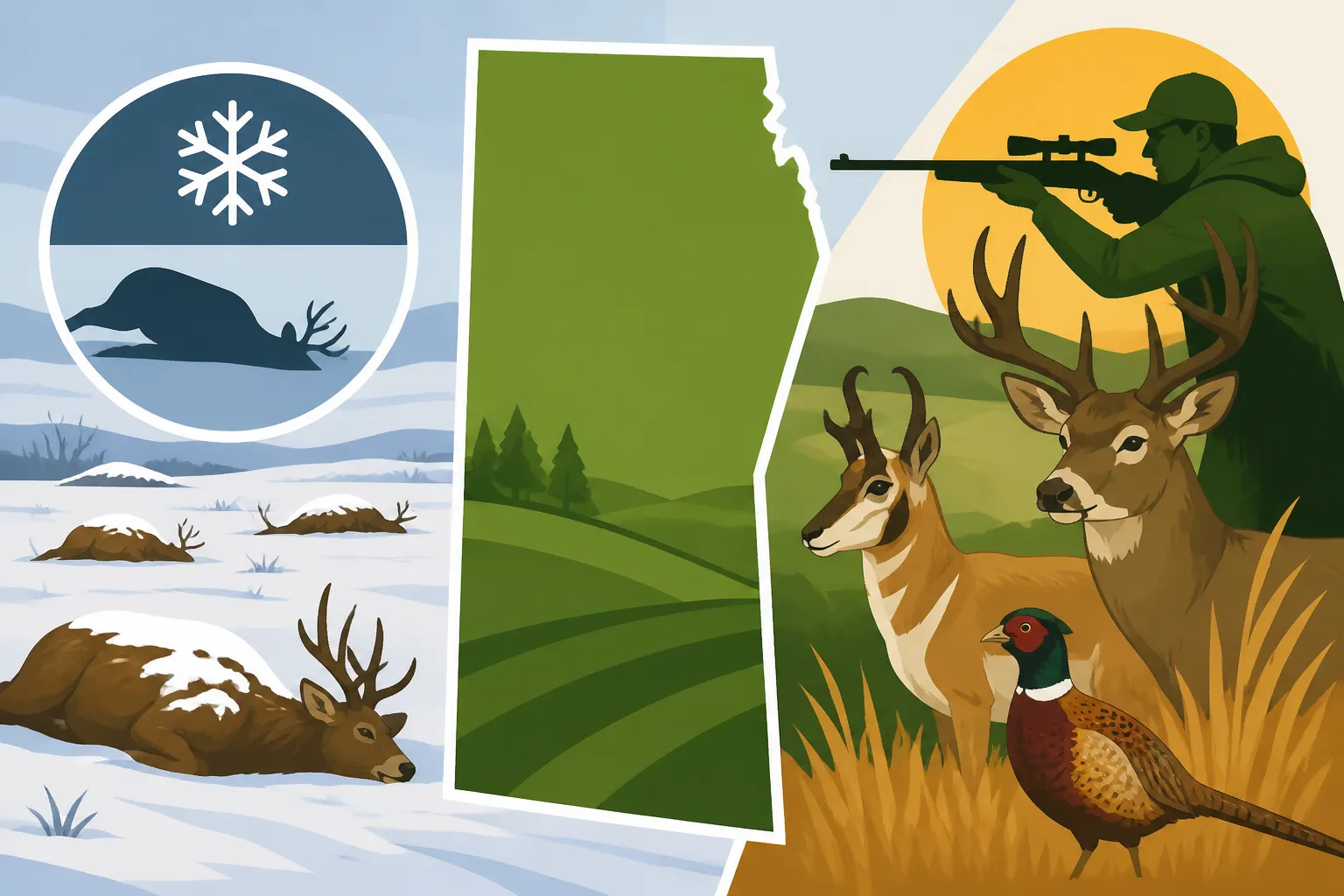
At its core, "winter kill" refers to the mortality of wildlife due to severe winter conditions. It’s not just one thing, but rather a perfect storm of challenges that can overwhelm even the hardiest animals. The primary drivers are usually a combination of prolonged deep snow, extreme cold, and a lack of available or accessible forage. Imagine feet of snow, crusty and hard, covering every last bit of browse. Then add days, even weeks, of temperatures dipping to -30°C and colder, with biting winds that strip away any warmth.
Animals burn an incredible amount of energy just trying to stay warm in these conditions. When food sources are locked beneath a deep snowpack, they can't replenish that energy. They tap into their fat reserves, and when those are depleted, they simply run out of steam. Young animals, the old, and those already weakened by disease or injury are often the first to succumb. This isn't just a minor inconvenience for wildlife; it's a profound physiological stressor that can have long-lasting effects on herd health and numbers.
Historical Patterns and Severity
Saskatchewan, being a northern prairie and boreal province, has a long history of severe winters. We've seen cycles of mild winters where game populations flourish, followed by brutal ones that can decimate herds in certain areas. It's not always uniform across the province either; a mild winter in the south might still be devastating up in the Saskatchewan's Boreal North. Sometimes, it's not just the depth of snow, but the type – a heavy, crusty snowpack is far more detrimental than a light, fluffy one, as it prevents animals from cratering down to find food or moving easily to escape predators.
We remember winters where deer were almost swimming through snow in certain areas, leaving them exhausted and vulnerable. These extreme events don't happen every year, but when they do, the effects are undeniable. Conservation agencies monitor these conditions closely, using aerial surveys and ground reports to gauge the potential impact. While devastating, these events are also a natural culling mechanism, often removing the weakest individuals and, in theory, contributing to the long-term health and resilience of the population that survives. It's a tough lesson from Mother Nature, but it's one we've seen play out repeatedly in the northern landscape.
Impact on Key Big Game Species
When the snow flies and the mercury plummets, different species face unique challenges. While no animal is entirely immune, their natural adaptations and habitat preferences play a huge role in how well they weather the storm. Understanding these differences helps us appreciate the resilience of Saskatchewan's wildlife and anticipate where impacts might be most severe.
Whitetail Deer: The Most Vulnerable?
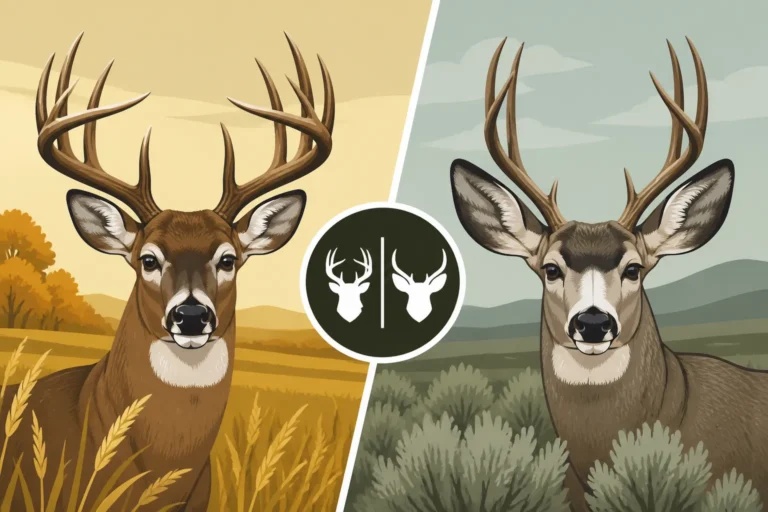
Oh, those beautiful White-Tailed Deer, Saskatchewan's Signature Animal. They're tough, no doubt, but whitetails are often among the most vulnerable to severe winter kill, especially here on the northern edge of their range. Their relatively smaller body mass compared to moose or elk means they lose heat faster. They rely heavily on browse—twigs, buds, and residual green underbrush—which becomes completely inaccessible under deep, crusted snow. When deep snow forces them into "deer yards" or sheltered areas, it might protect them from wind, but it also concentrates them, quickly depleting local food sources.
Moreover, deer struggle to move through deep snow. Each step is an immense effort, burning precious calories they desperately need for warmth. A winter that brings early, deep snow, followed by extreme cold and then more snow, is a recipe for high mortality among whitetails. Fawns, born the previous spring, often lack the fat reserves and experience to navigate such conditions, making them particularly susceptible. It's heart-wrenching to think about, but it’s a reality that can significantly reduce the following year's hunting opportunities in hard-hit zones.
Mule Deer and Pronghorn: Prairie Challenges
Our majestic Mule Deer Across Saskatchewan's Prairie face a different set of challenges. While they are often found in broken country, coulees, and river breaks that offer some shelter, they don't typically "yard up" in dense cover like whitetails. This means they are more exposed to the elements. Deep snow can hinder their movement and make it difficult for them to access the forbs and shrubs they prefer, especially in open prairie environments. While they are known for their ability to survive in arid conditions, deep snow is a different beast entirely.
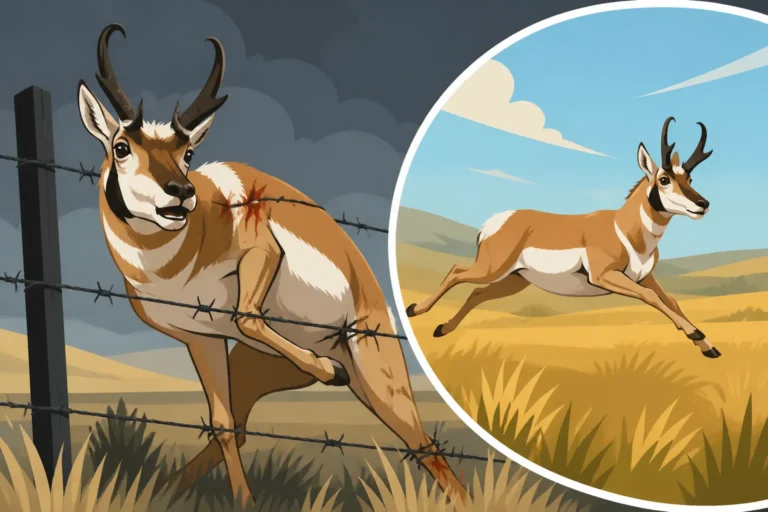
Then there are the incredible Pronghorn on Saskatchewan's Southwest Grassland, truly built for speed and open spaces. They are perhaps the most vulnerable big game species to prolonged, deep snow. Their small hooves are not designed for pushing through drifts, and their instinct is to outrun danger, which is impossible in deep snow. Fences, while often an issue for pronghorn even in mild winters, become absolute death traps when the snow is deep, blocking their escape routes and access to limited forage. A severe winter can decimate pronghorn herds, sometimes by 50% or more, taking years for populations to fully recover. Hunters often rely on resources like GoHunt to track herd health and make informed decisions after harsh winters, and it's essential to understand that such platforms reflect the hard data of these population fluctuations.
Moose and Elk: Northern Resilience
While no animal is truly immune, Moose in Saskatchewan's Farmland and Forest and Elk Hunting in Saskatchewan often fare better than deer and pronghorn in harsh winters, thanks to their larger size and specific adaptations. Moose, with their long legs, are incredibly well-equipped to navigate deep snow. They can wade through drifts that would bog down a whitetail, allowing them to reach higher browse. Their preferred diet of woody browse, like willow and aspen, is often available above the snowpack, even when ground vegetation is buried.
Elk, being powerful and adapted to a variety of habitats, including forested areas and open parkland, also possess greater resilience. While deep snow can still challenge them, especially in open areas, their ability to push through snow and their larger body size gives them an advantage. However, even these resilient giants can suffer. Extreme cold combined with prolonged periods of ice-crusted snow, which can cut their legs and make travel even more difficult, can take a toll. Young calves and older, weaker animals in elk and moose herds are always the most susceptible, even in a milder winter.
Effects on Upland Birds and Waterfowl
It's not just the big game that feels the pinch of a harsh Saskatchewan winter. Our feathered friends, from the secretive grouse to the migrating waterfowl, also face significant challenges, sometimes with direct impacts on their numbers come hunting season.
Grouse and Partridge: Surviving Under Snow
Think about our beloved Saskatchewan's Upland Birds – the sharp-tailed grouse, ruffed grouse, and Hungarian partridge. They've got some amazing tricks up their sleeves to survive the cold. Sharp-tails and Huns will often burrow into soft snowdrifts to create insulated pockets, a process called "snow roosting." This offers incredible protection from the wind and extreme cold. Ruffed grouse, similarly, will plunge headfirst into snowbanks. It’s truly amazing to see them emerge from what looks like just a patch of snow.
However, this survival strategy hinges on the type of snow. A deep, fluffy snowpack is their best friend. A hard, icy crust on top, or worse, ice-encased snow that forms after a warm spell followed by a flash freeze, can turn their haven into a trap. They can't burrow into it, and if they're already inside, they might not be able to break out. Furthermore, a prolonged crust can also cover up crucial food sources like rose hips, berries, and buds. A severe winter, especially one with significant thaws and refreezes, can lead to localized population declines, making finding a covey of huns or a flush of sharptails much tougher the following fall.
Waterfowl: Migration and Ice-Up
For Saskatchewan's Ducks and Geese, winter kill primarily manifests in a different way, heavily tied to ice and migration patterns. While most migratory birds aren't in Saskatchewan during the deepest part of winter, an early, sudden freeze in the fall can be catastrophic. If wetlands, potholes, and larger bodies of water freeze over unexpectedly fast, it can trap birds, making food inaccessible and forcing them to move south before they've had a chance to properly fuel up for their journey. Conversely, a prolonged, late spring thaw can delay their return, impacting nesting cycles and overall reproductive success.
For birds that might try to overwinter in areas with open water, like certain spring-fed creeks or river stretches, an unusually severe and continuous cold snap can freeze these last open spots, leaving them stranded without food or water. While waterfowl populations are generally more resilient due to their migratory nature and broad breeding grounds, extreme weather events on either end of the winter season can still have localized impacts on staging birds or those trying to hold out longer than usual. Tracking these conditions is something serious waterfowl hunters do, often using platforms like GoHunt to understand broader environmental trends impacting their birds.
Ecological Ripple Effects and Recovery
Winter kill isn't just about the immediate loss of individual animals; it sends ripples through the entire ecosystem. The dynamics of predator and prey shift, habitats can be stressed, and the future health of a population often depends on how resilient the survivors are and how quickly conditions improve.
Predator-Prey Dynamics
When a significant number of game animals succumb to winter kill, it naturally creates an abundance of easy food for scavengers and predators. Coyotes, foxes, and even wolves (especially in the northern reaches where Wolves in Saskatchewan's North are more common) can experience a temporary boom in food availability. This might lead to an increase in their numbers the following season, as more young survive. However, this is usually a short-term effect. As the game populations dwindle, so too does the easy food source, and eventually, predator numbers will adjust downwards in response.
On the other hand, for predators, a winter that has already weakened prey animals means less energy expended to hunt. A struggling deer herd, for example, becomes much easier prey for a pack of coyotes. This can sometimes exacerbate the winter kill, as already stressed animals are more likely to be taken by predators. It's a natural, albeit brutal, balancing act within the ecosystem, demonstrating how interconnected all these species truly are.
Habitat Health and Regeneration
Ironically, a severe winter kill can sometimes have a positive, albeit delayed, effect on habitat. When deer, moose, and elk populations are reduced, it lessens the browsing pressure on vegetation. This allows shrubs, young trees, and other forage plants to recover and grow, potentially leading to a healthier and more robust food supply for the surviving animals in subsequent years. Think of it as a reset button for the local ecosystem.
However, winter kill can also reveal underlying habitat issues. Areas with poor quality habitat, lacking diverse food sources or adequate thermal cover, often see higher mortality rates. This can serve as a stark reminder that while weather is a factor, healthy, diverse habitat is the bedrock of resilient wildlife populations. Conservation efforts focused on improving habitat, such as those supported by the Wildlife Habitat Protection Act, become even more critical in the wake of severe winters.
The Role of Human Management
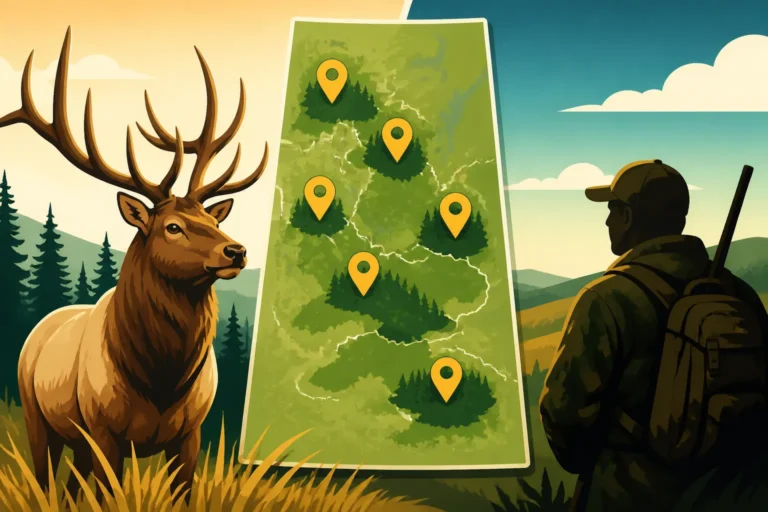
Our provincial wildlife management agencies play a crucial role in responding to winter kill events. They rely on methods like How Saskatchewan Counts Its Game Animals through aerial surveys, field reports from conservation officers, and public input to assess the extent of mortality. Based on these assessments, they may make difficult but necessary decisions regarding hunting seasons and tag allocations.
For instance, if a specific Wildlife Management Zone (WMZ) experienced severe whitetail winter kill, the province might reduce the number of antlerless tags available for that zone the following year, or even implement more restrictive antlered seasons. The goal is always to allow the population time to recover, ensuring sustainable hunting opportunities for future generations. These decisions are not made lightly and are based on the best available science to protect the long-term health of our wildlife.
How Hunters Can Track and Adapt
As hunters, we're not just spectators; we're active participants in the conservation narrative. After a tough winter, it's natural to feel anxious, but there are ways to stay informed and adapt our approach to ensure we're part of the solution.
Reading the Signs on the Ground
Even before official reports come out, observant hunters can start Reading Sign After Fresh Saskatchewan Snow in the spring and early fall to get a sense of how the animals fared. Look for signs of hardship: are winter trails through the bush unusually sparse? Are you finding more winter-killed animals than usual? Are the surviving animals looking particularly thin or in poor condition? These are all indicators that the past winter took a heavy toll.
In areas known for whitetail deer, pay close attention to the browse lines in the spring – if they're extremely high and all desirable forage is stripped, it's a sign that deer were desperate for food. For prairie species like mule deer and pronghorn, watch for any noticeable reductions in herd sizes or a lack of younger animals. This ground-level scouting, combined with observations from landowners, forms a crucial part of the overall picture.
Utilizing Data and Resources
Thankfully, we live in an age where information is more accessible than ever. The Saskatchewan Ministry of Environment regularly publishes updates on game populations and winter conditions. Keep an eye on their official communication channels. Additionally, several independent hunting resources and platforms provide valuable insights. For example, GoHunt offers robust tools for tracking hunting unit data, and while their primary focus might be elsewhere, the principles of data-driven scouting apply universally. Many outfitters and local wildlife federations also share localized reports and observations, which can be invaluable.
These resources allow us to move beyond speculation and base our understanding on actual data. If you’re planning a hunt in a specific zone, checking these resources can help you manage your expectations and adjust your strategy. It might mean focusing on different species or zones that were less affected, or simply being prepared for lower success rates in a recovering area.
| Species | Winter Kill Vulnerability | Primary Factors | Survival Adaptations |
|---|---|---|---|
| White-Tailed Deer | High | Deep, crusted snow; extreme cold; limited browse | Yard up in dense cover; smaller body size is a disadvantage |
| Mule Deer | Moderate to High | Deep snow restricts movement; open country exposure | Utilizes coulees/breaks; can paw through snow |
| Pronghorn | Very High | Deep snow restricts movement; fences; small hooves | Built for speed in open terrain; very poor in deep snow |
| Moose | Low to Moderate | Prolonged ice crust; extreme cold combined with low browse | Long legs for deep snow; tall browse access; large body size |
| Elk | Low to Moderate | Prolonged deep snow; limited forage access | Powerful, can push through snow; varied habitat use |
| Grouse/Partridge | Moderate | Ice crust on snow; lack of soft snow for roosting | Snow roosting for insulation; eats buds and seeds |
| Waterfowl | Low (migratory) | Early freeze-up; late spring thaw; open water loss | Migrate south; strong flyers; utilize open water patches |
Ethical Considerations and Conservation
Finally, winter kill brings to the forefront our ethical responsibilities as hunters and conservationists. If we know an area has suffered significant winter mortality, it's important to approach the following season with a conservation-first mindset. This might mean voluntarily passing on marginal animals, focusing on harvesting antlerless animals only where populations can sustain it, or even choosing to hunt different areas that were less impacted.
Supporting organizations that work on habitat improvement and wildlife management is also critical. Every dollar invested in better habitat, disease monitoring, or robust game surveys helps our wildlife bounce back more effectively from challenging winters. After all, the health of Saskatchewan’s game populations isn't just about hunter success; it’s about the overall vitality of the natural world we cherish so deeply. By understanding winter kill, utilizing available information, and adapting our practices, we contribute to a healthier, more resilient future for hunting in our incredible province.
Disclaimer
This article is for general informational purposes only and does not constitute professional advice. Laws, prices and regulations vary by location and change over time. Consult a qualified professional for guidance on your specific situation.