Saskatchewan’s Trophy Record Book
The pursuit of a truly magnificent animal, one that stands head and shoulders above the rest, is a powerful draw for many hunters who venture to Saskatchewan. This guide dives deep into the world of Saskatchewan's trophy record book, exploring what makes the province a mecca for big game, how these animals are recognized, and what it takes to etch your name into hunting history.
The Lure of Saskatchewan's Trophy Potential
Saskatchewan holds a special place in the hearts of hunters, particularly those dreaming of world-class antlers and impressive body sizes. The province's unique blend of diverse habitats, rich food sources, and effective wildlife management strategies has consistently produced animals that exceed expectations and, frequently, make their way into official record books. It's not just a legend; it's a proven reality that draws hunters from across the globe.
Why Saskatchewan Produces Record-Book Animals
When you look at the factors contributing to trophy-caliber animals, Saskatchewan ticks almost all the boxes. First and foremost, genetics play a huge role. The deer, moose, and elk populations here possess excellent genetic potential for antler growth and body mass. This isn't just random luck; it's a result of herds that have thrived for generations, passing on superior traits. Combine this with vast tracts of prime habitat, from fertile farmland to dense boreal forest, and you have an environment where animals can reach their full potential. The rich agricultural lands, in particular, provide an incredibly high-protein diet, which is absolutely crucial for antler development in ungulates. This abundance of nutrition means that individual animals can dedicate more energy to growing impressive racks.
Furthermore, sound wildlife management practices have helped maintain healthy age structures within many game populations. Older animals naturally have larger antlers and bodies, and by carefully managing harvest rates and providing diverse hunting opportunities, the province ensures that a good number of animals survive long enough to become true giants. This commitment to sustainable hunting and habitat preservation is why many believe Saskatchewan is a premier destination for those looking for a true test of their hunting skills against a magnificent specimen. It’s a testament to good stewardship and the incredible resilience of nature itself. To learn more about this phenomenon, you might be interested in reading about Why Saskatchewan Bucks Grow So Large.
Understanding "Trophy" in Saskatchewan Hunting
The term "trophy" can sometimes get a bad rap, but in the context of record books, it simply refers to an animal of exceptional size or quality, typically measured by its antlers, horns, or skull. For many hunters in Saskatchewan, a trophy is much more than just a score. It’s the culmination of years of scouting, enduring harsh weather, learning animal patterns, and making an ethical harvest. It might be a whitetail buck with a massive, heavy rack, or a mule deer with incredible width and deep forks. It could also be an enormous bull moose with a paddle-like spread that truly takes your breath away, or a bear with a skull measurement that puts it in the top echelons.
Beyond the raw measurements, a trophy often embodies the story of the hunt itself. It’s the memory of the early morning frost, the challenging stalk across open prairie, or the patient hours spent in a blind. The satisfaction comes from knowing you ethically harvested an animal that represents the peak of its species in terms of age and development. It's about respecting the animal and the landscape it inhabits, and the record book simply provides a standardized way to acknowledge and celebrate these truly exceptional specimens. Hunters often use tools like GoHunt to research potential areas where larger animals are known to reside, using historical data to inform their scouting efforts.
Deciphering the Record Book: Organizations and Scoring
When we talk about "record books" in North American big game hunting, two names immediately come to mind: Boone and Crockett and Pope and Young. These organizations are the gold standard for recognizing and documenting outstanding game animals, setting strict criteria for fair chase and precise measurement. Understanding their differences and how their scoring systems work is crucial for any hunter aspiring to enter a trophy into the books.
Boone and Crockett vs. Pope and Young
The primary distinction between the Boone and Crockett Club and the Pope and Young Club lies in the method of harvest. The Boone and Crockett Club is dedicated to recognizing animals taken with a firearm, while the Pope and Young Club specifically champions fair chase hunting with archery equipment. Both organizations share the same rigorous scoring methodology, ensuring consistency in how trophies are measured. This means that whether you harvest a magnificent bull moose with a rifle or a giant whitetail buck with a bow, the antler or skull measurements are taken using the same set of rules and protocols.
The history of these clubs is rooted in conservation and ethical hunting. Theodore Roosevelt, a founder of the Boone and Crockett Club, envisioned an organization that would promote responsible hunting and wildlife preservation, ensuring that future generations could also experience the thrill of the chase. Similarly, Pope and Young was founded on the principles of fair chase archery, emphasizing skill, patience, and respect for the animal. Both clubs maintain comprehensive record books, serving not just as a registry of impressive animals, but also as a vital source of data for wildlife biologists and conservationists studying population trends and habitat quality. A hunter considering an outfitted trip might use information from these record books, perhaps through a platform like GoHunt, to identify outfitters operating in regions known for producing top-tier animals for their chosen weapon.
How Scoring Works: Typical vs. Non-Typical
The scoring system employed by both Boone and Crockett and Pope and Young is highly detailed and specific, designed to objectively quantify the size and symmetry of antlers or the dimensions of a skull. For antlered game like deer, moose, and elk, trophies are categorized as either "typical" or "non-typical." A "typical" rack is one that is largely symmetrical, with points growing in the expected pattern from the main beams. The score for a typical animal emphasizes length of beams, length of points, circumference measurements, and inside spread, with deductions for any asymmetry or abnormal points. The goal is to reward perfect, symmetrical growth.
"Non-typical" racks, on the other hand, embrace character and unique antler growth. These racks feature abnormal points, drop tines, or unusual formations that deviate from the standard symmetrical pattern. The scoring method for non-typical animals still measures the typical framework, but then adds the length of all abnormal points to the score. Deductions for asymmetry in the typical frame are still applied. This system allows truly unique and character-rich antlers to be recognized for their distinctiveness. The process involves drying periods to ensure stable measurements, followed by official measurement by certified scorers. Gross score is the sum of all measurements before deductions, while net score is the final number after all deductions for asymmetry are applied. Knowing the difference is key to understanding the final score of a trophy. You can delve deeper into how these scoring systems work by reading about Scoring a Typical Whitetail Rack.
Key Species in Saskatchewan's Record Books
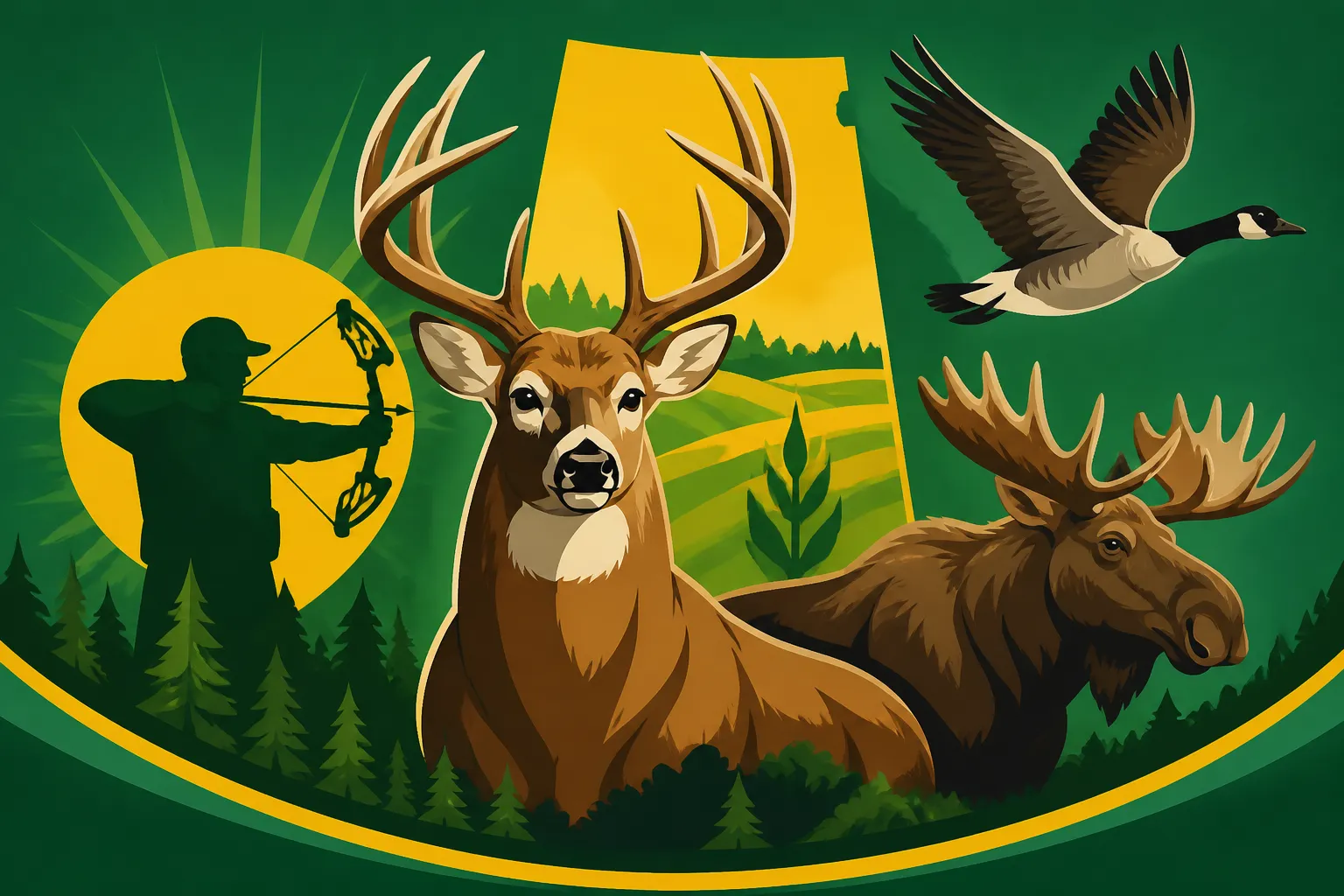
Saskatchewan is renowned for several species that consistently produce animals worthy of the record books. From the iconic whitetail deer to the colossal moose, the province offers incredible opportunities for hunters seeking a truly memorable and record-worthy experience. Each species presents its own unique challenge and reward, drawing hunters to specific regions known for their impressive game.
Whitetail Deer: The Crown Jewel
When hunters speak of world-class whitetail deer, Saskatchewan is almost always at the top of the list. The province's whitetail population is not only robust but consistently yields bucks with incredible antler mass, length, and width. The combination of rich agricultural lands providing an endless buffet of high-energy food, and the cover offered by the aspen parkland and boreal forest fringe, creates an ideal environment for bucks to reach mature age and genetic potential. It's a true whitetail paradise, with many hunters dreaming of taking a Saskatchewan giant.
The legend of Saskatchewan whitetails is further cemented by famous animals like the Hanson Buck, a non-typical whitetail that has held a world record for decades. This buck, taken right here in Saskatchewan, stands as a testament to the unparalleled trophy potential of the region. Hunters flock to the province during the November rut, hoping to catch a glimpse, or perhaps a shot, at a buck that could rival the giants of legend. While not every buck will be a world record, the sheer number of high-scoring animals submitted to Boone and Crockett and Pope and Young each year from Saskatchewan is staggering, solidifying its reputation as a premier whitetail destination. For more on this specific legend, you might want to look at Where the Hanson Buck Was Taken. If you’re curious about the overall standing of the province, check out How Saskatchewan Ranks for Record Book Whitetails.
Mule Deer: Prairie Giants
While whitetails often steal the spotlight, Saskatchewan's mule deer are equally impressive, particularly in the southern prairie regions. These majestic animals, characterized by their large ears and bifurcated antlers, thrive in the rugged coulees, badlands, and rolling grasslands of the southwest. Mule deer in Saskatchewan often display wide, heavy racks with impressive typical and non-typical points, making them a highly sought-after trophy. The challenge of hunting mule deer in their open prairie habitat, often requiring extensive glassing and strategic spot-and-stalk tactics, adds to the allure of these prairie giants.
The sheer body size of Saskatchewan mule deer, combined with the often-gnarly nature of their antlers, makes them a formidable target for any trophy hunter. Success often hinges on patience, keen observation, and a willingness to cover vast amounts of ground. While not as numerous as whitetails, the quality of individual mule deer bucks in Saskatchewan is exceptional, with many making their way into the record books. Every year, hunters report seeing deer that could easily make the Pope and Young or Boone and Crockett minimums. If you’re interested in specific records, you should read Saskatchewan's Record Mule Deer Buck.
Moose and Elk: Forest and Parkland Behemoths
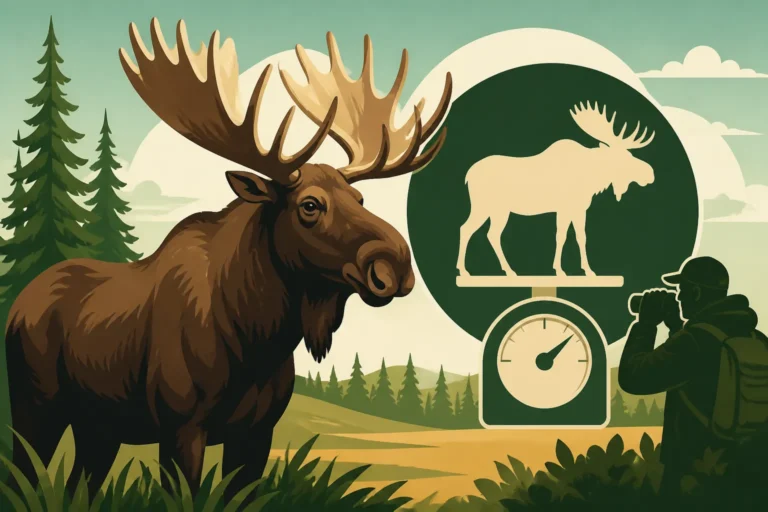
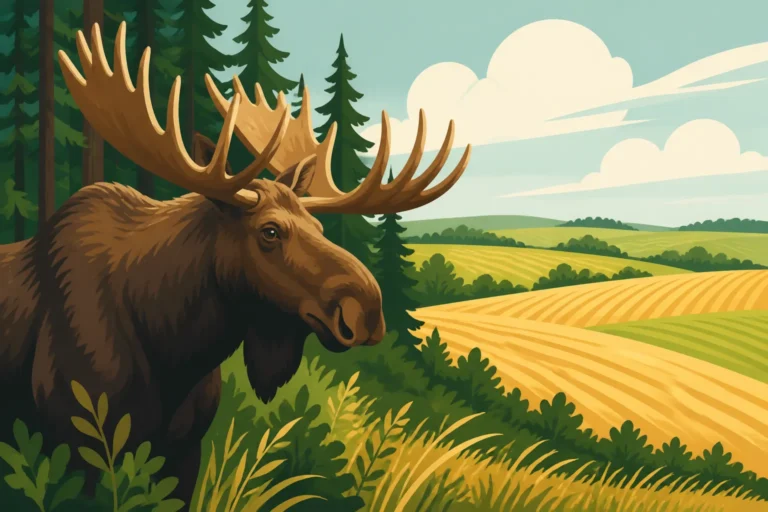
Moving into the forest fringe and boreal forest regions, Saskatchewan offers incredible opportunities for moose and elk hunting, with these species also producing truly monumental trophies. Saskatchewan moose, particularly those found in the northern reaches, are renowned for their massive body size and broad, palmate antlers. A record-book bull moose is a truly awe-inspiring animal, a testament to the wildness of the northern bush. Their sheer scale makes them one of the most coveted trophies in North America, and Saskatchewan consistently produces bulls that meet or exceed official minimums.
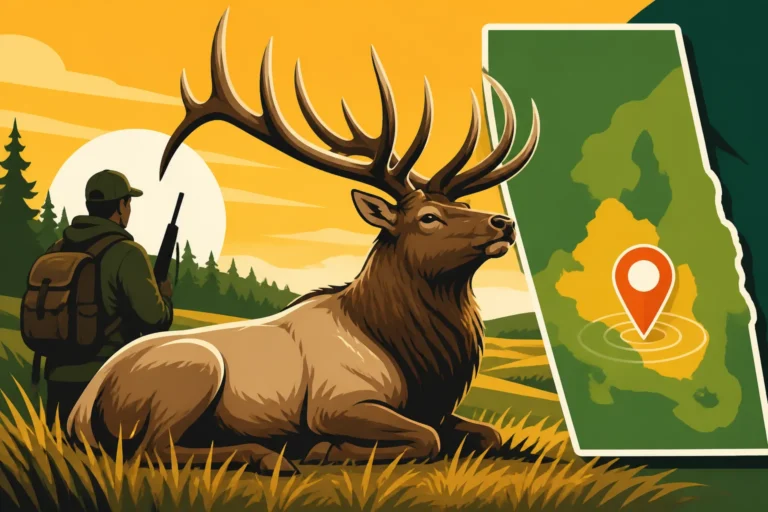
Elk, while perhaps less widely distributed than deer or moose, also grow to impressive sizes in Saskatchewan, particularly in areas like the Porcupine Hills and around the forest fringe where agriculture meets timber. Record-book elk typically feature long, heavy beams with multiple points, often forming impressive "crowns" at the top. The bugling rut of a Saskatchewan bull elk is an experience every hunter should witness, and the chance to harvest a record-book animal adds an incredible layer of excitement. Both moose and elk hunting require significant effort, often involving deep woods excursions and challenging terrain, but the reward of a truly giant animal is unmatched. To learn about the biggest, check out The Biggest Moose Ever Taken in Saskatchewan.
Black Bear: More Than Just Length
While antlers often dominate the conversation about trophy hunting, black bears are a significant record-book species in Saskatchewan, recognized for their skull size. The province's vast boreal forest provides an ideal habitat for black bears to grow to immense proportions, with many boasting skull measurements that place them in the Boone and Crockett record book. Saskatchewan is particularly known for its abundance of color-phase bears, including cinnamon, chocolate, and even blonde, adding another dimension to the trophy experience beyond just size.
Hunting record-book bears typically involves baiting, which allows hunters to carefully observe the animal, judge its size, and ensure an ethical shot. The emphasis is on skull measurements, which are a true indicator of a bear's age and overall size. A large, mature boar can have a skull that rivals some of the biggest ever recorded. Saskatchewan's healthy bear population and the availability of experienced outfitters make it a prime destination for hunters looking to pursue a record-book black bear. Many hunters use resources like GoHunt to research outfitters with a track record of producing large bears, looking at their success rates and trophy photos. If you are curious about the largest on record, take a look at Saskatchewan's Record Black Bear.
Here's a quick overview of typical Boone and Crockett minimum scores for some Saskatchewan species (remember, these are illustrative and can change, always check current guidelines):
| Species | Typical Minimum | Non-Typical Minimum | Archery (Pope & Young) Minimum (Typical) |
|---|---|---|---|
| Whitetail Deer | Approx. 160 | Approx. 185 | Approx. 125 |
| Mule Deer | Approx. 180 | Approx. 200 | Approx. 145 |
| Moose | Approx. 170 | N/A | Approx. 125 |
| Elk | Approx. 300 | Approx. 320 | Approx. 260 |
| Black Bear (Skull Score) | Approx. 19 | N/A | Approx. 18 |
Note: These are illustrative minimums. Always consult the official Boone and Crockett and Pope and Young websites for current and exact entry requirements.
Contributing to the Record Book: What Hunters Need to Know
For those fortunate enough to harvest a truly exceptional animal in Saskatchewan, the journey doesn't end there. Getting that trophy officially recognized in the record book involves specific steps, from proper preparation of the animal to adhering to strict measurement protocols. Beyond the technicalities, it also reinforces the foundational principles of ethical hunting that these organizations embody.
The Process of Official Measurement
Once you’ve harvested an animal you believe might be record-book caliber, the first critical step is to properly care for the trophy. For antlered game, a mandatory drying period is required before official measurements can be taken. This period, typically 60 days, allows the antlers to stabilize and ensures that any shrinkage due to moisture loss has occurred, providing a permanent and accurate measurement. During this time, the skull plate should be properly cleaned, and the antlers stored in a stable environment. For bears, the skull must be thoroughly cleaned and dried, free of all flesh and membrane, for the same reason.
After the drying period, you’ll need to contact an official measurer certified by either the Boone and Crockett Club or the Pope and Young Club, depending on your harvest method. These measurers are trained to follow the precise, standardized rules of the scoring system, ensuring consistency and accuracy across all entries. They will take a multitude of measurements – beam lengths, point lengths, circumferences, spreads, and note any abnormal points – to determine the gross and net scores. It's a meticulous process, but it ensures the integrity of the record book. Understanding these details helps ensure that What Counts for a Saskatchewan Trophy Record is properly documented.
Ethical Considerations and Fair Chase
At the core of all record-keeping organizations is the unwavering commitment to "fair chase." This principle dictates that the hunter must not have an unfair advantage over the animal. It explicitly prohibits practices such as hunting animals in enclosures, from motorized vehicles, or by using artificial light. The spirit of fair chase emphasizes the skill, effort, and sportsmanship of the hunter in overcoming the natural defenses and keen senses of the wild animal. It's about respecting the animal's ability to evade and survive, ensuring the hunt is a genuine test of outdoor skills.
Beyond fair chase, ethical considerations extend to the entire hunting experience. This includes knowing and following all provincial regulations, respecting private land, and ensuring that game is not wasted. Organizations like Boone and Crockett and Pope and Young are not just about big antlers; they are powerful advocates for conservation and ethical hunting practices. By submitting a trophy, hunters implicitly endorse these values, contributing to a legacy of responsible wildlife stewardship. Every hunter should be well-versed in these principles, as outlined in resources like Saskatchewan Hunter Education Requirements, which emphasize ethical conduct and safety in the field.
Maximizing Your Chances: Strategy and Resources
Successfully hunting a record-book animal in Saskatchewan is a blend of planning, skill, and a fair bit of luck. While you can't control the genetics of an individual animal, you can certainly improve your odds by focusing on strategic scouting, understanding prime habitats, and leveraging available resources. It's about stacking the deck in your favor as much as possible.
Scouting and Habitat Selection
The phrase "you can't shoot a big one if he isn't there" rings true for trophy hunting. Effective scouting is paramount. This means more than just a quick drive-by. It involves year-round observation, looking for prime habitat, food sources, and travel corridors where mature animals are likely to live. For whitetails, this often means focusing on the transition zones where dense cover meets agricultural fields – the "forest fringe" areas. For mule deer, it's about dissecting vast coulee systems and understanding how these animals use the broken topography for bedding and feeding. Moose will be found in more secluded, swampy, and boreal forest environments, while elk might inhabit larger timber blocks adjacent to open fields.
Modern technology has revolutionized scouting. Tools like satellite imagery and topographical maps, often found on platforms like GoHunt, allow hunters to analyze terrain, identify potential bedding areas, feeding zones, and pinch points from the comfort of their home. This digital scouting can save countless hours in the field and help pinpoint areas worthy of closer examination. When on the ground, look for heavy tracks, large rubs and scrapes, and areas of concentrated droppings – all signs of a mature animal in the vicinity. For more detailed information on leveraging technology for scouting, consider reading Scouting With Satellite Imagery in Saskatchewan.
Patience and Persistence
Hunting record-book animals is rarely a quick affair. It demands immense patience and unwavering persistence. These animals are mature for a reason: they are incredibly wary, masters of their environment, and have successfully eluded hunters for years. This means long hours in the stand, enduring challenging weather conditions, and often coming up empty-handed many times before success. It's about being in the right place at the right time, but increasing those odds by being in the field as much as possible, especially during peak movement times.
For a true trophy whitetail, for instance, this might mean sitting all day during the rut, enduring the biting cold of a Saskatchewan November, waiting for that one fleeting opportunity. It means being prepared for discomfort and resisting the urge to move too much or too quickly. The mental game of trophy hunting is as challenging as the physical. Many hunters use heated blinds or well-insulated gear to stay comfortable during long sits, allowing them to remain focused and alert. This level of dedication is crucial, as highlighted in topics like Sitting All Day in a Saskatchewan Blind. Remember, the pursuit itself is a significant part of the reward, and the experience gained along the way is invaluable.
Preserving the Legacy: Conservation and Management
The existence of record-book animals is a direct reflection of healthy wildlife populations and well-managed ecosystems. Far from being just about individual trophies, record-keeping organizations and the hunters who participate in them play a critical role in ongoing conservation efforts, ensuring that these magnificent animals continue to thrive for future generations.
The Role of Record Keeping in Conservation
Record books, like those maintained by Boone and Crockett and Pope and Young, serve a far greater purpose than simply cataloging impressive antlers or skulls. They act as invaluable long-term biological databases. The detailed information collected on each entry—species, location, date of harvest, and specific measurements—provides wildlife biologists and researchers with crucial data points. Over decades, this data helps track population health, antler growth trends, genetic potential within different regions, and the overall impact of habitat changes or management strategies.
For example, if the average score for whitetail deer in a particular zone starts to decline over several years, it could signal issues with habitat quality, nutritional deficiencies, or over-harvesting of younger animals. Conversely, increasing scores could indicate successful management practices or abundant food sources. This scientific aspect of record keeping is vital for informed decision-making in wildlife management. It helps agencies like Saskatchewan's Ministry of Environment understand the big picture, allowing them to adapt regulations and implement conservation initiatives that benefit entire species, not just individual trophy animals. It’s all part of ensuring a sustainable future for hunting and wildlife.
Supporting Sustainable Hunting in Saskatchewan
Every hunter who participates in the record book system, or even just purchases a license, directly contributes to wildlife conservation in Saskatchewan. Revenue generated from hunting licenses and tags, including specific initiatives like the Saskatchewan's Wildlife Habitat Certificate, directly funds habitat restoration projects, wildlife research, law enforcement, and population monitoring programs. This "user pays, user benefits" model is a cornerstone of conservation funding in North America.
Furthermore, hunters are often the first to notice changes in wildlife populations or habitat, acting as crucial eyes and ears on the ground. Their passion for the outdoors naturally extends to a desire to protect and enhance the natural resources they cherish. The pursuit of record-book animals, when conducted ethically and within legal frameworks, incentivizes careful management and protection of the habitats that allow these animals to flourish. By engaging in responsible hunting, respecting wildlife, and supporting conservation efforts, hunters ensure that the legacy of Saskatchewan’s incredible trophy potential continues to inspire and challenge for generations to come.
Disclaimer
This article is for general informational purposes only and does not constitute professional advice. Laws, prices and regulations vary by location and change over time. Consult a qualified professional for guidance on your specific situation.