Why Northern Bucks Carry More Body Mass
If you've spent any time hunting whitetails across Saskatchewan, you've likely noticed a distinct difference: the bucks found in the province's northern reaches, especially in the boreal forest fringe, often seem to carry significantly more body mass than their southern counterparts. It's a common observation that leaves many hunters wondering what exactly makes these northern deer so robust. This guide will dive deep into the environmental, nutritional, and genetic factors that contribute to the impressive size and weight of Saskatchewan's northern bucks, helping you understand the unique challenges and opportunities of hunting in these wilder regions.
The Harsh Realities of a Northern Saskatchewan Winter
Let's face it, a Saskatchewan winter is no joke, and up north, it's even more unforgiving. For a whitetail deer, surviving those long, frigid months is an Olympic-level feat of endurance. The sheer demands placed on a deer's body in the northern climate are a primary driver behind why the bucks that do survive tend to be absolute powerhouses.
The Battle Against the Cold
Imagine running a marathon every single day, just to stay warm. That's essentially what a whitetail is doing in the deep cold. Maintaining core body temperature requires an immense amount of energy. A larger body has a smaller surface area to volume ratio, which means less heat loss relative to its mass. It's basic physics, but for a deer, it's the difference between life and death. Bucks with greater body mass have a natural insulation advantage; they have more fat reserves to burn, and their sheer size helps them retain heat more efficiently. This isn't just about a thick winter coat, although that certainly helps. It's about the internal furnace working overtime, and the more fuel (fat) you have, the better your chances. This adaptation for enduring such brutal conditions naturally selects for larger animals over generations.
Snow Depth and Mobility Challenges
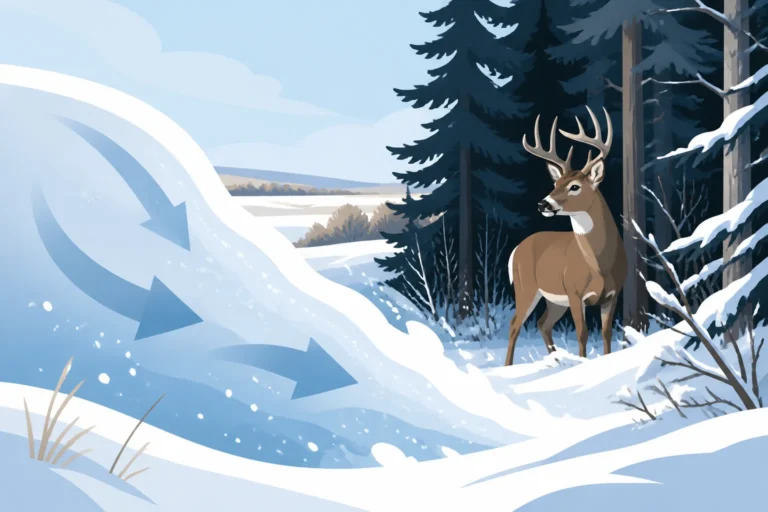
While all of Saskatchewan experiences snow, the northern zones can see truly staggering accumulations. Deep snow, especially the heavy, crusty kind, turns every step into a monumental effort. Picture trying to walk through waist-deep snow all day long – it's exhausting! Whitetails are not built for deep snow like moose or caribou; their shorter legs make navigating heavy drifts a real struggle. This constant exertion burns calories at an alarming rate. Bucks that possess greater muscle mass and fat reserves are better equipped to push through these conditions, travel between feeding grounds, and escape predators. They simply have more physical capital to draw upon when the landscape becomes a giant, frozen treadmill. Conversely, smaller, weaker deer are far more likely to succumb to exhaustion, starvation, or predation in these challenging conditions, leaving only the most robust to pass on their genes. This is a crucial factor in understanding How Deep Snow Moves Deer Into Cover.
Nutritional Abundance and Diversity in the Boreal Fringe
It might seem counterintuitive to suggest "abundance" in the harsh north, but the type and diversity of forage available in the boreal forest fringe play a significant role in helping northern bucks pack on the pounds. It's a different kind of buffet compared to the agricultural lands further south.
Rich Forage Sources
Unlike the monoculture of grain fields that dominate much of the southern landscape, the forest fringe and true boreal forest offer a smorgasbord of natural browse. Deer in these regions feed heavily on a wide variety of woody plants like willow, aspen, balsam fir, and various shrubs, along with lichens and mosses, particularly in winter. During the spring and summer, lush undergrowth provides nutrient-dense forbs and grasses. This varied diet provides a broader spectrum of nutrients and minerals essential for bone and muscle development. A healthy, diverse diet throughout the non-winter months allows deer to build substantial fat reserves, which, as we discussed, are critical for surviving winter and fueling the rut. Think of it as a natural, year-round gym and meal plan designed to create robust animals. Finding these key browse areas often requires tools like GoHunt's mapping features to identify prime habitat.
Less Agricultural Dependence
Southern Saskatchewan deer often rely heavily on agricultural crops – standing grain, pea fields, and stubble – which are calorie-rich but might lack the broader nutritional profile of a diverse natural diet. While farmland deer can certainly grow large, especially where they have access to protein-rich crops, the northern bucks are thriving on a diet that promotes a different kind of hardiness. They're not just getting "junk food calories"; they're getting a balanced, wild diet that fuels strong skeletal structure and dense muscle. This distinction helps explain Why Saskatchewan Bucks Grow So Large in general, but specifically why northern bucks achieve their unique body mass. It's not always about sheer calorie count, but the quality and consistency of diverse, natural forage. What Whitetails Eat Through a Prairie Winter in the north is vastly different from their prairie cousins.
Genetics, Age, and Lower Hunter Pressure
Beyond the environmental and dietary factors, the very fabric of the deer population itself contributes to the larger size of northern bucks. Genetics play a crucial role, as does the age structure of the herd, which is heavily influenced by human activity.
The Role of Genetics in Body Size
Over countless generations, natural selection has favored deer in northern climates with genes that promote larger body size and efficient metabolism. These traits are advantageous for cold weather survival and reproductive success. Animals that are genetically predisposed to grow larger simply have a better chance of making it through the tough winters and passing on those robust genes. It's not just about what they eat, but how their bodies are programmed to process those nutrients and grow. This genetic adaptation for larger body mass is a long-term evolutionary response to living in a challenging environment. Sometimes, a hunter will spot a particularly robust deer, and you just know it's got good genes.
Age Structure and Survival Rates
This is a huge, often overlooked factor. The northern reaches of Saskatchewan, particularly in the deep boreal forest and remote areas like those found when Hunting Saskatchewan's Boreal Forest Fringe, experience significantly lower hunter pressure compared to the more accessible farmland zones. Fewer roads, tougher terrain, and more challenging conditions mean fewer hunters get into these areas. What does this mean for the deer? It means bucks have a much higher chance of surviving beyond their yearling and two-year-old phases.
A buck doesn't reach its full body potential until it's 4.5, 5.5, or even 6.5 years old. In areas with high hunter pressure, many bucks are harvested before they ever reach this prime age. In the north, with less pressure, more bucks live long enough to fully mature, putting on incredible amounts of weight and muscle year after year. This means the average age of the bucks harvested (or observed) in these northern zones is often higher, directly correlating to larger body mass. It’s why you hear stories of giants coming out of areas where very few people venture. This is also why we say Why Forest Fringe Bucks Live Longer.
Adaptations for Survival and Reproduction
The impressive body mass of northern bucks isn't just for show; it's a vital part of their survival strategy, influencing everything from their ability to endure the winter to their success during the rut. Every pound gained is an investment in their future.
Storing Energy for the Rut and Beyond
The rut, or breeding season, is arguably the most physically demanding time in a buck's life. They are constantly on the move, chasing does, fighting rivals, and barely eating. This intense activity can cause bucks to lose a significant percentage of their body weight – sometimes 25-30% or more – in just a few weeks. A northern buck, with its already superior body mass and fat reserves built up over the summer and fall, starts the rut with a substantial advantage. More initial body mass means more fuel to burn, increasing their chances of winning breeding rights and, crucially, increasing their chances of surviving the ensuing winter. A smaller, lighter buck enters the rut at a disadvantage, more likely to be outcompeted and less likely to have the reserves to make it through until spring. This cycle reinforces the importance of body mass for both reproduction and survival in challenging northern environments. When you're planning for Hunting the Rut in Early to Mid November, remember the incredible physical toll it takes on these animals.
The Advantage of Size in the Wilderness
Beyond the rut, sheer size offers several advantages in the wild. A larger animal is generally more intimidating to potential predators, such as wolves or coyotes, which are more prevalent in northern Saskatchewan. It makes them a more formidable opponent in a physical confrontation, even if it's just to hold their ground or intimidate. Furthermore, larger body size often comes with greater strength and endurance, which is beneficial for escaping threats or covering vast territories to find food and shelter. This intrinsic advantage in the face of natural challenges contributes to the overall resilience and survival of larger bucks. GoHunt can assist hunters in scouting these vast wilderness areas, allowing them to better understand the range and movement of these impressive animals. When you consider What a Big Saskatchewan Whitetail Weighs, it's a testament to the wilderness they call home.
Ultimately, the impressive body mass of northern Saskatchewan bucks is a confluence of factors: the brutal selective pressure of harsh winters, a diverse and nutrient-rich natural diet, an older age structure within the herd due to lower hunting pressure, and genetic adaptations that favor larger, hardier individuals. These aren't just big deer; they are finely tuned survival machines, perfectly adapted to thrive in one of North America's most challenging environments.
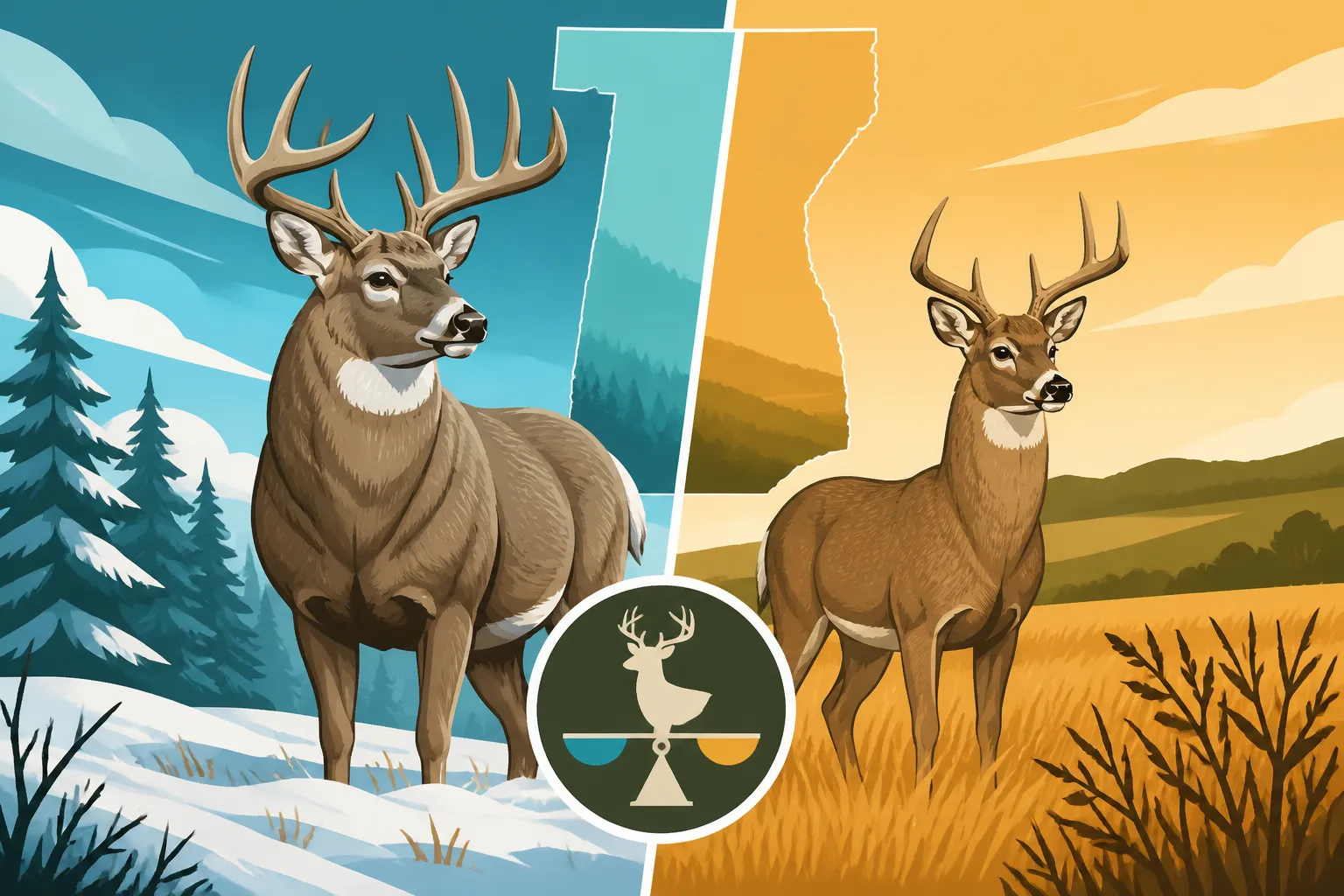
| Factor | Northern Saskatchewan Bucks (Boreal Fringe) | Southern Saskatchewan Bucks (Farmland) |
|---|---|---|
| Winter Severity | Long, extremely cold, deep snow. High energy demands for survival. | Cold, but often shorter and with less persistent deep snow. |
| Primary Diet | Diverse natural browse (willows, aspen, fir), forbs, lichens, some mast. | Agricultural crops (grain, peas, canola), supplemented by natural browse. |
| Nutritional Diversity | High, providing a broad spectrum of vitamins and minerals. | Good, but often more reliant on specific high-calorie crops. |
| Hunter Pressure | Significantly lower due to remoteness and challenging access. | Generally higher due to accessibility and denser populations. |
| Age Structure | Older average age, allowing bucks to reach full body maturity. | Younger average age, more bucks harvested before peak size. |
| Genetic Selection | Strong selection for larger body size, fat storage, and cold tolerance. | Selection for adaptability to agricultural landscapes, potentially faster growth. |
| Fat Reserves | Crucial for winter survival and rut endurance, often more robust. | Important, but potential for less critical reliance on deep fat for survival. |
Disclaimer
This article is for general informational purposes only and does not constitute professional advice. Laws, prices and regulations vary by location and change over time. Consult a qualified professional for guidance on your specific situation.