Saskatchewan’s Top Nontypical Whitetails
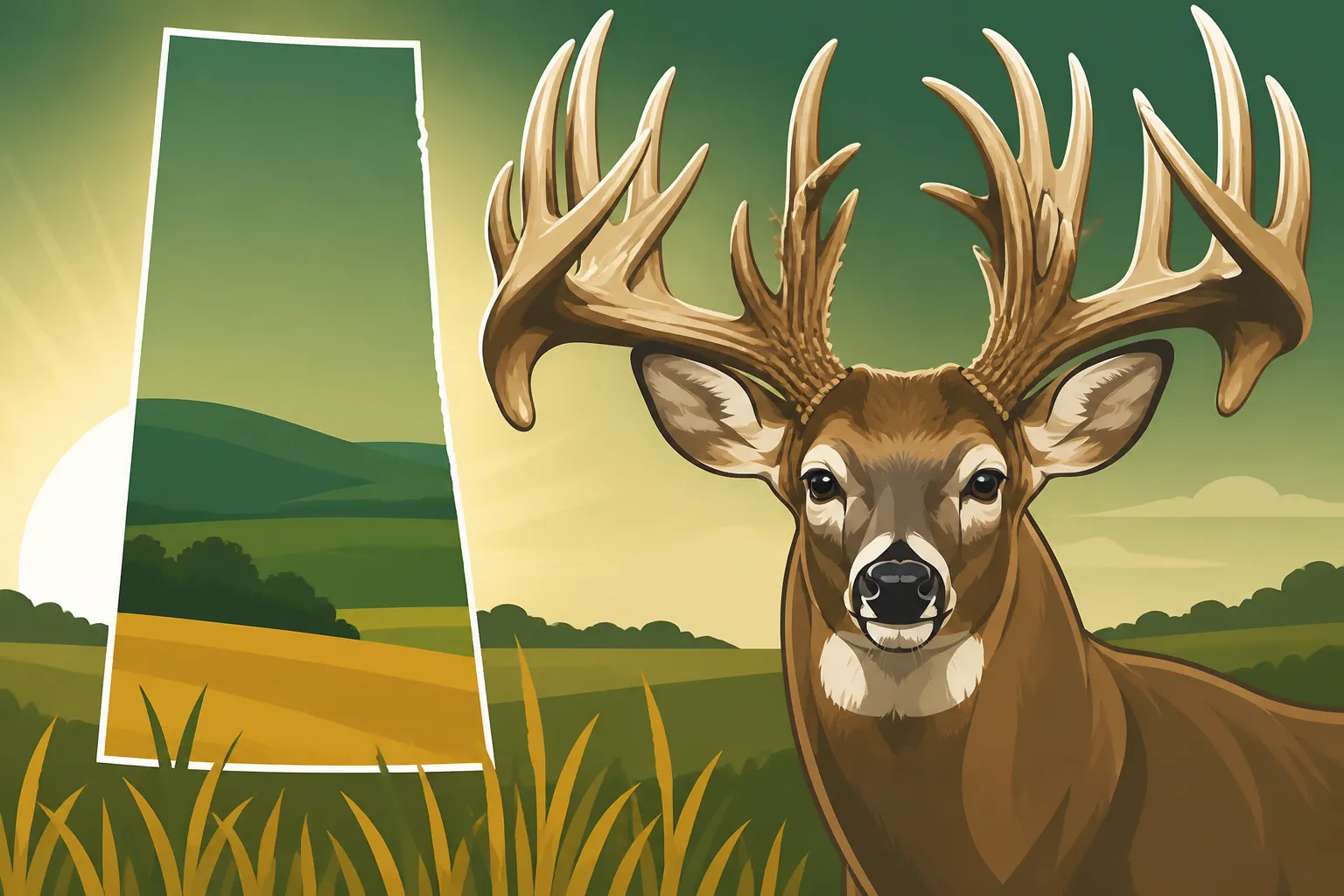
The pursuit of a truly colossal nontypical whitetail in Saskatchewan is a dream for many hunters, often leading to endless hours of scouting and speculation. These magnificent animals, with their unique and often wild antler configurations, present a challenge and a reward unlike any other. This guide will delve into what makes a whitetail "nontypical," the various factors contributing to these extraordinary racks, and how Saskatchewan has earned its reputation for producing some of the world's most impressive nontypical bucks.
Understanding Nontypical Whitetail Antler Growth
When we talk about a "nontypical" whitetail, we're stepping into a realm of antler growth that defies the usual symmetrical, aesthetically pleasing patterns. It's where nature gets a little wild, and the results are often breathtakingly unique.
What Defines "Nontypical" Antlers?
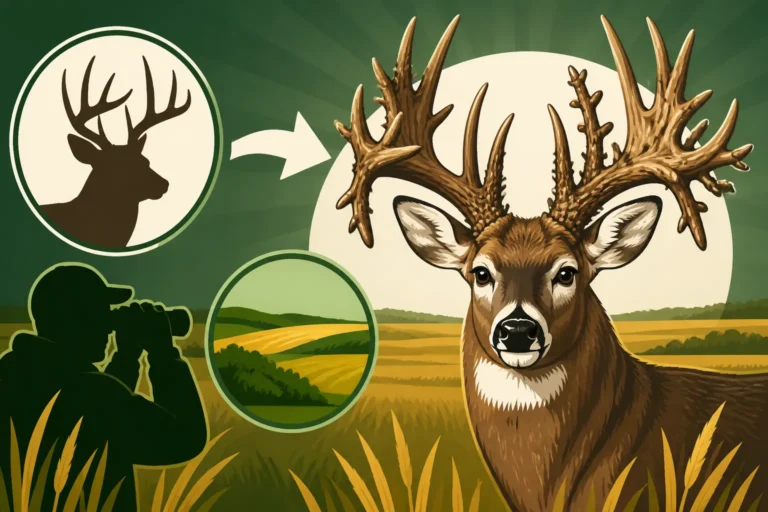
At its core, a nontypical whitetail rack is characterized by abnormal points or configurations that don't mirror the opposing side. Think of points that sprout off the main beams or tines in unusual directions – often referred to as kickers, droppers, stickers, or even clubs. Unlike typical antlers, where symmetry and the number of matching points are paramount for scoring, nontypical antlers celebrate the unpredictable. These extra points, no matter how small or oddly shaped, add to the score rather than detracting from a perceived lack of symmetry. It's this deviation from the norm that captivates hunters and makes each nontypical buck a one-of-a-kind trophy. Many hunters are intimately familiar with Scoring a Typical Whitetail Rack, but nontypical scoring throws a fascinating curveball into that system.
The Role of Genetics, Age, and Nutrition
The foundation of any impressive set of antlers, whether typical or nontypical, begins with genetics. A buck's lineage carries the blueprint for its antler potential, including the propensity for abnormal growth. Some bloodlines are simply more prone to throwing out those extra points. However, genetics alone aren't enough. Age plays a monumental role; older bucks, having survived multiple seasons, have had more time for their antlers to mature and develop these unique characteristics. It's often the 4.5-year-old and older bucks that start showing truly dramatic nontypical features.
Equally crucial is nutrition. Saskatchewan is a breadbasket, boasting vast agricultural lands rich with cereal grains, peas, and lentils. This consistent, high-quality food source provides the essential vitamins, minerals, and protein needed for robust body growth and, by extension, spectacular antler development. This abundance of nutrition is a significant factor in Why Saskatchewan Bucks Grow So Large, supporting both impressive mass and the energy for those quirky nontypical points to emerge. A buck with excellent genetics and age, but poor nutrition, will simply never reach its full potential.
Factors Influencing Nontypical Points
Beyond the core factors of genetics, age, and nutrition, there are specific triggers and environmental conditions that can push a whitetail buck's antlers into the realm of the truly nontypical.
Injury and Hormonal Imbalances
One of the most common reasons for significant nontypical antler growth is injury. A severe injury to a buck's pedicle (the bony base on the skull from which the antler grows) can lead to bizarre antler formations on that side, or even the opposite side due to a phenomenon called contralateral effect. Imagine a buck breaking its leg or suffering a severe wound to its body; this stress and physical trauma can sometimes manifest as an abnormal antler on the opposite side of the body the following year. It’s like the body compensates or reacts to the trauma in an unexpected way.
Hormonal imbalances, especially in older bucks, can also contribute to unusual antler growth. As a buck ages, its hormonal system can become less regulated, leading to antlers that are not only larger but also more prone to throwing out drop tines, kickers, or even palmated sections. These older bucks, often past their prime for typical symmetry, channel their remaining energy into unique, often gnarly, antler growth that we find so captivating. This complex interplay of factors is part of the mystique of these animals.
Environmental Stressors and Habitat Quality
While consistent, high-quality nutrition is key, extreme environmental stressors can also play a complex role. A brutal winter with deep snow and prolonged cold, or a severe drought year that impacts forage quality, can temporarily set back antler growth. However, in subsequent years, if conditions improve, some bucks might exhibit compensatory growth, sometimes resulting in unusual configurations as their bodies try to make up for lost time. It's a testament to the resilience of these animals and a prime example of Reading Antler Growth After a Wet Year and understanding how it impacts the herd.
Conversely, areas with consistently high habitat quality provide the stability for bucks to reach extreme age and full genetic potential, which is often where nontypical giants are found. Lush cover, reliable water sources, and abundant food minimize stress, allowing bucks to allocate more resources to antler development. Whether it's the rich farmlands or the secluded Hunting Whitetails in Saskatchewan's Forest Fringe, these diverse habitats create ideal conditions for bucks to not only survive but thrive and produce incredible headgear.
Saskatchewan's Legacy of Giant Nontypicals
Saskatchewan has long held a near-mythical status among deer hunters, and for good reason. Its ability to consistently produce world-class whitetails, especially those with truly colossal nontypical racks, is virtually unmatched.
The Lure of Saskatchewan's Big Deer
The province’s reputation as a trophy whitetail destination isn't just hearsay; it's backed by a consistent stream of record-book animals. The combination of nutrient-rich agricultural fields, vast tracts of secure forest fringe habitat, and relatively low hunting pressure in many areas creates the perfect storm for bucks to reach maturity and express their full antler potential. Hunters often dream of a Saskatchewan deer camp where they might encounter a buck rivaling the legendary The Hanson Buck and Why It Still Stands, though the Hanson buck itself was a typical. Still, the spirit of giant deer lives on.
This consistent production means that hunters, both local and those traveling great distances, specifically target Saskatchewan for its potential to yield a monster nontypical. Many experienced hunters rely on tools and platforms like GoHunt to research harvest data, analyze habitat types, and identify areas with historical potential for big deer, giving them a strategic edge in their quest for these rare trophies.
Scoring Nontypical Whitetails
Scoring a nontypical whitetail is a meticulous process, but it's fundamentally different from scoring a typical rack. While a typical score emphasizes symmetry and deducts for differences between corresponding points, a nontypical score celebrates abnormality. The core typical frame is measured first (main beams, length of normal tines, circumferences, inside spread), and then all abnormal points are measured and added to this gross typical score. There are no deductions for lack of symmetry between the left and right sides of the abnormal points, nor for the abnormal points themselves. The objective is to calculate the total amount of antler material. This system truly allows the uniqueness of a nontypical rack to shine, with every sticker, kicker, and drop tine adding to the final impressive tally.
Here's a simplified comparison of scoring elements:
| Scoring Element | Typical Whitetail Scoring | Nontypical Whitetail Scoring |
|---|---|---|
| Main Beams | Length of each main beam | Length of each main beam (forms typical frame) |
| Normal Tines | Length of all tines (G1, G2, etc.) | Length of all normal tines (forms typical frame) |
| Circumferences | Four measurements per main beam | Four measurements per main beam (forms typical frame) |
| Inside Spread | Widest measurement between main beams | Widest measurement between main beams |
| Abnormal Points | Measured and subtracted as deductions for symmetry | Measured and added to the score |
| Symmetry Deduction | Significant deductions for non-matching points/lengths | No deductions for lack of symmetry in overall score; abnormal points are simply added |
| Overall Goal | Maximize symmetry and length of normal points | Maximize total antler material, especially abnormal growth |
Strategies for Pursuing a Nontypical Trophy
Hunting a giant nontypical whitetail is less about luck and more about dedicated effort, a keen understanding of deer behavior, and a healthy dose of patience.
Intensive Scouting and Observation
The quest for a nontypical often begins long before opening day. Year-round scouting is paramount. This means spending countless hours in the woods, not just during hunting season, but through the winter for shed hunting, and throughout spring and summer for velvet antler observation. Finding sheds from a buck with nontypical characteristics is like finding a treasure map; it confirms the buck exists and gives you a head start on understanding its range and potential. Many serious hunters use detailed satellite imagery and mapping applications, like those found through GoHunt, to identify prime bedding areas, travel corridors, and feeding grounds. This digital scouting complements boots-on-the-ground efforts, especially when trying to decipher complex terrain and cover. Knowing how to use these tools for Scouting With Satellite Imagery in Saskatchewan can be a game-changer.
Trail cameras become your silent partners, providing round-the-clock intelligence on buck movement and antler development. Setting cameras on known travel routes, around pinch points, and near food sources can help you pattern a specific nontypical buck. Pay attention to not just where they're moving, but when and with what other deer. Every piece of information helps build a comprehensive profile of your target.
Patience and Persistence
Nontypical bucks are, by definition, rare. You might spend years hunting an area without ever seeing one that fits the "giant nontypical" description. This is where patience truly becomes a virtue. It's about putting in the time, hunting smart, and refusing to give up. These mature, often reclusive bucks require a commitment that goes beyond a casual weekend hunt. Often, they inhabit areas with abundant cover and minimal human disturbance, such as a secluded River Valley or dense bush pockets within the agricultural belt.
The goal isn't just to hunt deer, but to hunt the right deer. This often means passing on younger bucks, even nice typicals, while holding out for that truly unique, older animal. It’s a challenging mental game, especially when deer sightings are few and far between. Persistence in returning to proven areas, even if they haven't produced in a while, is key, as deer patterns can shift with pressure or environmental changes. Remember that What a Big Saskatchewan Whitetail Weighs means these bucks are often older and wiser, making them incredibly hard to pin down.
Understanding Deer Behavior in Key Seasons
Successfully hunting a nontypical involves a deep understanding of whitetail behavior throughout the year, especially during key hunting seasons. During the early archery season, bucks are often still on predictable summer patterns, moving between bedding and food sources. This can be a great time to ambush a target buck if you've done your summer scouting.
However, the real excitement often starts as the rut approaches. Hunting the Rut in Early to Mid November is prime time, as bucks become more active and less cautious, constantly searching for does. This increased movement can bring a reclusive nontypical out of its secure cover. Understanding how they use scrapes, rubs, and vocalizations during this period can give you an edge. Later in the season, when Hunting the December Late Season Cold sets in, deer often consolidate around reliable food sources, making them more predictable. Many successful nontypical hunts start with diligent research and utilizing platforms like GoHunt to understand game movement and historical patterns, helping hunters strategize their approach to maximize their chances.
Ultimately, the pursuit of Saskatchewan's top nontypical whitetails is a journey into the extraordinary. It's a testament to the wild beauty of nature, the resilience of these magnificent animals, and the dedication of the hunters who seek them.
Disclaimer
This article is for general informational purposes only and does not constitute professional advice. Laws, prices and regulations vary by location and change over time. Consult a qualified professional for guidance on your specific situation.