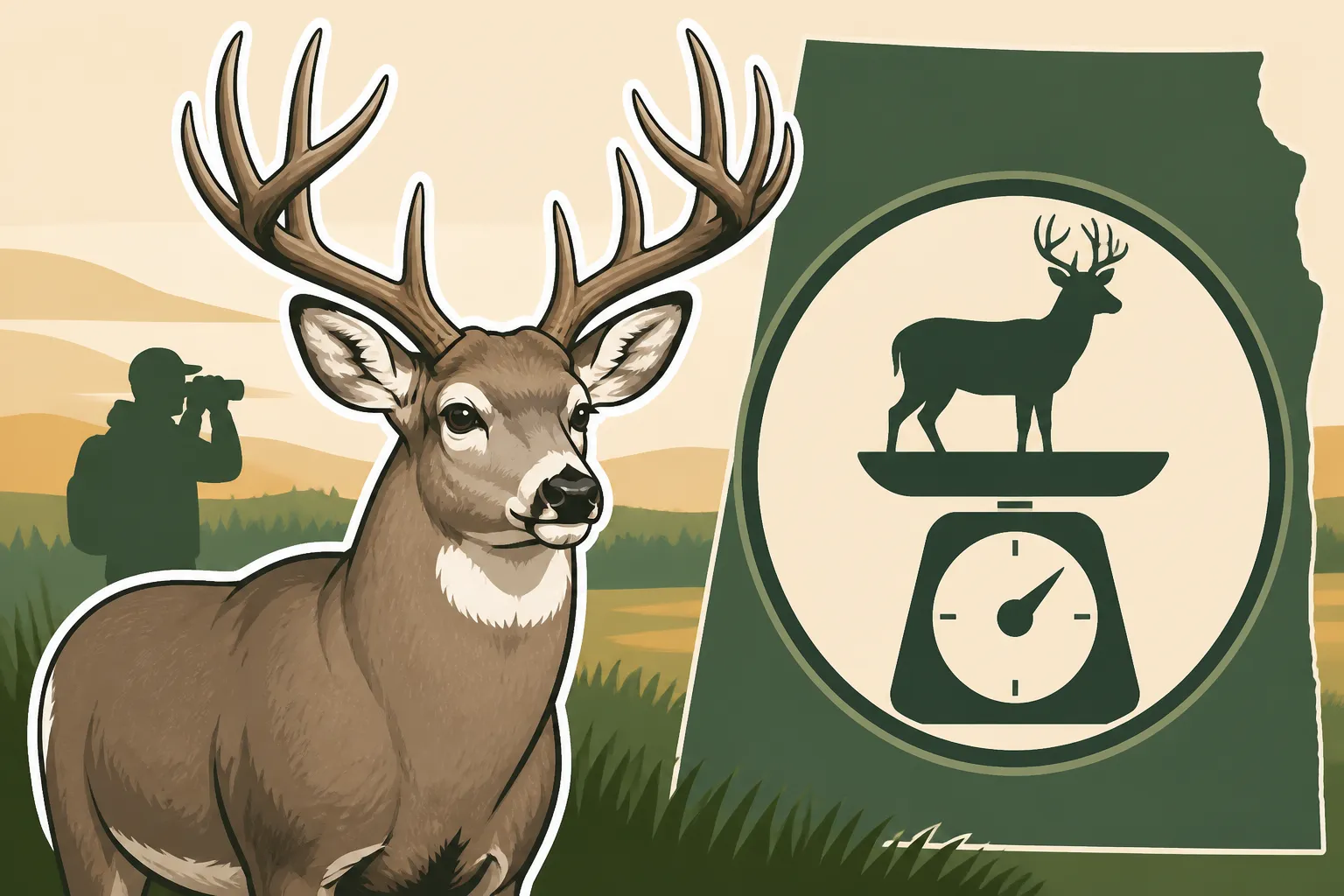
What a Mature Saskatchewan Mule Deer Weighs
For many hunters, especially those setting their sights on Saskatchewan for the first time, the sheer size of our mule deer can be a real eye-opener. It’s a common frustration to spend countless hours researching gear and tactics, only to realize you haven't truly considered the practical logistics of handling an animal that could easily outweigh you. Understanding what a mature Saskatchewan mule deer weighs isn't just about satisfying curiosity; it's crucial for planning everything from shot placement to game retrieval, and this guide is here to walk you through exactly what to expect.
The Weighty Factors: What Makes a Saskatchewan Mule Deer Heavy?
When you’re out in the field, whether you're glassing a prairie coulee or traversing a crop edge, you’ll notice that not all mule deer are created equal. The weight of a mule deer isn't just a random number; it's a direct reflection of a complex interplay of environmental conditions, genetics, and the deer's life history. In Saskatchewan, many of these factors align to produce some truly impressive animals.
Age, Genetics, and Plain Old Time
Think of a young deer as a teenager – still growing, lanky, and not yet filled out. A mature mule deer buck, on the other hand, is like a seasoned adult, having reached its physical prime. Age is arguably the single biggest determinant of an individual deer's weight. A deer needs several years to reach its full body potential. We're talking about bucks in the 4.5 to 7.5-year-old range, or even older, that have successfully navigated hunting seasons, harsh winters, and natural predators. They’ve had the time to accumulate muscle and fat reserves, making them significantly heavier than a yearling or two-year-old.
Beyond age, genetics play a silent but crucial role. Just like in humans, some deer simply have the genetic predisposition to grow larger and heavier bodies. While we can’t see a deer's genetic blueprint in the field, we can observe populations in certain areas consistently producing larger animals, suggesting favorable genetics are at play. Saskatchewan is blessed with populations that seem to have this genetic advantage, contributing to the province's reputation for big deer. It's a combination of these intrinsic factors and the external environment that culminates in the impressive weights we see.
Nutrition: The Buffet of the Prairie
Saskatchewan's agricultural landscape is a literal buffet for mule deer, especially in the southern and central regions where these deer thrive. This abundance of high-quality forage is a massive factor in why our deer grow so large. Imagine a deer having access to protein-rich alfalfa, energy-dense peas and lentils, and vast fields of wheat, barley, and oats after harvest. This isn’t just survival food; this is optimal nutrition that fuels rapid growth and the laying down of significant fat reserves, which are critical for surviving the brutal prairie winters.
During spring and summer, the deer also browse on a wide variety of native forbs, shrubs, and grasses found in coulees, river valleys, and breaks. This varied diet ensures they get all the necessary nutrients for body development and antler growth. Good nutrition means healthier immune systems, better muscle development, and more fat storage – all contributing to a heavier animal. Areas with consistent access to these prime food sources will naturally yield heavier mule deer compared to regions with poorer soil or less diverse vegetation. This rich nutritional base is a major reason Why Saskatchewan Bucks Grow So Large in general, and mule deer are no exception.
Seasonal Swings and Environmental Stressors
A mule deer's weight isn’t static; it fluctuates significantly throughout the year. The prime time for a buck to be at its heaviest is typically in the late summer and early fall, just before the rut kicks into high gear. At this point, they’ve spent months gorging on lush forage, building up fat reserves. A mature buck might be carrying 20-30% more body mass than it will just a few months later.
Once the rut begins, usually in late October and throughout November, bucks expend an incredible amount of energy chasing does, fighting rivals, and barely eating. It's an exhausting period, and they can lose a substantial amount of weight – sometimes 20% or more – in just a few weeks. By the time December rolls around, a once-heavy buck can look gaunt and drawn. Then, winter sets in. Harsh winters with deep snow and prolonged cold can take a severe toll. Deer burn through their fat reserves just to stay warm, and finding food becomes more difficult. Conversely, mild winters and good moisture in the spring can lead to healthier, heavier deer in subsequent seasons. This is also why understanding How Mule Deer Use Coulees in Winter is important, as these sheltered areas offer protection and some forage when conditions are tough.
Breaking Down the Numbers: What to Expect on the Scale
Okay, so we know what makes them heavy, but what are the actual numbers? It's one thing to see a big mule deer standing in a field and quite another to actually hoist it onto a scale. Hunters often use different terms for weight, which can lead to confusion, so let's clarify what those numbers typically look like for a mature Saskatchewan mule deer.
Live Weight vs. Dressed Weight: Understanding the Difference
This is a critical distinction that often trips up new hunters.
- Live Weight (or "on the hoof"): This is the deer's total weight before any processing. It's the weight of the animal as it stands alive.
- Dressed Weight (or "field dressed"): This is the weight of the deer after the internal organs (viscera) have been removed, but typically before the hide, head, and lower legs are taken off. This is the weight most hunters refer to when they talk about the "size" of their deer, as it's the weight that gets loaded into a truck or onto a scale for a meat processor.
Generally, you can expect a deer to lose about 25-35% of its live weight when it's field dressed. For a very large mule deer, this can mean a difference of 75 to over 100 pounds. So, if a hunter tells you their buck weighed 200 pounds, they're almost certainly talking about dressed weight. Always confirm which weight measurement is being used to avoid disappointment or miscalculation. The initial shock of removing the guts and seeing the drop in mass is part of the hunting experience.
Average Ranges for Mature Bucks and Does
Now for the numbers you've been waiting for! A mature Saskatchewan mule deer buck is a truly substantial animal.
- Live Weight: You can realistically expect a mature buck (4.5 years old and up) to weigh anywhere from 250 to 350 pounds on the hoof, particularly those healthy animals harvested before the intense rut activity. Some truly exceptional bucks, especially those from prime agricultural areas, might push closer to the 375-400 pound mark, although these are certainly the giants and not the average.
- Dressed Weight: This translates to a dressed weight of approximately 180 to 260 pounds for most mature bucks. The truly massive ones might yield a dressed weight into the 270-300 pound range. This is a significant amount of meat and bone to handle!
Mature mule deer does are, as expected, smaller than bucks, but still robust animals.
- Live Weight: A mature doe will typically range from 160 to 220 pounds live weight.
- Dressed Weight: Expect a dressed weight of around 110 to 160 pounds for a healthy adult doe.
Here's a quick reference table:
| Mule Deer Category | Average Live Weight (lbs) | Average Dressed Weight (lbs) |
|---|---|---|
| Mature Buck | 250 – 350 | 180 – 260 |
| Mature Doe | 160 – 220 | 110 – 160 |
| Yearling Deer | 120 – 180 | 80 – 130 |
It’s worth noting that these are averages, and individual deer can fall outside these ranges. Weather patterns, specific local forage quality, and the timing of the harvest relative to the rut can all shift these numbers.
Regional Differences Across Saskatchewan's Diverse Landscape
Saskatchewan is a vast province, and its diverse landscapes influence the size and weight of its mule deer. While the general averages above hold true, you might notice subtle differences depending on where you are hunting Mule Deer Across Saskatchewan's Prairie.
Mule deer found in the rich agricultural belt of southern Saskatchewan, where they have consistent access to high-protein crops and sheltered coulees, often exhibit some of the heaviest body weights. Think of the prime areas in the southwest and south-central zones. These deer essentially live in a food-rich environment, allowing them to pack on pounds. When you're Hunting Saskatchewan's Southern Prairie, you can expect robust deer.
As you move north into the Aspen Parkland, where agricultural lands intermingle with more bush and native grassland, the deer can still be very large due to good forage. However, as you approach the true forest fringe or more arid, native prairie regions, the available forage might be slightly less concentrated or diverse, potentially leading to slightly smaller average body weights, though still very respectable. Deer that spend more time in rugged, broken country or less nutrient-rich environments might also tend to be a bit lighter on average, due to expending more energy simply navigating their habitat.
Field Realities: From Shot to Supper
Knowing the potential weight of a mature mule deer isn't just for curiosity; it has very real, very practical implications once you've successfully tagged an animal. Many a hunter has stared at a downed buck, suddenly realizing the scale of the physical challenge ahead. Preparation is key, and understanding what you're up against will save you a lot of backache and potential headaches.
Planning for Retrieval: Don't Underestimate the Weight
This is where the rubber meets the road. That 250-pound dressed buck you just harvested isn’t going to walk itself out of the coulee. Underestimating the weight and the effort required for retrieval is one of the most common mistakes hunters make, and it can quickly turn a moment of triumph into a grueling ordeal. Always, and I mean always, have a retrieval plan before you even head out or pull the trigger.
Consider the terrain: Is it flat prairie, or are you in a steep river valley? How far are you from the nearest road or vehicle access? If you're Hunting Mule Deer in Prairie Coulees, you might be looking at a significant uphill drag. Do you have hunting partners with you to help? A single mature mule deer buck is usually too heavy for one person to drag a significant distance, especially through snow or brush. Options include:
- Dragging: A good quality deer sled or game cart can make a huge difference, but it still requires immense effort.
- ATVs/UTVs: If legal and accessible, these are game-changers for retrieval. Make sure you know the rules for Quad and Side-by-Side Rules on Crown Land or private land.
- Packing: For truly remote or rugged areas, quartering the animal and packing it out in pieces might be the only option. This is physically demanding and requires specialized gear.
Having a clear path, knowing your limitations, and bringing the right tools are paramount. Don't be afraid to ask for help; a call to a friend after a successful shot is a common and smart move in Saskatchewan. If the ground is frozen, as it often is late in the season, getting a deer out might even involve different tactics, so checking out tips like Getting a Deer Out on a Frozen Trail can be a lifesaver.
Field Dressing and Meat Care in Saskatchewan Conditions
Given the substantial body mass of a mature mule deer, efficient and thorough field dressing is absolutely crucial for preserving the meat quality. The larger the animal, the more heat it retains, and the faster spoilage can begin if it's not cooled quickly. This is especially true if you harvest an animal on a warm early fall day.
Once you’ve made the shot and located your deer, the priority is to field dress it as quickly as possible. This involves removing all the internal organs to allow the carcass to cool. For a large buck, this is a significant task, and having a sharp knife, a strong stomach, and a methodical approach will serve you well. Flips and rolls might be required to ensure thorough draining.
In Saskatchewan, you often contend with wide temperature swings. If you're Field Dressing in Saskatchewan's Deep Cold, cooling might not be an issue, but freezing can be. Conversely, early season hunts might require you to get the animal to a cooler or processing facility promptly. Proper care means ensuring the carcass is clean, free of debris, and allowed to air out. Tips on Meat Care in Saskatchewan's Cold Snaps become incredibly valuable, as freezing and thawing cycles can impact meat quality. Using a reliable mapping tool like GoHunt can also help you identify nearby communities or facilities for meat processing if you're not planning to do it yourself.
Estimating Weight in the Field: A Hunter's Skill
Trying to guess the weight of a deer while it's still alive, or even immediately after harvest, is a skill that comes with experience. It’s notoriously difficult, and most hunters will tell you they tend to underestimate. That big buck always looks bigger once you’re standing next to it!
Here are a few visual cues to help you estimate weight:
- Body Depth and Girth: A truly heavy deer will have a deep body from its back to its brisket, and a significant girth through the rib cage. It won't look "leggy."
- Neck Mass: Mature bucks, especially before the rut, will have incredibly thick, muscular necks. This is a strong indicator of age and overall body condition.
- Overall Stature: Does the deer look "blocky" or "barrel-chested"? Does it carry its weight evenly, or does it look like a younger, leaner animal?
While these are subjective observations, they become more accurate with practice. For hunters utilizing modern scouting tools, applications like GoHunt provide detailed topographical maps and satellite imagery. These features can assist in pre-hunt scouting, allowing you to identify likely bedding areas with rich forage, which are often correlated with heavier deer. You can also use them to plan potential retrieval routes, knowing the terrain you’d have to navigate with a heavy load.
The Full Value: More Than Just Pounds
While the sheer weight of a mature Saskatchewan mule deer is impressive, the value of such an animal extends far beyond what the scale reads. It's about the challenge, the experience, the sustenance, and the memories forged in the vast prairie landscapes.
Trophy Potential: Antlers and Body Size
There’s an undeniable connection between a large, heavy body and the trophy potential of a mule deer buck. Generally, older, healthier, and heavier bucks are the ones that have had the years and the nutritional resources to grow impressive antler racks. When you look at the entries in Saskatchewan's record books for mule deer, you'll see a correlation between the age and size of the animal, and the magnificent antlers they carry. A big, robust body often signifies a mature animal that has reached its peak potential, both in terms of mass and antler development.
This isn't to say a smaller deer can't have a great rack, but the largest, most symmetrical, or most unique antlers are often found on those older, heavier bucks that have benefited from Saskatchewan's rich environment. Hunting these animals often involves patience and strategy, especially when Judging a Mule Deer Buck at Distance to ensure it's the mature animal you're looking for. Many hunters come to Saskatchewan specifically hoping to harvest one of these legendary animals. For more information on what constitutes a record, you might want to look into Saskatchewan's Record Mule Deer Buck.
Culinary Yield: Feeding Your Family
Perhaps the most tangible, practical value of a heavy mule deer is the incredible amount of lean, organic protein it provides. A 200-pound dressed buck can yield well over 100 pounds of boneless meat, depending on how it's butchered. That's a freezer full of roasts, steaks, burger, and stew meat that will feed a family for a significant portion of the year.
This generous yield is a huge motivator for many hunters. Knowing that your efforts in the field will translate into wholesome, healthy meals is incredibly rewarding. Processing such a large animal, whether you do it yourself or take it to a professional butcher, is a significant undertaking, but the end result is well worth the effort. From a culinary perspective, mule deer venison is renowned for its rich flavor and lean texture, making it a highly prized game meat.
The Unquantifiable Value: The Hunt Itself
Beyond the numbers on the scale, the real value of hunting a mature Saskatchewan mule deer lies in the experience. It’s the crisp autumn air, the vast open spaces, the challenge of the Spot-and-Stalk Mule Deer in Saskatchewan method, and the deep connection to nature. The preparation, the scouting, the early mornings spent glassing distant hillsides – all of it culminates in an unforgettable adventure.
Whether you're exploring Hunting Saskatchewan's Southern Prairie or stalking through a stubble field, the pursuit of these magnificent animals is a testament to skill, patience, and respect for the wild. The weight of the animal, while a physical challenge, is also a symbol of that success. It represents an animal that has thrived in its environment, a testament to Saskatchewan's rich habitat. Planning your hunt, from scouting potential locations to understanding terrain, is made easier with comprehensive tools. Platforms like GoHunt can assist in mapping out potential hunting areas, researching historical harvest data, and understanding the nuances of different zones, all of which contribute to a more informed and ultimately more rewarding hunting experience. It’s about the full journey, from anticipating the size of your quarry to celebrating a successful harvest.
Disclaimer
This article is for general informational purposes only and does not constitute professional advice. Laws, prices and regulations vary by location and change over time. Consult a qualified professional for guidance on your specific situation.