When Sandhill Cranes Move Through
For hunters eager to witness one of Saskatchewan’s most ancient migrations, understanding when sandhill cranes move through our vast skies is paramount. It can feel like chasing ghosts sometimes, trying to time your hunt with their unpredictable journeys. This guide is dedicated to pulling back the curtain on the sandhill crane's migratory patterns, helping you pinpoint those peak windows and make the most of your time in the field, even when they seem to appear and disappear like magic.
The Rhythmic Dance of Sandhill Crane Migration Through Saskatchewan
There's nothing quite like the sound of sandhill cranes calling overhead—that distinctive, rolling bugle that echoes across the prairie. It signals change, the turning of seasons, and for many of us, the start of another exciting hunting opportunity. But these magnificent birds aren't just passing through on a whim; their movements are part of a meticulously timed annual cycle, heavily influenced by their needs and the environment around them.
Understanding the Annual Cycle: Why They Come, Why They Go
Sandhill cranes are truly masters of migration, undertaking epic journeys between their northern breeding grounds and southern wintering areas. While they breed across parts of northern North America, including parts of Saskatchewan's boreal forest, their main wintering grounds are in the warmer climates of the southern United States and Mexico. For hunters in Saskatchewan, this means we are in a prime location to intercept them as they make their crucial stopovers.
Saskatchewan serves as an absolutely vital staging area for hundreds of thousands, if not millions, of these birds each year. Think of it like a giant fueling station for birds on a long road trip. They pull in, feast on our abundant grain fields, rest on secure wetlands, and build up the energy reserves they need for the next leg of their journey. Without these critical stopovers, their long-distance migrations wouldn't be possible. Their visits are dictated by two primary forces: the push of declining temperatures and the pull of readily available food. As temperatures drop and food sources dwindle further north, they are compelled south. Conversely, the rich bounty of Saskatchewan's agricultural lands offers an irresistible buffet, ensuring they linger long enough to replenish their reserves.
Peak Migration Periods: When to Expect the Main Event
While sandhill cranes do pass through Saskatchewan during both spring and fall migrations, the fall journey is by far the most significant for hunters. The spring migration, typically occurring in April and May, is a much swifter affair as the birds are eager to reach their breeding grounds. They often don't linger as long, and hunting seasons are generally not open for them during this period.
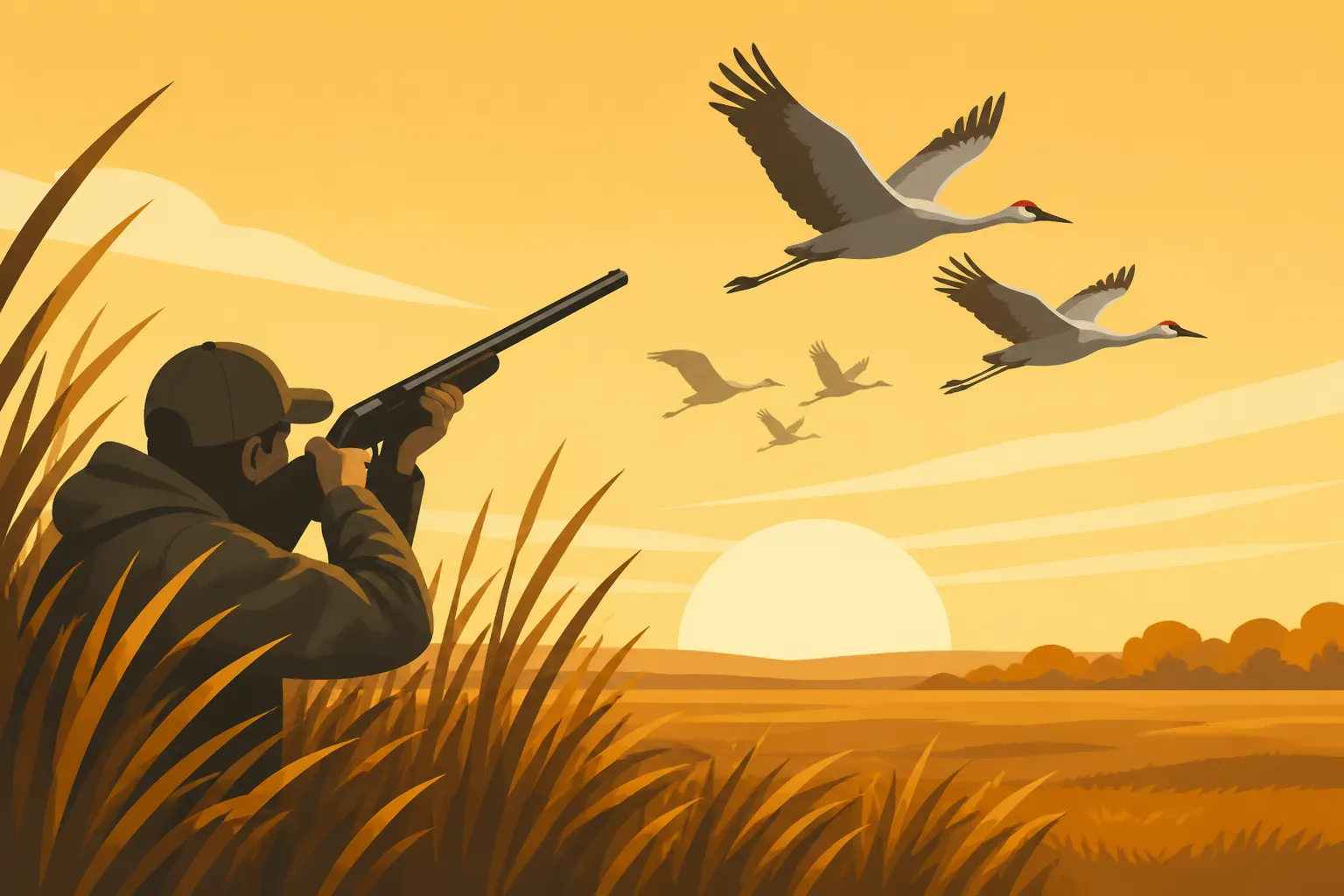
The real show, and your best hunting opportunity, begins in late summer and extends through the fall. Generally, you can expect to see the first trickle of birds arriving in late August, particularly in the northern reaches of the agricultural belt. However, the true peak migration period typically kicks off in early September and runs strongly through mid-October. During this window, especially through September, large concentrations of cranes can be found across many parts of the province. This is when you'll witness those awe-inspiring V-formations filling the sky, sometimes stretching for miles.
The exact timing within this window can vary year to year, of course. A warm, extended fall might see birds linger well into late October, offering a prolonged season for those who enjoy Hunting Saskatchewan's Sandhill Crane Fields. Conversely, an early cold snap or heavy snow event can push them south much faster, compressing that peak window and forcing hunters to be exceptionally proactive. It really drives home the point that you need to be out there, observing, and ready to adapt.
Factors Influencing Sandhill Crane Movement and Location in Saskatchewan
If you've spent any time hunting migratory birds, you know that trying to predict their exact movements can be a frustrating exercise. Sandhill cranes are no different. They're incredibly responsive to their environment, and a multitude of factors play into when and where they choose to pause their journey in Saskatchewan. Understanding these influences is key to getting yourself in the right place at the right time.
Weather's Role: Fronts, Winds, and Early Snows
Weather is arguably the biggest driver of crane migration patterns. A strong cold front sweeping down from the Arctic can act like a giant broom, pushing birds south in a hurry. When one of these fronts moves through, you might see a dramatic increase in crane numbers in your area, only for them to be gone a day or two later, having ridden the favorable winds further south. Conversely, a prolonged period of warm, stable weather can lead birds to linger, spreading out their migration over a longer period.
Wind direction and speed are also critical. Cranes, like many large migratory birds, prefer to travel with a tailwind, which conserves energy on their long flights. A strong north wind is their friend when heading south. If winds are unfavorable, they might hold up in an area for several days, waiting for better conditions. This is where a hunter can gain an advantage by knowing when birds might be "stuck" in a region, making them more predictable for a short window.
Finally, early snowfalls, especially in the northern agricultural zones, can accelerate their departure. While cranes are hardy birds, a blanket of snow can quickly cover their primary food sources, sending a clear signal that it's time to move on. Keep a close eye on the long-range forecast, as this can often give you a heads-up on potential shifts in migration timing.
Food Sources and Staging Areas: Why They Stop Where They Stop
Once cranes decide to stop, their choice of location is almost entirely dictated by food and security. Saskatchewan's vast agricultural landscape provides an unparalleled banquet. Cranes are primarily vegetarians during migration, and they absolutely love our grain crops. They'll gorge themselves on waste grain left behind after harvest, with fields of barley, wheat, peas, and lentils being particularly attractive. A freshly cut pea or lentil field, especially one that hasn't been tilled, can be a magnet for these birds. If you're Hunting a Swathed Grain Field at Dusk, you might find them mixed in with geese.
Beyond feeding, sandhill cranes need safe places to roost overnight. These are typically large, shallow wetlands, marshes, or other secure water bodies where they feel protected from predators. Saskatchewan's Big Water Bodies Hold Birds during migration, and these larger sloughs and shallow lakes become crucial night-time sanctuaries. The ideal setup for a crane is a short flight from a secure roosting area to an abundant feeding field. If you can identify these key staging zones—areas with both excellent feeding and safe roosting in close proximity—you've unlocked a major piece of the puzzle. These areas become hotbeds of activity during the peak migration.
Daylight Hours and Biological Imperatives
While weather and food provide the immediate triggers, the overarching biological imperative for migration is driven by the changing length of daylight. As the days grow shorter in late summer and early fall, a deep-seated instinct kicks in, prompting the cranes to begin their journey south. This decreasing photoperiod signals to their bodies that winter is coming, and it's time to build up those vital fat reserves.
These birds need to pack on significant weight to endure thousands of miles of flight. This biological need makes them extremely predictable in one regard: when they are in Saskatchewan, they will be feeding heavily, often multiple times a day. Their commitment to feeding to build these reserves means that if you find them, they're likely to return to similar fields until the next weather front pushes them onward.
| Factor | Influence on Crane Movement | Impact on Hunting |
|---|---|---|
| Early Cold Fronts | Can push birds south faster, concentrating them. | May shorten the peak hunting window, requiring quick action. |
| Warm, Stable Weather | Birds linger longer, potentially spreading out migration. | Offers more consistent hunting opportunities over a longer span. |
| Abundant Grain Fields | Birds will stay in areas with ample food, delaying southern movement. | Focus scouting on areas with standing or recently harvested grain. |
| Sparse Food Sources | Birds move more quickly through an area to find better feeding. | Requires more active scouting to intercept transient flocks. |
| Hunting Pressure | Can make birds more wary and change flight paths/feeding times. | Adapt spread setups and consider hunting less pressured areas. |
Scouting and Strategies for Intercepting Saskatchewan's Cranes
Finding sandhill cranes isn't always easy, especially when they're scattered across hundreds of thousands of square miles of agricultural land. They're smart, wary birds, and if you just drive around hoping to stumble upon them, you might find yourself burning a lot of fuel and seeing very few cranes. A methodical approach, combining pre-season preparation with in-season adaptability, is your best bet.
Pre-Season Scouting: Getting Ahead of the Flock
The work for a successful crane hunt often begins long before the first bird arrives. Start by studying agricultural patterns in your chosen Wildlife Management Zone (WMZ). Which fields are typically planted with peas or lentils? Where are the major wheat and barley growing regions? These are your starting points. Tools like GoHunt can be invaluable here, allowing you to examine satellite imagery and pinpoint potential feeding fields and roosting locations from the comfort of your home. Look for large, open fields adjacent to secure water bodies.
Beyond just crop types, pay attention to harvest schedules. Cranes feed on waste grain, so freshly harvested fields are gold. If you know a farmer who plans to cut a pea field around late August or early September, that's a prime target to put on your radar. Familiarize yourself with the major flyways in your area; cranes often follow river valleys or major slough systems during migration. Think about how they're likely to approach and depart these areas. This early legwork, essentially Scouting Fields for Saskatchewan Waterfowl, will save you countless hours once the season is open.
In-Season Adjustments: Adapting to Crane Movements
Once the migration begins, daily scouting becomes absolutely crucial. Cranes can move miles in a single day, influenced by weather, food availability, and hunting pressure. You need to be on the road, watching. Drive perimeter roads around potential fields at first light and last light, observing where birds are flying from and to. Pay attention to their flight paths, the entry and exit points they use from fields, and how they behave. Are they landing in the middle of a quarter section, or sticking to the edges? Do they prefer certain wind conditions for landing?
Don't be afraid to change your plans based on what you observe. If you scouted a field yesterday and saw hundreds of birds, but a cold front blew through overnight, they might be gone today. Be prepared to drive to new areas or adjust your setup. This is where patience and persistence truly pay off. Always remember that accessing private land requires permission, so always be sure to connect with landowners. Getting Permission for a Goose Field or any other field for that matter, is a fundamental part of respectful hunting in Saskatchewan.
Decoys and Calling: Drawing Them In
Once you've located a feeding field and secured permission, it's time to set up your spread. Sandhill cranes are large birds, and they respond well to realistic, full-body decoys. A good spread typically involves a fair number of decoys—the more, the better, to simulate a large, confident flock. Arrange them naturally, often in family groups, with some standing and some feeding. Motion decoys, like flags or moving-head decoys, can add realism and draw distant birds' attention.
Calling is another powerful tool. Sandhill cranes are very vocal, and mimicking their distinctive bugling calls can be incredibly effective. There are various crane calls available, and practicing different sequences—greeting calls, feeding calls, excited calls—can make a big difference. Don't be afraid to call loudly, especially when birds are far off, but temper your calls as they get closer. Sometimes, less is more as they commit to the spread. Combine a good spread with effective calling, and you can significantly increase your chances of pulling these wary birds into shooting range.
Legal Considerations and Respectful Hunting
Hunting sandhill cranes in Saskatchewan is a privilege, and with that comes the responsibility to understand and abide by all regulations, as well as to conduct ourselves as ethical, respectful hunters. Ignoring these details can not only lead to legal trouble but also damage the reputation of all hunters.
Understanding Regulations and Permits
First and foremost, you'll need the correct licenses and permits. This includes your provincial Saskatchewan hunting license and, crucially, a federal Migratory Game Bird Hunting Permit. Cranes fall under federal migratory bird regulations, so both are mandatory. Ensure you have purchased your Saskatchewan Migratory Bird Permits well in advance.
Season dates and bag limits are strictly enforced and can vary by zone and year. Always consult the current Saskatchewan Hunters' and Trappers' Guide for the most up-to-date information. Pay close attention to the specific Saskatchewan Sandhill Crane Season Dates for the zone you plan to hunt. Exceeding bag limits or hunting outside designated hours is a serious offense.
Furthermore, remember the requirement for non-toxic shot. For all migratory game birds, including sandhill cranes, you must use non-toxic shot (steel, bismuth, tungsten alloy, etc.). Lead shot is strictly prohibited. Make sure you are using the correct ammunition. More information can be found under Non-Toxic Shot for Saskatchewan Waterfowl. This isn't just a rule; it's about protecting the environment and the birds themselves from lead poisoning.
Ethical Hunting Practices and Landowner Relations
Saskatchewan is predominantly private land, and accessing those coveted grain fields requires the explicit permission of the landowner. This cannot be stressed enough: always get permission. Driving onto private land without consent is trespassing, and it's one of the quickest ways to sour landowner relations for all hunters. A polite knock on the door, explaining your intentions, and asking for permission goes a long way. Building positive relationships with landowners is invaluable and often leads to future opportunities. For more advice on this, check out Knocking on Doors in Saskatchewan Farm Country.
Beyond permission, practice ethical hunting. Only take clean, ethical shots. Cranes are large birds, and a well-placed shot is essential for a quick, humane harvest. Retrieve all downed birds promptly. Wounding birds and failing to recover them is not only wasteful but also disrespectful to the animal and the hunting tradition. Make sure you're aware of your surroundings, backstops, and any other activity in the area before you shoot.
Finally, leave no trace. Pack out everything you pack in, including spent shell casings. Respect the land you've been granted access to, and leave it cleaner than you found it. These practices ensure that landowners remain open to hunters and that the sport continues to thrive in Saskatchewan for generations to come.
Disclaimer
This article is for general informational purposes only and does not constitute professional advice. Laws, prices and regulations vary by location and change over time. Consult a qualified professional for guidance on your specific situation.