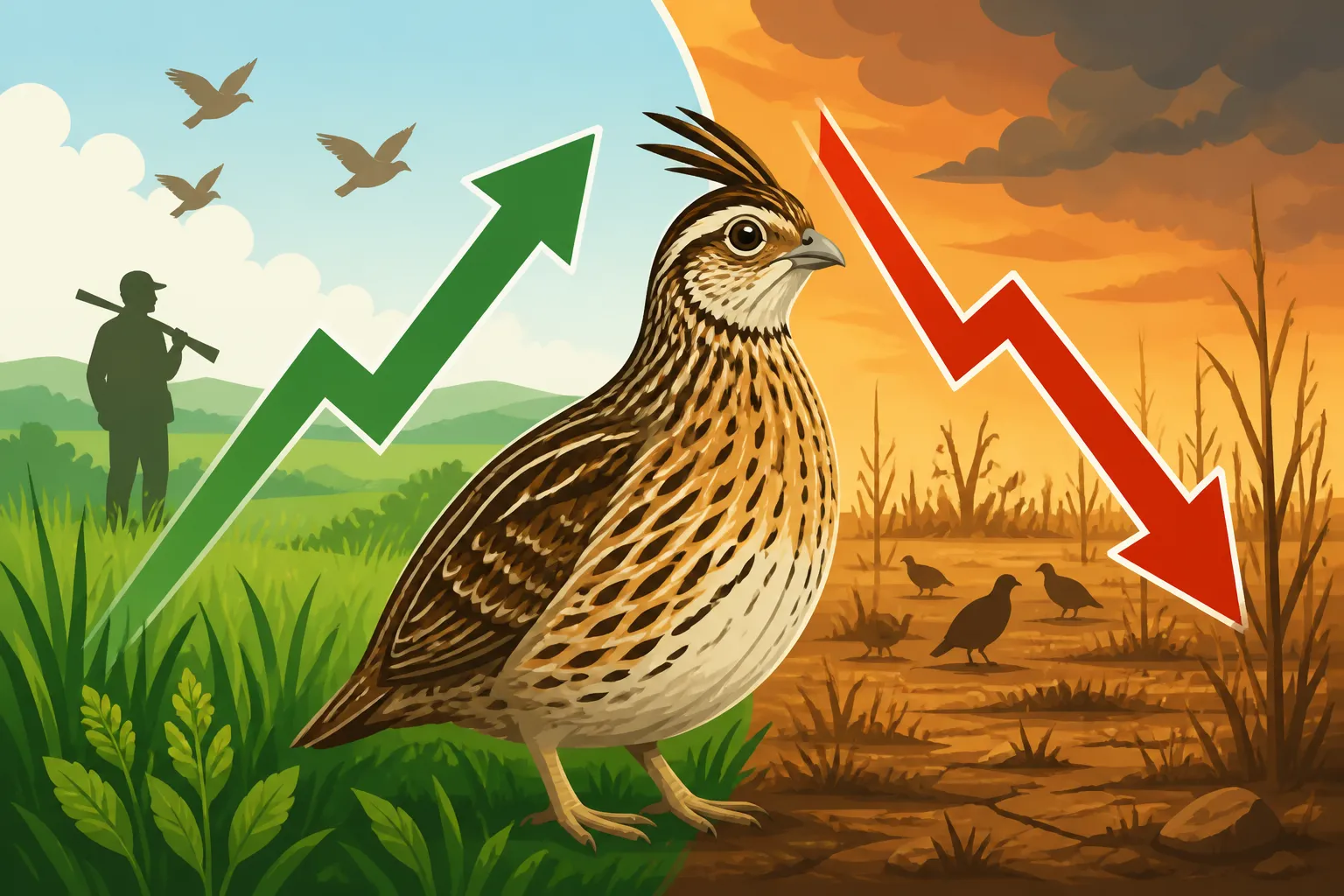
Why Sharptail Numbers Rise and Fall
If you've spent any time chasing sharp-tailed grouse across Saskatchewan's rolling prairie or aspen parkland, you've probably noticed that some years feel absolutely bumper with birds, while others leave you wondering where all the "chickens" have gone. It's a common frustration, and one that speaks to the cyclical and often mysterious nature of wildlife populations. This guide dives deep into the ecological dance behind why sharp-tailed grouse numbers in Saskatchewan experience such noticeable highs and lows, helping you understand the forces at play and what it means for your time afield.
Understanding Sharp-Tailed Grouse Ecology in Saskatchewan
Before we can truly grasp why sharp-tailed grouse numbers fluctuate, we need to understand the fundamental aspects of their lives here on the prairies. These birds aren't just random targets; they have very specific needs and behaviours that dictate their survival and reproductive success.
Habitat Needs and Preferences
Sharp-tailed grouse, often affectionately called "sharptails" or "chickens" by local hunters, are creatures of the open grassland and light brush. In Saskatchewan, this means you'll find them primarily in the native prairie habitats of the south, extending into the aspen parkland belt, and even along the edges of the northern forest fringe. They thrive where there's a mosaic of tall grass for nesting cover, shorter grass for foraging, and scattered shrubs or small bluffs for roosting and protection from predators. Think of a classic quarter section that hasn't been broken for cultivation – that's prime sharptail country. These birds really need that intact, diverse grassland for every stage of their life cycle, from nesting in the spring to finding refuge from winter storms.
Their ideal habitat isn't just about what's above ground. The quality of the soil, the types of grasses, and the availability of diverse plant life that supports insects are all crucial. A healthy ecosystem provides not only cover but also a rich buffet of food sources that keeps the birds healthy and resilient. Without this specific mix, even a small disturbance can have a ripple effect on local populations. It's why preserving these native grasslands is so incredibly important, not just for sharptails, but for a whole host of other prairie species. When you're out Walking Up Sharp-Tailed Grouse in Saskatchewan, you're often walking through some of the most ecologically significant land in the province.
Breeding Cycles and Lek Behavior
One of the most fascinating and critical aspects of sharptail ecology is their unique breeding ritual, known as "lekking." Every spring, usually starting in late March or early April as the snow recedes, male sharp-tailed grouse gather at traditional open grounds called leks or dancing grounds. Here, they perform elaborate courtship displays, stomping their feet, rattling their tail feathers, and cooing, all in an effort to attract females. These leks are vital communal breeding sites, often used year after year. The number of males actively displaying on a lek is a rough but useful indicator of the local population health.
The success of these leks directly impacts the number of chicks hatched each summer. Factors like weather during the lekking period can disrupt breeding – a sudden blizzard or prolonged cold snap can reduce male activity and female attendance. More critically, the availability of secure nesting cover near the lek is paramount. Hens will nest in tall, dense grass within a few kilometres of the lek. If that nesting cover is poor, or if nests are easily discovered by predators, chick survival plummets, and so do the numbers for the following year. This is why a strong spring can set the stage for a great fall hunt, and a poor spring can mean a lean year.
Diet and Foraging Habits
Sharp-tailed grouse are generalist feeders, adapting their diet through the seasons. In spring and summer, their diet is rich in insects, which are crucial for protein needed by laying hens and growing chicks. Young chicks, in particular, rely heavily on insects for rapid development. As the season progresses into fall and winter, their diet shifts to more plant-based foods, including seeds, grains (especially in agricultural areas), buds, catkins, and berries. They're particularly fond of rose hips, buffalo berries, and the waste grain found in stubble fields.
The availability and quality of these food sources play a significant role in their overall health and ability to survive harsh winters. A drought year, for instance, can reduce insect populations and shrivel seed-producing plants, leaving birds weaker going into winter. Conversely, a mild, productive summer with ample rainfall can provide an abundance of food, leading to healthier birds and potentially more successful breeding the following spring. Their ability to switch between insect and plant matter is a strength, but a severe shortage of either, particularly insects for chicks, can be devastating to recruitment. This adaptability is part of what allows them to thrive in varied habitats, from native prairie to areas bordering grain land, a common sight when Hunting Hungarian Partridge on Saskatchewan Farms.
Key Factors Driving Population Fluctuations
Sharp-tailed grouse populations are never static. They swing like a pendulum, influenced by a complex web of environmental pressures and ecological interactions. Understanding these key factors is central to comprehending their boom and bust cycles.
Weather and Climate Impacts
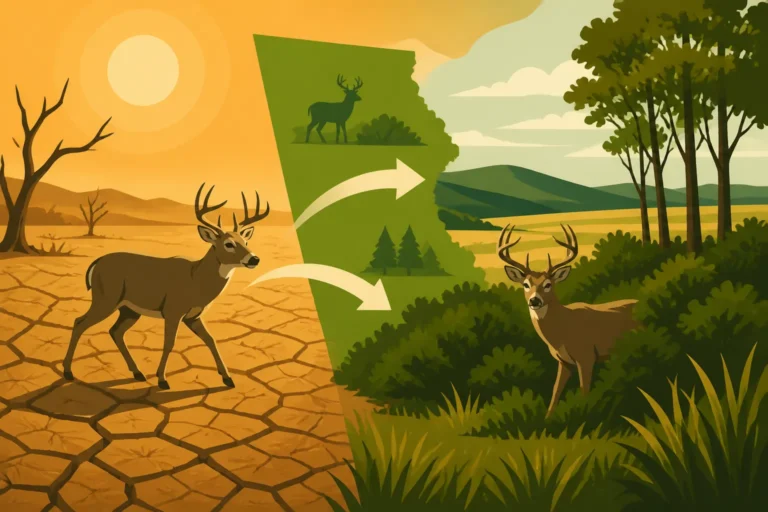
Saskatchewan's weather is famously volatile, and these dramatic shifts have a profound impact on sharptail numbers. Mild winters with less snow can mean higher overwinter survival rates, as birds expend less energy finding food and staying warm. Conversely, severe winters with deep, crusted snow can lead to starvation and increased predation as birds struggle to access food. The spring nesting season is equally critical. A cold, wet spring can result in high chick mortality due to exposure, chilling, and a reduction in insect availability, which is the primary food source for young grouse. Prolonged periods of drought can also decimate insect populations and reduce the vigor of vegetation, leading to poorer quality habitat and reduced chick survival.
Think back to a year with a late, cold spring, followed by heavy rains. That's a recipe for poor chick survival. Many young birds simply won't make it, and the recruitment into the fall population will be low. Conversely, a warm, relatively dry spring and summer, with just enough moisture to keep vegetation healthy and insects buzzing, often precedes a fantastic hunting season. These weather patterns are the single biggest short-term driver of local population changes, often causing those noticeable "up" and "down" years that hunters experience directly.
Habitat Loss and Degradation
While weather causes short-term swings, long-term trends in sharptail populations are often dictated by habitat. Saskatchewan has seen significant changes to its landscape over the decades, primarily driven by agricultural expansion. The conversion of native prairie to cropland removes vital nesting, brooding, and wintering cover. Even seemingly minor alterations, like breaking a bluff between two fields or draining a pothole, can fragment essential habitat, isolating populations and making them more vulnerable.
Degradation of remaining habitat is also a major concern. Overgrazing by livestock can reduce the height and density of grass needed for nesting and escape cover. The indiscriminate use of pesticides can drastically reduce insect populations, starving young chicks. Fire, while a natural part of prairie ecosystems, can also be detrimental if not managed correctly, especially if it burns critical winter cover. Healthy, intact grassland is the bedrock of sharptail survival, and its continued loss or decline poses the greatest existential threat to stable populations. Tools like those found on Scouting With Satellite Imagery in Saskatchewan can help hunters identify remaining pockets of prime habitat.
Predator-Prey Dynamics
Sharp-tailed grouse are a prey species, and their populations are naturally kept in check by a variety of predators. Everything from coyotes, foxes, and badgers to various hawks and owls prey on grouse eggs, chicks, and adult birds. The relationship between predator and prey is dynamic and cyclical itself. When grouse numbers are high, predator populations might also see an increase, as there's more food available. Eventually, increased predation can contribute to a decline in grouse numbers, which in turn might lead to a decline in predator numbers, allowing the grouse to recover.
However, human activity can sometimes disrupt this natural balance. For example, habitat fragmentation can concentrate grouse in smaller areas, making them easier targets for predators. Conversely, in some localized areas, intensive predator control might temporarily boost grouse numbers, but this is rarely a sustainable or widely applicable solution. The overall health of the ecosystem and the availability of diverse cover are usually more important than managing specific predator numbers. For hunters, understanding this dynamic can influence scouting strategies, especially when Reading Sign After Fresh Saskatchewan Snow.
Disease and Parasites
While less commonly discussed than habitat or weather, disease and parasites can also play a role in sharp-tailed grouse population fluctuations, particularly in localized areas or during specific environmental conditions. Birds, like any wildlife, can be susceptible to various bacterial, viral, and parasitic infections. While widespread epidemics are not frequently reported for sharptails, a population already stressed by poor habitat or harsh weather can be more vulnerable to the impacts of disease.
For instance, outbreaks of avian pox or other respiratory illnesses could weaken birds, making them more susceptible to predation or less able to cope with cold snaps. Heavy parasite loads, such as mites or internal worms, might not directly kill birds but can reduce their overall fitness, making them less successful at breeding or less resilient during tough times. While hunters won't typically see this effect directly on a large scale, it's another underlying factor that contributes to the mysterious ebb and flow of wild bird numbers. Always practice good meat care, especially in regions that require CWD testing for deer, though sharps aren't typically a concern in that regard.
Human Influence and Management Strategies
Humans aren't just passive observers of sharptail populations; our actions, both intentional and unintentional, have a significant impact. Understanding these influences is key to effective conservation and sustainable hunting.
Hunting Pressure and Regulations
In Saskatchewan, hunting is a long-standing tradition, and sharp-tailed grouse are a popular upland target. However, hunting pressure is generally not a primary driver of overall population declines for sharptails. Regulations on bag limits, season lengths, and shooting hours are carefully set by wildlife managers to ensure sustainable harvest. These regulations are designed to allow hunters to enjoy the resource without negatively impacting the breeding stock for the following year. Studies have consistently shown that upland bird populations are more influenced by habitat quality and weather than by typical hunting pressure, as long as seasons and limits are responsibly managed.
For example, if a severe winter or a cold, wet spring results in low chick survival, wildlife managers might adjust bag limits or shorten seasons to err on the side of caution. Conversely, a bumper year might see more liberal limits. Responsible hunters understand their role is to participate in a sustainable harvest, not to deplete populations. They also play a crucial role in reporting observations of bird numbers, which helps wildlife agencies fine-tune their management strategies. Upland Bird Hunting in Saskatchewan remains a sustainable activity thanks to these considerations.
Conservation Efforts and Land Use
Conservation efforts are absolutely vital for maintaining and, ideally, increasing sharp-tailed grouse populations. Much of this work revolves around habitat protection and restoration. Organizations and government programs focus on preserving native grasslands, establishing habitat enhancement projects (like planting diverse grasses or shrubs), and working with landowners to implement sustainable grazing practices. Programs that incentivize maintaining natural cover rather than converting it to cropland are incredibly important.
The Saskatchewan Wildlife Federation, for example, often works on projects to secure and enhance habitat across the province. Individual landowners, too, can make a huge difference by managing their land with wildlife in mind, leaving cover crops, or delaying haying until after nesting season. These local, boots-on-the-ground efforts compound to create larger, more resilient landscapes for sharptails. Without dedicated conservation, the long-term trend for these birds would likely be a steady decline due to ongoing habitat changes.
Monitoring and Data Collection
Accurate data is the backbone of effective wildlife management. Wildlife agencies in Saskatchewan employ various methods to monitor sharp-tailed grouse populations. This includes breeding bird surveys, which often involve counting males on leks in the spring. Roadside counts, hunter harvest surveys, and wing envelope submissions also provide valuable data on population trends, chick production, and age ratios in the harvested birds. This information helps managers understand how populations are responding to environmental factors and current regulations, allowing them to make informed decisions for future seasons.
As a hunter, your role in data collection can be important. Reporting your harvest, participating in surveys, and even using hunting apps like GoHunt to log your observations (location, number of birds flushed, age class) can contribute to a larger understanding. While GoHunt is primarily a scouting tool, the aggregated data from many users, combined with official surveys, paints a more complete picture. The more information collected, the better the decisions can be to ensure healthy sharptail populations for generations to come.
Predicting and Adapting to Population Swings
Given that sharptail numbers are always fluctuating, how can a dedicated hunter make the most of each season? It’s all about becoming a student of the landscape and adapting your approach.
Reading the Landscape for Grouse Sign
Experienced sharptail hunters develop a keen eye for "grouse sign" and understand what makes good habitat. This isn't just about looking for birds; it's about interpreting the landscape. Are there areas of tall, dense grass that offer good nesting cover? Are there chokecherry or rose bushes for winter food and escape? Do you see dusting bowls or feathers in open, sandy spots? Observing the presence of certain plant species, the type of grass, and the general health of the ecosystem can tell you a lot. After a long, dry summer, you might focus your efforts near persistent water sources or areas with more resilient vegetation. After a wet one, birds might be more spread out.
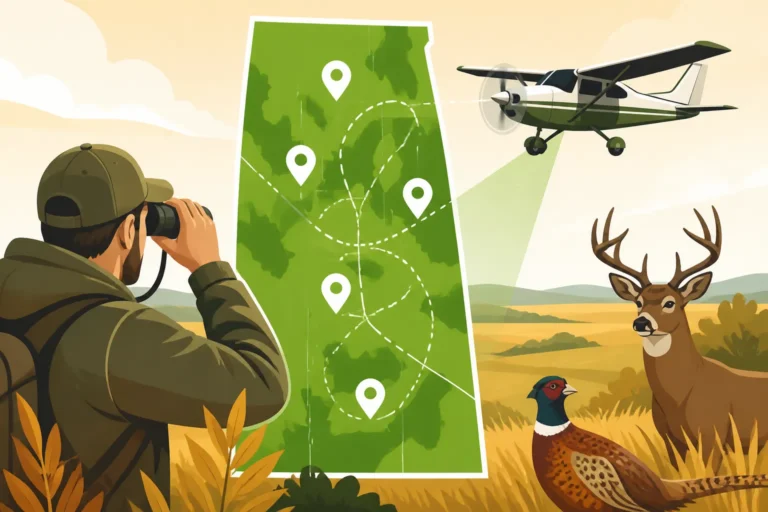
Understanding the subtle cues of the prairie is an ongoing process. Use satellite imagery on platforms like GoHunt to identify potential habitat before you ever set foot in the field, then verify these spots on the ground. Look for the edges where different habitat types meet – a shelterbelt bordering a stubble field, a brushy coulee running into open prairie, or the transition zone within Hunting Saskatchewan's Aspen Parkland. These transition zones are often hotspots.
Scouting and Seasonal Adjustments
Effective scouting is paramount for success with sharp-tailed grouse, especially in years when numbers might be down. It’s not enough to rely on last year’s hotspot. You need to actively scout through the late summer and early fall to identify current bird concentrations. This might involve driving grid roads, walking field edges, or using optics to scan open areas for movement. Pay attention to areas that have good food sources – recently harvested grain fields, patches of berries, or areas with abundant insects after a good rain.
If you find that chick production was low, indicating a down year, you might need to hunt more widely or focus on finding pockets where birds are concentrated rather than expecting them to be everywhere. Conversely, in a strong year, you might find birds almost anywhere there's decent cover. Always be ready to adjust your strategy. If your pointing dog isn't finding birds in one area, don't be afraid to move to a completely different type of cover or another zone altogether. Hunting the December Late Season Cold will require different tactics than an early season hunt.
Hunter Adaptations for Variable Seasons
The truly adaptable sharp-tailed grouse hunter understands that every season presents its own challenges and opportunities. In "down" years, success might mean working harder, covering more ground, and celebrating every flush. It might also mean bringing a well-trained dog, as a good pointing or flushing dog can make all the difference in locating birds that are spread out. When Using a Pointing Dog on Saskatchewan Prairie, their ability to pinpoint birds is invaluable. Focus on the quality of the experience, the dog work, and the beauty of the landscape, rather than solely on the bag.
In "up" years, while birds might seem more abundant, ethical hunting practices are still key. Respect bag limits, hunt safely, and ensure you're harvesting birds responsibly. Always be prepared for varying weather conditions, and be sure to check regulations for the specific Wildlife Management Zone you're hunting in. Tools and resources, including mapping applications like GoHunt, can help you keep track of areas you've covered, mark bird locations, and plan your routes efficiently, regardless of whether it's a boom or bust year for sharptails.
Here's a quick look at the major factors influencing sharp-tailed grouse populations:
| Factor | Impact on Population | Short-Term / Long-Term |
|---|---|---|
| Weather | Direct impact on survival & breeding | Short-Term |
| Habitat Quality | Foundation for survival & breeding | Long-Term |
| Predation | Natural control, can intensify | Short-Term / Cyclical |
| Food Availability | Health, survival, and breeding success | Short-Term |
| Disease | Localized impact, weakens birds | Short-Term / Acute |
| Human Land Use | Habitat loss/fragmentation | Long-Term |
| Hunting Pressure | Minor if regulated; sustainable | Managed |
| Conservation | Habitat protection/enhancement | Long-Term |
Disclaimer
This article is for general informational purposes only and does not constitute professional advice. Laws, prices and regulations vary by location and change over time. Consult a qualified professional for guidance on your specific situation.