Saskatchewan’s CWD Positive Numbers
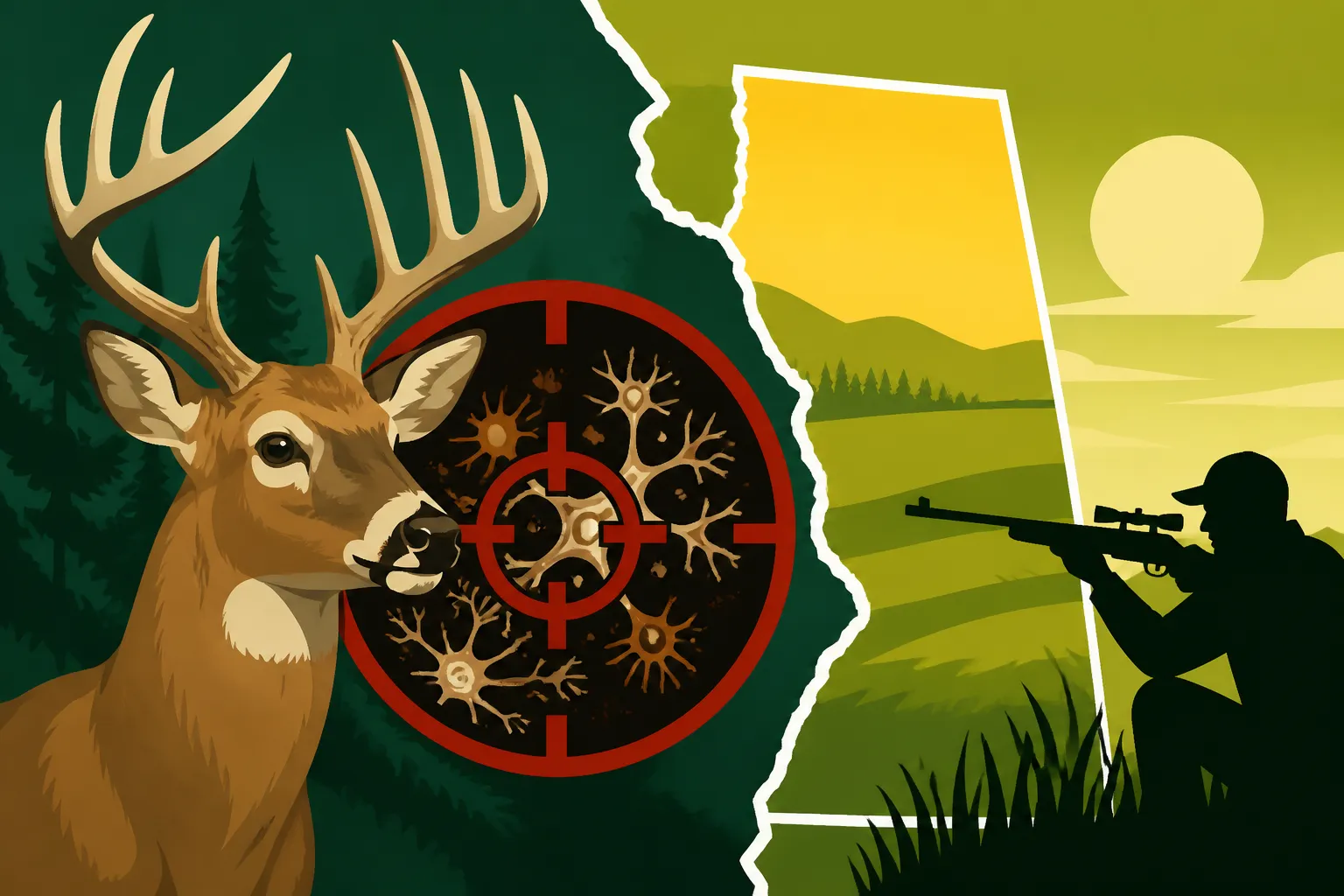
It's an unfortunate truth that when you're deeply invested in the tradition and future of hunting in Saskatchewan, topics like Chronic Wasting Disease (CWD) weigh heavily on your mind. You hear the whispers, you see the signs at drop-off points, and you might even worry about the health of the deer, elk, and moose you cherish pursuing. It’s natural to feel a bit overwhelmed or confused by the sheer volume of information out there, and to wonder what the "real" picture looks like in terms of how many animals are actually testing positive for CWD. This guide aims to pull back the curtain on Saskatchewan's CWD positive numbers, exploring how these figures are derived, what they mean for our wildlife, and what role you, as a responsible hunter, play in understanding and addressing this challenge.
Understanding CWD in Saskatchewan's Wildlife
Chronic Wasting Disease is one of those topics that can feel a bit abstract until you start really digging into what it means for the animals we hunt. It's not a common cold; it's a serious neurological disease that poses a significant threat to cervid populations, which include our beloved white-tailed deer, mule deer, elk, and moose. Understanding its nature is the first step in appreciating why tracking its positive numbers is so crucial.
What is Chronic Wasting Disease?
At its core, CWD is a progressive, fatal neurological disease that affects members of the cervid family. It's caused by abnormal proteins called prions. These aren't bacteria or viruses; they're misfolded proteins that cause normal proteins in the brain to also misfold, leading to irreparable damage. Think of it like a chain reaction, slowly but surely eating away at the animal's brain tissue. The disease can incubate for a long time—sometimes years—before an animal shows any outward symptoms. During this incubation period, the animal might look perfectly healthy, which makes detection challenging without proper testing. Once symptoms do appear, they can include drastic weight loss (hence "wasting"), stumbling, tremors, listlessness, excessive drooling, and a vacant stare. These symptoms are heartbreaking to witness, and they invariably lead to the animal's death. This isn't just a concern for the individual animal; it's a concern for the entire herd, as CWD has no known cure or vaccine.
How CWD Spreads Among Saskatchewan's Herds
The insidious nature of CWD lies not just in its fatality, but in its ability to spread. The primary mode of transmission is through direct animal-to-animal contact. This could be through saliva, urine, or feces. Imagine a deer in a densely populated area, interacting with many others at a feeding site or a watering hole. Each interaction could potentially be a vector for transmission if one animal is infected.
Beyond direct contact, CWD prions are remarkably persistent in the environment. They can contaminate soil, plants, and water sources for years, even decades, after an infected animal has passed through or died. This means that an area where CWD has been present can remain a source of infection long after the initial carrier is gone. A new deer, elk, or moose moving into that territory could inadvertently pick up prions from the contaminated environment. This environmental persistence makes containment extremely difficult. Furthermore, the natural movement of cervids, especially during breeding seasons or in search of new forage, can inadvertently carry the disease into new areas, slowly expanding its footprint across the province. This is why understanding the geographic spread, which we'll delve into later, is so vital for wildlife managers and hunters alike.
Saskatchewan's CWD Surveillance and Testing Efforts
Knowing what CWD is and how it spreads is one thing, but actually tracking its presence and understanding its prevalence across a vast province like Saskatchewan requires a concerted effort. This isn't a task for wildlife officials alone; it's a collaborative undertaking where hunters play an absolutely critical role.
The Importance of Hunter Participation
When it comes to tracking CWD, hunters are truly on the front lines. The vast majority of samples collected for CWD surveillance come directly from harvested animals submitted by hunters. Without this widespread participation, wildlife agencies would have a much harder time getting a clear picture of where the disease is, how common it is, and whether its prevalence is increasing or decreasing in specific areas. It’s not just about compliance with regulations; it’s about stewardship and contributing to the health of the resource we all cherish.
Some zones in Saskatchewan have mandatory CWD testing requirements, especially those areas where the disease is known to be established or is newly detected. But even in zones where it’s voluntary, every hunter who submits a sample provides invaluable data. Imagine heading out for a hunt, bagging a beautiful whitetail, and then taking the time to submit its head for testing. You might not think your single sample makes a huge difference, but multiply that by thousands of hunters doing the same, and suddenly you have a robust dataset that informs provincial wildlife management decisions. This collective effort allows biologists to chart the course of the disease, understand its impact, and formulate strategies. If you’re hunting in a mandatory zone, familiarizing yourself with Saskatchewan's CWD Testing Rules and the specific Mandatory CWD Testing Zones is essential, but even outside these areas, voluntary submission is a powerful way to contribute.
Tracking Positive Numbers: How Data Is Collected
So, you've harvested an animal and decided to submit a sample. What happens next? The process is quite streamlined, though it involves careful steps to ensure accurate data. Typically, hunters are asked to submit the head of the harvested cervid at a designated drop-off location. These locations, often freezers at conservation offices or local businesses, are spread across the province to make it as convenient as possible. Once collected, these heads are sent to a specialized laboratory for analysis.
At the lab, specific tissues (usually from the brain stem and lymph nodes) are collected and tested for the presence of CWD prions. This is a scientific, methodical process. If a sample tests positive, the hunter is usually notified directly. All this information—the species, the location of harvest (Wildlife Management Zone), and the test result—is meticulously recorded. This data forms the backbone of Saskatchewan's CWD surveillance program. By aggregating these results over time, wildlife managers can identify patterns, such as areas with increasing CWD prevalence, or zones where it appears to be stable or even receding. This information allows for targeted management efforts, such as specific hunting regulations in affected areas, or public awareness campaigns. Knowing Where to Drop a Head for CWD Testing and understanding the process of Getting Your Saskatchewan CWD Result are key pieces of information for any hunter committed to this process.
Analyzing Saskatchewan's CWD Positive Numbers and Trends
Understanding the mechanics of CWD and how samples are collected leads us to the heart of the matter: what do Saskatchewan's CWD positive numbers actually tell us? It's not just a tally; it's a dynamic picture that reveals the disease's spread and its particular impact on different species and regions.
Geographic Distribution of CWD Positives
CWD didn't just pop up everywhere in Saskatchewan at once. It initially emerged and established itself in certain regions, primarily in the southwestern part of the province, before gradually expanding its reach. When we look at the positive numbers, we see a clear pattern: some Wildlife Management Zones (WMZs) consistently show higher prevalence rates than others. These tend to be areas where the disease has been present for a longer time, allowing prions to accumulate in the environment and affect more animals over generations. For example, some WMZs in the south and west may report a greater proportion of positive cases among submitted samples compared to zones further north or east.
However, the trend isn't static. Over time, CWD has been detected in new zones, slowly pushing its boundaries. This isn't always a dramatic jump, but rather a gradual spread as infected animals move, or as contaminated environments pose a risk to new arrivals. Tools that offer detailed mapping, like GoHunt, can be incredibly useful for hunters to visualize the boundaries of these zones and understand their relative proximity to areas with higher CWD prevalence. By watching the reports, you can see How CWD Spread Across Saskatchewan Zones has shifted over the years, giving you a better understanding of the risk in your favourite hunting spots. This geographical analysis helps target surveillance efforts and informs decisions about localized hunting regulations or carcass disposal guidelines. Understanding which Saskatchewan zones test positive most can influence where you choose to hunt or at least increase your vigilance for CWD testing.
Species Affected and Prevalence Rates
While CWD can affect all cervids, not all species are impacted equally, nor do they exhibit the same prevalence rates in Saskatchewan. Historically, white-tailed deer and mule deer have shown the highest rates of CWD infection in the province. This could be attributed to several factors, including their population densities, social behaviours that facilitate direct contact, and how they utilize habitats. Mule deer, for instance, often congregate in coulees during winter, potentially increasing opportunities for disease transmission. White-tailed deer are highly adaptable and abundant, living in close proximity to each other across vast areas.
Elk and moose can also contract CWD, but their observed prevalence rates have generally been lower than those for deer. This isn't to say they are immune or not a concern, but the spread within their populations appears to be different. The continued surveillance of all cervid species is essential to monitor these trends. When looking at Saskatchewan's CWD Positive Numbers, it’s often broken down by species, which helps biologists understand specific disease dynamics. For hunters, knowing which species are most affected in your target WMZ can influence your decisions, from testing habits to considering the overall health of the herd. The long-term impact of CWD on these populations is still being studied, but it’s clear that a high prevalence can lead to reduced herd health and even population declines in heavily impacted areas, changing What CWD Has Done to Saskatchewan Deer over time.
Here's a generalized look at CWD risk levels across Saskatchewan's ecological zones, based on historical observations:
| Ecological Zone | Primary Cervid Species | General CWD Risk Level | Notes |
|---|---|---|---|
| Southern Prairie | Mule Deer, White-tailed Deer, Pronghorn | Higher | Earliest detection, persistent environmental contamination. |
| Aspen Parkland | White-tailed Deer, Mule Deer, Elk | Moderate to High | Significant deer populations, disease spread from south. |
| Forest Fringe | White-tailed Deer, Moose, Elk, Mule Deer | Moderate | Mixed habitat, CWD spreading into these areas. |
| Boreal North | Moose, White-tailed Deer, Caribou (non-hunt) | Lower but increasing | Historically less prevalent, but cases are appearing more frequently. |
This table provides a general overview based on historical trends; specific risks can vary by WMZ and year.
Implications for Hunters and Wildlife Management
The statistics and trends surrounding Saskatchewan's CWD positive numbers aren't just academic figures; they have very real, practical implications for hunters and for how wildlife is managed in the province. As hunters, being informed and responsible is our greatest defense and our most powerful tool for mitigation.
Hunter Responsibilities and Meat Safety
One of the most immediate and critical implications for hunters is ensuring the safety of the meat they harvest. The consensus among health authorities is that CWD-positive meat should not be consumed by humans. While there's no direct evidence of CWD jumping to humans, the recommendation is based on the precautionary principle, similar to Creutzfeldt-Jakob disease. This is why testing is so important, especially in zones with known CWD presence. If your animal tests positive, the guidance is clear: do not consume the meat. Understanding What to Do With a Positive Result is crucial.
Beyond consumption, how you handle a carcass, especially in areas with CWD, matters a great deal. Responsible carcass disposal is vital to prevent further environmental contamination. This means avoiding simply leaving high-risk tissues (brain, spinal cord, spleen, lymph nodes) in the field where other cervids could encounter them. Regulations exist regarding Moving a Carcass Between Zones to prevent the spread of prions. Typically, you're advised to de-bone meat and leave the skull plate (for antlers) clean before transporting out of certain high-risk zones. Always consult the current hunting guide for specific regulations in your area. As hunters, we have a responsibility to not only harvest ethically but also to handle and dispose of our game in a way that protects the broader wildlife population and public health. This proactive approach supports the principle of Whether CWD Meat Is Safe to Eat.
Future Outlook and Management Strategies
The fight against CWD is a long-term commitment, not a quick fix. There is currently no vaccine or cure for CWD, meaning management strategies focus primarily on slowing its spread, monitoring its prevalence, and mitigating its impact on herd health. This involves ongoing surveillance, research into disease dynamics, and adaptive management practices. Hunter-submitted samples remain the cornerstone of this effort, providing the data needed to make informed decisions. GoHunt, with its robust mapping capabilities, can be a great resource for hunters planning their outings, allowing them to cross-reference their desired hunting zones with CWD testing requirements and known prevalence areas before they even leave home. This type of preparation, combined with tools for Scouting With Satellite Imagery in Saskatchewan, ensures hunters are informed about the landscape.
For wildlife agencies, the challenge is immense. They rely on hunter compliance with testing requirements, proper carcass disposal, and reporting of sick animals. The future outlook involves continued vigilance, public education, and collaboration between hunters, landowners, and scientists. This collective stewardship is essential to maintaining healthy cervid populations in Saskatchewan for generations to come. The goal isn't necessarily eradication, which is largely considered impossible given the nature of prions, but rather containment and management to keep prevalence rates at levels that minimize ecological and recreational impacts. Staying informed about Saskatchewan's CWD Testing Rules and new developments is a continuous part of being a responsible hunter in the province.
Disclaimer
This article is for general informational purposes only and does not constitute professional advice. Laws, prices and regulations vary by location and change over time. Consult a qualified professional for guidance on your specific situation.