Saskatchewan’s Fish and Wildlife Development Fund Lands
For many hunters, the biggest headache in Saskatchewan isn't the cold or the distance, but simply figuring out where you can actually hunt. With so much of the province being private land, navigating access can be a real challenge. Thankfully, Saskatchewan's Fish and Wildlife Development Fund (FWDF) Lands offer a solution, providing crucial public access and managed habitat for all of us who cherish the hunt. This guide will walk you through what these lands are, how to find them, and how to make the most of your hunting opportunities on these vital public parcels.
What Are Saskatchewan's FWDF Lands?
Imagine a fund built by hunters, for wildlife, and for future generations of hunters. That's essentially what the Fish and Wildlife Development Fund (FWDF) represents in Saskatchewan. These aren't just random pieces of public land; they are specific properties acquired or leased with money from hunting and fishing licence sales, dedicated to enhancing habitat and providing public access. For decades, hunters purchasing a Saskatchewan Hunting Licences and What They Cost have contributed directly to this pool, creating a remarkable legacy of conservation and opportunity across the province.
These lands are a direct investment in Saskatchewan's natural heritage, often targeting areas critical for wildlife populations or those that can offer unique recreational experiences. They range from small, isolated pockets of bush and wetlands to larger tracts that encompass diverse ecosystems. The key is that they are managed explicitly for fish and wildlife, meaning careful planning goes into their upkeep to ensure they remain productive and accessible. Understanding their origin helps appreciate their value and the responsibility we have as users.
The very existence of FWDF lands showcases a powerful partnership between hunters, the provincial government, and conservation organizations. Every dollar spent on a licence contributes to this fund, which in turn fuels projects like land acquisition, habitat restoration, and improving public access. It's a self-sustaining model that directly benefits the resource we all enjoy. This system ensures that as hunting continues, so does the investment in the land that supports it, securing hunting opportunities for generations to come.
A Legacy of Conservation
The Fish and Wildlife Development Fund isn't just a government program; it's a testament to the long-term vision of conservationists and hunters in Saskatchewan. The fund originated from the understanding that habitat loss and fragmentation were (and still are) major threats to wildlife. By dedicating a portion of hunting and fishing licence fees, a consistent source of funding was established, allowing for strategic land purchases and leases. This proactive approach ensures that critical areas for deer, moose, elk, waterfowl, and upland birds are protected and often enhanced.
Think about it: every time you buy your annual licence, a portion of that fee goes directly into this fund. It’s not just revenue; it's an investment in tangible pieces of land where wildlife can thrive and where you, as a licence holder, have the right to hunt. This direct link between user fees and on-the-ground conservation projects is something hunters should be incredibly proud of. It illustrates how our passion directly contributes to the health of Saskatchewan's ecosystems.
This ongoing commitment means that FWDF lands are not static. They are dynamic areas, often subject to habitat enhancement projects such as tree planting, wetland restoration, or native grassland reseeding. These efforts aren't just about making the land look nice; they're designed to provide better cover, forage, and breeding grounds for various game species. It's a living legacy, constantly evolving to meet the needs of wildlife and the hunting community.
Types of FWDF Properties
FWDF properties are incredibly diverse, reflecting the varied landscapes of Saskatchewan. You might encounter anything from sprawling tracts of native prairie grassland crucial for species like mule deer and pronghorn, to dense boreal forest blocks providing cover for moose and black bears. In the aspen parkland zone, you could find mixed forest and wetland complexes that are ideal for whitetails and waterfowl. The beauty of these lands lies in their variety, offering different hunting experiences across the province.
Many FWDF sites are strategically located to protect vital wetlands, providing nesting and staging areas for ducks and geese, as well as crucial habitat for other wetland-dependent species. Others might focus on maintaining pristine forest cover, creating corridors for larger game to move between different areas. Some properties are specifically acquired to provide hunter access to otherwise landlocked Crown land or to create public hunting opportunities in areas dominated by private farms. Each parcel has a unique ecological profile and conservation goal.
It’s important to remember that these lands are managed. This isn't just raw wilderness in all cases. Some FWDF properties may have designated parking areas, walking trails, or even signs indicating specific rules. Others might be entirely unimproved, simply offering an open door to a piece of habitat. Before you go, it's always wise to research the specific property you plan to visit, as their characteristics can vary widely, much like the general landscape across Saskatchewan's Wildlife Management Zones.
Locating and Identifying FWDF Lands
Finding FWDF lands can feel like a bit of a treasure hunt if you don't know where to start. With so much private land in Saskatchewan, it's absolutely crucial to correctly identify public access areas before you even think about stepping onto the property. Thankfully, modern technology and provincial resources have made this process much simpler than it used to be, allowing hunters to confidently plan their excursions without fear of trespassing.
The key is to use reliable mapping tools and official government information. Gone are the days of relying solely on paper maps with vague markings. Today, hunters have powerful digital resources at their fingertips that can display land ownership boundaries with impressive accuracy. This means you can pinpoint FWDF parcels, understand their boundaries, and see how they relate to surrounding private or other public lands. Taking the time to properly identify these areas is the first and most critical step in accessing them.
It's not just about knowing where they are, but also understanding the context. Is it a small isolated parcel, or part of a larger network of public lands? Does it border private agricultural fields, or is it deep in the bush? These details impact your hunting strategy and how you approach the property. Being well-informed about the specific FWDF parcel you intend to hunt will give you a significant advantage and help ensure a responsible and successful outing.
Using Digital Mapping Tools
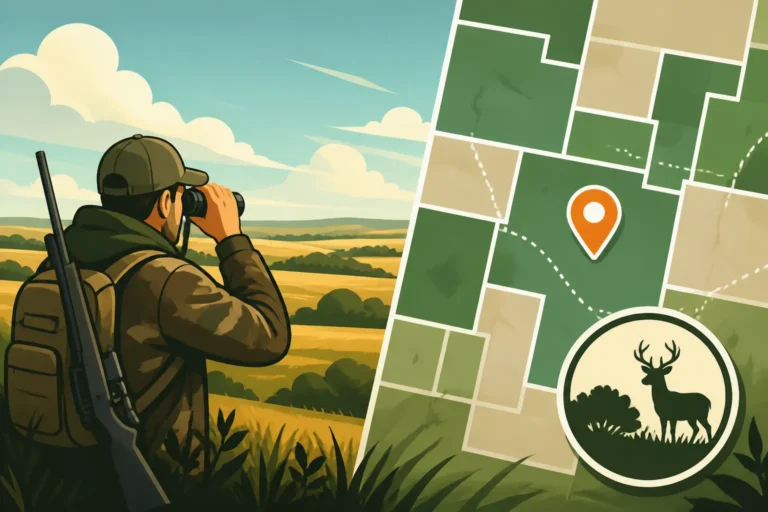
In today’s hunting world, digital mapping applications are indispensable, and they are particularly useful for locating FWDF lands. Tools like onX Hunt and GoHunt have revolutionized how hunters scout and navigate unfamiliar territory. These apps typically feature layers that clearly delineate public and private land boundaries, making it incredibly easy to see where FWDF properties are located within Saskatchewan's vast landscape. You can literally zoom in on your phone or computer and instantly identify these valuable hunting areas.
When using an app like onX Hunt, for example, you'll find different color overlays for various types of public land. FWDF parcels will often be clearly marked, allowing you to visually distinguish them from provincial parks, Crown land, or private holdings. This visual clarity is game-changing, especially when you're trying to find smaller, less obvious parcels that might be tucked away or surrounded by private fields. Reading Saskatchewan Crown Land Layers on onX is a skill every modern hunter should develop.
Beyond just identifying the boundaries, these apps often provide topographic maps, satellite imagery, and even information on land features like water bodies, roads, and trails. This allows you to conduct thorough e-scouting from home, identifying potential access points, likely game travel corridors, and bedding areas on FWDF lands before you even set foot in the field. GoHunt also offers similar functionality, helping you to strategize your approach and plan your routes, ensuring you make the most of your time on these important conservation areas.
Official Government Resources
While digital apps are fantastic, it's always a good idea to cross-reference with official provincial resources. The Saskatchewan Ministry of Environment, through its various programs and publications, provides detailed information on FWDF lands. They often publish maps, brochures, or online databases that list these properties, sometimes even providing specific access notes or points of interest. These resources are the ultimate authority on where FWDF lands are and what rules apply.
One of the primary places to look is the provincial hunting and trapping guide, which often contains maps or references to publicly accessible lands. The Ministry's website is also a key resource, where you can search for maps specific to different Saskatchewan's Wildlife Management Zones or even download GIS data if you're technologically inclined. While less user-friendly than a dedicated hunting app, these official sources ensure you have the most accurate and up-to-date information directly from the government.
Checking these official sources can also reveal important nuances that might not be immediately obvious on third-party mapping apps. For instance, there might be temporary closures, specific seasonal restrictions, or additional regulations that apply to a particular FWDF parcel. By consulting these government resources, you ensure you're fully informed and compliant with all provincial hunting regulations, which is paramount for responsible hunting.
Rules and Regulations for Hunting on FWDF Lands
Hunting on FWDF lands comes with the inherent understanding that these are public assets, managed for conservation and public recreation. As such, there are specific rules and regulations that hunters must adhere to, which may sometimes differ from general Crown land rules or private land protocols. It's not enough to just know where the land is; you need to know how to use it responsibly and legally. These rules are in place to protect the habitat, ensure public safety, and maintain good relations with adjacent landowners.
These regulations cover a wide array of activities, from vehicle use to fire restrictions and even ethical considerations for leaving no trace. Understanding these guidelines prevents accidental violations and helps preserve the quality of the hunting experience for everyone. Remember, these lands are sustained by hunter contributions, and our collective behavior directly impacts their future viability and public perception. Being a knowledgeable and compliant hunter is part of being a good steward of the land.
Before heading out, a thorough review of the current provincial hunting guide is essential. While this article provides general information, specific rules can change year-to-year or even vary between different FWDF parcels. Always err on the side of caution and ensure you have a clear understanding of what is and isn't permitted on the specific property you plan to hunt. This due diligence ensures a smooth, enjoyable, and legal hunting trip.
General Access and Usage Guidelines
Access to FWDF lands is generally open to the public for hunting during legal seasons, but it’s not a free-for-all. Vehicle access, for example, is often restricted to designated trails or public roads. Vehicle Rules on Saskatchewan Crown Land often apply here, meaning you cannot simply drive wherever you please. Driving off-road can damage sensitive habitats, create ruts, and disturb wildlife. Always look for signs indicating permissible vehicle use, and if in doubt, park on a legal road allowance and proceed on foot. This approach minimizes your impact and respects the land.
Camping on FWDF lands might also have specific guidelines. While some Crown lands allow dispersed camping, FWDF properties might have more stringent rules to protect sensitive areas or prevent over-use. Always check if Camping Rules on Saskatchewan Crown Land apply, or if specific prohibitions are in place. Fires, litter, and noise are other common concerns. Practicing "Leave No Trace" principles is paramount: pack out everything you pack in, minimize your fire impact (or use a camp stove), and be mindful of other users.
Furthermore, hunters should be aware of any restrictions on permanent structures or long-term installations. Generally, erecting permanent tree stands or blinds is not permitted on public lands without specific authorization. Treestand Rules on Saskatchewan Public Land dictate that stands must be temporary and removed at the end of the season. This prevents abandonment, property disputes, and maintains the natural aesthetic of the land. Always confirm these rules before installing any hunting aids.
Species-Specific Considerations
While FWDF lands are generally open for hunting during their respective seasons, hunters must still adhere to all species-specific regulations. This includes licence requirements, bag limits, shooting hours, and weapon restrictions that apply to the species you are pursuing within the relevant Saskatchewan Big Game Season Dates or Saskatchewan Game Bird Seasons and Limits. FWDF lands do not grant any special exemptions from these overarching provincial rules.
For big game like whitetail deer or moose, the rules regarding tagging, evidence of sex, and carcass transport remain the same as on any other hunting ground. If you’re hunting waterfowl or upland birds on an FWDF wetland or grassland, you’ll need the appropriate federal permits in addition to your provincial licence. Specific rules regarding non-toxic shot for migratory birds will also apply, regardless of whether you're on FWDF land or other private fields.
It’s also worth considering the local context of each FWDF property. A parcel in the boreal forest fringe, for example, might be excellent for Moose Hunting Saskatchewan's Farmland and Forest or Black Bear Hunting in Saskatchewan, while a prairie FWDF section is more likely to hold Mule Deer Hunting Saskatchewan's Prairie or Pronghorn on Saskatchewan's Southwest Grassland. Your hunting strategy and target species should align with the typical habitat and game presence of the specific FWDF area you're exploring. Always ensure your gear and approach are appropriate for the species and environment.
Benefits of Hunting on FWDF Lands
The existence of FWDF lands provides invaluable benefits to Saskatchewan hunters, extending beyond just the legal right to pursue game. These properties represent a tangible commitment to wildlife, ensuring that vital habitats are maintained and improved, which in turn leads to healthier and more abundant game populations. For many, FWDF lands are the cornerstone of their hunting opportunities, providing accessible ground that might otherwise be unavailable in a province with a high proportion of private land.
These areas are often ecological gems, managed to maximize their value for diverse flora and fauna, not just game species. This holistic approach means that while you're pursuing a whitetail, you're also likely to encounter a rich array of other wildlife, from songbirds to furbearers. This enhances the overall outdoor experience, making each trip a true immersion in nature. The benefits truly extend to all aspects of ecological health and recreational opportunity.
Ultimately, FWDF lands are a testament to the power of collective action and dedicated conservation funding. They are a constant reminder that hunter dollars directly contribute to maintaining and growing the very resource we depend on. Without them, the landscape of hunting in Saskatchewan would be significantly diminished, making them a cornerstone of public access and wildlife stewardship.
Accessible Public Hunting Opportunities
One of the most significant advantages of FWDF lands is the guaranteed public hunting access they provide. In Saskatchewan, where vast expanses of prime hunting habitat are privately owned, finding reliable places to hunt can be a continuous struggle. FWDF properties cut through this challenge, offering clear, legal opportunities for resident hunters (and non-residents with an outfitter) to enjoy their sport. This access is crucial for everyone, from seasoned veterans to those new to the sport.
For many hunters who don't have private land connections or who can't afford hunting leases, FWDF lands are their primary option for pursuing big game or birds. These properties often fill critical gaps in public access, allowing hunters to explore diverse landscapes, from the mixed forests of the Hunting Saskatchewan's Aspen Parkland to the rolling hills of the Hunting Saskatchewan's Southern Prairie. They democratize hunting, ensuring that the opportunity is available to all who legally pursue it.
Furthermore, these parcels are often strategically located. Sometimes they are nestled amongst private agricultural lands, providing a necessary patch of cover or a travel corridor for game animals that would otherwise be entirely contained on private property. Other times, they are larger blocks, offering expansive areas for Hunting Saskatchewan's Forest Fringe or Hunting Saskatchewan's Boreal North, allowing for more adventurous, backcountry-style hunts. This diverse placement maximizes accessibility across the province.
Enhanced Habitat and Game Populations
The very purpose of the Fish and Wildlife Development Fund is to improve and protect habitat, and this directly translates to healthier and often more abundant game populations. These aren't just untouched wildlands; they are actively managed areas. This management can include practices like rotational grazing to improve grassland health, strategic timber harvesting to create diverse forest structures, or wetland restoration projects to benefit waterfowl and other aquatic species. Such interventions are designed to create optimal conditions for wildlife.
For instance, an FWDF parcel might have specific areas set aside for dense cover, offering deer and elk vital shelter during harsh winters or safe bedding grounds during hunting season. Other areas might be managed to produce high-quality forage, attracting game and supporting their nutritional needs, which can lead to larger, healthier animals. The overall goal is to create a mosaic of habitats that meet the varied needs of different species throughout the year.
The long-term commitment to habitat enhancement on FWDF lands also plays a critical role in supporting resilient game populations against environmental pressures. For example, well-managed wetlands can buffer the effects of drought, providing crucial water sources for wildlife. Diverse forest stands can offer refuge during severe weather events or provide alternative food sources when others are scarce. This thoughtful management helps sustain the wildlife populations that are the foundation of Saskatchewan's hunting heritage.
Challenges and Etiquette on FWDF Lands
While FWDF lands offer incredible opportunities, they also come with their own set of challenges and responsibilities. As public hunting areas, they can sometimes experience significant hunter pressure, especially during peak seasons. Navigating these situations requires patience, planning, and a strong commitment to ethical behavior. Understanding and respecting both the land and other users is paramount to ensuring a positive experience for everyone and sustaining these valuable resources for the long haul.
The communal nature of public land means that hunter etiquette takes on added importance. A single irresponsible act can reflect poorly on the entire hunting community and potentially jeopardize future access or management decisions. Therefore, being a good ambassador for hunting is not just polite; it's a critical component of conservation. This involves everything from how you park your vehicle to how you interact with fellow hunters you might encounter.
Ultimately, FWDF lands are a shared resource, and treating them as such ensures they remain productive and enjoyable. Addressing potential challenges head-on with a commitment to respect and responsibility will help preserve these lands as vital hunting grounds for generations to come. It’s about more than just taking game; it’s about participating in a culture of conservation and shared stewardship.
Managing Hunter Pressure
One of the most common challenges on popular FWDF lands, especially those that are easily accessible, is hunter pressure. Everyone knows these spots are open, and on opening weekend or during the peak of the Hunting the Rut in Early to Mid November, you might find several vehicles parked along the road. This can be frustrating, making you feel like your chances are diminished or your solitude is gone. However, it doesn't mean your hunt is over before it begins.
Strategies for dealing with hunter pressure often involve thinking differently. Instead of heading to the most obvious spots, consider walking further than others are willing to. Many hunters stick close to their vehicles; by putting in the extra effort and penetrating deeper into a larger FWDF parcel, you can often find unpressured areas where game feels safer. Dawn and dusk are prime times, but hunting during mid-day, especially in heavy cover, can also yield results as deer might be moving to avoid pressure.
Another tactic is to hunt mid-week instead of on weekends, if your schedule allows. Weekday hunting typically sees significantly less pressure. Pay attention to wind direction and how other hunters might be moving game. Sometimes, sitting tight in a good travel corridor can put you in a prime position to intercept animals pushed by others. Using a digital mapping tool like GoHunt or onX Hunt to identify potential entry points and areas of heavy cover can help you plan your approach to avoid or even capitalize on hunter density.
Respecting the Resource and Other Users
Beyond managing pressure, a critical aspect of hunting on FWDF lands is showing respect for the resource itself and for your fellow outdoor enthusiasts. This means adhering strictly to "Leave No Trace" principles. Pack out all your garbage, including shell casings, food wrappers, and anything else you brought in. Leaving litter behind degrades the environment and is a black eye for hunters. We are guests in these areas, and we should leave them better than we found them.
Respecting other users means being courteous and aware of their presence. If you encounter another hunter, a friendly nod or a brief, quiet greeting is usually sufficient. Avoid loud conversations, blaring music, or any behavior that could disturb the wildlife or another hunter's experience. If you see someone already set up in a spot you intended to hunt, graciously move on and find another area. There's plenty of public land for everyone, and conflicts are easily avoidable with a little common courtesy.
It's also crucial to respect the boundaries of FWDF lands, especially where they border private property. Always know where the property lines are to avoid inadvertently trespassing, which is not only illegal but also damages landowner-hunter relations. Saskatchewan Landowner Permission Law is clear: you need explicit permission to enter private land. Never pursue game onto private property without that permission. This kind of responsible behavior is what preserves our hunting heritage and the future of public access.
Planning Your Hunt on FWDF Lands
A successful hunt on FWDF lands, like any other hunting excursion, hinges on good planning and preparation. These areas offer fantastic opportunities, but they aren't guaranteed successes. The more effort you put into scouting, understanding the terrain, and anticipating wildlife movement, the higher your chances of filling your tag. Treat FWDF lands not just as generic public areas, but as specific pieces of habitat that require careful consideration.
Effective planning goes beyond just knowing the season dates and bag limits. It involves understanding the particular nuances of the FWDF parcel you're targeting, from its topography to its vegetation, and even how local weather patterns might influence game. This comprehensive approach maximizes your time in the field and helps you adapt to changing conditions, transforming a hopeful outing into a well-executed hunt.
Remember that while FWDF lands are public, they can still present varying levels of challenge and require different strategies depending on their location and characteristics. Don't assume all FWDF parcels are the same; each one offers a unique set of circumstances that your planning should account for. Being thoroughly prepared is the hallmark of a responsible and effective hunter.
Scouting and Preparation
Scouting is undoubtedly the most critical component of planning a successful hunt on FWDF lands. Start with remote scouting using digital mapping tools like onX Hunt or GoHunt. Look for key features: water sources (sloughs, creeks, dugouts), dense cover (bush pockets, shelterbelts, tall grass), topographical changes (coulees, ridges), and potential food sources (standing crops on adjacent private land, berry patches, browse). Identify potential bedding areas, travel corridors, and natural funnels where game might move. Scouting With Satellite Imagery in Saskatchewan can give you a bird's eye view before you ever leave home.
Once you have a few promising spots identified, if feasible, conduct on-the-ground scouting before the season opens. Walk the boundaries, look for game trails, rubs, scrapes, and droppings. Identify good vantage points for glassing or suitable locations for a blind or stand (remembering to keep stands temporary on public land). Pay attention to prevailing wind directions and how you can approach your chosen spot undetected. Look for signs of other hunters, which can sometimes indicate popular areas or offer clues about game movement patterns.
Preparation also extends to your gear. Dress appropriately for the weather, considering that Saskatchewan's fall and winter can bring extreme cold. Pack enough food, water, and emergency supplies. Ensure your weapon is sighted in and you've practiced shooting from various positions. For Hunting Saskatchewan Winter Weather Safely, make sure your truck is well-equipped with emergency supplies, and always tell someone where you're going and when you expect to return, especially if you're venturing into more remote FWDF parcels.
What to Expect in Different Zones
The experience of hunting on FWDF lands will vary significantly depending on which of Saskatchewan's ecological zones the property is located within. An FWDF parcel in the southern prairie, for instance, might consist of native grasslands interspersed with coulees and willow thickets, ideal for spot-and-stalk Mule Deer Hunting Saskatchewan's Prairie or chasing sharptail grouse. Expect long lines of sight and the need for good optics.
Move north into the aspen parkland, and an FWDF property could feature a mix of aspen bluffs, wetlands, and cultivated fields. These areas are whitetail havens, offering abundant cover and food. You might find yourself Hunting Whitetails in Saskatchewan's Forest Fringe with tree stands or still-hunting through thick bush. Waterfowl opportunities could also be excellent in such areas.
Further north, in the boreal forest fringe or deep boreal, FWDF lands are likely characterized by dense spruce, pine, and aspen forests, muskeg, and numerous lakes and rivers. Here, the hunting might be more challenging, focusing on species like Moose Hunting Saskatchewan's Farmland and Forest or Black Bear Hunting in Saskatchewan. Access might require ATVs or even canoes, and navigational skills are paramount. Hunting Saskatchewan's Boreal North requires a different level of preparation and self-reliance. Always tailor your expectations and tactics to the specific environment of the FWDF parcel you're hunting.
| Characteristic | FWDF Lands | General Crown Land (Unallocated) | Private Land (Permission Required) |
|---|---|---|---|
| Primary Purpose | Wildlife habitat enhancement, public access | Various (forestry, mining, recreation, etc.) | Agriculture, ranching, residential |
| Funding Source | Hunter/angler licence fees, donations | General provincial revenues | Private owner's investment |
| Management Focus | Explicitly fish & wildlife, habitat projects | Broad resource management, multiple uses | Owner's discretion, often agricultural production |
| Accessibility | Generally clear public access for hunting | Public access by default, but check for restrictions | Restricted, requires explicit landowner permission |
| Habitat Quality | Often actively managed & enhanced for wildlife | Varies widely, can be pristine or impacted | Varies, often monoculture or grazed pasture |
| Hunter Pressure | Can be high in accessible areas | Varies, often less than FWDF in remote spots | Controlled by landowner, often low |
| User Regulations | Specific rules for vehicles, camping, stands | General Crown land rules apply | Set by landowner, must comply with provincial law |
Supporting the Future of FWDF Lands
Saskatchewan's Fish and Wildlife Development Fund lands are a precious resource, born from the vision and financial contributions of hunters and anglers. Their continued existence and expansion depend heavily on ongoing support and responsible stewardship from the very community they serve. Understanding how your contributions help and taking an active role in protecting these lands ensures they remain a viable and thriving part of Saskatchewan's hunting landscape for generations to come.
It's easy to take public land for granted, but FWDF lands are not just 'there.' They are the result of deliberate action and continuous investment. Every time we responsibly use these areas, adhere to regulations, and contribute through our licence purchases, we're casting a vote for their future. This continuous cycle of funding, management, and responsible use is what makes the FWDF program so effective and vital for conservation.
Being an active participant in the future of FWDF lands means more than just hunting on them. It means being informed, being vigilant, and advocating for the principles that created them. It's about recognizing the direct link between our actions and the health of the resource, fostering a legacy of conservation that benefits both wildlife and the hunting community.
Your Licence Dollars at Work
It’s truly remarkable to think that every time you purchase a hunting or fishing licence in Saskatchewan, a portion of that money directly fuels the acquisition and maintenance of FWDF lands. This isn't just a hypothetical; it's a tangible investment. Those dollars contribute to securing new parcels of land, funding habitat restoration projects like wetland construction or tree planting, and ensuring that existing FWDF properties are managed effectively for wildlife. Saskatchewan Resident Deer Licence Cost directly supports this work.
This direct funding model is a powerful example of user-pay, user-benefit conservation. It means that the people who use the resource are directly contributing to its sustainability and enhancement. This creates a strong incentive for hunters to support licence sales and for the government to manage these funds transparently and effectively. When you're out hunting on an FWDF parcel, you're literally seeing your contribution at work, providing a sense of ownership and pride.
The cumulative effect of these contributions over the years has been profound. Many significant tracts of habitat across Saskatchewan, which might otherwise have been converted to agriculture or developed, are now permanently protected and managed for wildlife, thanks to the FWDF. It's a clear demonstration that hunting is not just a recreational pursuit but a powerful force for conservation, leaving a lasting legacy for both wildlife and future generations of hunters.
Reporting Violations and Being a Steward
Being a steward of FWDF lands extends beyond simply following the rules yourself; it also means playing an active role in protecting them from abuse. If you witness poaching, illegal dumping, unauthorized off-road vehicle use, or any other activity that harms the habitat or breaks provincial hunting laws, it's your responsibility as a conservationist to report it. This vigilance is crucial for deterring harmful activities and ensuring these lands remain viable for legitimate use.
Saskatchewan has dedicated channels for reporting violations, such as the Turn In Poachers (TIP) line. Don't hesitate to use it. Providing clear details, such as location, description of individuals or vehicles involved, and the nature of the offense, can significantly aid enforcement officers. Your anonymity is protected, and your call can make a real difference in preserving these valuable public resources. Saskatchewan's Turn In Poachers Line is there for a reason, and using it demonstrates a true commitment to conservation.
Beyond reporting violations, being a good steward means actively promoting ethical hunting practices and responsible land use to others. Educate new hunters on the importance of FWDF lands and how to use them respectfully. Pick up any litter you might encounter, even if it's not yours. These small actions collectively contribute to a culture of respect and responsibility that is essential for the long-term health and accessibility of Saskatchewan's Fish and Wildlife Development Fund lands. They are our lands, and it's up to us to protect them.
Disclaimer
This article is for general informational purposes only and does not constitute professional advice. Laws, prices and regulations vary by location and change over time. Consult a qualified professional for guidance on your specific situation.