Contacting a Pasture Manager for Access
One of the biggest hurdles many hunters face in Saskatchewan isn't finding game, but finding a place to hunt it. It can be incredibly frustrating to drive past vast tracts of seemingly open land, knowing there are deer or birds within, yet having no idea who to ask for permission. Community pastures are a prime example of this challenge. This comprehensive guide will walk you through the process of respectfully and effectively contacting pasture managers to gain access for your next Saskatchewan hunt, helping you navigate the rules and build positive relationships along the way.
Understanding Saskatchewan's Community Pastures
Saskatchewan's landscape is dotted with these large, often open, tracts of land known as community pastures. They're a unique part of our province's agricultural and ecological fabric, providing essential grazing for livestock and, crucially for us hunters, incredible habitat for a wide array of wildlife. However, their management structure can be a bit of a mystery, which is why understanding them is the first step to gaining access.
The Different Types of Pastures
It's not as simple as "community pasture = public land." In Saskatchewan, community pastures come in a few different flavours, and knowing which type you're looking at is key to figuring out who to call.
Historically, many of these pastures were known as PFRA (Prairie Farm Rehabilitation Act) pastures, managed by the federal government. However, the PFRA program was wound down years ago, and these lands have transitioned. Most of them are now managed by patron groups—local associations of ranchers and farmers who lease the land from the province. These are often referred to as "Patron Pastures." Then there are also "Provincial Community Pastures" which are leased and managed directly by the provincial government, and a smaller number of "Federal Community Pastures" that might still be under federal management, although these are increasingly rare.
This distinction matters immensely for access. If it's a Patron Pasture, your primary contact will be the pasture manager appointed by that local patron group. For Provincial Community Pastures, you'd typically be looking to contact the provincial agency responsible for those lands. Finding out which one you're dealing with is critical, as showing up to the wrong door will likely just lead to polite confusion and no access. It's like trying to get an answer about your property taxes from the grocery store – you're just not talking to the right person.
Why Pastures are Prime Hunting Ground
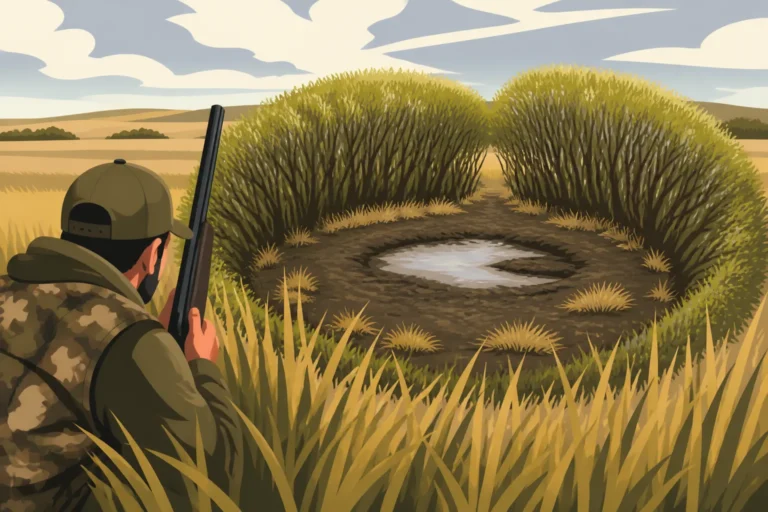
From a hunter's perspective, community pastures are often goldmines. These aren't just barren fields; many are vast areas of native grassland, interspersed with coulees, brush, willow rings around sloughs, and even some scattered bluffs of aspen or denser bush. This diverse habitat, often undisturbed by cultivation, provides everything a variety of game species need.
You'll find fantastic populations of white-tailed deer, especially where the pasture borders agricultural fields, offering food and cover. Mule deer can be abundant in the more rugged, prairie-dominated pastures, particularly in the southwest. The mix of open spaces and draws makes them ideal for spot-and-stalk opportunities. These lands are also phenomenal for upland birds like sharp-tailed grouse and Hungarian partridge, which thrive in the grass and brush. And, of course, where there are sloughs and dugouts, you'll often find ducks and geese, especially during migration. The relative lack of human pressure and consistent food sources from the grazing activity often allow game to grow large and establish strong populations, making them incredibly attractive for hunters looking for quality opportunities.
The Hunter's Dilemma: Perceived vs. Actual Access
Here's where the frustration often sets in. You drive past these massive pastures, see a towering whitetail buck grazing just inside the fence, or watch a flock of hundreds of geese funneling into a pothole. It looks like open country, and sometimes you hear talk of "public land." But then you realize there's a locked gate, or a "No Hunting" sign, or just simply no clear indication of who owns it or how to ask for permission. This ambiguity can be incredibly discouraging.
Many hunters incorrectly assume that because these are "community" pastures or formerly public lands, they're automatically open to hunting without permission. This is simply not the case. While the land might be Crown land (owned by the province), it is often leased for agricultural purposes, and the leaseholder – in this case, the patron group or provincial body managing the pasture – typically controls access. Just like any private farm, you need permission. Navigating this grey area of perceived public access versus actual managed access is what trips up many hunters, but with the right approach, it's entirely solvable.
Researching Your Target Pasture
Before you even think about picking up the phone or knocking on a door, the most crucial step is thorough research. Going in blind is a recipe for frustration and, at worst, could lead to a misunderstanding with the manager. You want to be informed and respectful, and that starts with knowing exactly what you're asking about.
Using Digital Tools for Initial Reconnaissance
In this day and age, we have incredible resources at our fingertips that can make initial scouting and land identification so much easier. Mapping apps and platforms like onX Hunt or GoHunt are invaluable for Saskatchewan hunters. These tools often have property line overlays that can show you if a piece of land is Crown land, a specific type of lease, or private. They can help you visualize the boundaries of a community pasture, identify adjacent landowners, and even show you topography, water sources, and cover that might hold game. You can often see who owns the surrounding land, which might give you clues about the pasture's management.
However, a word of caution: while these apps are fantastic, they aren't always 100% accurate or up-to-date, especially with changes in land management. Always cross-reference what you see on an app with official sources if possible. For example, knowing the Wildlife Management Zone (WMZ) where the pasture is located is a great starting point. Then, you can use that information to delve into provincial government websites or local rural municipality (RM) offices to confirm details. Reading a Saskatchewan WMZ Map Before You Go is a great start. These digital tools allow you to do a lot of legwork from your living room, saving you gas and time before you ever hit the road.
Identifying the Governing Authority or Manager
This is the big one: figuring out who exactly manages the pasture you're interested in. As mentioned, the old PFRA pastures have largely been taken over by patron groups. The provincial government still manages some. This means your contact point will differ.
For Patron Pastures, the manager is typically a local rancher or farmer hired by the patron group. Their contact information isn't always widely advertised. A good first step is often to call the local Rural Municipality (RM) office. They often have knowledge of the community pastures within their boundaries and might be able to direct you to the patron group or even provide the manager's contact number. Failing that, ask around at local gas stations, co-ops, or hardware stores in the nearest small town. People in rural communities often know who manages what. You could also try contacting the Saskatchewan Stock Growers Association, as they might have information or be able to point you in the right direction.
For Provincial Community Pastures, you'd generally be looking for contact information through the provincial government's agriculture or environment department. Their websites might list the managers or contact numbers for specific pastures. Be prepared for a bit of a phone tree, but persistence usually pays off. Remember, you're trying to gain access to a working ranch environment, not just empty land.
Understanding Pasture Regulations and Use
Before you even contact the manager, it's vital to understand that community pastures are first and foremost working agricultural operations. They are for grazing livestock. This means there will be specific regulations, and likely cattle present, especially during grazing season. Your hunting activity will always be secondary to their primary function.
Researching includes knowing when the cattle are typically on the pasture (usually spring through fall), what kind of fencing is in place, and if there are any designated access points. Some pastures might have very specific rules about vehicle access, where you can park, or even if foot traffic is allowed during certain periods. This information might not be online; it might be something you learn when you finally connect with the manager.
Being aware of these aspects demonstrates respect and shows the manager you've done your homework. It also helps you anticipate potential questions they might have about your intentions. For example, if you're planning to hunt in November when the cattle are typically gone, that's a different conversation than asking to hunt during peak summer grazing. Your knowledge of Saskatchewan's Three Kinds of Community Pasture will be helpful here.
Making the Initial Contact
Once you've done your research and identified the right person to speak with, it's time for the crucial step: actually reaching out. This is where your politeness, preparation, and respect truly shine. Remember, you're asking for a favour and the privilege of access, not demanding a right.
Crafting Your Approach: Phone Call vs. In-Person
Deciding how to make initial contact depends on a few factors, and both methods have their pros and cons.
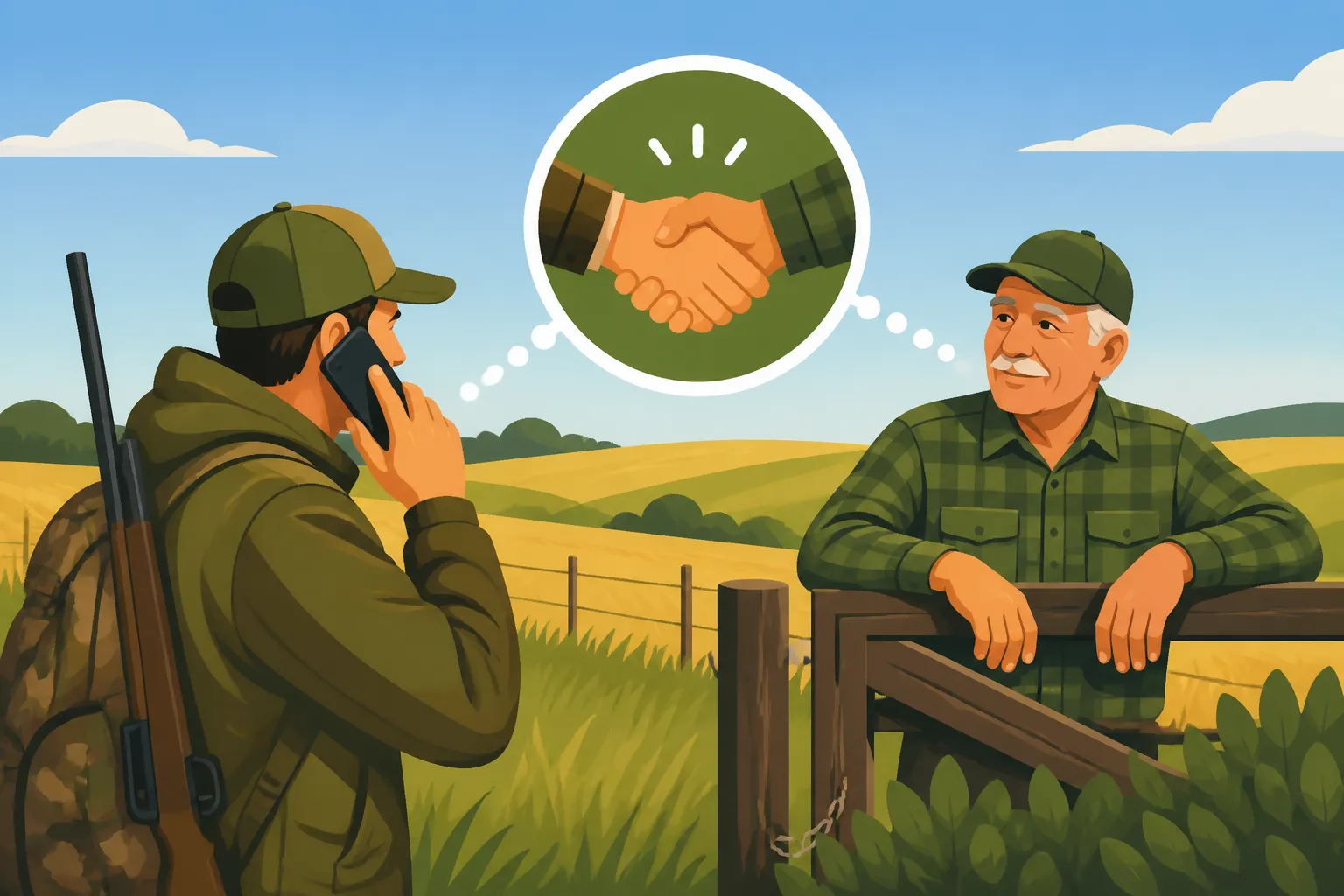
A phone call is often the easiest and most practical first step, especially if the pasture manager lives some distance away. It allows you to introduce yourself without imposing too much on their time. You can be concise and get a feel for their willingness to discuss access. The downside is that it can be easier for someone to say "no" over the phone, and you miss the opportunity to make a personal connection face-to-face.
In-person contact can be more impactful if you can make it happen without being intrusive. Showing up at their home or farm, particularly when they're busy, can be a major faux pas. However, if you happen to catch them in town, or at a local coffee shop during a slow time, a brief, polite introduction can sometimes go a long way. The key here is timing and respect for their schedule. Never just show up at their property unannounced and expect them to drop everything for you. Think of it like Knocking on Doors in Saskatchewan Farm Country – it's about respectful engagement.
Regardless of the method, always have your information ready: your name, where you're from, your hunter number (which you can find by checking Finding Your Saskatchewan Hunter Number), what species you're interested in hunting, and the general timeframe. Being organized and articulate conveys professionalism and seriousness.
What to Say: Respectful Inquiry and Clear Intent
When you finally get the manager on the phone or in person, your demeanor and message are paramount. Start by introducing yourself clearly and stating why you're calling. "Hello, my name is [Your Name], and I'm a hunter from [Your Town]. I'm calling about the [Name of Pasture, or general area] pasture, and I was hoping to inquire about the possibility of hunting [specific species, e.g., white-tailed deer or sharp-tailed grouse] there this season."
Emphasize respect for their operation and the land. You might say something like, "I understand this is a working pasture, and I want to assure you that I'm a very careful and respectful hunter. I always prioritize safety, especially around livestock, and I leave no trace behind." Reassure them you understand it's their discretion to grant access. Ask about their rules and any specific concerns they might have. They'll appreciate that you're not just looking for a free-for-all, but are genuinely interested in being a good steward while on their property.
Acknowledge any existing rules or limitations they might have. If they mention no vehicle access, assure them you're prepared to walk in. If they have specific areas they'd prefer you avoid, commit to that. Your goal is to alleviate any potential concerns they might have and demonstrate that you will be a responsible guest.
The Importance of Timing
Timing is absolutely crucial when trying to get hunting access, especially on lands primarily used for agriculture. Calling a pasture manager in the middle of calving season, seeding, or harvest is probably the worst time you could pick. Their minds are on their livestock and livelihood, and a hunting request will likely be an unwelcome distraction.
The best time to approach pasture managers is typically in the off-season, well before hunting season opens, or after the main agricultural pushes are done. For big game hunting in the fall, late summer or early fall (August/September) before the cattle are gathered, or even in late winter/early spring, might be good. For upland birds, perhaps mid-summer. This allows them to consider your request when they aren't under immense pressure.
If you are looking to hunt during a period when cattle are still on the pasture, be upfront about your plan to be extra cautious and ask specifically about their comfort level with hunters in the presence of livestock. Often, managers prefer hunters to wait until the cattle have been moved off the pasture, usually in late fall or early winter, to minimize any disturbance or perceived risk. This preference for Hunting a Saskatchewan Community Pasture when livestock are absent is common sense. Showing that you understand their operational cycle will score you major points.
Building a Relationship and Following Up
Gaining access to a community pasture isn't just about a one-time request; it's an opportunity to build a long-term relationship. A positive interaction can lead to repeated opportunities, not just for you, but potentially for other respectful hunters as well. Think beyond just getting your tag filled; think about being a good ambassador for hunting.
Respecting the Manager's Decision and Land
This might sound obvious, but it's incredibly important: if a pasture manager says no, accept it gracefully. Thank them for their time and move on. Arguing or trying to convince them otherwise will only burn bridges, not just for you, but for any other hunter who might inquire in the future. Their reasons might be complex—perhaps too many hunters, livestock issues, safety concerns, or simply a preference not to have hunters on their land. These reasons are valid, and you must respect them.
If you are granted access, consider it a privilege and adhere strictly to any terms they set. This means sticking to the agreed-upon areas, times, and methods. If they say no vehicles, don't drive in. If they ask you to only hunt a certain species, don't deviate. If they prefer you check in and out, do it every time. This demonstrates integrity and reinforces that their trust in you was well-placed. Remember, their livelihood is tied to that land and its use, and your presence is a minor aspect of their larger operation. Your adherence to rules is a sign of your respect for them and their work. This is part of the larger picture of Saskatchewan Landowner Relations for Hunters.
Becoming a Responsible Hunter and Steward
This goes beyond just following the rules; it's about actively being a good steward of the land. Leave absolutely no trace of your presence behind. Pack out everything you pack in, including spent shell casings. If you encounter any litter or fence damage that isn't yours, consider picking it up or reporting it to the manager. Offering to close gates you find open, or even proactively checking them as you go, can make a huge positive impression.
Think about reporting anything unusual you observe. This could be anything from suspicious activity (trespassers, illegal dumping) to signs of disease in wildlife (like CWD symptoms) or issues with the pasture's infrastructure. You are, for a brief time, an extra set of eyes on their land. Many managers appreciate this kind of responsible engagement, as it shows you care about the well-being of their pasture. This is how you earn trust and establish yourself as a valued presence, not just a transient hunter.
The Long Game: Earning Future Access
The goal isn't just one hunt; it's about creating an opportunity for future hunts. If you have a successful and respectful experience, consider sending a thank-you note or making a follow-up call after the season. A small token of appreciation, like some game meat from your harvest (if appropriate and accepted), or a small gift card, can also go a long way in showing your gratitude.
Sharing a photo of your ethical harvest (if the manager is interested) can also be a positive gesture, demonstrating what you accomplished while respecting their land. However, never give away the specific location or details of your spot, even when sharing with the manager, unless they specifically ask. That's a good general hunting etiquette rule.
By consistently being respectful, responsible, and appreciative, you differentiate yourself from the many hunters who might not put in the same effort. This makes it far more likely that the manager will remember you positively and be open to granting you access again in subsequent seasons. Building these relationships is one of the most rewarding aspects of hunting.
Navigating Potential Challenges and Misunderstandings
Even with the best intentions and thorough preparation, accessing community pastures can sometimes present challenges. It's important to approach these situations with patience and a problem-solving mindset, rather than frustration.
Dealing with Unclear or Conflicting Information
One of the most common frustrations is simply not being able to find clear information. You might call the RM office, and they're not sure. You might get a number that leads to a disconnected line. Or, you might talk to two different people who give you slightly different instructions. This is the reality in some rural areas where management structures can be fluid or rely heavily on informal networks.
When faced with unclear or conflicting information, your best tools are polite persistence and a willingness to explore different avenues. Try asking someone if they know "who would know." Sometimes, a local store owner or even a post office clerk might have the answer or know someone who does. If one contact method isn't working, try another. Keep detailed notes of who you've spoken to, when, and what information they provided. This helps you track your efforts and avoid repeating questions. It’s a bit like detective work, but it’s often necessary. Don't be afraid to politely ask for clarification if something sounds vague.
Addressing Concerns About Livestock and Infrastructure
Pasture managers often have legitimate concerns about hunters on their land, particularly regarding their livestock and infrastructure. They might worry about hunters disturbing cattle, leaving gates open, damaging fences, or even stray bullets. It's your job to proactively address these concerns.
During your conversation, explicitly state your commitment to safety around animals. "I always make sure to be aware of any cattle, and I'll keep my distance and ensure they're not disturbed. My absolute priority is safety, and I'd never take a shot near livestock." For fences and gates, assure them you understand their importance. "I'll make sure every gate I open is closed behind me, and I'm always mindful of fence lines." Offering to walk in versus driving can also alleviate concerns about Vehicle Rules on Saskatchewan Crown Land or damage to pasture roads, especially during wet conditions. If you're hunting during the season when cattle are present, discuss specific protocols for avoiding them. It shows you're thinking ahead and not just focused on the hunt.
Understanding "No Hunting" Policies and Exceptions
It's important to accept that some community pastures may have a blanket "no hunting" policy, or very strict limitations. This might be due to historical issues, specific wildlife management objectives, or simply the preference of the patron group. You might also encounter signs that indicate Saskatchewan Posted Land Sign Rules, which you must always obey.
Some pastures might allow hunting for certain species (e.g., upland birds) but not for big game. Others might restrict hunting to specific times of the year, usually after cattle are removed. It's not uncommon to find that some areas within a large pasture are huntable, while others are off-limits due to proximity to residences, livestock handling facilities, or sensitive wildlife habitat. Always clarify these points with the manager. If they say no, respect it. If they provide specific boundaries or rules, follow them precisely. Understanding that these are working lands with complex needs means that "no" or "limited access" is sometimes a perfectly reasonable answer, and respecting it is paramount.
Different Pasture Types and Access Methods
Here's a quick overview of the main types of community pastures you might encounter in Saskatchewan and the most common ways to seek access.
| Pasture Type | Former Name (if applicable) | Primary Management Body | Typical Contact Method | Key Considerations for Access |
|---|---|---|---|---|
| Patron Pastures | PFRA Community Pastures | Local Patron Group (farmers/ranchers) | Direct contact with Pasture Manager | Manager's discretion, often local resident, livestock paramount |
| Provincial Community Pastures | Provincial Crown Pastures | Provincial Government (Agriculture) | Provincial agency contact numbers | More structured rules, possibly online application/information |
| Federal Community Pastures | (Rare, most transitioned from PFRA) | Federal Government (limited) | Federal agency or local delegate | Highly variable, less common for general hunting access |
Disclaimer
This article is for general informational purposes only and does not constitute professional advice. Laws, prices and regulations vary by location and change over time. Consult a qualified professional for guidance on your specific situation.