Hunting Saskatchewan’s Moose Mountain Country
Hunting a new area in Saskatchewan can feel like navigating a maze, especially when you're dreaming of those big whitetails and robust elk, but aren't quite sure where to start. Moose Mountain Country, with its unique blend of forest, rolling hills, and rich agricultural land, presents incredible opportunities but also distinct challenges for the uninitiated. This guide will help you understand what makes Moose Mountain a prime hunting destination and equip you with the knowledge to plan a successful and rewarding hunt.
Understanding Moose Mountain's Unique Habitat
Moose Mountain Provincial Park and the surrounding areas in southeastern Saskatchewan aren't your typical flat prairie. This region is a stunning anomaly, a "forest island" rising out of the vast agricultural plains. It's a truly special place that fosters a diverse ecosystem, which translates directly into exceptional hunting opportunities. The varied terrain and abundant food sources create ideal conditions for a range of game animals, from impressive whitetail deer to healthy elk herds and formidable black bears.
The Topography and Forest Cover
Unlike much of Saskatchewan, Moose Mountain boasts significant elevation changes and dense forest. We're talking about a mix of trembling aspen, balsam poplar, and white spruce, interspersed with willow thickets and natural clearings. This isn't just a handful of trees; it's a legitimate forest with thick cover that provides excellent sanctuary for game. The rolling hills and deep coulees offer natural travel corridors and bedding areas, making scouting and understanding game movement critical. This kind of varied terrain can be a double-edged sword: it offers fantastic cover for animals, but it also means hunters need to put in the legwork to find them. Don't expect to just drive the grid roads and spot everything; you'll need to get out and explore those bush bluffs and hidden valleys.
The Mix of Bush, Sloughs, and Agriculture
What really sets Moose Mountain apart is how seamlessly the forest blends into the productive agricultural landscape. You'll find vast grain fields – wheat, canola, barley, and peas – right up against dense bush edges and scattered bluffs. This creates an incredible food-rich environment where deer and elk can feed heavily in the fields at night and retreat to the security of the forest during the day. Water, in the form of numerous sloughs and potholes, is also abundant, providing vital hydration and additional cover. This mosaic of habitat types means animals don't have to travel far to meet all their needs, leading to higher densities and often larger animals. Understanding how to hunt these transition zones is key to success. Consider hunting along a Shelterbelt Between Two Fields or working the edges of a Slough Edge for Whitetails.
Prime Game Species in Moose Mountain Country
Moose Mountain Country is renowned for several species, drawing hunters from all over. While many areas in Saskatchewan offer good hunting, this region's unique habitat creates exceptional conditions for specific big game animals. It's not just about quantity here; the quality of animals, particularly whitetail deer and elk, is often noteworthy.
Whitetail Deer: The Forest Fringe Giants
Saskatchewan is famous for its whitetail deer, and Moose Mountain is no exception. The region consistently produces bucks with impressive body size and antler growth. The combination of nutrient-rich agricultural crops and dense forest cover allows whitetails to thrive. Hunters often report seeing healthy deer throughout the season, with the rut being a particularly exciting time. Bucks will use the thick bush for bedding and security, venturing out into the fields during low light to feed. Learning to read sign along these forest-field interfaces, like rubs and scrapes, is paramount. You might find yourself Hunting the Forest Fringe for Big Bucks or working a Poplar Bluff at First Light.
During the peak of the rut, typically in November, these bucks become more active during daylight hours, cruising the edges of cover searching for does. This is when strategic stand placement and calling can be highly effective. The challenges here include the thick cover which can limit visibility, making tracking tough, and the sheer amount of food means deer don't always have to move far, so they might not be as predictable as in other areas. Patience and careful scouting are essential.
Elk: A Growing Presence
While not as widespread as whitetails, elk herds have established a strong presence in the Moose Mountain region, particularly within and around the Provincial Park. The protected nature of the park provides a sanctuary, allowing herds to grow and expand into the surrounding private and Crown lands. Harvesting an elk in this area often requires careful planning, including participation in the big game draw, which can be competitive. Elk, like whitetails, will utilize the dense forest for bedding and security, venturing into the fields to graze, especially during the colder months when forage in the bush becomes scarcer.
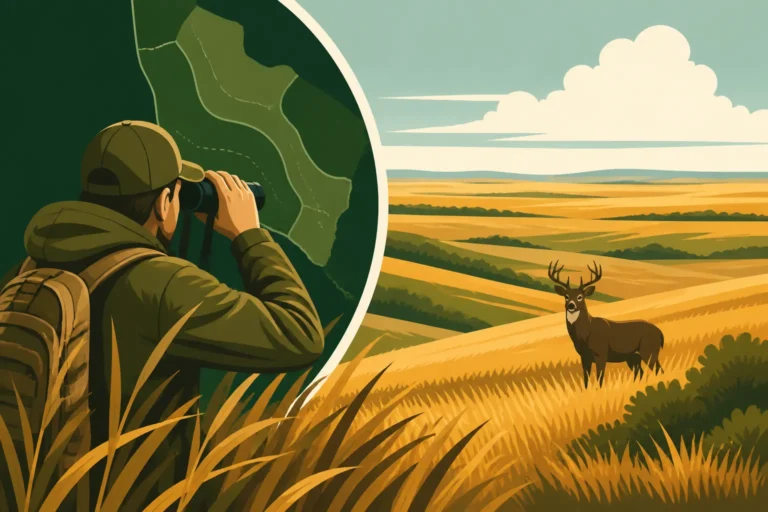
Their nomadic nature means they can be harder to pattern than deer, often covering large distances. This requires thorough scouting, sometimes involving long hours of glassing fields at dawn and dusk. For those lucky enough to draw a tag, the opportunity to pursue a Saskatchewan elk in this unique environment is truly special. The challenge here is their acute senses and the often-thick cover they prefer. Understanding Elk in the Moose Mountain Country and their movement patterns is key.
Black Bear: An Underrated Opportunity
Saskatchewan is well-known for its black bear hunting, primarily in the boreal forest further north. However, Moose Mountain Country offers a surprising and often overlooked opportunity for black bear, particularly during the spring and fall seasons. The dense forest, combined with abundant food sources like berries, nuts, and access to agricultural fields, creates an excellent habitat for bears. While not as high density as the northern zones, Moose Mountain can produce some impressive animals for hunters willing to put in the effort.
Most bear hunting in this region involves baiting, which requires specific permits and adherence to regulations. Setting up a strategic bait site in the spring, often along old logging roads or clearings, can be very effective. Setting a Bear Bait Site in Saskatchewan involves understanding bear travel patterns and minimizing human disturbance. Alternatively, some hunters might spot-and-stalk agricultural edges in the fall, catching bears feeding on grains or foraging for berries before hibernation. The proximity to populated areas means discretion and safety are paramount when pursuing bears here.
Upland Birds: Prairie and Bush Mix
Beyond the big game, Moose Mountain also offers a fantastic upland bird hunting experience. The blend of open grasslands, shelterbelts, and pockets of bush creates ideal habitat for several species. You can find Hungarian Partridge holding in the brushy field edges and shelterbelts, often in coveys. Walking up these fast-flying birds with a good pointing dog can be an exhilarating experience. Hunting Hungarian Partridge on Saskatchewan Farms requires a keen eye and quick reflexes.
Ruffed Grouse are also present, especially within the denser aspen and poplar stands of the provincial park and surrounding Crown lands. These "drummers" offer a classic bush hunting experience, often found along old trails and cutlines. For those looking for a different challenge, the mix of habitat provides a diverse bag opportunity, making it a great option for a combo hunt after you've filled your big game tag, or just for a day out with a shotgun and a dog.
Navigating Access and Land Types in Moose Mountain
One of the biggest hurdles for any hunter, especially when exploring a new area, is understanding land ownership and access. Moose Mountain Country is a mix of provincial park, Crown land, private land, and other special designations, each with its own rules. Knowing how to interpret maps and secure permission is vital for a stress-free and legal hunt.
Understanding Provincial Park Regulations
The heart of Moose Mountain Country is Moose Mountain Provincial Park. It’s crucial to understand that hunting is generally NOT permitted within the boundaries of Saskatchewan Provincial Parks. This is a common misconception, as the name "Moose Mountain" implies excellent moose hunting, which it very well might be, but not within the park itself. The park acts as a sanctuary, allowing game populations to flourish and spill over into the surrounding huntable areas. Always check current regulations and park boundaries before venturing out.
However, the areas surrounding the park are often prime hunting grounds, benefiting from the robust wildlife populations that find refuge inside the park. These fringes, where the park meets agricultural land and other Crown designations, are precisely where you'll want to focus your efforts.
Crown Land and FWDF Parcels
Outside the provincial park, Moose Mountain Country features scattered parcels of Crown land, often mixed in with private holdings. These public lands are open for hunting, but finding them can sometimes be like a treasure hunt. This is where tools like onX Hunt really shine. Using a mapping app allows you to overlay property boundaries and clearly see where Crown land parcels are located. This is an invaluable resource for planning your route, identifying access points, and ensuring you don't inadvertently trespass.
Additionally, the area has Fish and Wildlife Development Fund (FWDF) lands. These are public lands acquired and managed with funds from hunting and fishing license sales, specifically for wildlife habitat and public access. Saskatchewan's FWDF Land Access Rules are generally straightforward: they are open for public hunting and fishing, often with specific parking or access points. Always respect these properties by staying on designated trails, packing out what you pack in, and leaving no trace. These lands often feature improved habitat and can be excellent spots for both big game and upland birds.
Securing Private Land Permission
The majority of hunting opportunities in Moose Mountain Country, especially for whitetails and elk feeding on crops, will be on private land. This means you absolutely need to obtain permission from the landowner before you step foot on their property. Getting Private Land Permission in Saskatchewan is not just a courtesy; it's the law. Approaching landowners politely, well in advance of the season, and respecting their wishes is key. Many farmers are willing to grant access to responsible hunters, especially if they are experiencing crop damage from deer or elk.
When asking for permission, be prepared to introduce yourself, state your intentions clearly, and offer to share contact information. Building a relationship with landowners can open up incredible hunting opportunities year after year. Websites like GoHunt sometimes offer resources for finding landowners or specific hunting access, but direct contact is almost always the most effective method in Saskatchewan. It also helps if you offer to help with chores or share some of your harvest.
Planning Your Moose Mountain Hunt: Seasons, Licensing, and Strategy
A successful hunt in Moose Mountain isn't just about showing up with a rifle or bow; it's about meticulous planning, understanding the regulations, and developing a sound strategy tailored to the local conditions. Saskatchewan's hunting regulations can be complex, especially with big game draws and specific zone rules, so doing your homework beforehand is crucial.
Understanding Saskatchewan's Big Game Draw
For species like elk and often specific antlered whitetail opportunities, Saskatchewan utilizes a big game draw system. This means you apply for a specific wildlife management zone (WMZ) and species, and a lottery determines who receives a tag. Saskatchewan's Big Game Draw is highly competitive for some species and zones, particularly for coveted elk tags in areas like Moose Mountain. It's essential to understand the application deadlines, how priority pools work, and your odds of drawing. For example, Saskatchewan Antlered Elk Draw Odds can vary significantly year to year.
You'll need a HAL (Hunter and Angler Licence) account to apply for any draws or purchase licenses. Setting Up a Saskatchewan HAL Account is the first step for any hunter in the province. Moose Mountain falls within specific WMZs, so ensure you research which zones offer the species you're interested in and have the season dates that align with your hunting plans. Non-residents have different rules, often requiring an outfitter for big game, so those planning from outside the province need to factor that in.
Key Season Dates and Licensing
Once you've navigated the draw or are looking at over-the-counter tags (like general resident whitetail tags), understanding season dates is paramount. Saskatchewan Big Game Season Dates vary by species, weapon type (archery, rifle, muzzleloader), and WMZ. For Moose Mountain, the whitetail archery season typically opens earlier, offering a fantastic opportunity to hunt before the pressure of rifle season. The general rifle season usually kicks off in early November, often coinciding with the whitetail rut, which is a prime time for mature bucks.
Beyond your specific game tag, you'll also need a Saskatchewan's Wildlife Habitat Certificate, which contributes to conservation efforts across the province. Always carry all your valid licenses and permits with you while hunting, and be familiar with the regulations regarding tag validation and evidence of sex for your harvested animal.
E-Scouting and On-the-Ground Reconnaissance
Modern technology has revolutionized scouting, and Moose Mountain is an area where it can be particularly effective. Utilizing satellite imagery and mapping apps like onX Hunt or GoHunt to conduct thorough e-scouting before you even set foot in the field is a game-changer. Look for key features:
- Thick bush pockets: Potential bedding areas and sanctuary zones.
- Field edges and transition lines: Prime feeding areas and travel corridors.
- Funnels and pinch points: Where natural terrain or man-made features restrict animal movement.
- Water sources: Sloughs, dugouts, and creeks.
- Old trails or cutlines: Easy travel routes for both animals and hunters.
Once you've identified promising areas from your e-scouting, hit the ground running. On-the-ground scouting, ideally before the season opens, is invaluable. Look for fresh tracks, rubs, scrapes, and bedding areas. Set up trail cameras in key locations to monitor game movement and patterns. This combination of digital and physical scouting will give you a significant advantage in figuring out how animals are using the Moose Mountain landscape.
Practical Tips for Hunting Moose Mountain
Hunting Moose Mountain Country offers a blend of challenges and rewards. The unique habitat and potentially challenging weather require specific considerations to ensure a safe, successful, and enjoyable hunt. Being prepared for anything is half the battle when you're out in the field.
Dressing for the Elements: Cold and Wet Conditions
Southeastern Saskatchewan can experience a wide range of weather during hunting season, from mild autumn days to brutal cold snaps and heavy snow. During the archery season (September/early October), you might face warm, dry conditions, but by rifle season (November/December), you need to be prepared for deep cold, strong winds, and significant snowfall. Hunting Saskatchewan Winter Weather Safely is not just a suggestion, it's a necessity. Layering is key, with moisture-wicking base layers, insulating mid-layers, and a waterproof/windproof outer shell.
For stationary hunting, like sitting in a blind overlooking a field edge or a bait site, investing in high-quality insulated boots and hand warmers is crucial. Nothing ruins a hunt faster than numb fingers and toes. Boots for Sitting Still in Deep Cold are designed to keep your feet warm even when temperatures plummet. Always pack extra warm clothing, a hat, gloves, and a change of socks. A small, portable heater in a ground blind can also make a huge difference in comfort and endurance.
Tracking in Varied Terrain
The varied terrain of Moose Mountain, with its mix of heavy bush, rolling hills, and occasional snow, presents unique challenges for tracking. If you make a shot, especially on a whitetail or elk, always give the animal ample time to expire before taking up the track. This is even more important in thick cover where a wounded animal can quickly disappear. Once you do start tracking, look for blood, broken branches, disturbed leaves, and fresh tracks.
In heavy bush, it's easy to lose a blood trail, so mark the last visible sign before continuing. Use flagging tape (removing it as you go) to ensure you can retrace your steps. If snow is on the ground, tracking becomes both easier and harder – easier to see blood and tracks, but harder to tell fresh from old, and snow can sometimes obscure smaller drops of blood. Having a plan for Getting a Deer Out on a Frozen Trail or through dense bush is also critical, whether it's a game cart, a sled, or simply enough manpower.
Respecting Landowners and Fellow Hunters
Building and maintaining positive relationships with landowners is crucial for continued hunting access in Moose Mountain Country. Always ask for permission, even if you've hunted the land before, as circumstances can change. Respect posted signs, close gates, don't litter, and drive slowly on private property. A simple thank you or a small gift at the end of the season can go a long way. Remember, most of the hunting here is on private holdings, and the privilege of access is entirely dependent on landowner goodwill.
Furthermore, with mixed public and private lands, and often good hunting opportunities, you might encounter other hunters. Always be courteous, respectful, and practice good hunting etiquette. Give other hunters space, communicate if you're working a specific area, and prioritize safety above all else. This shared passion is something to be celebrated, and a positive attitude goes a long way in fostering a good hunting community.
| Species | Primary Habitat (Moose Mountain) | Typical Season Timing (General) | Key Hunting Challenge |
|---|---|---|---|
| White-Tailed Deer | Forest fringe, bluffs, agricultural edges | Sept-Dec (Archery, Rifle) | Thick cover, abundant food, smart bucks |
| Elk | Park fringes, dense bush, crop fields | Nov-Dec (Draw only, Rifle/Archery) | High competition for tags, nomadic, wary |
| Black Bear | Dense forest, riparian areas, bait sites | Spring (May-June), Fall (Sept-Oct) | Requires baiting permits/strategy, thick cover |
| Hungarian Partridge | Field edges, shelterbelts, stubble fields | Sept-Dec (Shotgun) | Fast-flying, small targets, often scattered |
| Ruffed Grouse | Aspen/Poplar stands, old trails | Sept-Dec (Shotgun) | Flushes quickly, dense cover, requires walking |
Safety and Preparedness in the Field
No matter how experienced you are, safety should always be your top priority when hunting. Moose Mountain Country, while beautiful, is still wild, and being prepared for emergencies is non-negotiable.
Essential Gear and Emergency Preparedness
Your hunting pack should contain more than just your lunch. Think about what you'd need if you were unexpectedly stuck overnight or faced an injury. A basic first-aid kit is essential, along with emergency fire starters, a multi-tool, a headlamp with spare batteries, and a way to communicate. Cell service can be spotty in some parts of Moose Mountain, especially within the denser bush or deeper coulees. Consider carrying a satellite messenger or a two-way radio if you're hunting in a group.
Always let someone know your hunting plan: where you're going, your estimated return time, and who you're with. A Winter Truck Kit for a Saskatchewan Hunt should include blankets, extra warm clothes, booster cables, a shovel, and some high-energy snacks and water. It's better to be over-prepared than caught off guard by rapidly changing conditions or an unforeseen event.
Wildlife Awareness and Respect
While you're primarily hunting specific game, remember that you are in a wild environment shared by many creatures. Moose Mountain is home to bears, coyotes, and other predators. Be "bear aware," especially if hunting in the spring or fall. Carry bear spray and know how to use it. Make noise when moving through dense cover to avoid surprising an animal.
Respect for the animals you pursue extends beyond the hunt itself. Ensure clean, ethical shots and proper field dressing to prevent meat spoilage, especially if temperatures are fluctuating. Meat Care in Saskatchewan's Cold Snaps is critical to ensuring your harvest is preserved properly. It's all part of being a responsible hunter and steward of Saskatchewan's wildlife.
Disclaimer
This article is for general informational purposes only and does not constitute professional advice. Laws, prices and regulations vary by location and change over time. Consult a qualified professional for guidance on your specific situation.