Game Bird Licence Cost and Permits
Navigating the world of hunting licences in Saskatchewan can feel like deciphering a secret code, especially when you're trying to figure out what permits you need and how much they’re actually going to cost for game birds. It’s easy to get frustrated trying to piece together the provincial and federal requirements, leading to confusion and sometimes missed opportunities in the field. This guide is here to break down the costs and necessary permits for hunting game birds in Saskatchewan, ensuring you're fully prepared and legal for your next bird hunt.
Understanding Saskatchewan's Game Bird Licensing Structure
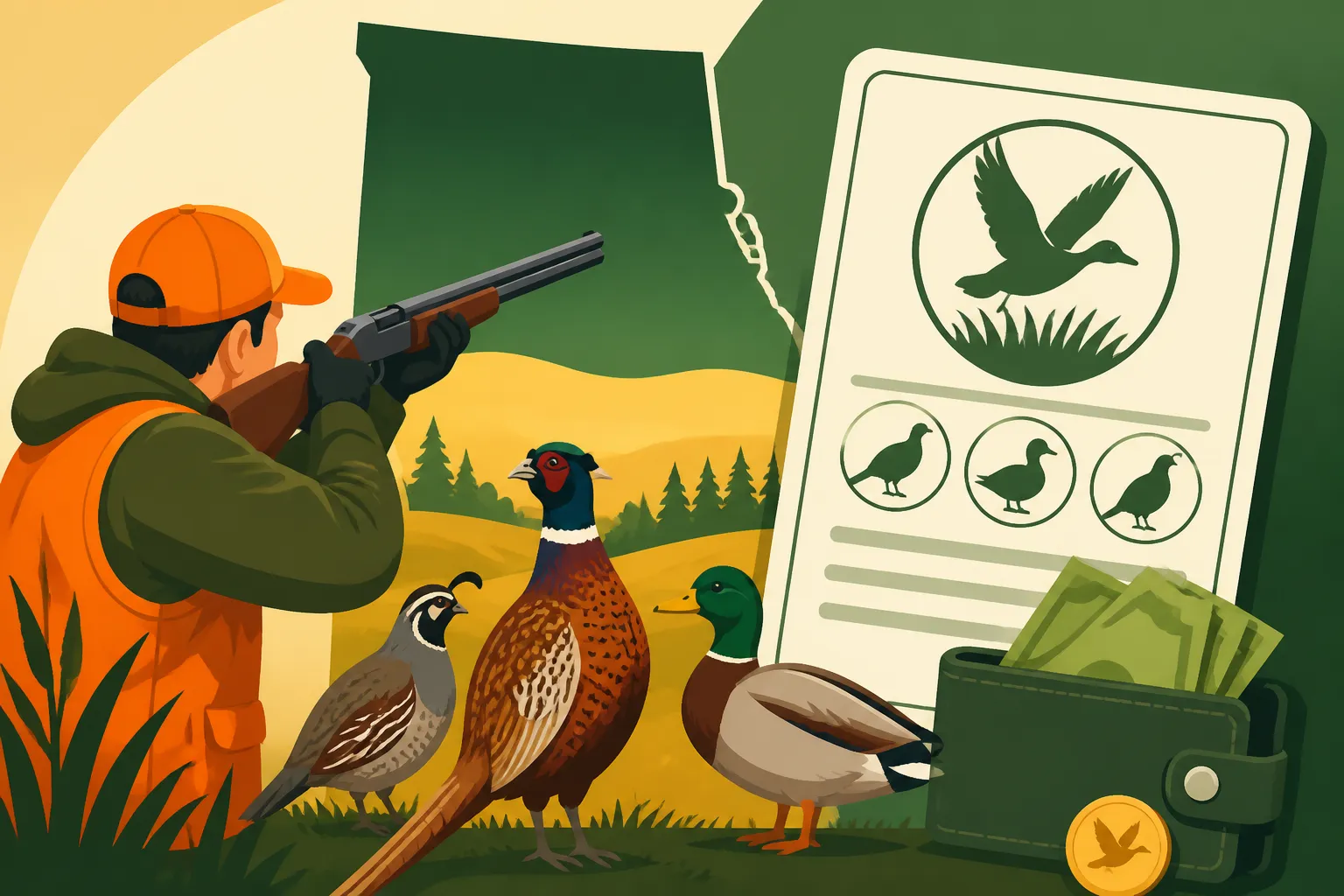
Before you even think about setting foot in a field or near a slough, it's absolutely crucial to understand the layered system of licences and permits required for game bird hunting in Saskatchewan. It’s not just one simple piece of paper; rather, it’s a combination of provincial and federal documents, each serving a specific purpose and contributing to the overall cost and legality of your hunt. This structure ensures conservation efforts are funded and managed appropriately, but for hunters, it often means a few extra steps.
The Core Game Bird Licence Itself
At the heart of it all is the provincial Saskatchewan Game Bird Licence. This is your fundamental permission slip from the province to hunt specific species of upland birds like sharp-tailed grouse, Hungarian partridge, and ruffed grouse. It's the base layer that covers your general access to hunt these birds within the designated seasons and limits. Without this licence, you're not legally permitted to hunt any game birds in Saskatchewan. This licence is managed through your personal Hunting, Angling and Trapping (HAL) account, which is the central hub for all your hunting and fishing transactions in the province. Think of it as your primary identification that confirms you're a registered hunter in Saskatchewan.
Mandatory Federal Migratory Game Bird Permit
Here's where many hunters, especially those new to waterfowling or hunting migratory species, can get a bit tripped up. If your plans include hunting migratory game birds such as ducks, geese, or sandhill cranes, you'll need more than just the provincial licence. The federal government, through Environment and Climate Change Canada, requires a separate Migratory Game Bird Hunting Permit (often referred to simply as the "federal duck stamp"). This permit is valid across Canada, not just Saskatchewan, and its purchase directly contributes to migratory bird conservation efforts. It's a non-negotiable requirement for anyone targeting these species, regardless of whether you're a resident or non-resident. You can typically purchase this permit online or at a post office, and it must be accompanied by your provincial licence. To learn more about this specific requirement, you can check out the details on Saskatchewan Migratory Bird Permits.
The Wildlife Habitat Certificate Requirement
Beyond the core provincial licence and the federal permit, there's another crucial component to add to your hunting toolkit: the Wildlife Habitat Certificate. This certificate is not tied to a specific species but is a general requirement for anyone hunting or trapping in Saskatchewan. It's a direct contribution to the Wildlife Habitat Protection Act, which helps fund the preservation and enhancement of wildlife habitat across the province. It's an annual purchase that demonstrates your commitment to conservation and is mandatory to hold any hunting or trapping licence in Saskatchewan. You buy this certificate once per year, and it applies to all your provincial hunting endeavours, not just game birds. It’s an essential part of the overall cost for all hunters. You can find more information about What the Wildlife Habitat Certificate Costs to understand its place in your overall expenses.
Breaking Down the Costs for Residents and Non-Residents
The cost of your Saskatchewan game bird licences and permits isn't a one-size-fits-all situation. It varies significantly depending on whether you're a Saskatchewan resident, a Canadian non-resident, or an international non-resident. These distinctions are in place to manage hunting pressure, prioritize resident opportunities, and account for the various administrative and conservation costs associated with different hunter categories.
Resident Game Bird Licence Fees
For those of us lucky enough to call Saskatchewan home, the costs are generally the most affordable. A resident game bird licence covers both upland birds and, when combined with the federal permit, migratory birds. As a resident, you’ll pay a fee for the provincial Game Bird Licence, and a separate, relatively modest fee for the annual Wildlife Habitat Certificate. If you plan on hunting ducks, geese, or cranes, you'll also need to factor in the federal Migratory Game Bird Hunting Permit. The combined cost is quite reasonable, reflecting the provincial government's commitment to providing accessible hunting opportunities for its citizens. It's important to remember that these fees contribute directly to wildlife management programs, habitat conservation, and enforcement efforts right here in Saskatchewan.
Non-Resident Game Bird Licence Fees (Canadian and International)
This is where the costs begin to climb, and for good reason. Non-resident hunters, whether from another Canadian province or an international visitor, require different licensing and often pay substantially higher fees. These increased fees help to manage demand and ensure that Saskatchewan's world-class hunting opportunities remain sustainable.
- Canadian Non-Residents: If you're visiting from another Canadian province, you'll need to purchase a Canadian Non-Resident Game Bird Licence. This will be more expensive than a resident licence but typically less than an international non-resident licence. You will also need the Wildlife Habitat Certificate and, if hunting migratory birds, the federal Migratory Game Bird Hunting Permit.
- International Non-Residents: For hunters coming from outside Canada (primarily the United States), the International Non-Resident Game Bird Licence is the most significant cost. This licence is designed to reflect the demand and unique administrative requirements associated with international visitors. Like all other categories, the Wildlife Habitat Certificate and the federal Migratory Game Bird Hunting Permit are also mandatory. It's worth noting that international non-residents, for many big game species, require the services of a licensed outfitter, but this is not typically the case for game bird hunting, though many still choose to book a guided waterfowl hunt for convenience and expertise. Many hunters rely on detailed mapping apps, like those provided by GoHunt, to help them navigate hunting zones and understand property boundaries, which is especially helpful for non-residents.
Additional Costs and Considerations
Beyond the core licence and permit fees, there are a few other things that might factor into your overall expenses.
- Youth Hunters: Saskatchewan offers specific programs for youth and mentored hunters, which often come with reduced or waived licence fees for the younger generation. It’s a fantastic way to introduce new hunters to the sport, and understanding the rules for Saskatchewan Youth and Mentored Hunting can save on costs while fostering responsible hunting practices.
- Federal Habitat Conservation Stamp: While often integrated into the federal Migratory Game Bird Hunting Permit, it's good to be aware that a portion of that permit's cost goes towards the Canadian Wildlife Habitat Conservation Stamp, which directly funds habitat projects.
- Application Fees: While not typically applicable for game bird licences, some special draw applications for big game might have a small, non-refundable application fee. However, game bird licences are generally over-the-counter purchases.
- Conservation: Remember, every dollar spent on these licences and permits isn't just a fee; it's an investment in the future of Saskatchewan's wildlife and wild spaces. These funds are vital for research, habitat restoration, and enforcement that benefit all game species, not just the birds you're pursuing.
Here's a quick overview of typical approximate costs (always check the current year's hunting guide for exact figures, as these can change):
| Licence/Permit | Saskatchewan Resident (Approx. CAD) | Canadian Non-Resident (Approx. CAD) | International Non-Resident (Approx. CAD) |
|---|---|---|---|
| Provincial Game Bird Licence | $10 – $20 | $80 – $100 | $160 – $200 |
| Wildlife Habitat Certificate | $15 – $20 | $15 – $20 | $15 – $20 |
| Federal Migratory Bird Permit | $15 – $20 | $15 – $20 | $15 – $20 |
| Total (excluding youth/misc.) | $40 – $60 | $110 – $140 | $190 – $240 |
Note: These are approximate costs and can vary. Always consult the official Saskatchewan Hunters' and Trappers' Guide for the most current pricing.
Navigating the Application Process and Key Deadlines
The good news is that acquiring your game bird licences and permits in Saskatchewan is a fairly streamlined process, thanks to the provincial online system. Gone are the days of needing to visit a physical vendor for every single licence. However, knowing how and when to apply is key to avoiding last-minute stress.
The HAL Account: Your Gateway to Hunting
Everything related to hunting and angling in Saskatchewan, including your game bird licences, funnels through the online Hunting, Angling and Trapping (HAL) account. If you've hunted in Saskatchewan before, you likely already have one. If you're a new hunter, your first step will be to create this account. It's a straightforward process that requires some personal information, and once established, it serves as your digital hunter profile. All your licences, draw applications, and past hunting history are stored here. It's also where you'll register any successful harvests, a crucial step for data collection and management of game populations. You can find more detailed information on Saskatchewan's HAL Account and Licensing to guide you through the setup.
Purchasing Your Licences and Permits
Once your HAL account is active, purchasing your game bird licence is as simple as logging in, selecting the appropriate licence, and completing the payment. You'll typically receive an electronic copy of your licence, which you can print or save to your mobile device. For the federal Migratory Game Bird Hunting Permit, you'll visit the Environment and Climate Change Canada website or a Canada Post outlet. Remember to purchase both the provincial game bird licence and the federal permit before you head out, as conservation officers conduct checks in the field. Using digital tools, such as the GoHunt app, can help keep all your digital licences organized and easily accessible on your phone while in the field.
Important Dates to Remember
While game bird licences don't typically involve the same intense draw deadlines as big game, there are still important dates to be aware of:
- Licence Availability: Game bird licences are usually available for purchase well in advance of the opening seasons, often in July or August. It's wise to purchase them a few weeks before your planned hunt to ensure everything is in order.
- Season Dates: Most importantly, you need to know the specific Saskatchewan Duck Season Dates and Saskatchewan Goose Season Dates for the zones you plan to hunt. These dates vary by species and Wildlife Management Zone (WMZ), so always consult the current Saskatchewan Hunters' and Trappers' Guide.
- Federal Permit Validity: The federal Migratory Game Bird Hunting Permit is valid for a specific period, usually from September 1st of one year to August 31st of the next. Ensure your permit is current for your hunt.
Specific Permits and Endorsements for Diverse Bird Hunting
Saskatchewan offers an incredible diversity of bird hunting opportunities, from the vast grain fields teeming with waterfowl to the dense bush holding ruffed grouse. Understanding the nuances of what each permit covers is crucial for a legal and enjoyable hunt.
Special Seasons: Spring Snow Goose and Sandhill Crane
While the general game bird licence and federal permit cover most waterfowl, there are sometimes specific rules or considerations for particular species or seasons. The Spring Snow Goose Season Rules are a prime example. This special spring hunt, designed to help manage overpopulated snow goose numbers, has its own unique regulations, including daily bag limits and possession limits that differ from the regular fall season. Hunters participating in this season still require their provincial game bird licence and a valid federal migratory game bird permit. Similarly, hunting sandhill cranes, while covered by the federal permit, often has specific harvest tags or reporting requirements, and their seasons are often limited. Ensure you check for specific endorsements or reporting obligations for these particular birds.
Upland Bird vs. Waterfowl Considerations
It’s worth reiterating the distinction between upland birds and waterfowl. Your provincial Game Bird Licence covers species like:
- Sharp-tailed Grouse: Found primarily in prairie and parkland areas. For those interested in pursuing them, understanding Walking Up Sharp-Tailed Grouse in Saskatchewan can be very beneficial.
- Hungarian Partridge: Often found along shelterbelts and field edges.
- Ruffed Grouse: Typically found in the forested areas of the province. You can learn more about Ruffed Grouse Hunting Saskatchewan's Bush Trails.
- Spruce Grouse: A more northern species.
For these birds, you only need the provincial Game Bird Licence and the Wildlife Habitat Certificate. The federal Migratory Game Bird Hunting Permit is not required for upland birds. This simplifies things somewhat, but it means you need to be clear about what species you intend to pursue before purchasing permits. If you're exclusively hunting upland birds, you can save the cost of the federal permit. You can find all the relevant dates and limits by looking up Saskatchewan Upland Bird Seasons.
Non-Toxic Shot and Other Equipment Considerations
Beyond the permits, remember that there are other regulations that impact your hunt, particularly for waterfowl. The use of non-toxic shot is mandatory for all migratory game bird hunting across Canada. This means no lead shot when pursuing ducks, geese, or cranes. This is a critical rule for environmental protection and is strictly enforced. You can find comprehensive details on Non-Toxic Shot Requirements for Waterfowl in Saskatchewan. Failing to comply can result in significant fines and loss of hunting privileges, which is a headache no one wants. Additionally, while not a permit, always remember to obtain permission if you're Getting Permission for a Goose Field on private land; this is a legal and ethical requirement in Saskatchewan. Utilizing scouting tools, including those found on platforms like GoHunt, can help identify potential areas and property lines, assisting you in this process.
Disclaimer
The information provided in this guide is for general informational purposes only and does not constitute legal advice. Hunting regulations, fees, and season dates are subject to change. Always consult the most current Saskatchewan Hunters' and Trappers' Guide published by the Ministry of Environment, as well as the federal Migratory Game Bird Hunting Regulations, before planning and undertaking any hunting activities. It is the hunter's responsibility to know and follow all applicable laws and regulations.