Hunting a Saskatchewan Dugout at Dusk
Finding reliable water sources in Saskatchewan, especially in the vast stretches of farmland and prairie, can be a game-changer for hunters. Many folks overlook the humble dugout, but these man-made ponds are absolute magnets for wildlife, particularly as evening approaches. This guide will walk you through everything you need to know to successfully hunt a Saskatchewan dugout at dusk, turning overlooked spots into prime opportunities.
Understanding Saskatchewan Dugouts as Wildlife Magnets
Dugouts are essentially artificial ponds, often created by excavating a depression to collect and store surface runoff, primarily for agricultural use like watering livestock. While they might seem mundane, for a host of wildlife species, they represent a vital oasis in a landscape where natural water can be scarce, especially during dry spells or late in the season. These water holes become strategic hubs, drawing animals in for a drink, a quick bathe, or even just to pass by.
Why Dugouts Are Critical Water Sources
Imagine a vast field of stubble or a dry prairie pasture stretching for miles. In such an environment, a dugout is not just a convenience; it’s a necessity for survival. Deer, moose, and elk all require regular hydration, and these dugouts offer an accessible, often sheltered, spot to get it. Even predators like coyotes know that where there's water, there will be prey. The banks of dugouts often feature taller grasses, cattails, or willow breaks, offering cover that acts as both bedding areas nearby and a travel corridor. This convergence of water, food (from surrounding fields), and cover makes them irresistible. Without these vital watering holes, many animals would have to travel much further, exposing themselves to more risks.
The presence of a dugout can concentrate game activity in a relatively small area, making it a much more predictable location to target. This is especially true in zones like Saskatchewan's Southern Prairie or the Aspen Parkland, where agricultural development dominates the landscape and natural wetlands can be seasonal or scarce.
Seasonal and Daily Patterns Around Dugouts
Wildlife use of dugouts isn't constant; it fluctuates with the seasons and, crucially, with the time of day. In the heat of late summer and early fall, animals will visit dugouts more frequently. As temperatures drop and snow becomes a water source, visits might decrease, but they won't stop entirely, especially if the dugout is one of the few open water sources.
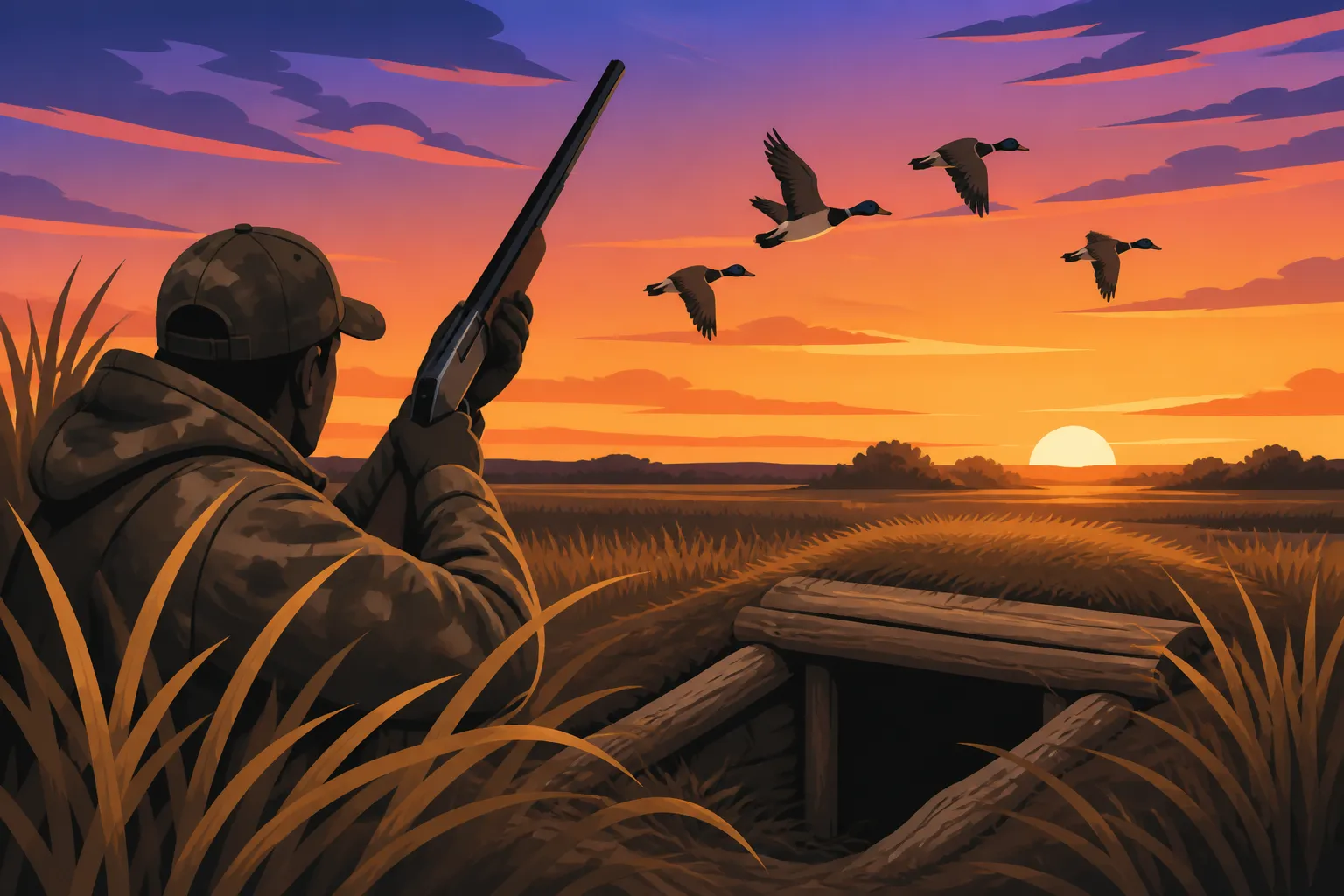
The "dusk" factor is key here. As the sun begins to dip, many game animals shift into their prime feeding and movement patterns. They feel more secure emerging from cover to feed, and often, their last stop before settling in for the night, or their first stop after rising from a daytime bed, is a drink of water. This makes the hour or two before dark an absolute hotspot for activity around these water sources. Understanding these patterns is crucial when you are Hunting a Saskatchewan Dugout at Dusk.
Scouting and Setup for Dugout Hunting
You can't just pick any dugout and expect success. Effective dugout hunting starts long before you ever step foot in the field with your weapon. It requires meticulous scouting, understanding the lay of the land, and securing proper access. This preparatory work is what separates a frustrating outing from a rewarding hunt.
Identifying Promising Dugouts and Access Points
Start your scouting by leveraging technology. Satellite imagery, which you can access through platforms like GoHunt, is an invaluable tool for identifying potential dugouts. Look for dugouts that are surrounded by good cover—bluffs, willow thickets, or even tall standing crops like corn or canola. Dugouts that are isolated in wide-open fields might see less activity during daylight hours, but ones with nearby escape routes are preferred. Pay attention to fence lines, tree lines, and topographical features like small hills or coulees that could funnel game towards the water. GoHunt's mapping capabilities can help you trace these natural travel corridors, giving you a better idea of how animals approach the dugout.
Next, you need to think about access. Most dugouts are on private land. This means Knocking on Doors in Saskatchewan Farm Country is essential. Be polite, be respectful, and ask permission well in advance. Explain your plan, and be clear about when and where you'll be hunting. Some landowners might even offer insights into game patterns on their property. Remember, gaining permission is not just about legality; it’s about building good relationships.
Reading Sign and Strategic Blind Placement
Once you've identified a promising dugout and secured permission, it’s time for boots on the ground. Circle the dugout and its immediate surroundings, looking for fresh sign. Tracks in the mud along the bank are a dead giveaway. Look for varying sizes, which can indicate different age classes of animals. Fresh droppings, rub lines on small trees or bushes, and even areas where animals have bedded down nearby can provide critical information about what species are using the dugout and how often. Reading Whitetail Sign in Saskatchewan Bluffs involves similar principles to what you'd look for around a dugout.
Your blind or stand placement is paramount. The goal is to be close enough for a clean shot but far enough away not to be detected. Consider the prevailing winds for your hunting area; you want your scent to be carried away from the dugout, not towards it. If the dugout has a willow ring or a small bluff nearby, these offer natural concealment. A ground blind tucked into such cover can be very effective. For elevated hunting, a tree stand on a sturdy poplar or willow could work, provided you have good shooting lanes. Always ensure your setup offers a clear, ethical shot at the likely approach and drinking spots. Take into account the sun's position at dusk; you don't want to be silhouetted or have the glare in your eyes.
Strategies for Dusk Hunts at the Dugout
Hunting dugouts at dusk capitalizes on predictable animal behavior, but success hinges on meticulous planning and flawless execution. The window of opportunity is often small, so every detail matters.
Wind Direction, Approach, and Scent Control
The wind is your biggest adversary and your greatest ally when hunting a dugout. Animals, especially deer and moose, rely heavily on their sense of smell. You absolutely must approach and sit with the wind in your favor, carrying your scent away from the dugout and any expected travel corridors. Before heading out, use a reliable weather app (or even a puff bottle with powder) to confirm wind direction. Have multiple entry and exit routes planned for your setup, allowing you to adapt to shifting winds without disturbing the area.
Your approach to the dugout should be as silent and stealthy as possible. Avoid crunchy leaves or snapping twigs. Walk slowly, paying attention to every step. Consider using scent-eliminating sprays or wearing scent-proof clothing. Even then, the wind is your primary defense. If the wind changes direction unfavorably during your hunt, it might be best to quietly back out and try another spot or another day. The last thing you want to do is educate animals to your presence at a prime location. Always have a plan for how you will get to and from your stand or blind without being detected by incoming game.
Patient Waiting and Ethical Shot Placement
Dusk hunting often means sitting still for extended periods. Patience is not just a virtue; it’s a requirement. Animals might appear suddenly, or they might take their time, cautiously approaching the water. Resist the urge to fidget, check your phone, or make any unnecessary movements. Keep your eyes and ears open, scanning the surrounding cover for any signs of movement. Bring a comfortable seat and dress warmly, even if the day was mild, as temperatures drop quickly at dusk. For Hunting Whitetails at Thirty Below, you'd need specialized gear, but even a crisp autumn evening can turn chilly.
When an animal finally presents itself, take your time to ensure an ethical shot. Identify the species, judge the animal, and wait for a clear, broadside or slightly quartering-away shot. Rushing a shot can lead to a wounded animal and a difficult, possibly unsuccessful, recovery. Practice your shooting before the season to ensure you're confident at various distances. After the shot, observe the animal's reaction and listen for any sounds. Mark the spot where it was standing, and where it ran, to aid in tracking.
Species-Specific Considerations Around Dugouts
While dugouts attract a variety of wildlife, different species will utilize them in unique ways. Tailoring your strategy to the specific animal you're targeting can greatly increase your chances of success.
Whitetails and Mule Deer at Water
White-tailed deer are perhaps the most common big game animal you'll find frequenting Saskatchewan dugouts. They are notoriously cautious, often pausing at the edge of cover to scan for danger before committing to drinking. At dusk, you might find them venturing out from nearby bluffs or willow runs. When you're Hunting a Willow Run for Whitetails, remember that these often lead directly to water sources like dugouts. Watch for smaller deer or does to come in first, as mature bucks often hold back, observing the scene before making an appearance. Their travel routes to the dugout will likely follow natural contours or thick cover.
Mule deer, while more associated with prairie coulees, will also use dugouts, especially in the more open, arid regions. You might find them in areas where Hunting Mule Deer in Prairie Coulees is common, and those coulees often have dugouts at their bottoms or edges. Mule deer often seem a bit less skittish in open country than whitetails, but they have excellent eyesight. Your concealment will be critical for them. They tend to graze more openly before heading to water, so be prepared for them to approach from a distance across a field before dropping into the dugout basin.
Moose, Elk, and Other Visitors
Moose are increasingly being seen on Saskatchewan farmland, and they absolutely love dugouts, especially those with cattails, willows, or surrounding wetlands. They are massive animals and often visit dugouts not just for water, but to browse on aquatic vegetation. Hunting Farmland Moose in Saskatchewan means looking for these specific water sources. While they may not be as cautious as deer, their sheer size means any slight movement or sound can send them crashing off into the bush.
Elk, too, will visit dugouts, especially if they are located near their typical grazing areas. In regions where Elk Hunting in Saskatchewan is possible, particularly in the forest fringe, dugouts can be key watering points. They might come in larger groups than deer or moose, which means more eyes and ears to contend with.
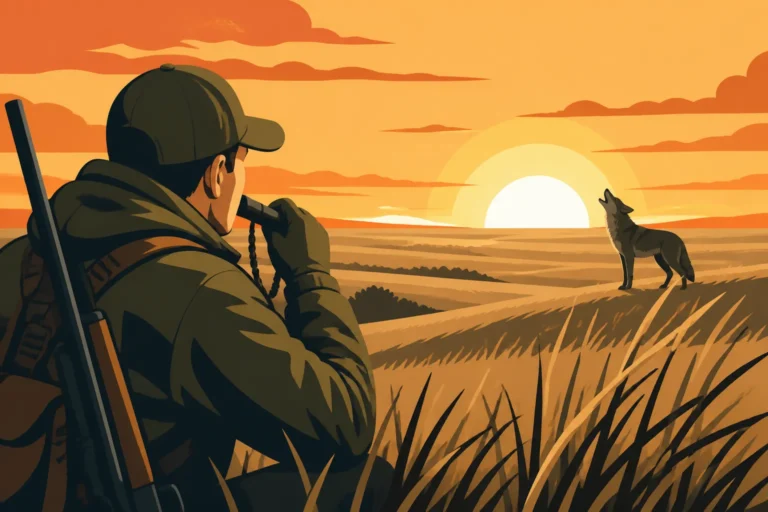
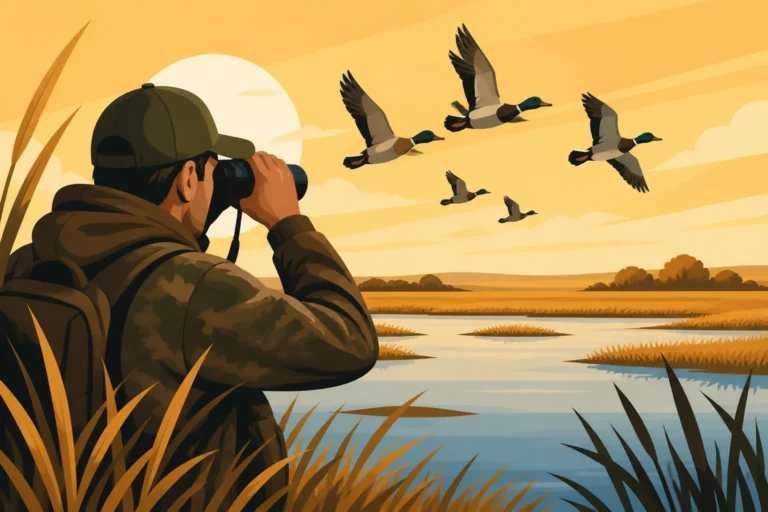
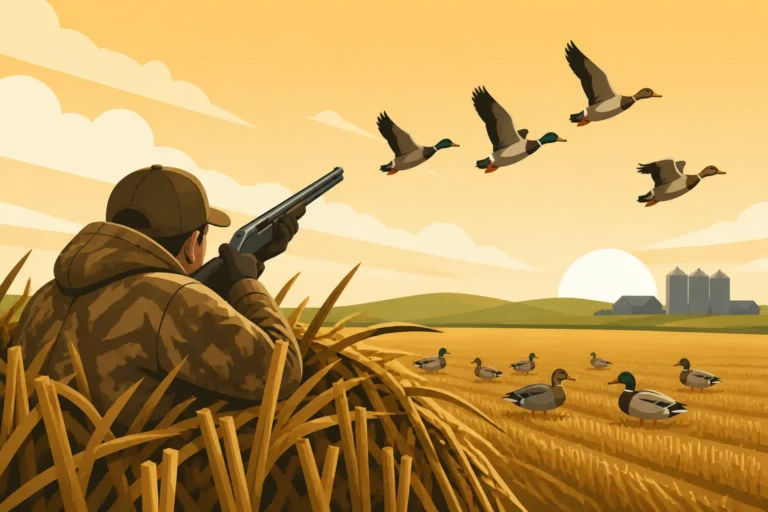
Beyond big game, dugouts are also frequented by waterfowl, which can be an excellent bonus, especially if you have a Federal Migratory Game Bird Permit and are properly licensed. Coyotes are also common visitors, often scouting the area for prey, making dugouts great spots for predator calling if the big game action is slow. Always remember that ducks and geese can create a lot of noise as they land and take off, which can alert other game.
The specific type of game you're targeting will dictate your gear, your concealment, and your shot presentation. Always be prepared for anything that might wander in.
| Species Targeted | Typical Dugout Behavior at Dusk | Key Hunting Consideration |
|---|---|---|
| White-tailed Deer | Approach cautiously from cover, may stop and scan before drinking. | Focus on scent control, good concealment, and patience. Watch for smaller deer first. |
| Mule Deer | May approach across open ground, often less skittish than whitetails but excellent eyesight. | Prioritize stealthy approach, clear shooting lanes, and stable rest for longer shots. |
| Moose | Browse on vegetation around the dugout, drink deeply. | Be ready for a large animal; ensure adequate caliber. Less concerned with scent than deer, but easily spooked by sudden movement. |
| Elk | May come in groups, typically from larger grazing areas. | Be aware of multiple animals; requires good field of view. Be ready for quick shot opportunities. |
| Coyotes | Patrol edges, may sit and watch the water, especially if prey is present. | Useful for predator calling; consider a separate setup if specifically targeting them. |
| Waterfowl | Land directly on water, feed in margins. | Requires shotgun, non-toxic shot; can be noisy and spook other game. |
Post-Hunt Protocols and Safety
Successful hunting doesn't end with a pulled trigger. It extends to the ethical and safe handling of your harvest and ensures you leave the field responsibly.
Field Dressing and Game Retrieval
Once your tag is validated, the work begins. Field dressing promptly is crucial, especially in milder temperatures, to cool the meat and ensure its quality. If you're Field Dressing in Saskatchewan's Deep Cold, conditions might be challenging, but it's still vital to get the gut pile out quickly. Have the necessary tools—a sharp knife, game bags, and gloves—ready. If you’re hunting alone, consider how you will retrieve the animal. A game cart, sled, or having a buddy to help with the drag can make a huge difference, especially with larger animals like moose.
Always ensure you adhere to all regulations regarding evidence of sex and tag validation. When transporting your game, cover it to keep it clean and prevent any road grime. Respect the landowner's property by cleaning up any mess before you leave.
Safety and Respecting the Land
Hunting always carries inherent risks, and being prepared is paramount. A good Winter Truck Kit for a Saskatchewan Hunt is essential, even if you’re just driving short distances to a dugout. This includes extra warm clothing, a first-aid kit, food, water, and emergency communication devices. Tell someone where you're going and when you expect to be back.
Most importantly, continue to uphold respect for the land and the landowner. Leave no trace of your hunt. Pick up all your garbage, including spent shell casings. If you've been granted access to private land, consider offering a small thank you (a gift basket, a bottle of something nice, or even just helping with a chore on the farm) to express your gratitude. Good hunter-landowner relationships are built on trust and respect, and they are critical for maintaining hunting opportunities in Saskatchewan.
Disclaimer
Hunting is a regulated activity. Always consult the current Saskatchewan Hunters' and Trappers' Guide for the most up-to-date regulations, season dates, and licensing requirements before heading into the field. This guide is for informational purposes only and does not supersede official government regulations.