Combining a Deer and Bird Hunt
For many hunters, the ultimate dream is to make the most of their time in the field, especially when travelling to a place as bountiful as Saskatchewan. The thought of harvesting a magnificent whitetail or mule deer in the morning and then pursuing a limit of ducks or geese in the afternoon is incredibly appealing. However, combining a deer hunt with a bird hunt isn't as simple as just packing an extra gun; it requires meticulous planning, understanding of regulations, and smart execution to avoid frustration and ensure a successful, memorable trip. This guide will walk you through the ins and outs of making that combined hunt a reality.
The Allure and Logistics of a Combo Hunt
There’s a unique satisfaction that comes from filling different tags on the same trip, truly immersing yourself in the diverse hunting opportunities Saskatchewan offers. But what makes this kind of hunt so appealing, and what are the initial logistical hurdles you'll face?
Why Combine Deer and Birds?
The appeal of a combo hunt is multi-faceted. First, it’s about efficiency. If you're already investing the time, money, and effort to travel to Saskatchewan, why not broaden your experience? Imagine the crisp morning air, patiently waiting for a whitetail buck to step out of a bluff, followed by an afternoon of fast-paced waterfowl action as thousands of geese descend into a stubble field. This variety keeps the hunt exciting, offers different challenges, and provides more opportunities for success. It also allows you to experience more of Saskatchewan's incredible wildlife, from big game to the seemingly endless flights of migratory birds that pass through each fall.
Beyond the thrill, combining hunts can maximize your chances of putting meat in the freezer or a trophy on the wall. If deer activity is slow due to weather or moon phase, you can shift your focus to birds. Conversely, if the birds aren't flying, you still have your deer pursuit to keep you engaged. It’s a dynamic way to hunt, preventing those slow days that can sometimes dampen a single-species trip. The province’s diverse landscape, from the rich agricultural fields in the south to the aspen parkland and forest fringe, often means prime habitat for both deer and birds is found in surprisingly close proximity, making these transitions feasible.
Season Overlaps and Planning Challenges
The biggest logistical puzzle piece for a successful combo hunt is timing. Saskatchewan's hunting seasons are specific, and while many overlap, the prime times for deer and birds might not perfectly align, or they might put you in a very busy hunting period. Generally, the late September and October timeframe often presents good opportunities. Archery deer seasons usually open in September, and rifle seasons kick off in late October or early November, which also coincides with the peak of the waterfowl migration.
However, "overlap" doesn't always mean "peak." Early goose season might be fantastic in September, but the rut for whitetails typically doesn't ramp up until November. You'll need to decide which species is your priority and then plan around that, using the overlapping period for secondary pursuits. For example, if a big whitetail buck is your primary goal, you might focus on Hunting the Rut in Early to Mid November, but still have your bird hunting gear ready for any opportunity that arises, especially during midday lulls in deer movement. Researching Saskatchewan Big Game Season Dates and Saskatchewan Game Bird Seasons and Limits thoroughly is your first step. It's not uncommon for hunters to spend the first few days dedicating themselves to deer, and then shifting to a full-time bird hunt, or vice-versa, depending on conditions and success.
Here's a general idea of how seasons might align for a combo hunt:
| Species Category | Prime Deer Hunt Window | Prime Bird Hunt Window | Potential Combo Overlap |
|---|---|---|---|
| Whitetail Deer | Late Oct – Mid Nov (Rifle) | Sep – Oct (Waterfowl) | Late Oct – Early Nov |
| Mule Deer | Late Oct – Mid Nov (Rifle) | Sep – Oct (Waterfowl) | Late Oct – Early Nov |
| Waterfowl (Ducks/Geese) | Sept – Oct | Sept – Early Nov | Sept – Early Nov |
| Upland Birds (Grouse/Partridge) | Sept – Early Nov | Sept – Early Nov | Sept – Early Nov |
Remember, these are general windows, and specific zones will have their own opening and closing dates. Always check the official Saskatchewan hunting guide for the most current information. The exact timing can vary year to year with weather patterns and migration, so flexibility and detailed pre-trip scouting, perhaps using tools from a company like GoHunt, can be invaluable.
Essential Considerations for a Successful Combo
Once you've decided a combo hunt is for you, it's time to dig into the practicalities. This isn't just about throwing more gear into your truck; it’s about understanding the specific requirements for each type of hunting.
Licensing and Permits: Double the Paperwork
You're essentially applying for two different types of hunting experiences, which means two distinct sets of licenses and permits. For deer, you'll need your provincial big game license, which often requires participation in a draw if you're targeting specific species like moose or elk, or certain zones for mule deer. Saskatchewan's HAL Account and Licensing is the system you'll use to manage these. You'll also need a Wildlife Habitat Certificate.
For migratory birds (ducks, geese, sandhill cranes), you'll need a federal Migratory Game Bird Permit in addition to your provincial game bird license. These are often purchased through your HAL account or designated vendors. It's critical to understand that these are separate entities, each with its own regulations, bag limits, and often, specific conservation stamps. Many new combo hunters forget that federal migratory bird regulations are in play, not just provincial ones. Be sure to carry all necessary physical and digital permits at all times in the field. Non-residents, in particular, will face additional requirements and often must book with a licensed outfitter for big game, which might simplify some of the permit processes, but the responsibility still falls on the hunter to be properly licensed.
Gear and Equipment: From Rifles to Shotguns
This is where your packing list gets interesting. You’ll need gear suitable for both big game and bird hunting, which means careful consideration of what to bring without overloading yourself.
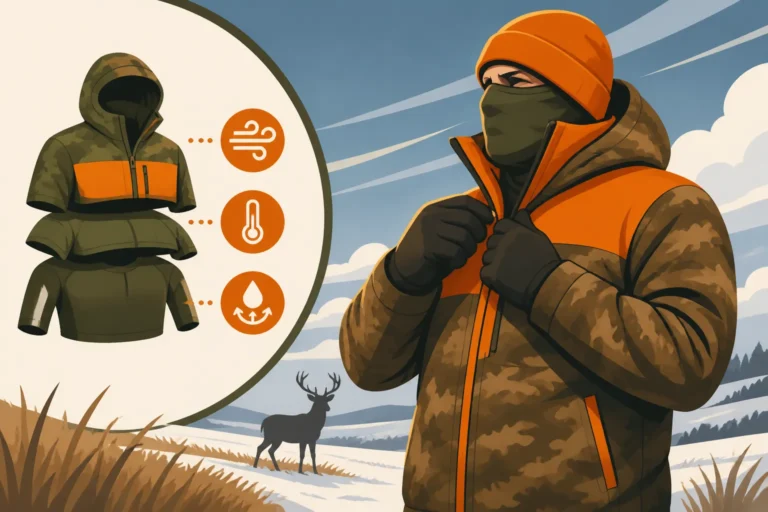
For big game, particularly deer, you’re likely looking at a rifle (or bow, if hunting archery season). This includes your primary firearm, suitable ammunition, optics (binoculars, rangefinder, rifle scope), and all your deer hunting essentials like scent control, calls, warm clothing for long sits, and a quality knife for field dressing. Don't forget proper blaze orange requirements for rifle season. Reviewing Legal Firearms and Bows for Big Game is a must.
For bird hunting, you'll need a shotgun, appropriate non-toxic shot shells (a federal requirement for waterfowl – see Non-Toxic Shot Requirements for Waterfowl), and all the accessories that go with it: waders if you're pothole hunting, blinds or camoflage, and perhaps even decoys if you're setting up a spread for geese. The clothing requirements can differ too; while deer hunting might involve more muted, scent-controlled gear, bird hunting often requires specialized camouflage patterns or darker tones, depending on the environment.
A common challenge is consolidating this gear. Do you bring two separate firearms? Many hunters opt for one rifle and one shotgun. Others might choose a versatile shotgun capable of handling different loads, or perhaps even a single-shot rifle-shotgun combo if legal and practical for their target species. The key is to pack smart, prioritize multi-use items, and ensure all your gear is in top working condition. You don't want to be fumbling with unfamiliar equipment when an opportunity arises.
Strategies for Maximizing Your Combined Experience
Executing a successful combined hunt isn’t just about having the right licenses and gear; it’s about having a smart strategy for how you approach your time in the field.
Scout Smart, Hunt Hard
Scouting is paramount for any hunt, but for a combo hunt, it takes on added complexity. You need to identify promising areas for both deer and birds, ideally in proximity to each other. For deer, this means looking for fresh sign: rubs, scrapes, tracks, and bedding areas, often near food sources and cover, such as a Hunting a Bluff Between Two Fields or a Hunting a Willow Run for Whitetails. For birds, you're looking for feed fields (peas, lentils, barley, wheat, corn) where geese are dropping in, or potholes and sloughs where ducks are congregating.
Satellite imagery and apps like those offered by GoHunt can be incredibly useful for pre-scouting, identifying potential deer travel corridors and likely bird feeding or roosting areas. Once on the ground, dedicate specific time to scout for each species. This might mean driving the grid roads in the evening looking for geese, and then switching to walking bush edges in the morning for deer sign. Landowner permission is also a huge factor in Saskatchewan, especially for bird hunting on private agricultural land. You'll need to be diligent in obtaining Saskatchewan Landowner Permission Law for both types of hunting, which often means knocking on doors well in advance. Having a clear plan for what you'll hunt each day, or even each part of the day, will prevent wasted time.
Utilizing Outfitters for Seamless Integration
For many, especially non-residents who require an outfitter for big game, booking a combo hunt through a licensed Saskatchewan outfitter is the most straightforward way to manage the logistics. Outfitters often specialize in particular species, but many now offer "combo packages" specifically designed to give you a taste of both deer and bird hunting. These packages can simplify everything: they handle permits (or guide you through the process), provide accommodation, transport you to prime hunting locations, and often have specific areas scouted for both species.
For example, a big game outfitter might have proven deer stands or blinds, and also have relationships with local farmers to secure access to prime goose fields. This removes a tremendous amount of stress and guesswork, especially if you're unfamiliar with the local terrain and regulations. When researching, don't hesitate to ask outfitters directly about their combo hunt success rates and what a Saskatchewan guided hunt includes for both deer and birds. Websites like BookYourHunt can be a good starting point for finding outfitters who advertise these types of combined experiences, allowing you to filter by species and services offered. Be clear about your expectations and priorities when discussing your trip with them.
Managing Your Time in the Field
The biggest challenge in a combo hunt can be time management. You only have so many hours in a day, and attempting to do too much can lead to burnout or compromise the quality of both hunts. A common strategy is to dedicate mornings to deer hunting, as deer are often most active during the first few hours of daylight. This might involve sitting in a treestand on a Hanging a Stand on a Saskatchewan Bush Edge or still-hunting through a poplar bluff.
After a few hours, once deer activity slows, you can transition to bird hunting. This could mean driving to a pre-scouted field for geese, jumping ducks in potholes, or walking shelterbelts for sharp-tailed grouse or Hungarian partridge. The flexibility is key. If a big buck appears in the morning, your bird hunt might be cancelled or shortened. If the birds are really working a field, you might dedicate a full day to them. The weather can also dictate your strategy; extremely cold or windy conditions might favour bird hunting where you're more mobile, while calm, crisp mornings are ideal for deer. Remember, sometimes less is more. Don't try to cram too much into one day. Focus on quality opportunities over quantity.
Common Pitfalls and How to Avoid Them
Even with the best intentions, combo hunts can go sideways if you're not prepared for specific challenges. Anticipating these issues can save you a lot of headache and potentially salvage your trip.
Underestimating the Demands
A combined hunt is physically and mentally demanding. You're essentially conducting two different hunts, each requiring its own focus and energy. Early mornings for deer, potentially followed by long walks in stubble fields for birds, can wear you down quickly. The mental shift from the patient, quiet stillness of a deer stand to the fast-paced, high-volume shooting of a waterfowl blind requires adaptability.
Don't underestimate the sheer volume of gear you'll be hauling around, loading, and unloading. Being physically fit before your trip will greatly enhance your enjoyment and success. Mentally, be prepared for days when one or both species aren't cooperating. It's easy to get frustrated if your deer hunt isn't producing and your bird hunt is slow. Maintain a positive attitude, be flexible, and enjoy the broader experience. Remember, you're in one of the best hunting destinations around, even on a slow day. Taking breaks, ensuring good nutrition, and getting enough rest are just as crucial as having the right gear.
Legalities and Regulations: Don't Get Caught Off Guard
Saskatchewan's hunting regulations are comprehensive, and understanding them for both big game and migratory birds is absolutely critical. Ignorance of the law is not an excuse. Beyond needing both sets of licenses, you need to know the specific season dates for your zone, daily bag limits, possession limits, shooting hours, and legal methods of take for each species.
For instance, shooting hours for big game typically differ from those for migratory birds. There are specific rules for tagging big game animals immediately after a kill (see Saskatchewan Tag Validation Rules), and distinct requirements for how you transport game meat. You also need to be aware of regulations regarding baiting (which is generally not allowed for big game but common for bears), using electronic calls (legal for some predators and snow geese, but not for most big game or other waterfowl), and firearm restrictions. For waterfowl, specific rules apply to how many shells you can have in your shotgun (a plug is usually required to limit capacity to three shells).
Always carry a current copy of the Saskatchewan Hunters' and Trappers' Guide, either physically or digitally on your phone, and review the sections pertaining to both deer and the specific bird species you intend to pursue. If you’re ever in doubt, err on the side of caution or contact the local conservation officers for clarification. Responsible hunting means understanding and adhering to all applicable laws and regulations.
Disclaimer
This article is for general informational purposes only and does not constitute professional advice. Laws, prices and regulations vary by location and change over time. Consult a qualified professional for guidance on your specific situation.