Finding a Saskatchewan Hunting Lease
Finding prime hunting ground in Saskatchewan can feel like an increasingly tough challenge, especially with more and more land being posted or developed. It's frustrating when you spend countless hours scouting, only to find your favourite spots are suddenly off-limits or crowded. This guide is all about exploring hunting leases in Saskatchewan as a viable solution, offering a detailed look into how they work, where to find them, and what to consider to secure your own piece of hunting paradise.
The Evolving Landscape of Hunting Access in Saskatchewan
For many years, the idea of "just knocking on doors" was the go-to strategy for accessing private land in Saskatchewan. You'd roll up to a farmyard, ask politely, and often walk away with permission for the day, or even the season. While that friendly, handshake approach still works in some areas, the reality is that the landscape of hunting access is changing, and it's becoming more competitive and complex.
One of the biggest shifts we've seen is the sheer volume of hunters, both residents and non-residents, all vying for quality ground. This increased pressure, coupled with a growing awareness among landowners of the value of their property for hunting, means that simply showing up unannounced isn't always enough anymore. Landowners are often bombarded with requests, and they're looking for reliable, respectful hunters who can offer something more than just a quick thank you. They might be concerned about liability, property damage, or even just managing who is on their land at any given time. This is where the concept of a hunting lease really starts to make sense for both parties. It provides a formal agreement, clarity, and often, a dedicated space for you to hunt without constant worry about competition or losing your spot year after year.
Another factor is the rise of organized hunting operations, including outfitters who often secure large tracts of land, further limiting general public access. While these outfitters play a vital role in showcasing Saskatchewan's incredible hunting to the world, they also naturally reduce the available private land for resident hunters. It’s not a criticism, just a reality of how the industry has grown. For the average hunter, this can feel like being squeezed out, making the proactive pursuit of a lease an attractive alternative to the uncertainty of public land or the hit-or-miss nature of cold-calling landowners. Knowing the rules around Saskatchewan Landowner Permission Law is crucial, whether you're leasing or just asking for a day pass.
Your Blueprint for Finding a Saskatchewan Hunting Lease
Finding a hunting lease isn't always about stumbling upon a "For Lease" sign. It often requires a proactive, multi-pronged approach. Think of it less like shopping for groceries and more like building a relationship or undertaking a targeted scouting mission.
Leveraging Online Resources and Digital Tools
In today's connected world, technology offers some powerful tools for identifying potential lease opportunities and the landowners behind them. While dedicated Saskatchewan hunting lease websites might be scarce, you can use general land-listing platforms that sometimes include hunting leases, or leverage property assessment tools.
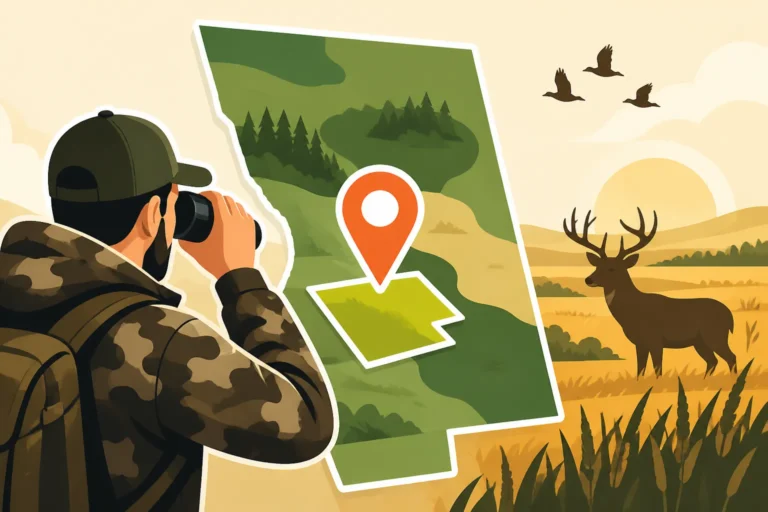
One of the most valuable resources you can tap into is satellite imagery and land ownership mapping. Programs and apps like onX Hunt or even services like GoHunt have revolutionized how hunters scout and identify private land. These tools allow you to overlay property lines on detailed aerial maps, often showing landowner names. This isn't about trespassing or being intrusive; it's about being informed. Knowing who owns the land adjacent to promising habitat or productive Crown land parcels allows you to make a direct, informed approach. For instance, if you've been Hunting a Saskatchewan Bush Bluff that's clearly productive, but it's on private land, these maps can tell you exactly whose door to knock on.
When using these platforms, look for parcels that exhibit good habitat—think dense cover, proximity to water sources, and productive agricultural fields. Identify landowners who own large tracts or multiple adjacent quarters. These are often the individuals who might be more amenable to a formal lease agreement, as it streamlines their own management of hunting pressure. Utilize the satellite views to spot potential pinch points, bedding areas, or travel corridors that might make a particular quarter section desirable. Remember, Scouting With Satellite Imagery in Saskatchewan is a fantastic starting point.
Building Local Connections and Networking
Despite the digital age, old-fashioned networking and local connections remain incredibly potent when it comes to finding a hunting lease. Saskatchewan is a province built on community, and often, the best opportunities arise through word of mouth.
Start by immersing yourself in the local hunting community. Attend Saskatchewan Wildlife Federation branch meetings in areas you're interested in. Engage with local businesses like feed stores, co-ops, or hardware shops in rural towns—these places are often hubs of local information and gossip. Striking up conversations, explaining your interest in ethical hunting, and expressing your desire for a long-term, respectful arrangement can go a long way. Farmers and ranchers often know their neighbours' land and may be able to put you in touch with someone considering a lease.
Don't underestimate the power of simply being present and visible in the area. Driving around, observing game movement, and talking to people can lead to unexpected leads. Maybe a farmer is tired of dealing with casual requests and would prefer a formal lease with a reliable party. Perhaps someone mentions their cousin is thinking of cutting back on their own hunting and might be open to leasing out their property. This approach requires patience and persistence, but it builds trust, which is invaluable. When you do approach landowners, refer to this guide on Knocking on Doors in Saskatchewan Farm Country for best practices.
The Direct Approach: Crafting a Winning Proposal
Once you've identified potential landowners, how you approach them is critical. This isn't about a quick sale; it's about proposing a mutually beneficial partnership.
- Be Prepared and Professional: Don't just show up unannounced and unprepared. Have a clear idea of what you're looking for (e.g., deer, waterfowl, specific dates). Dress respectfully, speak clearly, and present yourself as a responsible, ethical hunter.
- Highlight Mutual Benefits: A lease isn't just for you; it can benefit the landowner too. Emphasize how you can help them manage game populations, reduce crop damage (if applicable), or simply provide a reliable income stream without the hassle of constantly fielding requests. Offer to help with minor tasks around the property, if appropriate, or to keep an eye on things when you're there.
- Offer a Formal Agreement: Even if they initially suggest a handshake deal, gently propose a written lease agreement. This protects both parties, outlining expectations, responsibilities, and terms. It shows you're serious and professional. You can even bring a sample draft of a simple lease agreement to show them you're thinking proactively.
- Be Flexible and Respectful: Landowners have legitimate concerns. Listen to their needs, address their worries about liability, gates being left open, or livestock safety. Be open to their terms and conditions. If a property isn't suitable, move on gracefully. Remember, the goal is a positive, long-term relationship. For more tips on how to interact with landowners, check out Asking a Saskatchewan Landowner for Permission.
Navigating the Nuances of a Hunting Lease Agreement
Once you've found a landowner who's interested, the next step is formalizing the agreement. This is where the details really matter, ensuring clarity and avoiding misunderstandings down the road.
Understanding Lease Terms and Conditions
A well-crafted hunting lease should cover all the important aspects of your agreement. This isn't just legal jargon; it's the foundation of a successful hunting partnership.
| Aspect | Key Considerations |
|---|---|
| Duration of Lease | Will it be for one season, multiple years, or a rolling agreement? Longer terms offer more stability. Ensure renewal options are clear. |
| Species Covered | Specify exactly which species you are allowed to hunt (e.g., whitetail deer only, or includes upland birds and waterfowl). |
| Number of Hunters | Clearly state how many hunters (including yourself) are permitted on the property at any one time, or throughout the season. Are guests allowed? Do they need to be named on the agreement? |
| Exclusive Access | Is your lease exclusive, meaning no one else, including the landowner or their family/friends, will hunt the property? Or is it non-exclusive? This is a critical point for managing hunting pressure. |
| Access Routes | Define specific entry and exit points, and any designated parking areas. Can you use vehicles (ATVs, trucks) on the property, and if so, where? Sticking to established trails or designated routes is usually a good idea, especially on agricultural land. |
| Stand/Blind Placement | Are you allowed to put up treestands, ground blinds, or permanent structures? Are there restrictions on cutting vegetation? What happens to these structures at the end of the season? Discussing Hanging a Stand on a Saskatchewan Bush Edge should be part of this conversation. |
| Camping & Facilities | Is camping allowed? If so, where, and for how long? Are there any facilities you can use (e.g., an old shed for storage)? What are the rules regarding fires and waste disposal? |
| Liability and Insurance | This is paramount. Discuss who is responsible for what in case of accidents or incidents. Many landowners will require you to carry liability insurance and name them on your policy. This protects everyone involved. |
| Payment Terms | How much, when, and how will payments be made? Are there any penalties for late payment? What happens if you need to cancel? |
| Game Retrieval | What are the rules for retrieving game? Can you track wounded animals onto adjacent properties if needed? What about using a quad to get out a large animal like a moose if you're Quartering a Moose Alone in the Bush? |
Clearly outlining these terms ensures that both you and the landowner are on the same page, preventing potential conflicts or misunderstandings throughout the season. It’s also important to remember that laws and regulations can change, so staying informed is key.
Understanding the Cost and Value of a Lease
The cost of a hunting lease in Saskatchewan can vary dramatically. There isn't a fixed price per acre or per animal; it's a negotiation based on many factors. These factors include:
- Location: Properties closer to major urban centres or in highly productive game zones (like the Forest Fringe) often command higher prices.
- Game Density and Quality: Lands known for holding large numbers of game animals, or consistently producing trophy-class animals, will naturally be more expensive. A landowner with a history of big bucks might expect more for their Saskatchewan's Top Typical Whitetails producing property.
- Habitat Quality: Diverse habitat with a mix of cover, food, and water sources adds value. A quarter section with a productive willow run, a mature bluff, and adjacent crop fields is more desirable than open pastureland.
- Amenities: Some leases might include access to a cabin, storage sheds, or even pre-placed stands, which can increase the price.
- Demand: In areas with high hunting pressure, demand for private leases will drive up costs.
It’s crucial to view a hunting lease as an investment. While the upfront cost might seem significant compared to the "free" access of public land, consider what you're gaining: consistency, reduced competition, potentially higher quality game, and peace of mind. For many, the ability to focus purely on hunting, without constantly worrying about where to go or who else will be there, is worth every penny. For more detailed information, look into Saskatchewan Hunting Lease Costs.
Building a Lasting Relationship with the Landowner
A lease agreement is just a piece of paper; the real value lies in the relationship you build with the landowner. This relationship is what often ensures renewal year after year and can even lead to other opportunities.
- Communication is Key: Keep the lines of communication open. Inform them when you'll be on the property, and if you see anything unusual (e.g., downed fences, suspicious activity).
- Be a Good Steward: Treat their land as if it were your own, or even better. Pack out all your trash, respect crops and livestock, close gates, and drive only where permitted. Leave the land better than you found it.
- Share Your Success (Appropriately): Offer a package of wild game meat, or a photo of your successful harvest. This shows appreciation and reinforces the value of the lease.
- Offer Help: If you see a fence that needs mending or a small task you can assist with, offer your time. Even a small gesture can go a long way in strengthening the relationship. Being a responsible hunter and neighbour will make you an invaluable lessee. Check out Saskatchewan Landowner Relations for Hunters for more insights.
By meticulously navigating these steps, from initial research to cultivating a strong relationship, you significantly increase your chances of securing a rewarding hunting lease in Saskatchewan.
Disclaimer
This article is for general informational purposes only and does not constitute professional advice. Laws, prices and regulations vary by location and change over time. Consult a qualified professional for guidance on your specific situation.