When Saskatchewan’s Big Game Draw Opens
There’s nothing quite as frustrating as having your heart set on a Saskatchewan hunting adventure, meticulously planning your season, only to realize you’ve missed a critical deadline. Trust me, we’ve all been there, staring at a calendar wondering how those important dates slipped by. This comprehensive guide is here to ensure that never happens again, specifically by walking you through exactly when Saskatchewan’s annual Big Game Draw typically opens, how to apply, and what to keep in mind to maximize your chances.
Understanding the Annual Saskatchewan Big Game Draw Calendar
The Saskatchewan Big Game Draw is essentially the gateway for resident hunters to pursue many of the province's most coveted species, like prime antlered mule deer, elk, and moose. Knowing when this draw opens is the very first, most crucial step in securing those highly sought-after tags. It's not just a matter of checking a website once; it's about understanding the rhythm of the draw year after year.
Why Timing is Everything for Your Application
Missing a draw opening or, worse, the application deadline, can feel like a punch to the gut. All that anticipation, all that scouting, all those dreams of big Saskatchewan animals can vanish in an instant. This isn't just about forgetting a date; it's about understanding that these opportunities are often once-a-year chances. If you miss the window for, say, a coveted antlered moose tag in a specific zone, you simply don't get another shot at that species in that zone until the following year's draw. The stakes are genuinely high, and the competition for many of these tags is fierce, making timing paramount.
It's also important to remember that many of the province’s most productive zones for trophy animals are draw-only. This means that if you're targeting a mature whitetail in a specific forest fringe area known for big bucks, or a bull moose in the productive farmlands, your only shot might be through this draw. By being prepared and submitting your application promptly, you're not just participating; you're demonstrating your commitment to the hunt. A missed deadline isn't just a minor inconvenience; it can mean sitting out an entire season for your preferred species or zone, which is a tough pill to swallow for any dedicated hunter.
Think about the long-term planning involved. Many hunters spend months, even years, scouting areas, talking to landowners, and researching specific wildlife management zones (WMZs). All that effort hinges on actually getting a tag in hand. Imagine putting in all that groundwork for a prime opportunity to go Hunting Whitetails in Saskatchewan's Forest Fringe, only to realize the draw closed last week. It’s a completely avoidable situation, and by staying on top of the dates, you're setting yourself up for success long before you ever step foot in the field.
Key Dates: When the Draw Kicks Off
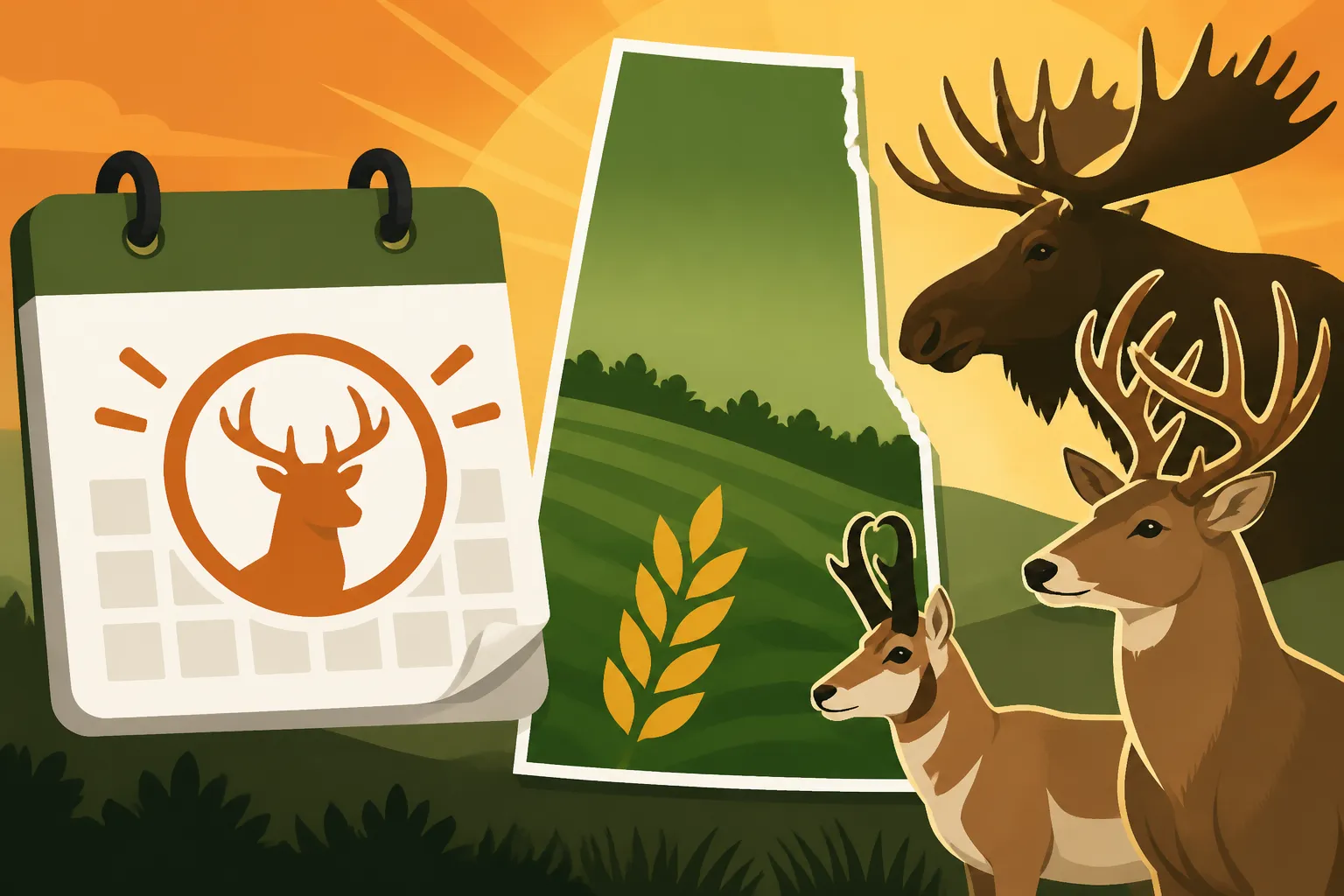
While exact dates can shift slightly from year to year, the Saskatchewan Big Game Draw consistently opens in early May. Historically, this has been a fairly reliable window, typically kicking off in the first or second week of the month. This early May timeframe provides hunters with a solid month to submit their applications, as the deadline usually falls in late May, generally around the 25th. Knowing this consistent window is your first line of defense against missing out.
The primary platform for applying is your Saskatchewan Hunter and Angler Licence (HAL) account. This online portal is where all resident hunters manage their licenses, apply for draws, and access their hunting history. When the draw opens, the option to apply for big game species will become active within your personal HAL account. It's always a good practice to log into your account a week or two before the anticipated opening just to ensure all your details are up-to-date and you're familiar with the interface.
To confirm the precise opening date for any given year, your best bet is to regularly check the official Saskatchewan Ministry of Environment website. They typically post the specific dates well in advance, often with an official news release or update. Signing up for email notifications from the Ministry is also a smart move, as they'll often send out reminders for important deadlines. While the "early May" rule of thumb is very strong, a quick check of the official sources will eliminate any doubt and give you the exact calendar entries you need to make. Keep in mind that while the dates are largely consistent, sometimes unforeseen circumstances or administrative changes might push things back or forward by a few days, so direct confirmation is key.
Navigating the Saskatchewan HAL Account for Draw Entry
Your Saskatchewan Hunter and Angler Licence (HAL) account is more than just a place to buy your annual licenses; it’s the central hub for all your hunting and fishing activities in the province. Think of it as your digital hunting identity. Effectively using this system is absolutely crucial for participating in the Big Game Draw.
Setting Up and Managing Your Online Profile
If you’re new to hunting in Saskatchewan, or perhaps you haven’t hunted in a few years, the very first step is to Creating a HAL Account Online. This process is straightforward but requires accurate personal information. You’ll need to provide details like your name, date of birth, and contact information. Once established, this account will house all your licensing information, your hunting history, and most importantly, your unique Saskatchewan Hunter Number. This number is your primary identifier in the system, and you’ll often need it for various hunting-related inquiries or applications. If you've hunted before but can't recall your number, the HAL account portal has a recovery option, or you can find your number easily once you log in. Knowing Finding Your Saskatchewan Hunter Number is a must before you even think about the draw.
It's absolutely essential to keep your contact information, especially your email address, current within your HAL profile. This is how the Ministry communicates important updates, draw notifications, and even your draw results. Imagine missing out on a drawn tag notification simply because you changed your email address and forgot to update your HAL account! Similarly, ensuring your mailing address is correct is important for any physical correspondence, although most communications are now digital. Proactive management of your HAL account ensures you never miss a beat and are always ready for the next opportunity, whether it's the Big Game Draw or purchasing an over-the-counter licence later in the year.
The Application Process: Step-by-Step
Once the draw officially opens in early May, logging into your HAL account is the next logical step. From your personal dashboard, you’ll typically see a prominent section or link dedicated to "Big Game Draw Applications." Clicking this will take you into the application portal where you can begin selecting your desired species and zones. This is where your pre-draw research really pays off. You'll be presented with a list of available species, such as whitetail deer, mule deer, moose, and elk, and then you'll select the specific Wildlife Management Zone (WMZ) you wish to apply for. Be very careful here, as selecting the wrong zone can be a costly mistake.
For many hunters, especially those who prefer to hunt with friends or family, the option to apply as a party is a game-changer. Saskatchewan’s system allows hunters to link their applications, meaning if one person in the party draws a tag, everyone in that party draws. This can be a huge advantage, especially for group hunts. If you're planning on Applying as a Party in Saskatchewan's Draw, make sure all members of your party have valid HAL accounts and their Hunter Numbers ready. One person typically initiates the party application and then invites others. It’s crucial that all party members accept the invitation and complete their portion of the application before the deadline.
Before you hit that final "submit" button, take a moment—or five—to thoroughly review every single detail of your application. Double-check the species, the WMZ, and confirm that all party members are correctly listed and their applications linked. This is also where you'll see What a Draw Application Costs, which is usually a small, non-refundable fee. Once submitted, changes are typically not permitted, so accuracy is paramount. A single mistake could mean your application is invalid or you apply for a zone you didn't intend to hunt, leading to immense disappointment later.
Strategies for a Successful Draw Application
Just knowing when the draw opens isn't enough; you need a solid strategy to increase your odds of success. Saskatchewan's draw system, with its priority pools and diverse hunting zones, demands a thoughtful approach. It’s not simply about throwing your name in the hat; it’s about making informed choices.
Researching Zones and Species Before Applying
One of the biggest mistakes a hunter can make is applying for a random zone without doing their homework. Saskatchewan is a vast province, and hunting opportunities, animal densities, and trophy potential vary wildly from one WMZ to another. Before the draw even opens, you should be deep into researching which zones offer the best chance for the species you're targeting. Are you dreaming of a monster whitetail? Some zones are consistently known for producing larger deer. Is an elk on your bucket list? Certain regions hold healthier, more abundant elk herds. Utilizing resources like the provincial hunting guide, local hunting forums, and even scouting apps like GoHunt can provide invaluable insights into population trends, success rates, and the general character of different WMZs.
For example, if you're set on a specific type of hunt, like trying to call in a bull moose, you'll want to focus on zones where moose populations are robust and accessible, perhaps Calling Moose in Saskatchewan's Bush. Conversely, if you're hoping for a trophy mule deer, your focus should be on the open prairie and coulee country of the southwest. This research isn't just about general location; it’s about understanding the specific draw odds. Some zones for highly desired species, like trophy moose or antlered mule deer, can have notoriously low odds, often requiring many years of accumulated priority to draw. Knowing Saskatchewan Trophy Moose Draw Odds or Which Zones Draw Fastest for Mule Deer can help you decide whether to apply for a long-shot dream tag or a more attainable one.
This strategic research also helps align your application with your hunting goals. Do you prioritize a guaranteed tag, even if it's for an antlerless animal or a less popular zone? Or are you willing to play the long game for that once-in-a-lifetime trophy? Your research will inform these choices. GoHunt, for instance, often provides detailed draw odds and historical data that can greatly assist in this decision-making process. By understanding the lay of the land, both literally and figuratively in terms of draw success, you're making an educated choice rather than a hopeful guess, which is crucial for maximizing your draw success over time.
Understanding Saskatchewan's Priority Pools
Saskatchewan's Big Game Draw isn't a simple lottery; it operates on a priority pool system designed to give unsuccessful applicants a better chance in subsequent years. This system is a critical component of any successful long-term draw strategy. Essentially, for most big game species, every year you apply and are unsuccessful, you accumulate a "priority" point, moving you into a higher pool. The higher the pool you're in, the better your chances of drawing a tag. This system rewards persistence and is designed to eventually get every dedicated hunter a tag.
When you first start applying for a draw, you typically begin in the "general" pool. As you apply and are unsuccessful, you'll move into higher priority pools like the SuperA and eventually the Legacy pool for some species. Understanding Which Pool a New Applicant Starts In is essential for setting realistic expectations. For species with extremely high demand, like certain antlered moose or elk tags, it can take many years, even decades, to accumulate enough priority to draw a tag in the most sought-after zones. Hunters who draw a tag then reset their priority for that specific species, dropping back down to the lowest pool. This reset is why it's so important to consider What Happens to Your Pool After a Draw – it’s part of the give-and-take of the system.
This priority system encourages strategic application. For example, if you're primarily a whitetail hunter, you might choose to apply for a draw-only whitetail tag every year to build priority, even if your immediate goal is to hunt an open-season deer. This way, when your priority gets high enough, you might secure a tag in a premier zone. Alternatively, some hunters will apply for less popular species or zones where the odds are higher, to try and get a tag more quickly, knowing it will reset their priority for that particular species. It's a balance between instant gratification and long-term ambition, and understanding how the priority pools work is key to making those strategic decisions for your Saskatchewan hunting future.
Common Pitfalls and How to Avoid Them
Even with the best intentions, it’s surprisingly easy to fall prey to common mistakes that can jeopardize your Big Game Draw application. Avoiding these pitfalls is just as important as knowing the opening dates.
Overlooking Deadlines and Notifications
This is, by far, the most common and heartbreaking mistake hunters make: simply missing the application deadline. You can have all the research in the world, the perfect WMZ chosen, and a high priority, but if you don't submit your application by the cut-off, it's all for naught. The Saskatchewan's Big Game Draw Deadline is usually quite consistent, typically in late May, around the 25th, but it's never wise to assume. A calendar reminder is your absolute best friend here. Set multiple alarms on your phone, mark it boldly on a physical calendar, and ask a hunting buddy to remind you.
Beyond the application deadline, it’s also crucial to pay attention to official notifications from the Ministry of Environment. These notifications often contain crucial information, sometimes even announcing minor changes to draw rules or specific zone allocations. If you haven't enabled email notifications through your HAL account, you're essentially flying blind. Imagine waiting patiently for draw results only to find out they were posted weeks ago, and the deadline to purchase your drawn licence has passed because you missed the notification. This happens more often than you’d think and is a truly frustrating consequence of overlooking these essential communications.
The repercussions of missing deadlines are absolute. There are no extensions, no exceptions for "I forgot," and no pity applications. Once the portal closes, it closes. This means you lose a year of building priority, a year of potential hunting in a draw-only zone, and a year of opportunity. The best way to mitigate this risk is to be proactive: mark down all the important dates as soon as they're announced, set digital reminders, and make a habit of checking your HAL account and the Ministry website regularly during the draw period. Don't leave it to chance or rely on word-of-mouth.
Double-Checking Your Application Details
You've done the research, you know the dates, and you're logged into your HAL account. Now comes the moment of truth: filling out the application. This isn't the time to rush. Common mistakes here include selecting the wrong WMZ, accidentally applying for the wrong sex of animal (e.g., antlerless instead of antlered), or even an error in a party application where someone forgets to accept the invite. These small errors can have significant consequences, potentially rendering your application invalid or leading to a tag you didn't actually want.
A real-life scenario might be a hunter who meticulously scouted WMZ 45 for a prime whitetail hunt, only to mistakenly select WMZ 44 during the hurried application process. If they draw a tag for WMZ 44, they are legally bound to hunt in that zone, regardless of their original intent or scouting efforts in WMZ 45. There's usually no opportunity to change your application once it's been submitted and the draw closes. The system is designed for finality once you confirm your choices.
Therefore, before you click that final "submit" button, treat it like a mission-critical operation. Read through every field. Confirm the species. Confirm the WMZ number. If you're applying with a party, make sure every member is listed correctly and has completed their part. Even a slight misspelling of a name or an incorrect birthdate could create an issue. Taking an extra five minutes to meticulously review your application can save you months of disappointment and frustration. It's a small investment of time that can safeguard your entire hunting season.
What Happens After You Apply
The application is submitted, the deadline has passed, and now the waiting game begins. This period of anticipation can be almost as intense as the hunt itself, as you eagerly await the results that will determine your season.
Waiting for Draw Results and Licence Sales
Once the application window closes, the Ministry of Environment conducts the draw. This process can take several weeks as thousands of applications are processed against available tag allocations and priority pools. The exact timeframe varies each year, but typically, hunters can expect When Draw Results Are Posted sometime in June. Notifications are primarily sent via email to the address on file in your HAL account, and the results are also made available directly within your HAL portal. It’s crucial to keep an eye on your inbox (and junk mail folder!) during this period.
The moment you see that notification, a mix of anxiety and excitement takes over. Logging into your HAL account to check your status is a ritual for many hunters. You'll either see a message confirming you were successful and indicating which tag you drew, or a message informing you that you were unsuccessful for your chosen application. This is the culmination of your planning and strategy, and it dictates the immediate next steps for your hunting season.
If you are successful in the draw, the next step is to purchase your licence. This is not automatic; you must actively log back into your HAL account and complete the purchase. There will be a specific window for this, and it’s just as critical as the application deadline. When Drawn Licences Go on Sale is usually shortly after the results are posted, and there's a deadline for purchasing. Missing this purchase deadline, even if you drew a tag, means forfeiting that tag, and it goes back into the system (though usually not for another draw that year). Don't let all your hard work go to waste by forgetting this final, crucial step!
What to Do If You're Successful or Unsuccessful
Drawing a tag is, of course, the ideal outcome. If you're successful, congratulations! Your next steps involve purchasing your licence, then immediately diving into planning your hunt. This means refining your scouting efforts for the specific WMZ you drew, coordinating with hunting partners, and ensuring all your gear is ready. For instance, if you drew a whitetail tag for Hunting Saskatchewan's November Rut, you'll now focus on specific areas and tactics for that peak time. This is where the real fun begins – putting all that anticipation into action.
If, unfortunately, you are unsuccessful in the draw, don't despair! This is a common experience, especially for highly sought-after species or zones. The key is to remember the priority pool system: your unsuccessful application means you've gained a point, improving your odds for next year. For example, if you applied for a coveted mule deer tag and didn't draw, you're now one step closer to securing that tag in the future. You can then start thinking about strategies for the following year, perhaps researching other zones, or considering applying for an open-season species like black bear, which doesn't require a draw in many areas.
Being unsuccessful also means you might pivot to other hunting opportunities available in Saskatchewan that don't rely on the draw. Many areas have over-the-counter tags for species like white-tailed deer (antlered and antlerless, depending on the zone) or a Black Bear Hunting in Saskatchewan if you're looking for a spring or fall hunt. It's a chance to explore new areas, try different hunting methods, or focus on species you might not have considered initially. Every hunting season, regardless of draw success, offers valuable lessons and experiences, contributing to your overall skill and enjoyment as a Saskatchewan hunter.
| Saskatchewan Big Game Draw Timeline | Typical Period | Action Required | Notes |
|---|---|---|---|
| Draw Opening | Early May | Log into HAL account, begin application. | Exact date posted annually on Ministry website. |
| Application Deadline | Late May (approx. 25th) | Submit completed application and pay fee. | Strict deadline, no exceptions. Double-check all details. |
| Draw Results Posted | Mid to Late June | Check HAL account and email for results. | Sign up for notifications. |
| Licence Purchase Window | Late June to Mid-July | Purchase drawn licence through HAL account. | Crucial step to secure your tag. Do not miss this deadline. |
| Priority Pool Update | Post-Licence Purchase | Unsuccessful applicants gain a priority point for next year. | Successful applicants reset priority for that species. |
Disclaimer
Please remember that hunting regulations, season dates, and draw processes in Saskatchewan are subject to change. While every effort has been made to provide accurate and up-to-date information, it is the hunter's responsibility to consult the official Saskatchewan Hunters' and Trappers' Guide and the Ministry of Environment website for the most current regulations before participating in any hunting activity.