Heated Blinds on a Saskatchewan Hunt
When you're planning a hunt in Saskatchewan, especially as the calendar flips into late fall and early winter, one of the biggest challenges isn't always finding the game, but enduring the biting cold. The frustration of shivering uncontrollably, losing feeling in your fingers and toes, and constantly fidgeting to stay warm can ruin a hunt and send you back to camp long before legal shooting light ends. This guide dives deep into the world of heated blinds, exploring how these comfortable havens can transform your Saskatchewan hunting experience from a test of endurance into an enjoyable and productive pursuit.
The Reality of Saskatchewan's Cold Weather Hunting
Saskatchewan is renowned for its big game, particularly whitetail deer, but it’s also famous for its intense cold, especially as the seasons progress. For hunters, this means contending with conditions that can be both beautiful and brutal.
When Cold Weather Hits Hard
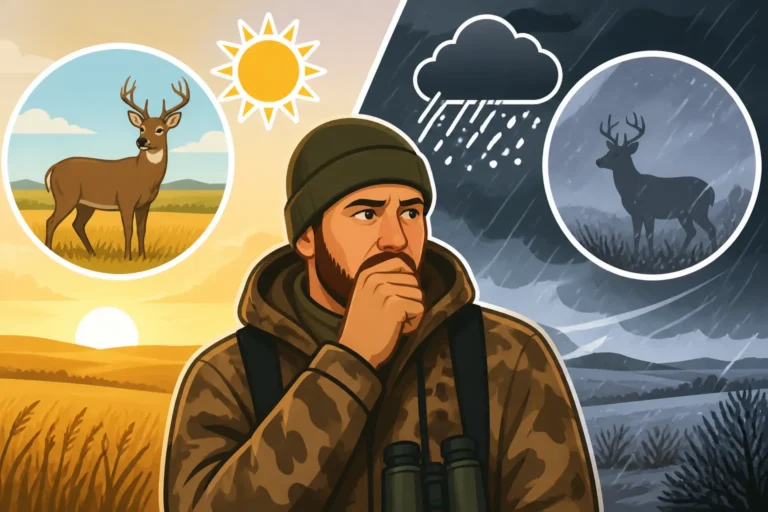
The prime hunting seasons in Saskatchewan often coincide with some of the year's chilliest weather. While the early archery season in September can be mild, rifle seasons for deer and moose frequently run well into November and even December. This is when the true Canadian cold often descends. We're talking about days where the mercury hovers well below freezing, often dipping into double-digit negatives Celsius, and that's before factoring in the infamous prairie wind chill.
Imagine sitting in a stand for hours, hoping for that trophy buck to appear, but your hands are numb, your feet feel like blocks of ice, and your entire body is trembling. This isn't just uncomfortable; it severely impacts your ability to remain still, focus, and make an ethical shot when the moment arises. Many hunters find their sits cut short, not by lack of game, but by an overwhelming need to get warm. Understanding how to manage these conditions is paramount for Hunting Saskatchewan Winter Weather Safely.
The Limitations of Traditional Blinds and Stands
For generations, hunters have relied on open tree stands, simple ground blinds, or natural cover. While effective in milder weather, these traditional setups offer very little protection against Saskatchewan's severe cold.
Open tree stands expose you directly to the elements. Wind whips right through your layers, stripping away body heat at an alarming rate. Rain, sleet, or snow can accumulate, making surfaces slick and soaking through clothing. Even with the best layering system, the constant exposure can be exhausting. Your core temperature drops, your muscles tense, and your focus dwindles, replaced by a singular thought: warmth.
Pop-up ground blinds provide a barrier against direct wind and precipitation but offer minimal insulation. They trap some body heat, but without an external heat source, the interior temperature will quickly equalize with the outside, still leaving you battling the cold. Movement to stay warm can spook game, and the confinement can feel even more miserable when you're still freezing despite being "sheltered." These limitations often mean shorter hunting sessions, missed opportunities, and a less enjoyable experience overall.
What a Heated Blind Offers Hunters
Enter the heated blind: a game-changer for extending your time in the field and enhancing your comfort when the temperatures plummet. It’s more than just a shelter; it’s a strategic advantage.
Types of Heated Blinds Available
Heated blinds come in various forms, each suited to different hunting styles and budgets.
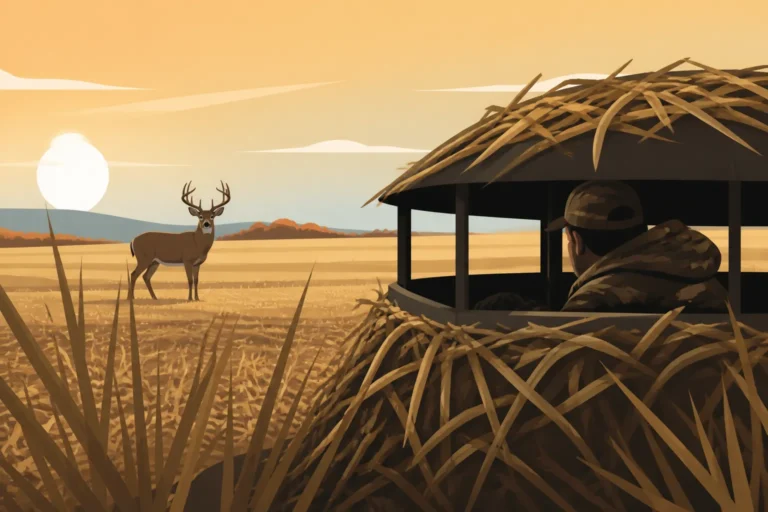
Permanent elevated blinds are often constructed from wood or fiberglass, providing robust insulation and multiple windows for wide fields of view. These are commonly seen on managed hunting properties and with outfitters. They are designed for long-term placement and maximum comfort. Inside, you might find benches, shelving, and dedicated space for a heater. Heating sources for these can range from larger propane radiant heaters to small, efficient wood stoves (used with extreme caution and proper ventilation, of course). The key is their ability to hold heat and shield you completely from the external environment.
Portable heated pop-up blinds exist too, though they offer a different experience. These are typically standard pop-up blinds that are set up with a small, portable propane heater. While not as insulated or spacious as a permanent blind, they can provide a much-needed boost of warmth on a cold day. They are easier to move and deploy, making them a good option for hunters who want flexibility but still need to take the edge off the cold. These require constant attention to ventilation due to their smaller, less robust construction.
For both types, the choice of heating element is crucial. Propane heaters are popular for their convenience and efficiency, but they demand excellent ventilation. Battery-powered heating pads or small electric heaters (if power is available) can also supplement warmth.
The Benefits Beyond Just Warmth
While the obvious benefit of a heated blind is warmth, the advantages extend far beyond simply keeping you comfortable.
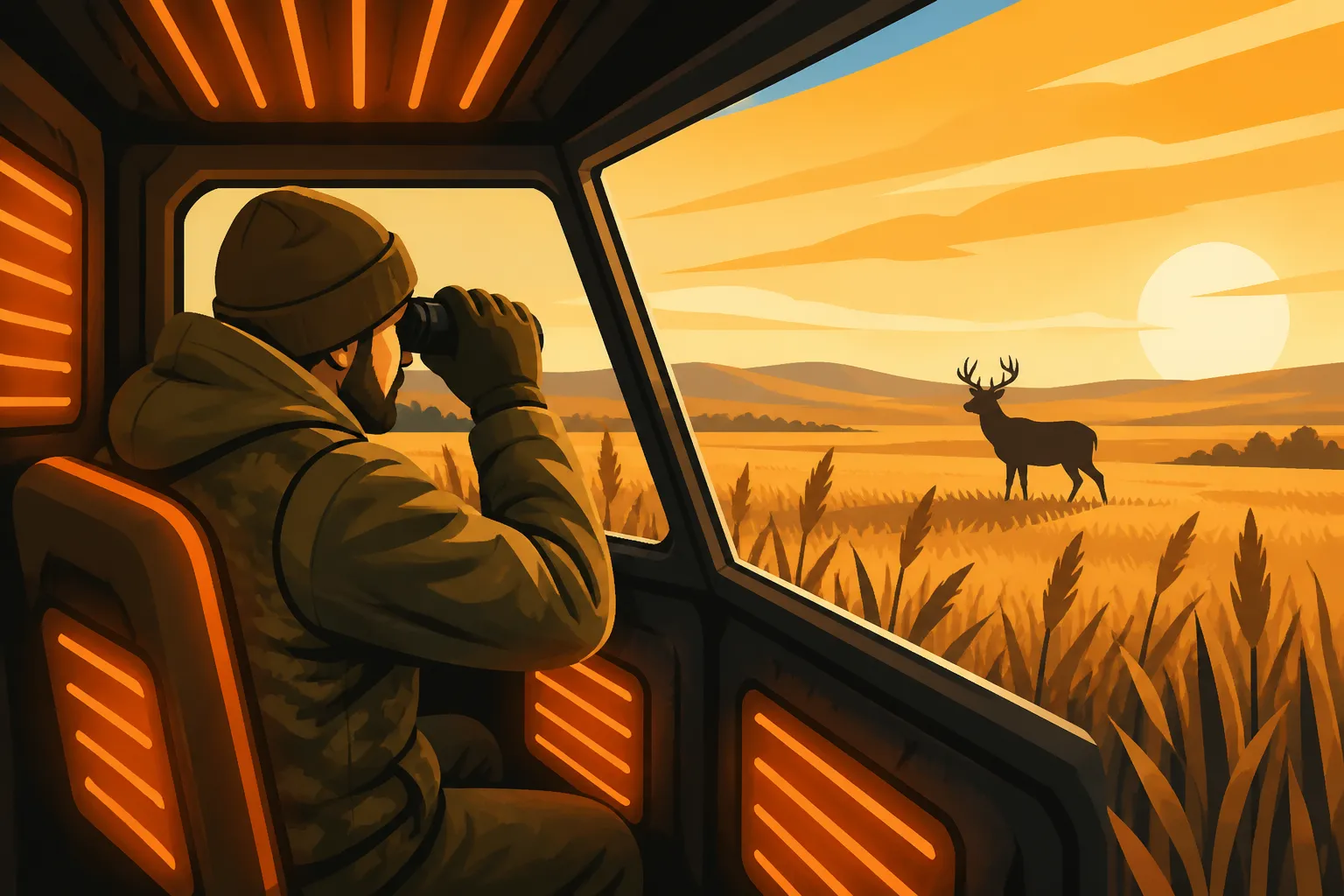
First and foremost, comfort directly translates to increased stamina and focus. When you're warm, you're not shivering. You're not distracted by numb fingers or aching muscles. This allows you to sit for significantly longer periods, which is often key to success, especially for species like whitetail deer that might only move during specific, often short, windows. Prolonged comfort means you can stay alert, glass effectively, and be ready to make a precise shot without the added challenge of fighting the cold. It truly changes the game for Sitting All Day in a Saskatchewan Blind.
Another often-overlooked benefit is improved scent control. While no blind is foolproof, a properly sealed and vented heated blind can significantly help contain human scent. With an open window cracked for observation and proper ventilation for the heater, the bulk of your scent plume is directed, rather than dissipating freely into the wind. This can be a huge advantage, particularly for wary animals like mature whitetail bucks.
Better visibility is another plus. Insulated windows stay clearer, resisting frost and condensation that can plague open-air optics or uninsulated blinds. You won't need to wear cumbersome balaclavas or face masks that restrict your peripheral vision, allowing for a clearer, unobstructed view of your surroundings.
Finally, heated blinds enhance the overall hunting experience, making it more enjoyable, especially for those less accustomed to extreme cold, such as youth hunters, older hunters, or those accompanying experienced mentors. It transforms a potentially grueling experience into a relaxing vigil, increasing the likelihood of return trips and fostering a lifelong love for the sport.
Practical Considerations for Using Heated Blinds
While heated blinds offer immense advantages, they also come with practical considerations that every hunter must address for safety and effectiveness.
Safety First: Ventilation and Carbon Monoxide
This is non-negotiable: if you're using a combustion heater (like propane) in an enclosed space, ventilation is absolutely critical. Carbon monoxide (CO) is an odorless, colorless gas that can be deadly. Never assume that a small crack is enough. Always ensure adequate airflow and, ideally, use a battery-operated carbon monoxide detector inside your blind. These devices are inexpensive and can save lives.
Heater placement is also important. Ensure heaters are stable, away from flammable materials (like clothing or the blind fabric), and have proper clearance. Always follow the manufacturer's instructions for any heating device. Overheating the blind itself can also be a hazard, so maintain a comfortable, but not excessive, temperature.
Logistics: Setup, Fuel, and Placement
Setting up a heated blind, whether permanent or portable, requires forethought. For permanent blinds, careful siting is paramount, often considering prevailing winds for scent control and long-term game movement patterns. You might be considering hunting a Saskatchewan bush edge or even Hunting a Bluff Between Two Fields, and the heated blind can be strategically placed within these areas for optimal coverage and comfort.
For portable setups, you'll need to transport your blind, heater, and sufficient fuel (e.g., propane tanks). Consider the weight and bulk, especially if you're hiking into your spot. Fuel consumption can be higher than anticipated in extreme cold, so always bring more than you think you’ll need. Planning your access route for bringing in supplies and potentially packing out game is also essential. Outfitters often handle these logistics for you, ensuring blinds are ready and stocked.
What to Expect from an Outfitter
Many Saskatchewan outfitters have embraced heated blinds, recognizing the value they add to a client's experience, especially for late-season hunts. When booking a hunt, particularly for Saskatchewan Heated Blinds and Late Season Camps, it's always wise to ask about the type of blinds provided.
Outfitters often invest in well-built, insulated permanent blinds, sometimes even equipped with comfortable seating, tables, and multiple shooting windows. They will typically handle the setup, ensure heaters are functional, and provide the necessary fuel. This takes a significant logistical burden off the hunter.
When you're researching outfitters, platforms like BookYourHunt or GoHunt can be invaluable resources. You can often filter or read detailed descriptions of what each outfitter provides, allowing you to specifically look for those who highlight heated blind options. Don't hesitate to contact the outfitter directly to confirm the specifics: What kind of heaters do they use? How many blinds are heated? What are the typical temperatures you can expect inside? These details can significantly influence your overall hunt satisfaction and help you budget, as amenities like heated blinds might factor into Saskatchewan Guided Whitetail Hunt Costs or Saskatchewan Moose Hunt Prices.
Making the Most of Your Heated Blind Hunt
Even with the luxury of a heated blind, success in Saskatchewan hunting still requires preparation, strategy, and the right mindset.
Gear Considerations Even With Heat
Just because you're sitting in a heated blind doesn't mean you can skimp on your cold-weather gear. Think of your time in the blind as a respite, but always be prepared for the moments you're outside of it. You'll still need appropriate outerwear for traveling to and from the blind, especially if you have a significant walk or quad ride in freezing temperatures.
Layering remains crucial. You might start your walk to the blind bundled up, but once inside and the heater is running, you'll want to shed layers to avoid sweating. Sweating, even in a warm blind, can be dangerous, as that moisture will instantly turn cold when you step outside. Keep a system of moisture-wicking base layers, insulating mid-layers, and a quiet, warm outer shell easily accessible. Don't forget proper Boots for Sitting Still in Deep Cold and Dressing for Saskatchewan's November Cold even if you expect to be mostly indoors.
Additionally, consider how you'll keep your optics clear and your calls functional. Binoculars and rangefinders can fog up when moving between temperature extremes. Keep them tucked inside your jacket until needed, or use anti-fog treatments. If you're using grunt tubes or other calls, ensure they don't freeze up.
Patience and Strategy
A heated blind allows for unprecedented patience. You can sit from before dawn until after dusk without the debilitating effects of cold. This extended time in the field significantly increases your chances of encountering game, especially during those notoriously slow mid-day periods when deer might be bedding down.
However, simply being warm isn't enough. You still need to remain still and quiet. Even small movements or noises inside the blind can be amplified and detected by wary animals. Practice slow, deliberate movements. Have all your gear organized and within easy reach to minimize fumbling when a shot opportunity arises.
Understanding wind direction is still critical, even in an enclosed blind. While the blind offers protection, scent can still escape through windows or vents. Position your blind strategically so that any air currents carry your residual scent away from anticipated game travel routes. This is especially true if you are trying to catch deer moving during the Hunting the Rut in Early to Mid November.
Booking an Outfitter for a Heated Blind Experience
If a comfortable, warm hunt is a top priority for you – whether due to personal preference, a medical condition, or hunting with family members new to the cold – actively seek out outfitters who specialize in providing heated blinds. Many top-tier Saskatchewan outfitters understand the demand for this amenity and feature it prominently in their packages.
When using platforms like BookYourHunt or GoHunt to research potential hunts, pay close attention to the descriptions of the hunting accommodations and blind types. Don't be afraid to reach out directly to outfitters to discuss their heated blind options, safety protocols, and how they cater to hunters seeking a more comfortable experience. Remember, a more comfortable hunter is often a more successful hunter, and the investment in a heated blind experience can be well worth it. You might even discover combined packages, such as Saskatchewan Bear and Fishing Combo Trips, where comfort in the blind is a given.
Disclaimer
This article is for general informational purposes only and does not constitute professional advice. Laws, prices and regulations vary by location and change over time. Consult a qualified professional for guidance on your specific situation.