How Slough Country Concentrates Saskatchewan Game
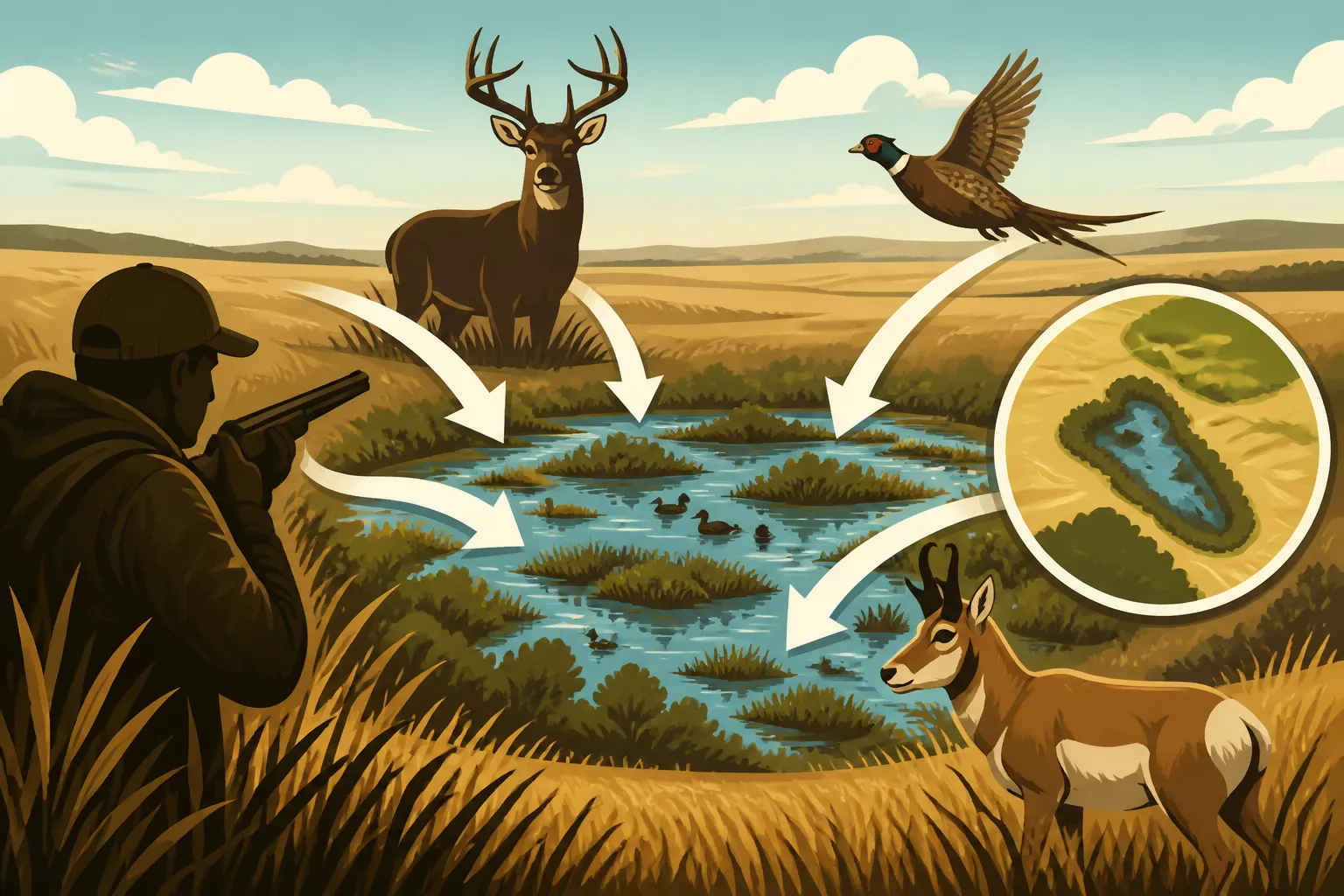
Finding game in Saskatchewan can sometimes feel like searching for a needle in a haystack; the sheer vastness of our prairies and parklands is both a blessing and a challenge. But if there’s one landscape feature that consistently acts like a magnetic force for wildlife, it's the humble slough. These often-overlooked depressions, sometimes wet, sometimes dry, are far more than just puddles – they are vital hubs that concentrate game, offering everything from water and food to crucial cover and refuge. This guide will dive deep into why slough country is such a hotspot for Saskatchewan’s diverse wildlife and how understanding these ecosystems can dramatically improve your hunting success.
Understanding Saskatchewan's Slough Ecosystems
When most folks think of sloughs, they might picture a stagnant pond or a muddy depression. But here in Saskatchewan, sloughs are dynamic, complex ecosystems that play an outsized role in sustaining our wildlife. They are essentially low-lying areas that collect water from snowmelt and rainfall, varying greatly in size, depth, and how long they hold water throughout the year.
What Defines a Saskatchewan Slough?
A slough isn't just a random dip in the landscape; it's a specific type of wetland. They can range from small, ephemeral potholes that dry up by mid-summer to larger, semi-permanent bodies of water that hold water year-round. What makes them so special is the gradual transition zone from open water to emergent vegetation like cattails and bulrushes, then to sedges and grasses, and finally to upland prairie or cultivated fields. This transition creates incredible biodiversity. Think of it as a natural grocery store and fortress rolled into one, always stocked and ready for wildlife. The edges, often lined with willows or small groves of trembling aspen, provide additional layers of cover and forage.
The Seasonal Rhythms of Slough Life
The life of a Saskatchewan slough pulses with the seasons. In spring, they burst with snowmelt, drawing migratory waterfowl like magnets, and offering new green growth for grazers. By summer, many smaller sloughs might recede or dry up completely, leaving behind a rich bed of vegetation and exposing mudflats that attract shorebirds and provide a different kind of forage. This drying process is actually crucial, as it cycles nutrients and prevents the slough from becoming choked with old growth. In fall, as hunting season kicks into gear, the remaining water and dense cover become even more critical as game animals seek secure bedding and reliable water sources before winter sets in. Hunting a Frozen Slough Crossing becomes a prime strategy as temperatures drop. Then, in winter, even if frozen solid, the surrounding vegetation still offers critical thermal cover against our brutal prairie winds and a place to find dormant food sources.
Biodiversity Beyond Big Game
While we often focus on deer, moose, and elk, sloughs are teeming with other life that creates a vibrant ecosystem. Ducks, geese, and cranes are obvious residents, using sloughs for nesting, feeding, and staging during migration. But look closer, and you'll find muskrats building their lodges, mink and weasels hunting along the edges, and countless insects and amphibians forming the base of the food chain. This intricate web of life means there's always something drawing larger animals to the slough. It's not just about one resource; it's about the abundance of all resources that these wetlands provide.
Why Sloughs Are Game Magnets: The Core Attractions
It's no secret that successful hunting hinges on understanding why game animals choose to be in a particular place. For many species in Saskatchewan, especially in our agricultural zones and parkland, sloughs are consistently at the top of their list. They provide a unique combination of necessities that are often scarce elsewhere in the landscape.
Water: The Obvious, Yet Underrated Draw
This might seem elementary, but a reliable water source is paramount for all wildlife. In a landscape that can experience significant dry spells, particularly in late summer and fall, a slough with standing water becomes an oasis. Deer, moose, and elk need water daily, and while they can get some moisture from green forage, open water is always preferred. Hunting a Saskatchewan Dugout at Dusk is a similar principle, proving that any water source is a draw. Waterfowl, of course, live and breathe these wetlands. Even if a slough is mostly dried up, the damp soil can support lush, succulent vegetation that provides both food and hydration. In arid years, a slough might be the only available water for miles, creating a choke point for game movement.
Cover: Security and Thermal Refuge
Beyond water, sloughs offer an incredible array of cover, which is arguably just as important for game animals. The dense stands of cattails, bulrushes, and willow thickets surrounding many sloughs provide impenetrable visual screening from predators and hunters alike. This security cover allows animals to bed down feeling safe and undisturbed. Imagine a whitetail buck, tucked deep into a cattail island, completely invisible yet keenly aware of its surroundings. The density of this vegetation also offers vital thermal cover, protecting animals from harsh winds in winter and providing shade during the hot summer months. When cold winds howl across the open prairie, a slough rimmed with dense bush can be the only shelter available.
Food: A Buffet of Natural Goodness
Sloughs are natural food factories. The rich, organic soil around their edges, fed by decades of decaying vegetation, supports a diverse array of plants. This includes lush grasses, forbs, and browse species like willow, all of which are highly palatable to deer, moose, and elk. Waterfowl feed on aquatic vegetation, seeds, and invertebrates found within the slough itself. Furthermore, many sloughs are situated adjacent to cultivated fields. Deer and moose will often use the cover of the slough to stage before moving out into a Hunting a Standing Canola Field Edge or a pea field at dusk, gorging themselves on agricultural crops. This combination of natural forage within the slough ecosystem and the nearby agricultural bounty makes slough country an irresistible dining destination for a wide range of game.
Species That Benefit Most from Slough Country
While many creatures thrive around sloughs, certain game species in Saskatchewan are particularly drawn to these wetland environments. Understanding which animals use sloughs and how they use them is key to developing effective hunting strategies.
Whitetail Deer: The Ultimate Slough Dwellers
Whitetail deer, especially big bucks, absolutely love slough country. They utilize sloughs for bedding, security, and feeding. A dense cattail slough surrounded by a willow thicket offers unparalleled security cover, allowing a mature buck to essentially vanish from sight just yards from open fields. These sloughs become daytime sanctuaries where deer can rest unmolested, only emerging at last light to feed in adjacent fields. The dense cover also provides vital thermal regulation, keeping them cool in summer and protected from winter winds. I've often seen tracks leading deep into what looks like an impenetrable jungle of willows and reeds surrounding a slough, knowing a wise old whitetail is tucked in there tight. If you're hunting in the parkland or agricultural zones, Hunting a Slough Edge for Whitetails should be high on your list.
Moose and Elk: Water, Browse, and Thermal Comfort
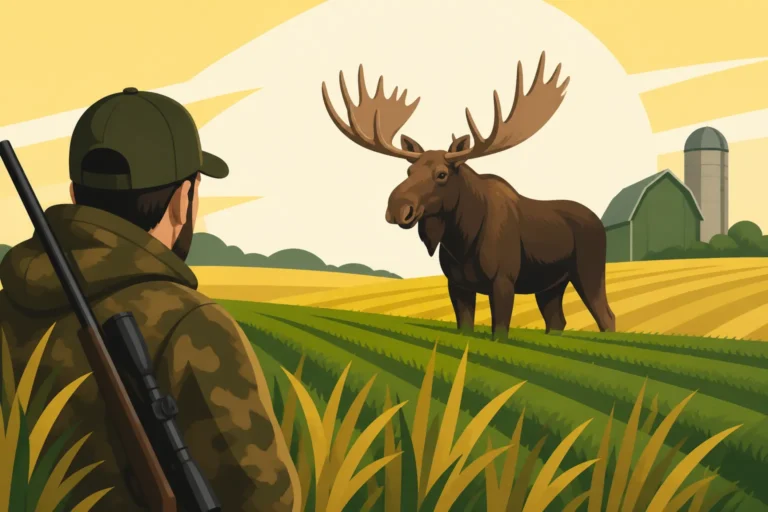
While moose and elk are often associated with more forested regions, they are increasingly found utilizing slough country, particularly in the parkland and forest fringe areas of Saskatchewan. Moose, being semi-aquatic, are naturally drawn to wetlands. They will wade into sloughs to browse on aquatic vegetation and cool off in summer. The dense willows that often line sloughs provide critical browse, especially in winter. Elk, too, will utilize slough edges for cover and water, particularly if larger timber blocks are nearby. For them, a slough represents a perfect blend of water, high-quality forage, and escape cover, allowing them to move between feeding areas and more secure bedding grounds. Hunting Farmland Moose Around Saskatchewan Sloughs is a testament to this increasing trend.
Waterfowl and Upland Birds: Their Primary Domain
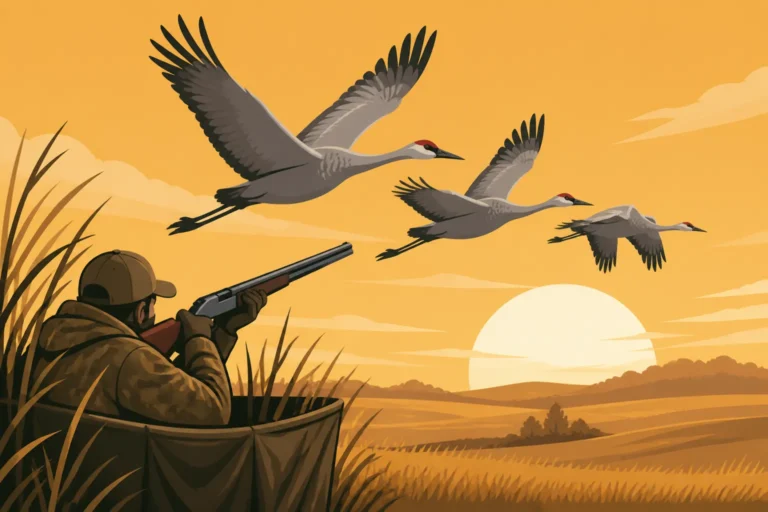
This is where sloughs truly shine as game magnets. Saskatchewan is famous for its waterfowl hunting, and sloughs are the very heart of that experience. Potholes and larger sloughs provide crucial nesting habitat in spring, resting areas during migration, and abundant food sources for ducks and geese throughout the season. Hunters often spend hours setting up elaborate decoy spreads in fields adjacent to or within larger slough systems because they know the birds are concentrated there. Pothole Hunting Prairie Ducks is a classic Saskatchewan experience built entirely around these wetlands.
But it's not just waterfowl. Upland birds like Hungarian partridge and sharp-tailed grouse also benefit. The dense edge cover around sloughs offers escape from predators and harsh weather, while the varied vegetation provides seeds and insects for food. A walk along a slough's edge, particularly one that transitions into native grassland or a shelterbelt, can often flush out a covey of Huns or a scattered group of sharptails.
Hunting Strategies for Slough Country
Successfully hunting slough country requires a thoughtful approach, focusing on scouting, understanding animal behavior, and careful execution. These areas can be incredibly productive, but their dense nature also presents unique challenges.
Scouting Smart: Tools and Techniques
Effective scouting is paramount in slough country. You can't just walk blindly into these dense areas and expect success. Start by using mapping tools like GoHunt or other satellite imagery applications. These platforms allow you to identify sloughs, analyze their size, surrounding cover, and proximity to feeding areas (like crop fields). Look for patterns of deer trails leading into and out of the slough, or distinct "cow paths" that indicate heavy use. Pay attention to the edges and islands within the slough itself. Scouting With Satellite Imagery in Saskatchewan is incredibly useful here.
Once on the ground, look for fresh sign: tracks, rubs, scrapes (especially for whitetails), and droppings. During the rut, sloughs can be hotspots for cruising bucks. A thermal imager can also be an invaluable tool for early morning or late evening scouting, helping you detect animals tucked deep in the cover without disturbing them. I've spent hours simply observing sloughs from a distance, watching how game moves in and out during different times of the day.
Approaching and Positioning: Wind and Entry/Exit
Approaching a slough needs to be done with utmost stealth and a keen awareness of the wind. Since sloughs offer dense cover, animals often feel secure and might only be a few yards into the thick stuff. Always approach from downwind, circling wide if necessary to avoid blowing your scent into the area you plan to hunt. Think about your entry and exit routes – you want to minimize disturbance.
When setting up, consider where the game is most likely to enter or exit the slough, especially if they are moving to or from a feeding area. Placing a stand or ground blind on a pinch point along a well-used trail, or overlooking a natural opening in the willows, can be highly effective. For waterfowl, understanding prevailing winds and how birds will approach a landing zone is critical for decoy placement and blind setup. Remember, the game animals are using the slough for security; your goal is to intercept them as they transition.
Stand Placement and Patience: The Slough Edge Advantage
For deer and even moose, a treestand or ground blind positioned on the edge of a slough can be incredibly effective. Animals often skirt these edges, using the heavy cover as a buffer while still having visibility into surrounding areas. Look for natural funnels or crossings, particularly in larger sloughs with islands or narrow sections. For whitetails, Hanging a Stand on a Saskatchewan Bush Edge adjacent to a slough offers a prime vantage point.
Patience is key. Animals in slough country, especially mature bucks, often move slowly and deliberately. They might stage in the thick cover for a long time before committing to stepping out into the open. Sitting all day, particularly during the rut or in late season cold, can pay off handsomely. Sitting All Day in a Saskatchewan Blind provides a good framework for this kind of patience. Sometimes, the only way to hunt a truly massive, impenetrable slough is to hunt its perimeter and wait for animals to reveal themselves at the edges.
Using Calls and Rattling in Slough Environments
Sloughs can be excellent places to use calls and rattling, especially during the rut for whitetails. The dense cover allows sound to carry well but also provides visual breaks, making it harder for a buck to pinpoint your exact location without exposing itself. If you're rattling, position yourself on the downwind side of a slough, preferably with a clear shooting lane, and let the sounds of fighting bucks carry into the cover. A curious buck, thinking another buck is challenging his territory or a hot doe is nearby, might slip out of the dense willows to investigate. Grunt calls and doe bleats can also be highly effective, especially when paired with patience. Just be ready, because when they do appear, they often emerge quickly from the thick cover!
| Game Species | Primary Slough Attraction(s) | Hunting Strategy Focus |
|---|---|---|
| White-Tailed Deer | Cover, Water, Adjacent Food | Stand/blind on edge, pinch points, rattling |
| Moose | Water, Browse, Thermal Cover | Still-hunting edges, calling, monitoring trails |
| Elk | Water, Cover, Forage | Ambush points, observing travel corridors |
| Ducks & Geese | Nesting, Feeding, Resting | Decoys, blinds, pass shooting |
| Hungarian Partridge | Escape Cover, Food | Walking edges, flushing, pointing dogs |
| Sharp-Tailed Grouse | Escape Cover, Food | Walking edges, flushing, pointing dogs |
Disclaimer
This article is for general informational purposes only and does not constitute professional advice. Laws, prices and regulations vary by location and change over time. Consult a qualified professional for guidance on your specific situation.