Why the Forest Fringe Holds So Much Game
Ask any seasoned hunter in Saskatchewan where they consistently find game, and chances are you'll hear the term "forest fringe" come up time and again. It's that magical transition zone where the vast agricultural fields meet the dense, unbroken boreal forest, and it holds an incredible density and diversity of wildlife. For many, understanding why this area is so productive is key to consistently filling tags, especially when you're after those elusive big bucks and bulls. This guide will dive deep into the unique characteristics of Saskatchewan's forest fringe and explain why it's such a magnet for game.
The Unique Ecology of the Forest Fringe
The forest fringe isn't just a line on a map; it's a dynamic, rich ecological corridor that offers the best of multiple worlds to the animals that call it home. It's a place of incredible biological diversity, providing a constant buffet and unparalleled security.
A Blend of Ecosystems
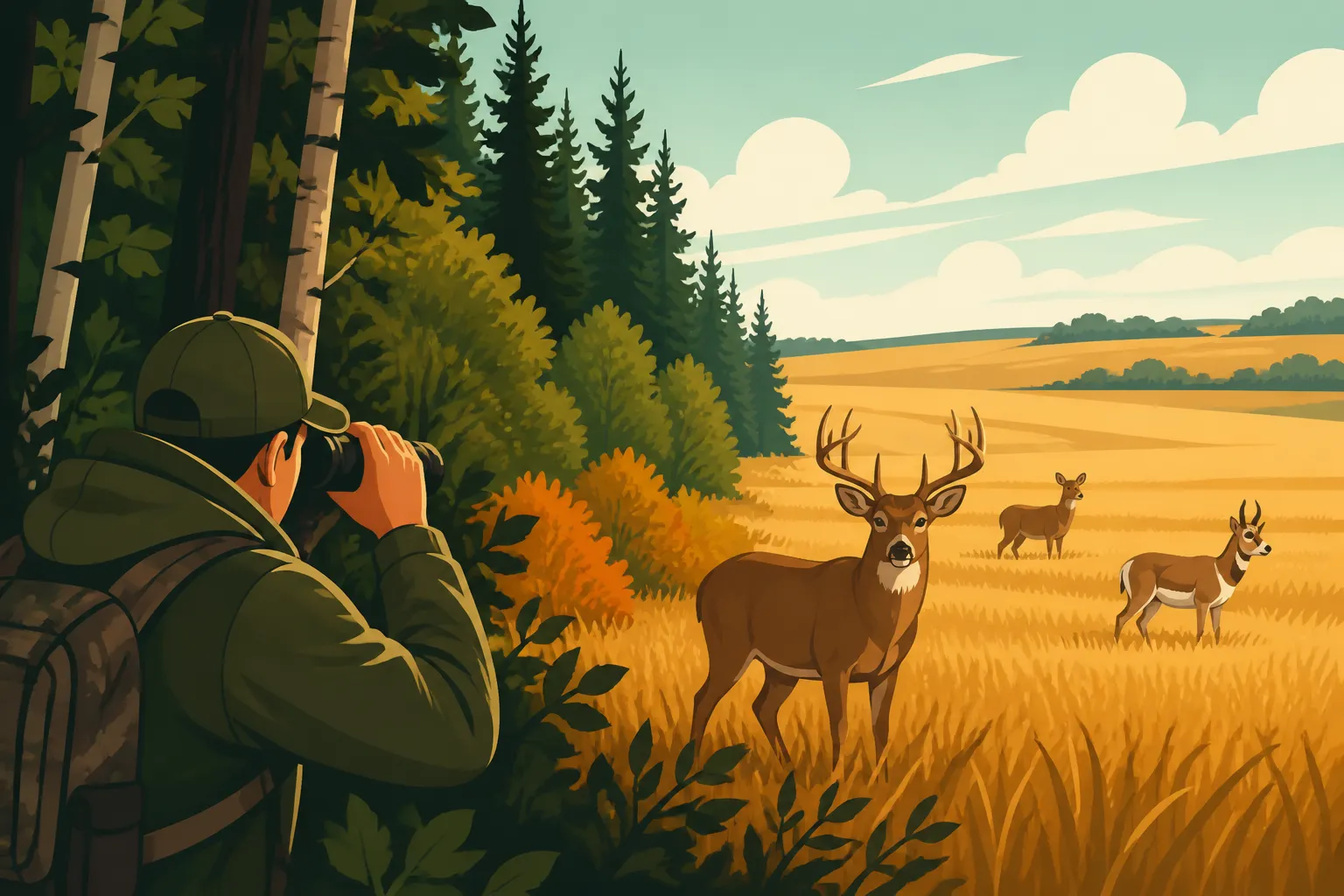
Imagine stepping out of a vast, open field of golden wheat, then almost immediately finding yourself amidst towering aspen poplars, thick spruce, and dense willow stands. That's the essence of the forest fringe. It's literally the meeting point of the prairie grassland or parkland ecosystems and the boreal forest. This convergence means animals don't have to travel far to access different habitats, each providing specific resources. Deer might feed in the open fields at dawn and dusk, then retreat mere yards into the thick timber for bedding. Moose might browse on willow in a low-lying bush pocket, only to step into a farmer's oat field for a quick graze when nobody's watching. This constant blend creates a buffer zone that is incredibly attractive.
This blend isn't static either; it's a mosaic that shifts with elevation, soil type, and microclimates. You might find a dry, sandy ridge supporting jack pine, while just downhill, a wetter depression hosts a boggy spruce stand. This topographical variety further increases the types of plants and cover available, making the fringe a smorgasbord for herbivores and a strategic hunting ground for predators. The sheer variety of habitat types within a relatively small area is a primary reason for the abundance of wildlife.
Think of it as the ultimate "edge habitat." Ecologists often talk about edge effects, where the boundary between two distinct ecosystems supports a greater diversity and density of life than either ecosystem alone. The forest fringe is the quintessential example of this phenomenon on a grand scale in Saskatchewan. Animals benefit from the specialized resources of both environments without having to fully commit to one or the other. This makes it an incredibly resilient and productive landscape.
Diverse Forage and Cover
One of the most compelling reasons for the sheer volume of game in the forest fringe is the incredible diversity of food sources and security cover it provides. The open fields offer high-energy agricultural crops like peas, lentils, canola, and various grains that are a caloric goldmine for deer, elk, and moose, especially as winter approaches. These fields are often a primary draw, pulling animals out of the bush at strategic times.
Right alongside these food plots, the forest itself delivers a different kind of sustenance. Aspens and willows provide abundant browse, especially crucial in winter. Berries, mushrooms, and various forbs are available through the warmer months, offering a varied diet. The combination means animals rarely go hungry, regardless of the season. This dual diet allows for healthier, larger animals, which is why we often see such impressive game come out of these areas. Many hunters specifically target these zones for Why Saskatchewan Bucks Grow So Large.
Beyond food, the cover is second to none. The dense mixed wood forests offer impenetrable thermal cover from harsh winter winds and deep snow, as well as crucial shade during hot spells. It provides excellent concealment from predators, both four-legged and two-legged. This isn't just a narrow strip of trees; often, it's a complex network of bluffs, thickets, and low-lying areas that allow animals to move unseen and feel secure. This combination of abundant food and secure cover makes the forest fringe an irresistible home.
Water Sources and Topography
Water is life, and the forest fringe often boasts an abundance of reliable water sources, which is another crucial factor in its game-rich nature. Unlike the drier, more open prairie, the fringe typically features numerous sloughs, small lakes, creeks, and rivers. These water bodies are vital for all species, not just for drinking, but also for specific forage (like aquatic plants for moose) and as travel corridors. A frozen slough crossing, for example, can be a major travel route for deer in winter. Hunting a Frozen Slough Crossing becomes a tactic here.
The topography of the fringe also plays a significant role. It's rarely flat. Instead, you'll find a rolling landscape with natural depressions, ridges, and bluffs. These topographical features create microclimates and shelter, directing animal movement and providing strategic bedding areas. A south-facing slope might thaw earlier in spring, offering fresh green browse, while a dense spruce bluff on the north side provides critical windbreak and snow interception in winter.
This varied terrain dictates how animals live and move. A deer might bed on a sheltered ridge overlooking a field, slipping into the open to feed at dusk. A moose might utilize a low-lying, swampy area for water and browse, then move up into denser timber for protection. Understanding these subtle topographical nuances is critical for hunters. You can often predict exactly where animals will be based on the wind, sun, and cover, making areas like Hunting a Bluff Between Two Fields or Hunting a Poplar Bluff at First Light prime spots.
How Different Game Species Utilize the Fringe
The forest fringe is a master key that unlocks resources for a wide array of Saskatchewan's game animals. Each species finds its niche, exploiting the unique offerings of this transitional habitat in different ways, leading to an impressive concentration of wildlife.
Whitetail and Moose: Food, Cover, and Travel
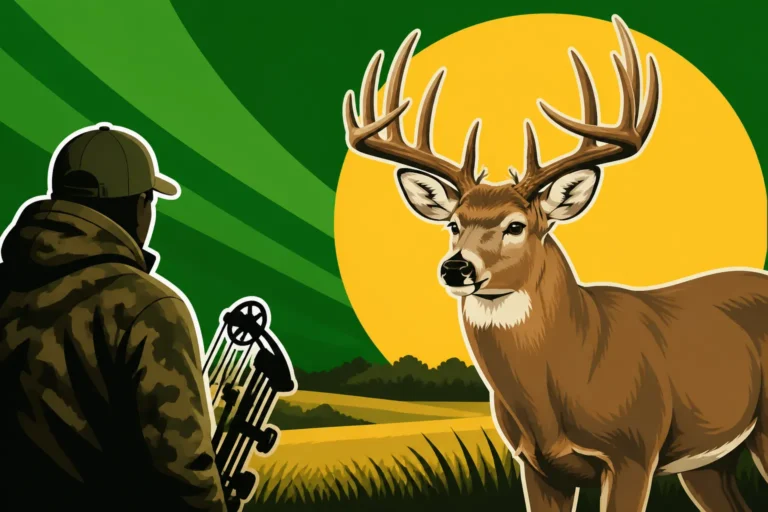
For both whitetail deer and moose, the forest fringe is essentially a perfect home. Whitetail deer thrive in areas where they can easily access agricultural fields for high-energy food, but quickly melt away into dense cover when disturbed. The fringe provides exactly this: endless acres of grains and pulses right on the doorstep of thick bush. This constant food supply, combined with ample security, allows whitetails to grow to impressive sizes, contributing to why Saskatchewan is renowned for its trophy deer. Hunting Whitetails in Saskatchewan's Forest Fringe is a prime example of where these tactics pay off. They'll use the bush edges, willow runs, and bluffs as travel corridors, moving between bedding areas and feeding grounds. You'll often find them working along a Hunting a Willow Run for Whitetails or staying just inside the treeline of a standing crop.
Moose also find the fringe incredibly beneficial. While often associated with the deep boreal forest, many of Saskatchewan's moose herds have expanded into and adapted to farmland and forest fringe habitats. They might utilize the forest for browsing on aspen, willow, and balsam fir, but they're not shy about venturing into cultivated fields to graze on standing grain or pea stubble, especially in the late season. The mixed habitat provides the diverse forage they need year-round, from woody browse in winter to lush aquatic vegetation in summer. These big animals leverage the thick timber for thermal cover and security, especially during the rut and in deep cold. Hunting Farmland Moose in Saskatchewan often involves keying in on these very transition zones, where they can find both their natural browse and opportunistic agricultural feed.
Bears and Predators: Foraging and Ambush
The abundance of herbivores inevitably attracts predators, and black bears, wolves, and coyotes are certainly no strangers to the forest fringe. Black bears are omnivores, and the fringe offers a diverse diet. They'll forage for berries in the bush, search out insects under logs, and are often drawn to agricultural fields for early season greens or late-season grain gleanings. The dense forest provides perfect denning sites and security, while the edges offer easy access to new food sources. If you're Spring Bear Hunting Saskatchewan's Cutlines, you'll find them right in these fringe zones, often following logging roads or utility lines that intersect with the bush edge, looking for fresh growth.
Coyotes and wolves, ever the opportunists, also frequent these areas. The forest fringe offers excellent ambush cover along deer and moose travel routes. Coyotes will often patrol the bush edges looking for rodents or unwary fawns, leveraging the blend of open fields and dense cover for hunting. Wolves, while more common in the deeper boreal, will certainly utilize the fringe where larger prey like deer and moose are plentiful. Their presence is a natural part of the ecosystem, and understanding predator movements can even give insights into how the ungulates are using the landscape. Calling Coyotes in Saskatchewan Stubble is a tactic often deployed along these edges where they feel safe retreating into the bush.
Upland Birds and Waterfowl: Edge Habitat Benefits
It's not just big game that thrives here; the forest fringe is a haven for various upland birds and, surprisingly, even waterfowl. Species like ruffed grouse and sharp-tailed grouse particularly benefit from the mosaic habitat. Ruffed grouse prefer the denser, younger aspen and willow stands that often characterize the immediate forest edge. You'll find them along old logging roads and bush trails within the fringe. Hunting Ruffed Grouse Hunting Saskatchewan's Bush Trails is a classic example of this. Sharp-tailed grouse, on the other hand, love the transition from open grassland or stubble fields to scattered bush, using the sparse cover for protection and the fields for feeding.
Hungarian partridge also flock to farm edges and shelterbelts within the fringe, finding abundant seeds and insects in the cultivated fields and quick cover in the bush. This varied habitat prevents over-predation and ensures consistent food, leading to robust bird populations.
Even waterfowl, particularly ducks, find the fringe appealing. While not always directly in the "forest," the fringe often includes numerous potholes and sloughs, especially in the aspen parkland areas. These water bodies, surrounded by a mix of trees and grain fields, provide nesting cover, abundant invertebrate food sources, and protection from the elements. Ducks will often feed in nearby stubble fields at night and loaf in these sheltered water bodies during the day. This makes for excellent "jump-shooting" opportunities on smaller, isolated water bodies.
The Role of Human Activity and Management
While natural ecology lays the foundation for the forest fringe's productivity, human activities, particularly agriculture and forestry, also play a significant role in shaping these rich hunting grounds. These interactions, both intentional and unintentional, create and maintain the diverse habitats that game animals depend on.
Agriculture's Influence
Saskatchewan is known as the "breadbasket of Canada," and vast tracts of its land are dedicated to agriculture. Where these cultivated fields meet the forest, you have the fringe. The crops planted by farmers, such as wheat, barley, oats, peas, and canola, are incredibly high in calories and protein, making them an irresistible food source for many game animals. For deer, elk, and moose, a field of standing grain or recently swathed stubble is a prime feeding location, especially during the fall hunting season. These animals will often emerge from the dense bush at dusk to feed under the cover of darkness.
However, agriculture's influence isn't just about providing food. The ongoing cycle of cultivation, harvest, and fallow periods creates disturbance, which in turn leads to a dynamic landscape. Old fields that are left to naturalize often become overgrown with successional vegetation like young aspen and willow, creating excellent browse and thick cover. The sheer presence of human activity, albeit often distant, can also influence game movement, pushing animals into the safety of the bush during daylight hours. This symbiotic relationship between wild game and cultivated land is a cornerstone of Hunting Whitetails on Saskatchewan Farmland and helps explain why the forest fringe remains so productive.
Logging and Habitat Diversity
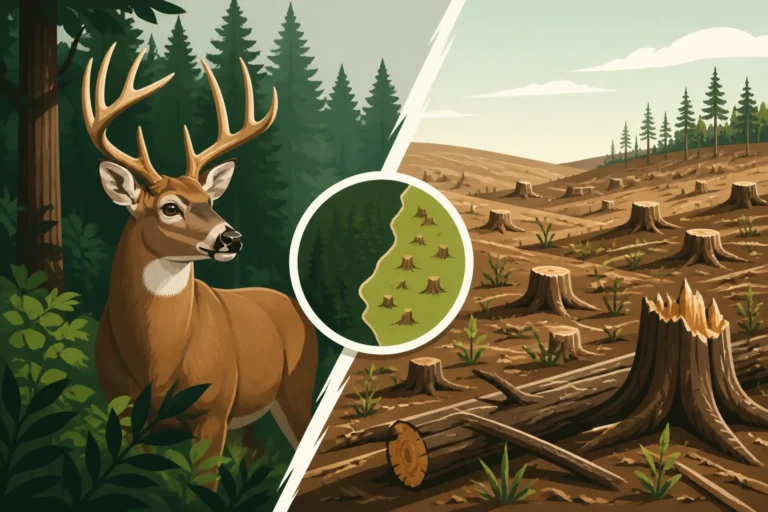
Forestry, particularly in the northern parts of the fringe where commercial timber operations occur, also contributes to habitat diversity. While clear-cutting can initially seem destructive, well-managed logging practices can create a mosaic of different forest ages and types, which ultimately benefits wildlife. Clear-cuts, after a few years, regenerate with dense young trees and shrubs, providing vital browse for moose and excellent escape cover for deer. These young regenerating areas also provide food and cover for grouse.
Old logging roads and cutlines, common in these areas, serve as travel corridors for hunters, but also for animals. These linear features often create open avenues within the dense forest, providing edges that are attractive to many species. While some clear-cuts might seem too open at first, within a few seasons, they become incredibly productive for new growth, drawing in herbivores. Hunters often key into these areas, as they can be great places for Hunting a Pipeline Right-of-Way or Hunting an Old Logging Road in the North. The diversity created by various stages of forest growth, from mature timber to regenerating clearings, ensures a steady supply of different food and cover types, supporting a richer ecosystem.
Reduced Hunting Pressure (in some areas)
While the forest fringe is popular, certain pockets can still offer reduced hunting pressure, especially compared to readily accessible agricultural land or heavily roaded forest areas. The transition zone can be tricky to navigate; it's not open prairie where you can glass for miles, nor is it deep bush where you're constantly pushing through dense timber. This intermediate challenge often means that hunters who are willing to penetrate a little deeper into the fringe, away from the immediate road access, can find less disturbed game.
Hunting the fringe effectively often requires a combination of strategies: knowing how to read sign along the bush edge, understanding how animals use topography, and being prepared to navigate varied terrain. Access can be a factor, with some areas requiring permission from landowners on the agricultural side, or simply a willingness to walk further into Crown land on the forest side. Hunting Saskatchewan's Crown Land Access provides context for finding these less-pressured areas. Tools like GoHunt can be invaluable here, helping hunters identify areas with minimal roads and larger blocks of undisturbed habitat, giving them an edge in finding those mature animals that have learned to avoid easy access points. This reduced pressure in specific, harder-to-reach fringe sections allows game, particularly older, wiser bucks and bulls, to live longer and grow larger.
Planning Your Hunt in the Forest Fringe
Hunting the forest fringe successfully is all about understanding its nuances and adapting your approach. It's not a one-size-fits-all kind of hunting; it demands a blend of careful scouting, strategic access, and the right gear.
Scouting and Reading Sign
Before you even set foot with your rifle or bow during hunting season, quality scouting is paramount in the forest fringe. Because the landscape is so varied, understanding exactly how game animals are using a particular section of fringe is critical. Start by studying maps – topographical maps, satellite imagery, and land ownership maps. Look for key features: where the dense bush gives way to fields, areas with abundant water, and any distinct topographical changes like bluffs or ridges. Services like GoHunt can layer this information, helping you identify potential pinch points, bedding cover, and feeding areas.
Once you're on the ground, focus on reading sign. Look for fresh tracks crossing field edges into the bush, rub lines on small trees where bucks have marked their territory, and fresh droppings. Pay close attention to trails leading into and out of fields. These are often hidden just inside the tree line, not out in the open. During the early season, look for browse lines where moose and deer have been feeding on willow and aspen. As snow falls, fresh tracks become even more critical for Reading Sign After Fresh Saskatchewan Snow. The more time you spend scouting, the better you'll understand the daily patterns of the game in your chosen area.
Access and Considerations
Gaining access to forest fringe areas can sometimes be a puzzle. Many prime fringe spots are on private land adjacent to blocks of Crown land. You'll often need to Knocking on Doors in Saskatchewan Farm Country to secure permission from landowners to hunt their fields or the bush bluffs on their property. Building a good relationship with landowners is key, as they often have invaluable insights into game movement and local patterns. Remember, "Posted" signs mean no access without permission, so always check before you enter.
Even on Crown land, access within the fringe can be challenging. Some areas might be accessible by vehicle, but others require hiking in. If you plan to use an ATV or UTV, be sure to understand the rules for Quad and Side-by-Side Rules on Crown Land in your specific Wildlife Management Zone. During the late season, deep snow can make access difficult, sometimes even closing down grid roads. Hunting Saskatchewan Late When Roads Drift In requires extra preparation and awareness of conditions. Always have a plan for how you'll get in, and more importantly, how you'll get your game out.
Gear and Tactics for Success
Hunting the forest fringe successfully requires thoughtful gear selection and adaptable tactics. Given the mix of open fields and dense bush, your firearm choice should be versatile. A rifle capable of accurate shots at varying distances, from close-quarters bush encounters to longer field crossings, is a good choice. Ensure you understand the Legal Firearms and Bows for Big Game rules. For archery hunters, a reliable bow with good penetration is essential for close-range shots in thick cover.
Tactically, consider a mix of stand hunting and still-hunting. Ground blinds or treestands set up along field edges, or overlooking natural funnels where the bush narrows, can be highly effective, especially for morning and evening hunts when game is moving to and from feeding areas. For active hunting, still-hunting slowly and quietly through the bush, paying attention to wind direction and terrain, can lead to encounters. Understanding Hunting the Rut in Early to Mid November or Hunting the December Late Season Cold tactics relevant to the fringe will dramatically increase your odds. Dress in layers, as temperatures can fluctuate wildly, and ensure your boots are comfortable and waterproof for varied terrain. Bring good optics, as glassing the edge of a field or a distant bluff can reveal hidden game.
Table: Game Species Utilization of the Forest Fringe
To summarize, here's how some of Saskatchewan's key game species leverage the unique offerings of the forest fringe:
| Game Species | Primary Forage Sources | Key Cover Types | Preferred Travel Routes |
|---|---|---|---|
| White-Tailed Deer | Agricultural crops (grains, peas), willow, aspen, berries | Dense aspen/spruce bluffs, willow thickets | Bush edges, willow runs, dense trails |
| Moose | Willow, aspen, balsam fir, aquatic plants, agricultural crops | Low-lying spruce bogs, dense timber | Creek bottoms, bush edges, cutlines |
| Black Bear | Berries, insects, grubs, agricultural crops, carrion | Thick spruce, dense willow, deep bush | Old logging roads, cutlines, game trails |
| Coyote | Rodents, hares, fawns, game birds, agricultural gleanings | Bush edges, tall grass, willow patches | Field edges, fence lines, linear disturbances |
| Ruffed Grouse | Aspen buds, berries, insects, clover | Young aspen stands, willow thickets, bush trails | Bush trails, dense brushy areas |
| Sharp-Tailed Grouse | Seeds, grains, insects, berries | Scattered bush, tall grass, field edges | Open prairie fringes, shelterbelts |
Disclaimer
This article is for general informational purposes only and does not constitute professional advice. Laws, prices and regulations vary by location and change over time. Consult a qualified professional for guidance on your specific situation.