Saskatchewan Outfitters Who Take Youth Hunters
Finding an outfitter willing to take on a younger hunter can feel like a real challenge. Many operations are geared towards experienced adults, and you might worry about whether your child will be safe, engaged, or even truly enjoy the experience. This guide is all about helping you understand what to look for in Saskatchewan outfitters who genuinely welcome and excel at providing memorable, educational, and safe hunting adventures for youth, ensuring that the next generation falls in love with the outdoors.
Why Introducing Youth to Hunting Matters in Saskatchewan
Hunting is more than just a pastime in Saskatchewan; it's a deep-rooted tradition, a way of life, and a vital part of conservation. Introducing youth to hunting isn't just about bagging an animal; it's about fostering respect for nature, understanding wildlife management, and developing crucial life skills. In an increasingly digital world, getting kids out into the field, away from screens, and connected to the land is more important than ever.
There's a unique sense of accomplishment and responsibility that comes with hunting. When a young person participates, they learn patience by sitting still for hours, resilience when a plan doesn't work out, and gratitude for the food they put on the table. It's an immersive classroom where they learn about animal behavior, ecology, and the importance of ethical harvesting. These lessons extend far beyond the hunting blind, shaping them into thoughtful, responsible adults. Plus, let's be honest, there's nothing quite like sharing those quiet moments in the bush or the field with your child, watching them experience something truly wild for the first time.
The Value of Mentorship
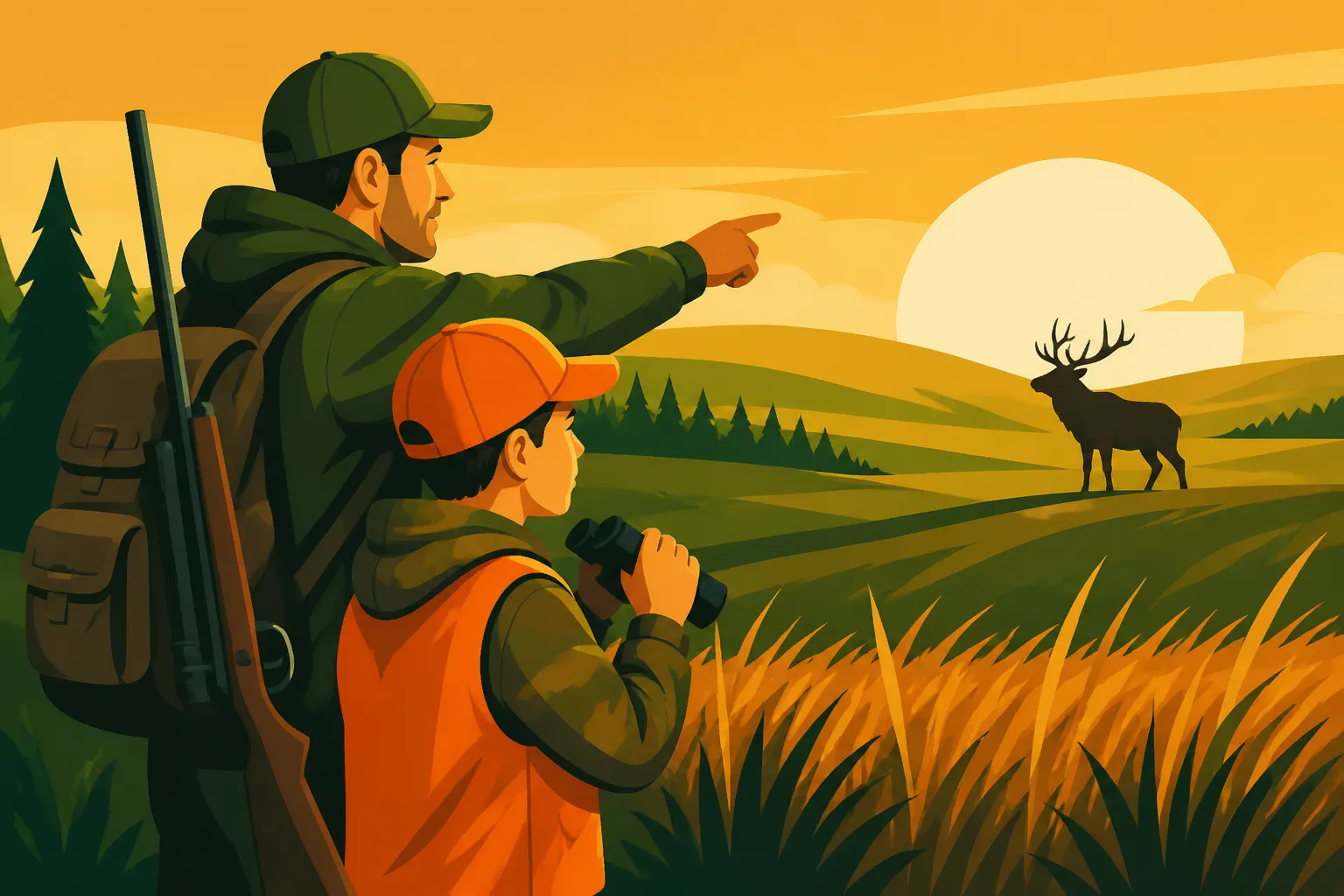
For many young hunters, their first experiences are with a parent, grandparent, or close family friend. This informal mentorship is invaluable, but not everyone has access to experienced hunters who can guide them. This is where outfitters can step in, offering structured mentorship that many families simply can't provide on their own. A good outfitter doesn't just put a youth in a blind; they teach, explain, and guide every step of the way, instilling proper ethics and safety habits.
Outfitters often have access to prime hunting grounds and specialized equipment, creating an environment where a young hunter has a higher chance of success, which is incredibly motivating. They can teach everything from tracking and calling to proper field dressing and meat care. This kind of hands-on learning from a seasoned professional is irreplaceable. It's about passing on not just skills, but a deep respect for the animals and the landscape. Think of it as a master class in outdoor stewardship, delivered in real-time, often in some of Saskatchewan's most breathtaking wilderness areas, from the vast prairie to the dense boreal forest.
Unique Challenges for Young Hunters
Let's be real, hunting with kids comes with its own set of challenges. Their attention spans might not be as long as an adult's, their stamina for long walks or sitting still in the cold might be limited, and their physical strength for handling larger firearms or bows needs to be considered. A young hunter might get fidgety, bored, or cold faster than an adult. Plus, the emotional aspect of harvesting an animal can be intense for some youth, and they need sensitive guidance through that experience.
This is why selecting an outfitter who understands these nuances is critical. You need someone patient, who can adapt the hunt to a child's pace and capabilities. An outfitter who expects a ten-year-old to sit motionless for eight hours straight in a freezing blind might not be the right fit. Instead, you want someone who can make it fun, educational, and who recognizes that a successful youth hunt isn't always measured by the size of the animal, but by the size of the smile and the lessons learned. It's about building a positive foundation, not forcing an experience that could turn them off hunting forever.
What to Look for in a Youth-Friendly Outfitter
Choosing the right outfitter for a youth hunt is probably the most crucial decision you'll make. It's not just about their hunting success rates; it's about their approach to teaching, safety, and creating a positive, memorable experience for a young person. You're looking for a partner who shares your goal of nurturing a responsible, ethical hunter.
When you're sifting through options, whether you're using a platform like BookYourHunt or asking for recommendations, keep youth-specific criteria at the forefront. Don't be afraid to ask direct questions about how they handle younger clients. Their answers will tell you a lot about their philosophy and preparedness.
Experience with Youth Programs
The first thing to ascertain is whether the outfitter actually has experience guiding youth. This isn't just about having had a kid in camp once; it's about having structured programs or a demonstrated history of successful youth hunts. Ask how many youth hunters they've guided in the past few seasons and what age ranges they typically work with. An outfitter who regularly hosts youth or even offers specific youth hunts will have tailored equipment, blinds, and a more patient approach.
They might have specific youth packages or guides who specialize in working with younger clients. For example, some outfitters might use smaller blinds, have easier access to hunting areas, or offer shorter hunting sessions with breaks built in. A seasoned outfitter will understand that patience is paramount and that the focus is often more on education and experience than on a trophy animal. Look for testimonials or photos from previous youth hunts on their website or social media. This can give you a real sense of their dedication to the next generation of hunters.
Safety First: Protocols and Supervision
When it comes to youth and firearms or bows, safety cannot be overstated. You need an outfitter with impeccable safety protocols and a clear plan for supervising young hunters at all times. Inquire about their firearms safety rules, how they handle loaded weapons in the field, and what kind of one-on-one supervision a youth hunter will receive. This is not the time to assume anything.
Ask about their guide-to-hunter ratio, especially for youth. Ideally, a young hunter should have dedicated, direct supervision. An outfitter should also confirm that the youth has completed Saskatchewan Hunter Education Requirements and understands fundamental firearm or bow safety. They should be able to articulate how they adapt their safety briefings and field practices to a younger audience. A good outfitter will prioritize safety above all else, ensuring that every moment in the field is managed with the utmost care, giving you peace of mind throughout the trip.
Flexible Pace and Patient Guidance
Let's face it, kids aren't always on an adult's schedule. They might need more breaks, get tired quicker, or lose focus. A truly youth-friendly outfitter understands this and is prepared to adapt. Their guides should be patient, encouraging, and willing to go at the pace of the young hunter. This means not rushing them, taking time to explain things thoroughly, and being flexible with hunting schedules.
Ask about a typical day's schedule for a youth hunt. Are there opportunities for breaks? Is the guide willing to take extra time to practice shooting or track an animal? A good outfitter will view the hunt as an educational journey, not just a race to fill a tag. They should be able to tailor the experience, perhaps focusing on spotting and identifying animals, learning tracks, or calling techniques, even if it means less time in a stationary blind. This adaptability ensures the young hunter has a positive and engaging experience, making them eager for future adventures.
Types of Hunts Suitable for Young Hunters
Not all hunts are created equal when it comes to introducing youth to the sport. Some species or methods are inherently more engaging, offer more action, or require less demanding physical output, making them ideal entry points. Saskatchewan offers a fantastic variety, so let's explore some options that tend to be great for younger hunters.
When considering which type of hunt to book, think about your child's personality, their physical capabilities, and what kind of experience you want them to have. Sometimes, a high-action bird hunt can build confidence faster than a long, cold sit for a deer. Platforms like GoHunt can help you research species and regions, but always follow up directly with outfitters about their youth-specific offerings.
Upland Birds and Waterfowl
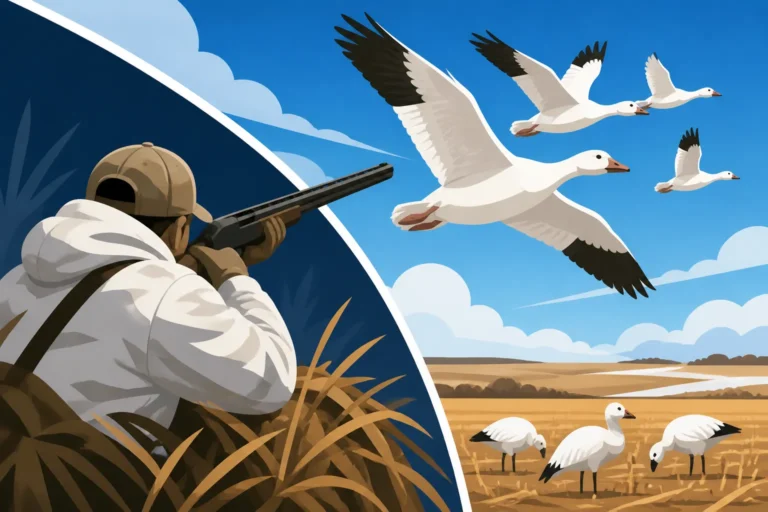
For many, a bird hunt is the perfect introduction to hunting. Waterfowl Hunting Saskatchewan's Grain Fields offers dynamic action, often in comfortable blinds or pits, with lots of opportunity for shooting and interaction. The fast pace and frequent shooting can keep a young hunter engaged and excited. It's a great way to learn gun safety, shooting fundamentals, and the ethics of responsible harvest in a relatively low-pressure environment.
Similarly, upland bird hunting for Hunting Hungarian Partridge on Saskatchewan Farms or Walking Up Sharp-Tailed Grouse in Saskatchewan can be fantastic. These hunts often involve walking fields with dogs, which is incredibly engaging for kids. The dogs work hard, the birds flush, and there's a constant element of surprise. It teaches patience in the walk, quick reflexes for the shot, and the joy of working with a trained animal. The daily limits are often generous, providing plenty of shooting opportunities without the intense pressure of a single big game animal. Plus, the social aspect of bird hunting with friends and family adds another layer of enjoyment.
Whitetail Deer and Black Bear
If big game is the goal, Whitetail Hunting in Saskatchewan or Black Bear Hunting in Saskatchewan can be excellent choices for youth. Whitetail deer hunts, especially in heated ground blinds over food plots or travel corridors, can minimize the physical demands and maximize comfort. Many outfitters have stands that are easy to access and offer good shooting lanes, reducing the complexity for a young shooter. The thrill of seeing a deer up close, combined with the strategic thinking involved, makes it a deeply rewarding experience.
Black bear hunts, particularly over bait, are another great option. These typically involve sitting in a comfortable, scent-controlled blind for a few hours in the evening. The anticipation of a bear coming into the bait can be incredibly exciting, and the relatively predictable nature of a baited bear allows for a controlled shot opportunity. Outfitters often have robust setups for youth, ensuring safety and a clear shot. It's a fantastic way to introduce big game hunting without the extreme physical exertion often required for other species.
Camp Environment and Amenities
Beyond the hunt itself, consider the overall camp environment. For youth, a welcoming and comfortable camp can make all the difference. Is it family-friendly? Do they offer amenities that make the experience enjoyable for everyone, not just the hunter? Things like comfortable sleeping arrangements, good food, and opportunities for downtime or other activities can be important.
Ask about the typical group size and who else might be in camp. A camp with other youth hunters can create a fantastic peer experience, fostering friendships and shared learning. A good outfitter running a youth program will understand that while the hunt is central, the overall experience – from the meals shared to the stories told around a campfire – contributes significantly to a positive memory. Look for outfitters who emphasize a friendly, supportive atmosphere, creating a true home away from home for young adventurers. You can often get a sense of this by asking What Saskatchewan Outfitters Provide in Camp.
Planning and Preparing for a Youth Hunt
Preparation is key for any hunting trip, but especially when a young person is involved. A well-planned youth hunt minimizes stress, maximizes enjoyment, and sets the stage for success. It involves more than just packing a bag; it's about setting expectations, ensuring readiness, and understanding all the rules.
Platforms like GoHunt or BookYourHunt can help you find outfitters, but the real planning work begins after you've made your choice. Engaging your child in the planning process can also increase their excitement and sense of ownership over the adventure. Remember, this is their journey too!
Essential Conversations Before the Trip
Before you even book, have an honest conversation with your child about what hunting entails. Discuss the realities of harvesting an animal, the responsibility that comes with it, and the possibility that success isn't guaranteed. It's crucial they understand that hunting involves patience, quiet, and sometimes, long hours without seeing anything. This helps manage expectations and prevents disappointment.
Talk about safety rules repeatedly. Ensure they know how to handle a firearm or bow safely and understand the importance of following the guide's instructions without question. Discuss the ethical principles of fair chase, respect for the animal, and responsible shot placement. These conversations are foundational and will reinforce the values that a good outfitter will also teach. It's about building a solid mental and ethical framework before they ever step into the field.
Gear Considerations for Youth
Proper gear is essential for comfort and safety, and this is even more critical for youth. Ill-fitting clothing, uncomfortable boots, or a firearm that's too heavy can quickly sour an experience. Ensure all gear is sized correctly for your child. Layering clothing is paramount in Saskatchewan's often unpredictable weather, especially when considering Hunting Saskatchewan Winter Weather Safely.
For firearms, consider lighter models with reduced recoil. Many manufacturers now offer youth-specific rifles and shotguns. If using a bow, ensure the draw weight and length are perfectly matched to their physical capabilities. Don't forget essentials like hearing protection, eye protection, and comfortable, waterproof boots. A good quality backpack for snacks, water, and extra layers is also a must. The outfitter can often provide guidance on gear, so don't hesitate to ask What Saskatchewan Outfitters Provide in Camp. Sometimes, they might even have youth-sized gear available for rent or loan.
Licensing and Regulations for Youth Hunters
Navigating hunting regulations can be complex, and youth hunters have specific rules that parents and guardians need to understand. Saskatchewan has a Saskatchewan Youth and Mentored Hunting program designed to facilitate safe and supervised hunting for young people. It's crucial to understand age requirements, supervision ratios, and any specific licence categories for youth.
You'll also need to ensure your child has completed their Saskatchewan Hunter Education Requirements, as this is mandatory for purchasing a licence. The outfitter can usually help with the logistics of obtaining licences, but it's ultimately your responsibility to ensure all requirements are met. Don't assume anything; verify all licence types and costs by checking the official sources or asking directly about Saskatchewan Hunting Licences and What They Cost. Remember, a smooth process for licensing contributes significantly to a stress-free trip.
Here's a quick guide to questions you should always ask an outfitter when planning a youth hunt:
| Question Category | Specific Questions to Ask |
|---|---|
| Youth Experience | How many youth hunters do you guide per season? |
| What age ranges do you typically work with? | |
| Do you have specific youth hunting packages or guides? | |
| Safety Protocols | What is your guide-to-youth hunter ratio? |
| What are your specific firearms/bow safety rules for youth? | |
| How do you ensure continuous supervision in the field? | |
| Hunt Pace/Style | What does a typical day look like for a youth hunt? |
| How flexible are you with breaks, shorter sessions, or adapting the hunt to a child's needs? | |
| What educational aspects do you incorporate into the hunt? | |
| Camp & Amenities | Is your camp family-friendly? What amenities do you offer for youth? |
| What are the sleeping arrangements and meal plans like for younger guests? | |
| Gear & Logistics | What gear (firearms, optics, clothing) do you recommend for youth? |
| Do you have youth-specific gear available? | |
| Can you assist with Saskatchewan Hunting Licences and What They Cost for youth? | |
| Post-Harvest | How do you handle the emotional aspect of harvesting an animal with a youth? |
| What is your process for field dressing and meat care when a youth is involved? |
When booking, platforms like BookYourHunt can provide initial contacts and details, but always follow up with direct conversations to confirm these critical points. Remember, Choosing the Right Saskatchewan Outfitter is paramount for a successful youth hunting experience. Don't hesitate to ask about Tipping a Saskatchewan Guide etiquette as well, so you're prepared for all aspects of the trip. A great experience starts with thorough planning, often a year in advance if you're Booking a Saskatchewan Hunt a Year Ahead.
Disclaimer
This article is for general informational purposes only and does not constitute professional advice. Laws, prices and regulations vary by location and change over time. Consult a qualified professional for guidance on your specific situation.