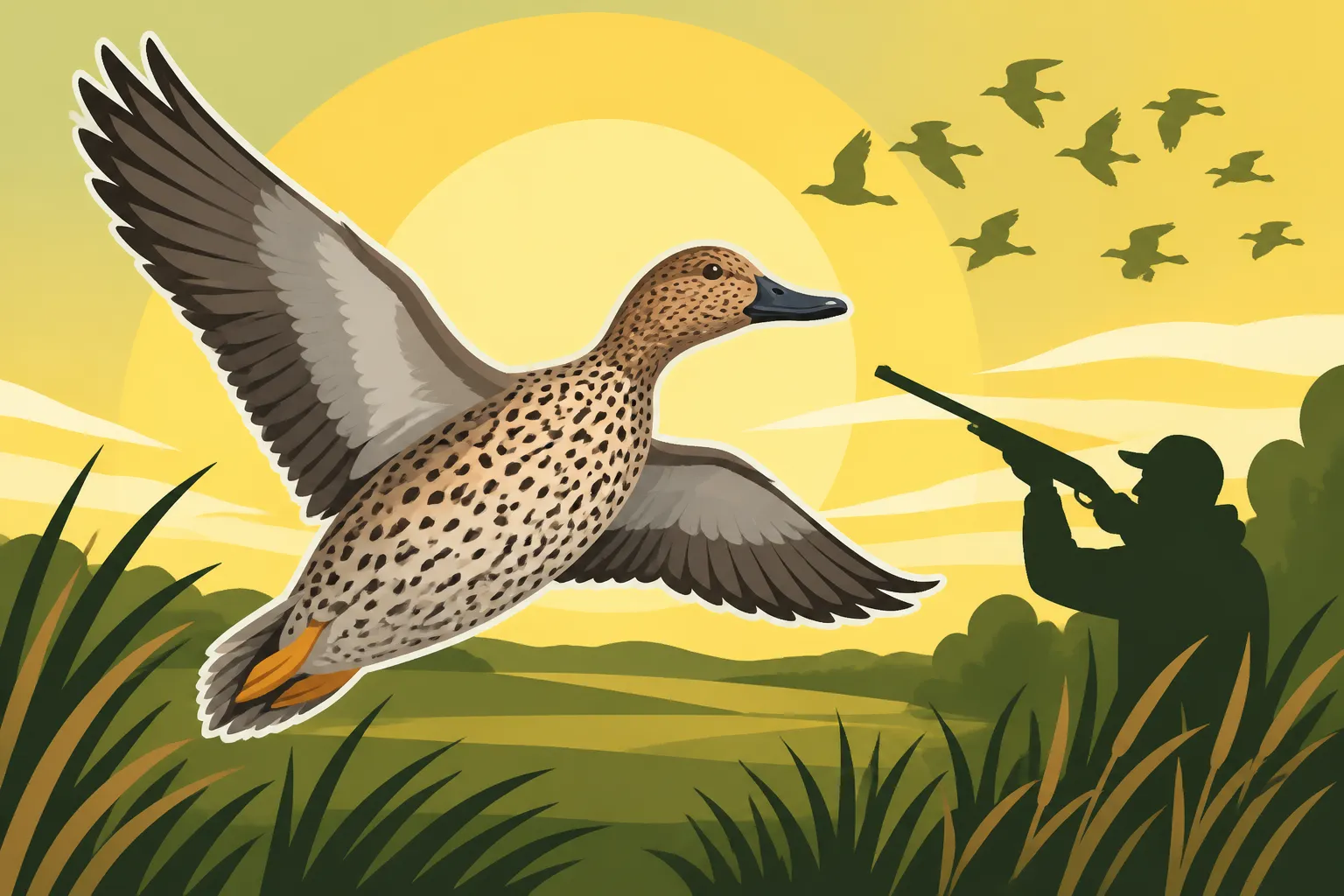
Where Specklebellies Stage in Saskatchewan
Finding those elusive specklebellies when they're staging in Saskatchewan can feel like searching for a needle in a haystack, especially when you're driving endless grid roads hoping for a glimpse. Many hunters spend countless hours wondering where these smart, wary birds decide to set up shop during their migration. This guide will take a deep dive into the specific habitats and conditions that attract specklebellies, helping you understand their patterns and drastically improve your chances of finding them during their Saskatchewan stopover.
Understanding Specklebelly Migration Through Saskatchewan
Specklebellies, often called white-fronted geese, are truly magnificent birds, and their migration through Saskatchewan is a spectacle. But for hunters, it's also a challenge, because these birds are incredibly intelligent and adaptable. Understanding their journey and their specific needs while they're here is the first step to putting yourself in the right place at the right time.
The Annual Journey and Why Saskatchewan is Key
Every year, these geese undertake an incredible journey, typically starting from their Arctic breeding grounds and heading south to their wintering grounds in the southern United States and Mexico. Saskatchewan lies right in the heart of one of their major migratory flyways. It's not just a pit stop; it's a critical staging area where they refuel, rest, and gather in massive numbers before continuing their long flight. Think of Saskatchewan as a giant, all-you-can-eat buffet and luxury hotel for thousands upon thousands of these birds.
The vast agricultural landscapes, particularly the grain-rich stubble fields, offer an unparalleled food source. This abundance of calories is absolutely vital for them to build up fat reserves needed for the next leg of their journey. Without these critical staging areas in Saskatchewan, their migration success would be severely hampered. They're not just passing through; they're making a calculated decision to spend significant time here, and that's why we, as hunters, need to understand what makes our province so appealing to them.
Prime Timing for Staging Specklebellies
Timing is everything when it comes to hunting migratory birds, and specklebellies are no exception. While they can appear anytime during the fall waterfowl season, there are definitely peak periods to watch for. Generally, their presence coincides with the progression of the harvest season, as more and more grain fields become available.
The earliest birds might start trickling in during late August or early September, often mixed in with other goose species. However, the numbers truly begin to swell from late September through October. This is often considered the prime window, when large concentrations of specklebellies can be found. Keep an eye on the weather patterns; a strong cold front from the north can push a significant wave of new birds into the province almost overnight. When Snow Geese Pass Through Saskatchewan is a good read for understanding similar migratory patterns.
As November rolls around, especially in colder years, the birds might start moving further south. However, if the weather remains mild and food sources are still plentiful, you can often find decent numbers of specklebellies well into mid-November, particularly in the southern regions of the province. Later in the season, they tend to become even warier, making scouting and good concealment even more crucial.
Identifying Key Staging Habitats for Specklebellies
Specklebellies aren't just looking for any old field or any old body of water. They have specific preferences that provide them with the perfect combination of abundant food, safe roosting, and minimal disturbance. Knowing these preferences is vital for narrowing down your search.
Large Stubble Fields and Grain Country
When it comes to feeding, specklebellies are connoisseurs of grain. They absolutely love large stubble fields, especially those that have recently been harvested and offer plenty of waste grain. While they'll dabble in wheat, barley, and oat stubble, some of their absolute favorites include pea and lentil fields. These legumes often leave a rich scattering of highly nutritious seeds that are easy for geese to pick up. Canola fields, after they’ve been swathed and combined, can also be attractive, though perhaps not as universally preferred as peas or lentils.
They tend to favour vast, open fields that provide them with an excellent vantage point to spot predators or approaching hunters. A field with even a slight rise can be a preferred feeding spot, as it offers even better visibility. Don't overlook fields that might have some standing crop left, perhaps around low spots or unharvested edges, as these can also hold birds seeking cover or a specific food source. For tips on how to find such fields, check out Scouting Fields for Saskatchewan Waterfowl.
The sheer size of a field also plays a role. Large, expansive tracts of grain country, particularly those found across central and southern Saskatchewan, are magnets. Think of areas around towns like Kindersley, Rosetown, Outlook, or even the vast fields near Yorkton. These agricultural hubs provide the scale of food sources that large flocks require.
Major Water Bodies and Roosting Areas
While fields provide food, specklebellies need secure roosting sites, and for that, they turn to large, open bodies of water. These aren't just small potholes; we're talking about bigger lakes, reservoirs, and expansive sloughs that offer safety in numbers. The larger the body of water, the more secure it feels to them, especially if there's open water even as temperatures drop.
These roosts provide protection from land-based predators, and the sheer volume of birds gathered offers an early warning system. They'll spend their nights here, rafted up, feeling safe from coyotes or other threats. Lakes such as Lake Diefenbaker, Last Mountain Lake, or even larger, less frequented slough complexes can be prime roosting locations. From these roosts, they'll often fly out to feed in the surrounding grain fields at first light, returning in the late morning, and then heading out again in the afternoon before returning to roost at dusk. Understanding this daily flight pattern is crucial for setting up your hunt. Pothole Hunting Prairie Ducks focuses more on ducks, but the principle of water as a safe haven is similar.
Look for water bodies that are relatively undisturbed. Heavy boat traffic or frequent human activity on a lake can deter them from using it as a primary roost. They want peace and quiet when they're not feeding.
Blending Fields and Water: The Ideal Combo
The magic truly happens when you find major grain fields in close proximity to large, secure water bodies. This is the sweet spot. Specklebellies don't want to fly dozens of miles between their dinner table and their bedroom. The less energy they expend, the better, especially during migration when every calorie counts.
Therefore, when you're scouting, focus your efforts on areas where there's a good mix of both. This could mean massive stubble fields right on the edge of a large lake, or within a 5-10 mile radius of a major reservoir or slough complex. These areas allow the birds to quickly move from feeding to roosting, minimizing their exposure to danger and conserving energy.
Often, you'll see the birds lifting off the roost in massive waves at dawn, heading straight for the most attractive feeding grounds nearby. Conversely, as the sun begins to dip towards the horizon, they'll abandon the fields and make a beeline back to their watery sanctuary. This proximity is a non-negotiable factor for truly consistent staging areas.
Scouting Strategies for Locating Specklebelly Hotspots
Locating specklebellies isn't about luck; it's about smart, persistent scouting. These birds are incredibly intelligent and change their patterns based on food availability, pressure, and weather. You need a multi-pronged approach to consistently find them.
Leveraging Technology and Aerial Views
In this day and age, technology is an indispensable tool for any serious waterfowl hunter. Before you even leave the house, spend time on satellite imagery. Platforms like those offered by GoHunt or other popular mapping apps allow you to survey vast tracts of land from above. Look for large stubble fields, especially those appearing light in colour, indicating harvested peas, lentils, or cereal grains. Identify major water bodies nearby. You can often see historical patterns of crop rotation, giving you clues as to what might be planted in future seasons. Scouting With Satellite Imagery in Saskatchewan can provide more in-depth techniques.
Pay attention to access points like grid roads and trails, and identify potential points of concealment. Remember, what looks good on a map still needs ground verification, but it can save you hours of aimless driving. These digital tools help you create a shortlist of promising locations, drastically reducing your physical scouting time and making your efforts far more efficient. Look for areas that have large, unbroken blocks of agricultural land, as these are less likely to be disturbed.
Boots-on-the-Ground Reconnaissance
Once you have your digital shortlist, it’s time to hit the road. This is where the real work begins, and it's also the most rewarding. Drive the grid roads and look for actual bird activity. Early mornings and late afternoons are prime times for observation, as this is when birds are typically flying to and from feed fields. Look for birds feeding in fields, flying overhead, or loafing on water bodies. Always pull over safely and use binoculars or a spotting scope to observe from a distance, minimizing disturbance.
Pay close attention to specific fields where birds are actively feeding. Note the type of stubble, the amount of waste grain visible, and the size of the flock. Also, observe their flight paths – this can tell you where their main roost might be. Be respectful of landowners and traffic. When you spot a field holding birds, resist the urge to drive right up to it. Keep your distance and make mental notes or drop pins on your GPS. Getting Permission for a Goose Field highlights the importance of respectful access.
Engaging with Local Knowledge and Resources
Never underestimate the power of local knowledge. Farmers and rural residents are on the ground every day and often have an intimate understanding of bird movements in their area. A friendly conversation with a landowner about crop conditions or recent bird activity can yield invaluable insights that no amount of satellite imagery or driving can provide. They might even grant you permission to hunt a particular field if you approach them respectfully and at an appropriate time.
Additionally, local hunting forums, social media groups, or even talking to staff at local sporting goods stores can sometimes provide current intel on bird movements. While you might not get exact coordinates, you might hear about general areas where specklebellies have been showing up. Remember to share information ethically and always verify any tips you receive, as conditions can change rapidly. Building relationships within the local hunting community can be incredibly beneficial in the long run.
The Impact of Weather and Crop Cycles on Staging
Saskatchewan's weather is famously unpredictable, and its agricultural cycles are equally dynamic. Both of these factors play a massive role in where and when specklebellies will choose to stage, making adaptive scouting critical for success.
How Weather Systems Influence Movements
Weather isn't just a comfort factor for hunters; it's a primary driver of migration. Specklebellies are highly sensitive to significant changes in weather. Strong northerly winds, for instance, can provide a powerful tailwind, encouraging birds to push further south. A sudden drop in temperature, especially if it brings an early freeze-up of smaller water bodies, will force birds to move to larger, more open water, or potentially push them out of an area entirely.
Conversely, a prolonged period of mild, stable weather can lead to birds lingering longer in Saskatchewan, enjoying the abundant food sources. Frontal systems, particularly those that bring changes in wind direction or precipitation, often trigger large movements. For example, the low-pressure system preceding a cold front might see birds feeding aggressively, trying to fill up before the weather turns. Staying informed about the forecast is not just good practice; it's essential for predicting bird behaviour. This dynamism means what was a hotspot yesterday might be empty today.
Crop Harvest Progress and Food Availability
The timing of the agricultural harvest is arguably the most significant factor dictating specklebelly staging locations. These birds are here for the grain, and they won't show up in large numbers until the crops they prefer have been combined and scattered across the fields. Early season hunting often focuses on pea and lentil fields, as these are typically harvested first. As the season progresses, barley, wheat, and eventually canola stubble become available.
A slow, drawn-out harvest due to wet weather can delay the arrival of large numbers of birds in certain areas, or push them towards fields that were harvested earlier. Conversely, a rapid, efficient harvest across a wide region can open up vast feeding grounds quickly, concentrating birds in those areas. This means your scouting needs to be tied to the progress of the local harvest. You might check a field in early October and find it untouched, only to return a week later and find it combined and covered in birds. Hunting a Swathed Grain Field at Dusk specifically talks about hunting these productive fields.
It's a constantly evolving puzzle, where the availability of food directly influences bird presence. Hunters often call local agricultural extension offices or chat with farmers to get a pulse on harvest progress, as this can be more indicative than simply watching the calendar.
Here's a quick look at some common crop types and their appeal to specklebellies:
| Crop Type | Appeal to Specklebellies | Harvest Timing (General) | Notes |
|---|---|---|---|
| Peas & Lentils | Very High: Abundant, nutritious waste grain. | Late August – Mid Sept | Often the first major draw. |
| Barley & Wheat | High: Good source of carbohydrates, easily digestible. | Mid Sept – Early Oct | Widely available, consistently used. |
| Canola | Moderate: Seeds can be a food source. | Late Sept – Mid Oct | Less preferred than legumes/cereals, but used if other options are scarce. |
| Oats | Moderate: Similar to barley/wheat, but less common. | Mid Sept – Early Oct | Less acreage, but birds will utilize if present. |
| Corn (rare in SK) | High: If present, provides excellent energy. | Late Oct – Nov | Not widespread in Saskatchewan, but highly attractive where found. |
When scouting, don't just look for any stubble field. Look for the right stubble field. Combine this knowledge with your scouting efforts, and you'll dramatically increase your odds of finding where these incredible birds choose to stage during their Saskatchewan migration.
Disclaimer
This article is for general informational purposes only and does not constitute professional advice. Laws, prices and regulations vary by location and change over time. Consult a qualified professional for guidance on your specific situation.