What Bears Eat in a Boreal Spring
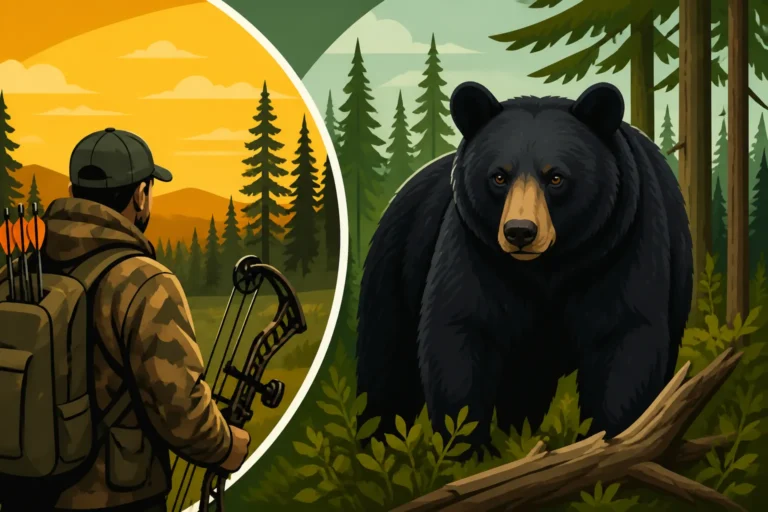
When the last of the snow reluctantly recedes across Saskatchewan's vast boreal forest, a profound shift begins. For hunters, it signals the start of spring bear season, but for the bears themselves, it's a period of urgent and intense calorie foraging. Freshly emerged from months of hibernation, their bodies are screaming for sustenance, and what they choose to eat in these early weeks is critical to their survival, health, and ultimately, their growth. This guide dives deep into the fascinating and often surprising dietary habits of black bears as they navigate the challenging landscape of a boreal spring.
The Urgent Hunger After Hibernation
Imagine waking up from a six-month nap where you've burned through most of your savings, both literally and physically. That's essentially what a black bear experiences as it emerges from its den in the Saskatchewan bush. Their bodies are depleted, muscles may be atrophied, and they are driven by an instinctual, insatiable hunger that overrides almost everything else.
Awakening to a Barren Landscape
The early spring in the boreal forest is often a study in stark contrasts. While the sun gains strength, many areas remain locked in winter's grip. Patches of snow linger in shaded ravines, and the ground, still frozen solid in many places, offers little in the way of readily available food. Bears, having slept through this, are waking up to a world that isn't quite ready to deliver the bounty of summer. Their fat reserves, meticulously built up during the previous fall, are now critically low, and their digestive systems need to gently re-engage after such a long period of inactivity. It's a delicate balance, and making the wrong dietary choices could lead to serious health issues or even starvation.
This initial period of emergence is crucial. A bear's top priority isn't mating or playing; it's simply to find enough energy to sustain itself and begin rebuilding. They are often moving slowly, testing the landscape for any sign of nourishment. The sheer scale of the boreal forest can make this search challenging, forcing them to cover significant ground to find anything edible. Understanding When Saskatchewan Bears Leave the Den is the first step in appreciating this post-hibernation urgency.
The Drive for Calories and Protein
While bears are often thought of as omnivores, and they certainly are, their springtime diet is heavily skewed towards easily digestible calories and, critically, protein. Protein is essential for repairing muscle tissue lost during hibernation and for supporting the rapid growth of new fur. Carbohydrates and fats, though also needed, are often harder to come by in the immediate aftermath of winter. This dietary need shapes their movements and preferences.
They're not just looking for anything; they're looking for the most efficient sources of energy and building blocks. This often means focusing on foods that offer a high return for the energy expended in finding and consuming them. Think of it like a meticulous grocery shopper; they're not just grabbing whatever's on the shelf, but actively seeking out the most nutritious items to meet their body's specific demands. This drive for high-value food influences their travel patterns, often leading them to specific areas that reliably provide these critical nutrients.
Early Spring Scavenging and Green Sprouts
As spring slowly begins to assert itself, bears turn to two primary food sources: what winter has left behind and the first tentative offerings of new plant growth. These early options are vital bridges until the forest truly awakens.
Seeking Out Winter Kill and Carrion
One of the most significant and protein-rich food sources for a newly awakened bear is carrion. Any animal that succumbed to the harsh Saskatchewan winter – be it a moose, deer, or even a smaller furbearer – becomes a welcome feast. Bears possess an incredibly keen sense of smell, capable of detecting carcasses from remarkable distances, which is critical when living in the vastness of the boreal forest.
They will often frequent low-lying areas, river valleys, and thick pockets of bush where animals might have sought shelter from storms or simply died from old age or injury. These areas tend to concentrate winter kill. Finding a large carcass can provide several days, or even weeks, of essential protein and fat, allowing the bear to regain strength and begin putting on weight. This scavenging behaviour is a natural and necessary part of their survival strategy and demonstrates their opportunistic nature. When you're scouting for bears, considering areas where animals might have perished in winter is a smart move; GoHunt's mapping features can help you identify these topographical features.
The First Green Shoots and Forbs
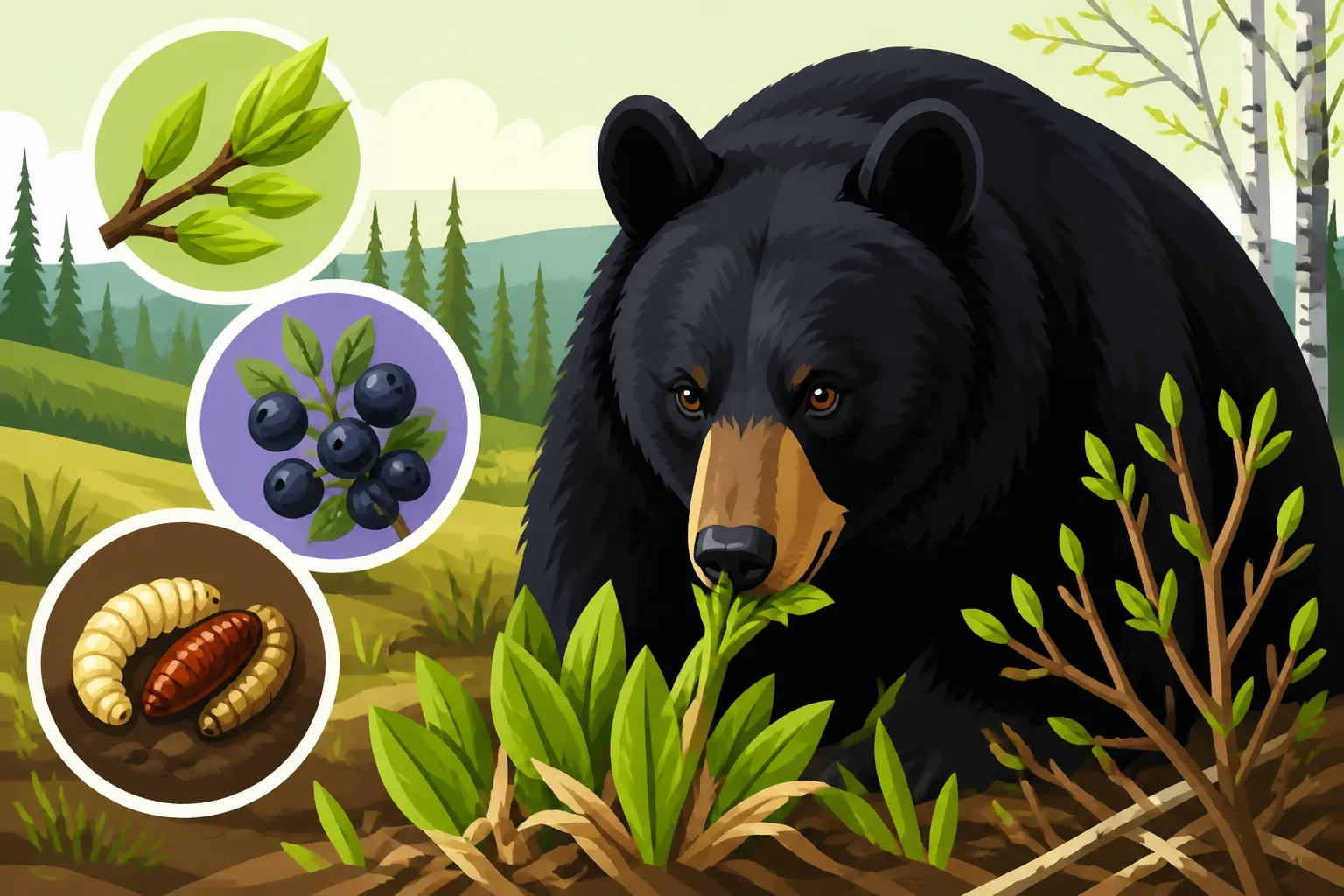
While carrion provides the protein punch, bears also start seeking out the very first signs of green vegetation. As soon as sun-exposed patches of ground begin to thaw, tiny shoots of grass, sedges, and various forbs (broad-leaved herbaceous plants) emerge. These early greens are not particularly high in calories, but they are crucial for a bear's digestive system. After months of inactivity, their gut needs to be gently re-primed, and these tender, water-rich plants help to flush out their system and introduce essential vitamins and minerals.
Bears will often graze on these new sprouts in sunny clearings, along the edges of open fields adjacent to the bush, or on south-facing slopes where the snow melts first. They'll spend hours meticulously nipping at these small offerings. While it might not seem like much to us, for a bear just coming out of hibernation, these first greens are a sign of life returning and a critical part of their transition diet. Understanding this helps when you are Scouting a Saskatchewan Wildlife Management Zone as you can look for these specific early green-up locations.
The Expanding Menu as Spring Progresses
As spring deepens into early summer, the boreal forest comes alive, and with it, the black bear's diet becomes much more diverse. The landscape begins to offer a broader spectrum of caloric and protein-rich foods, allowing bears to really ramp up their intake.
Insects, Grubs, and Ant Nests
Once the ground thaws sufficiently, the insect world awakens, providing a massive protein source for hungry bears. They become adept at flipping over rocks, tearing apart rotten logs, and excavating ant nests with remarkable efficiency. Carpenter ants, in particular, are a high-value food, offering not just protein but also formic acid, which some researchers believe helps with digestion or acts as a natural dewormer.
You'll often see tell-tale signs of a bear's insect foraging: splintered stumps, overturned rocks, and dug-out ant hills. These aren't just random acts of destruction; they are intentional, calorie-driven behaviours. This insect-rich diet is a crucial part of their spring and early summer intake, providing a consistent source of nourishment before the more substantial berry crops ripen later in the season. For a hunter Baiting Black Bear in Saskatchewan, knowing that bears are actively seeking these protein sources can influence what kind of attractants might be most effective.
Buds, Catkins, and Tender Browse
As the trees and shrubs rapidly leaf out across the Saskatchewan landscape, bears readily switch to browsing on this tender new growth. Poplar and aspen catkins, the nascent leaves of willows and birches, and the soft tips of various woody plants all become part of their diet. These are easily digestible, packed with nutrients, and relatively abundant once the forest is in full swing.
Think of how much energy a tree puts into new growth in the spring; bears are tapping directly into that concentrated energy. They will stand on their hind legs to reach higher branches or strip leaves from smaller saplings. Areas like logging cutlines or younger forest stands, where there's an abundance of new, tender growth, become prime feeding grounds. This is a common sight if you are Hunting an Old Logging Road in the North. This type of foraging helps them put on critical body mass, making them grow into those impressive specimens that explain Why Saskatchewan Grows Big Colour Phase Bears.
Small Mammals and Bird Eggs
While most of a black bear's spring diet is plant-based or carrion, they are undeniably opportunistic predators. Small mammals like voles, mice, and even the occasional snowshoe hare that might be struggling after winter can fall victim to a hungry bear. Their powerful sense of smell helps them locate these hidden prey animals.
Bird nests, particularly those of ground-nesting species or even those in lower branches, are also fair game. The eggs and newly hatched chicks provide a concentrated source of protein and fat, a welcome bonus for a bear constantly seeking to maximize its caloric intake. While these aren't primary food sources, they contribute significantly when found and are a testament to the bear's flexible and adaptive foraging strategies. A hunter using a reliable mapping tool like GoHunt can often identify areas with dense undergrowth or wetlands that might support these smaller prey species, leading to potential bear activity.
Where to Find Spring Bear Food Sources
Understanding what bears eat is only half the battle; knowing where they find it is just as important for anyone venturing into the boreal forest during spring bear season. Bears are creatures of efficiency, and they'll gravitate towards areas that offer the highest return on their foraging efforts.
Lowlands, River Valleys, and South-Facing Slopes
Certain geographical features consistently offer better food availability in early spring. Low-lying areas, such as the bottoms of river valleys and marshy sections near water bodies, tend to accumulate more organic matter and also provide excellent hiding spots for winter kill. The moisture in these areas also often encourages earlier green-up of grasses and forbs. Meanwhile, south-facing slopes, catching the most direct sunlight, shed their snow cover faster and warm up sooner than other areas. This early warmth stimulates plant growth, making these slopes magnets for bears seeking those first green shoots.
These microclimates are critical in the spring. A bear can move from a still-frozen north-facing slope to a bustling south-facing one within a short distance, encountering dramatically different food availability. When you're planning your hunt, paying attention to these topographical nuances can give you a significant advantage, helping you narrow down vast tracts of boreal forest. This insight is also key when considering Setting a Bear Bait Site in Saskatchewan as these areas naturally concentrate bears.
Cutlines, Burns, and Disturbed Areas
Human activity, paradoxically, can create excellent bear feeding grounds. Logging cutlines, seismic lines, and older burned-over areas often result in a flush of new, tender vegetation. The increased sunlight penetration to the forest floor encourages rapid growth of grasses, shrubs, and berry plants. These linear features also act as corridors for bears, allowing them to travel efficiently while simultaneously foraging. A few years after a forest fire, for example, the new growth in a burn block can be incredibly attractive to a variety of game, including bears. This is a common strategy when Hunting a Burned Block Three Years On.
These disturbed areas are typically rich in insects too. Exposed soil and decaying wood provide perfect habitats for ants, grubs, and other invertebrates, which, as we've discussed, are a crucial protein source. So, while these areas might look like scars on the landscape, for a bear, they represent an all-you-can-eat buffet that regenerates quickly after the initial disturbance.
Connecting Diet to Bear Hunting Strategies
Understanding the spring diet of black bears is not just for academic interest; it's a fundamental pillar of successful spring bear hunting. If you know what they're trying to eat, you can predict where they'll be looking for it. This knowledge is precisely why traditional strategies like baiting are so effective in Saskatchewan. A well-placed bait can capitalize on a bear's desperate need for calories and protein. However, even for hunters not using bait, observing the landscape for these natural food sources is paramount.
By scouting for early green-up, signs of carrion, or areas ripe with insect activity, you can significantly increase your chances of encountering a bear. It's about thinking like a bear: what would I need right now, and where would I go to get it? This ecological understanding is a potent tool in any hunter's arsenal for Black Bear Hunting in Saskatchewan. The areas with the highest bear densities will often correspond directly to areas with consistent food availability.
Here's a quick summary of key spring food sources and their importance:
| Food Source | Primary Benefit | Typical Location(s) | Availability Season |
|---|---|---|---|
| Winter Kill/Carrion | High Protein, Fat | River valleys, dense bush, lowlands | Early Spring (April-May) |
| Tender Green Shoots/Forbs | Vitamins, Minerals, Digestion | South-facing slopes, sunny clearings, field edges | Early Spring (May-June) |
| Insects (Ants, Grubs) | High Protein | Rotten logs, under rocks, ant hills, disturbed areas | Mid-Spring (May-June) |
| Tree Buds/Catkins/Browse | Calories, Fiber | Young forest stands, cutlines, new growth areas | Mid-Spring (May-June) |
| Small Mammals/Bird Eggs | Protein, Fat | Opportunistic finds anywhere in suitable habitat | Mid-Spring (May-June) |
It's clear that the black bear's boreal spring diet is a dynamic process, evolving from sparse, high-value finds in the early weeks to a more diverse and abundant menu as the season progresses. By understanding these dietary shifts and the environmental cues that dictate them, hunters can become more effective and appreciative of the incredible resilience of Saskatchewan's black bears. From their first cautious steps out of the den to their determined search for sustenance, every bite contributes to their survival and the continued health of the population.
Disclaimer
This article is for general informational purposes only and does not constitute professional advice. Laws, prices and regulations vary by location and change over time. Consult a qualified professional for guidance on your specific situation.