Why Saskatchewan Grows Big Colour Phase Bears
For many hunters, the thought of pursuing a black bear conjures images of deep woods and dark fur. But if you've spent any time researching hunting opportunities, especially in places like Saskatchewan, you've likely heard whispers and seen photos of something truly special: big, beautiful black bears sporting coats of cinnamon, chocolate, blonde, and even striking red. It's a phenomenon that leaves many wondering, why here? This guide will dive deep into the unique confluence of factors in Saskatchewan that contribute to not only healthy black bear populations but also a remarkable prevalence of these sought-after colour phase bears, often growing to impressive sizes.
The Northern Boreal Advantage: Habitat and Health
Saskatchewan's vast northern boreal forest is a prime example of ideal bear country, a sprawling wilderness that stretches across the province. It's not just a dense collection of trees; it's a dynamic ecosystem rich in everything a bear needs to thrive, grow large, and express diverse genetics. Hunters often talk about "good bear country," and the boreal forest is the textbook definition.
Expansive Wilderness and Low Pressure
One of the most significant factors is simply the sheer amount of undisturbed habitat. Much of northern Saskatchewan remains wild, with vast tracts of Crown land that see minimal human impact outside of resource extraction or remote cabins. This expansive, relatively untouched wilderness provides bears with crucial space to roam, establish large home ranges, and avoid constant pressure from humans. Bears, especially mature boars, are known to be reclusive, and this allows them to mature without feeling constantly pushed or stressed. A large, undisturbed range means less competition for prime resources in many areas, allowing individual bears to maximize their feeding potential. It’s not uncommon to find areas that are truly remote, requiring significant effort to access, which naturally keeps hunting pressure lower and allows older, larger bears to persist.
Diverse Foraging Opportunities
The boreal forest isn't a monoculture; it's a tapestry of diverse plant life that provides a continuous buffet for bears throughout their active season. From the moment they emerge from their dens in spring until they retreat for winter, Saskatchewan's landscape offers an incredible variety of nutrient-rich foods. Think about the spring green-up along Spring Bear Hunting Saskatchewan's Cutlines, where bears gorge on new grasses, sedges, and forbs. As summer progresses, the forest floor explodes with a succession of berries: saskatoons, blueberries, raspberries, and chokecherries. These aren't just snacks; they're critical calorie bombs that allow bears to rapidly put on weight. Beyond berries, bears are opportunistic omnivores, feeding on insects, grubs found under logs, and even carrion or the occasional moose calf. This consistent access to high-quality, varied forage is absolutely critical for rapid growth and packing on the necessary fat reserves for winter, ultimately leading to bigger, healthier animals.
Genetics and the Colour Palette
While food and habitat are crucial for size and health, the stunning array of colour phases found in Saskatchewan's black bears points directly to a robust and diverse genetic pool. It's not just a random occurrence; it's a deep-rooted part of the bear's heritage in this region.
The Science of Colour Variation
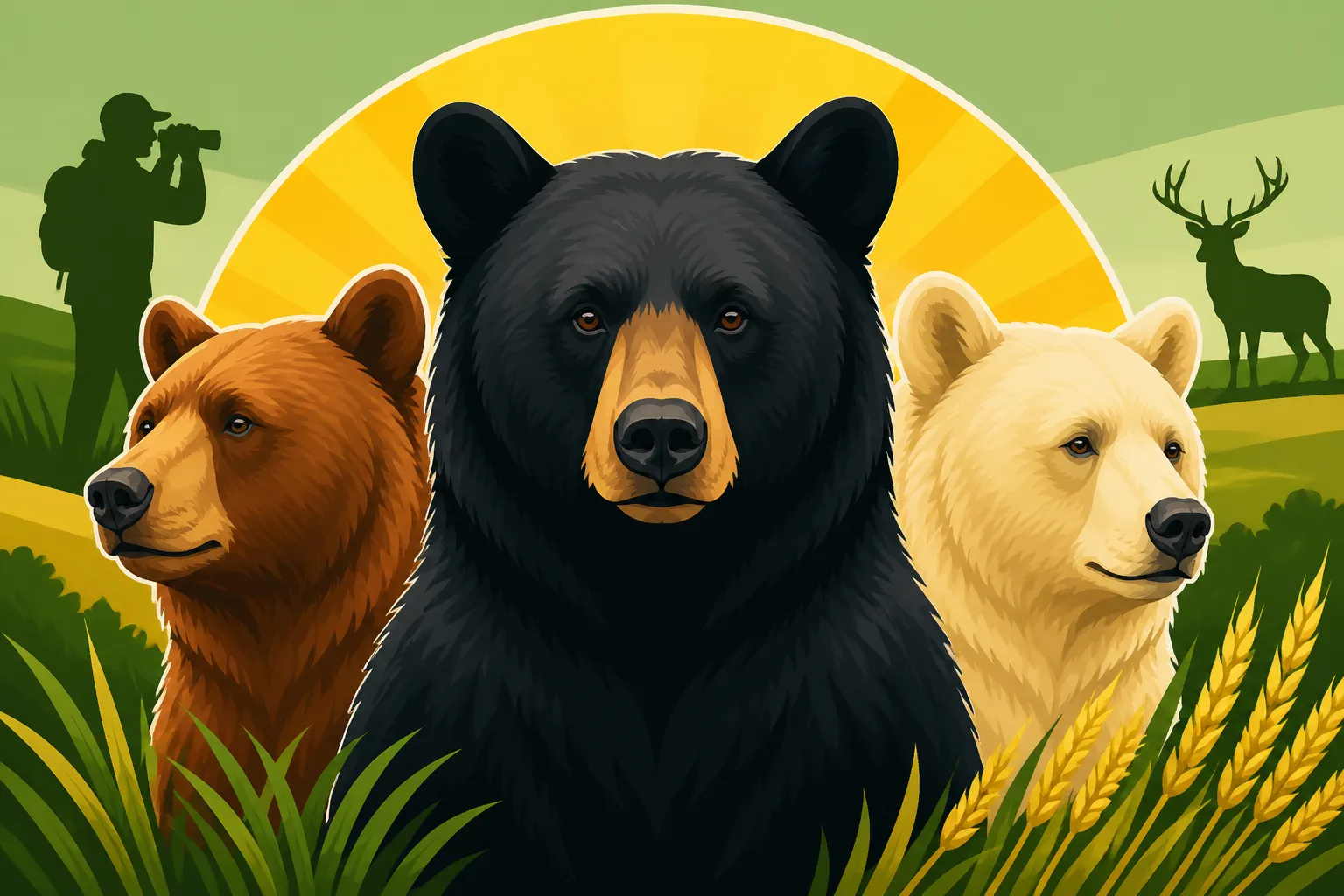
The different coat colours in black bears, ranging from blonde to cinnamon to chocolate, are not due to them being a different species; they are simply genetic variations within the Ursus americanus black bear species. These colour phases are controlled by recessive genes, meaning both parents must carry the gene for a cub to express a non-black coat. The prevalence of these genes can vary widely by geographic region. In Saskatchewan, it appears these specific genes are much more common in the population, leading to a higher frequency of colour phase offspring. It’s a bit like hair colour in humans – you see a spectrum, and certain regions have a higher prevalence of redheads or blondes. For bears, Saskatchewan's population has a rich blend that results in this amazing visual diversity. This genetic diversity is a sign of a healthy and stable bear population that hasn't experienced severe bottlenecks that might wipe out less common genetic traits.
How Geography Influences Phenotype
While genetics are the underlying cause, the environment can play a subtle role in how these genes are expressed or perpetuated. Some researchers suggest that in more open or mixed forest environments, lighter colours might offer a slight camouflage advantage, although this is debated. More likely, it's a reflection of ancient migration patterns and the historic isolation of certain bear populations that allowed these specific colour genes to become established and spread through the Saskatchewan bear population over generations. When you see a blonde bear emerge from a dense spruce bog, or a cinnamon bear disappear into the golden hues of a regenerating poplar stand, you're witnessing the culmination of thousands of years of natural selection and genetic inheritance. This is why Colour Phase Black Bears in Saskatchewan are such a draw for hunters.
Climate, Denning, and Longevity
Saskatchewan's climate, particularly its long, cold winters, plays an indirect but significant role in both the overall health and the potential for bears to achieve trophy size and maintain these unique colour phases. Bears here are built for resilience, and their lifecycle is finely tuned to the changing seasons.
Extended Denning Periods
One of the most defining characteristics of Saskatchewan's climate is its extended cold season. Bears here often den up earlier in the fall and emerge later in the spring compared to more southerly populations. This means a longer period of dormancy. While it might seem counterintuitive, a longer denning period can actually be beneficial for growth and health. During hibernation, bears aren't expending energy foraging or moving; instead, their bodies efficiently conserve resources. This allows them to recover from the previous active season, repair tissues, and allocate more energy towards growth once they emerge and start feeding. It also protects them from the harshest winter conditions and potential food scarcity. When they do emerge, they are ready to capitalize on the What Bears Eat in a Boreal Spring.
Protection from Early Spring Challenges
The deep snow and prolonged cold of a Saskatchewan winter also protect new cubs and recently emerged adults from some of the early spring challenges faced by bears in milder climates, such as very early human activity or unpredictable late-season cold snaps. The timing of When Saskatchewan Bears Leave the Den is critical; they emerge when the environment begins to offer reliable food sources. This natural rhythm, dictated by the northern climate, ensures that bears have the best possible start to their active season, contributing to their overall vitality and reproductive success. These longer, undisturbed denning cycles allow bears to conserve energy and focus on growth when they are active, a key factor in reaching impressive sizes.
Strategic Management and Hunter Interest
The management practices and the specific interest from hunters also contribute to the phenomenon of big colour phase bears in Saskatchewan. It's a feedback loop: good management fosters healthy bears, and unique bears attract discerning hunters.
Balanced Harvest and Trophy Potential
Saskatchewan’s black bear hunting regulations are designed to maintain healthy populations while offering hunters opportunities for quality animals. While I can't provide specific harvest quotas or limits, the provincial framework aims for a sustainable harvest, which typically means an emphasis on older, mature animals. Outfitters, understanding the value of colour phase bears, often work to manage their hunting areas to allow bears to mature. They are not just looking for "any bear"; they're looking for mature, often large, and ideally colour phase animals. This natural selection, combined with hunting preferences, helps to ensure that younger bears have the opportunity to grow, contributing to the overall trophy potential of the province. Black Bear Hunting in Saskatchewan often focuses on these prime animals.
| Colour Phase | Appearance | Commonness in Saskatchewan | Notes |
|---|---|---|---|
| Black | Classic jet black | Most common, but less so than elsewhere | Still a significant portion, but many colour phases present |
| Cinnamon | Reddish-brown, often with lighter muzzle | Fairly common | Can range from light to deep reddish hues |
| Chocolate | Dark brown, can appear almost black in some light | Common | Often mistaken for black until seen in good light |
| Blonde | Light tan, almost golden | Less common, but sought after | Beautiful, striking colour, often found in older bears |
| Blue/Glacier | Silvery-blue/grey | Extremely rare | More common in specific regions of North America, exceptionally rare in SK |
The "Colour Phase Premium" for Hunters
There's no denying that colour phase bears are a significant draw for hunters, particularly those travelling to Saskatchewan. This demand creates a "colour phase premium" where outfitters and guides understand the value these unique bears hold. They invest time and resources into scouting areas known for higher concentrations of these bears, and they often manage their bait sites specifically with the goal of attracting and holding mature animals, which are more likely to display these traits. Tools like GoHunt can be invaluable for hunters and outfitters alike to research game populations and understand success rates in various zones, helping to identify areas with a history of producing these unique bears. This focus on ethical hunting and the pursuit of mature, genetically diverse animals creates a positive cycle that perpetuates the presence of these magnificent creatures in the Saskatchewan wilderness. Knowing Where the Highest Bear Densities Are can really help pinpoint those zones.
Conservation and Monitoring
Saskatchewan, like any jurisdiction with a robust wildlife population, engages in monitoring and research to ensure the long-term health of its black bear populations. This includes understanding population dynamics, reproductive rates, and the impact of various environmental factors. By keeping a close eye on bear numbers and health, the province can adapt its management strategies to ensure that the genetic diversity, including the genes for colour phases, remains strong. This commitment to conservation directly supports the continued presence of healthy, large, and beautifully varied black bears for generations of hunters to appreciate. When you embark on a hunt for Moose Hunting Saskatchewan's Farmland and Forest or Whitetail Hunting in Saskatchewan, remember that bear populations benefit from similar careful oversight.
Disclaimer
This article is for general informational purposes only and does not constitute professional advice. Laws, prices and regulations vary by location and change over time. Consult a qualified professional for guidance on your specific situation.