Saskatchewan Hunting Access Near Saskatoon
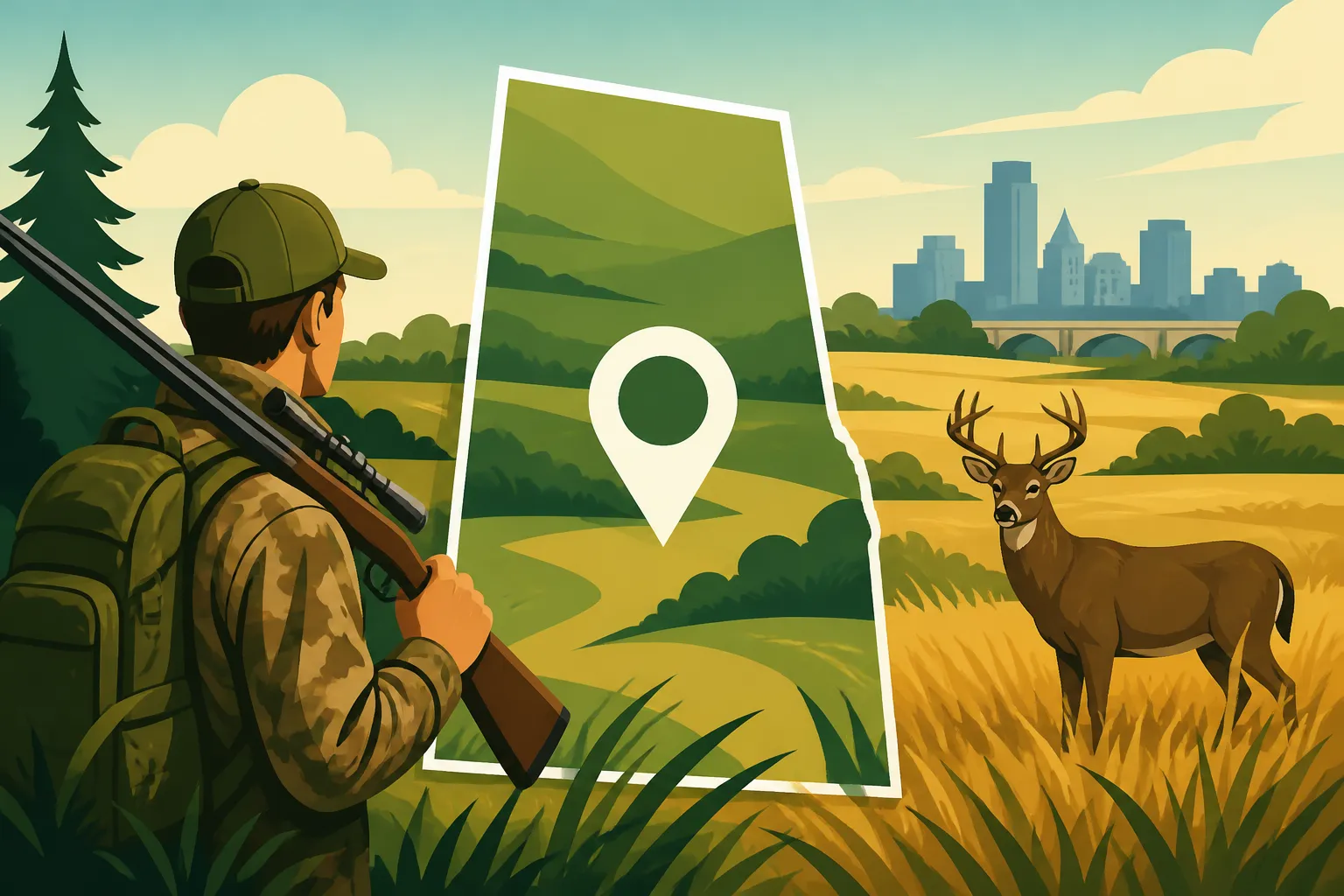
For many hunters, the thought of finding quality hunting ground within a reasonable drive of a major urban center like Saskatoon can feel like a pipe dream. The reality of bustling city life often clashes with the quiet solitude and wild spaces we seek. But don't despair! While it certainly requires diligence and a bit of legwork, there are definitely opportunities to find hunting access not far from the city, and this guide will help you understand where to look and how to approach it effectively.
The Landscape Around Saskatoon: More Than Just City Limits
Saskatoon sits in a unique transition zone, often referred to as the Aspen Parkland. This means the immediate surroundings shift from dense urban sprawl to open agricultural fields, gradually giving way to a mix of cultivated land, native grasslands, and scattered bluffs of aspen, willow, and poplar. Understanding this ecological mosaic is key to successful hunting in the area.
Saskatoon's Urban Fringe and Expanding Agriculture
As you move away from the city lights, the first thing you'll notice is the vast expanse of agricultural land. Wheat, barley, canola, and lentils dominate the landscape, providing an incredible food source for a variety of game. However, this also means much of the land is privately owned. The urban fringe itself, with its acreages and hobby farms, can be particularly challenging for hunting access due to high human population density and concerns about safety and privacy. You're not going to be setting up a deer stand just outside city limits, but as you venture further, the agricultural tracts become interspersed with more natural cover.
Transition to Aspen Parkland
Beyond the immediate agricultural belt, the true character of the Aspen Parkland emerges. This is where you'll find those iconic bluffs – dense pockets of poplar and aspen trees, often ringing sloughs or running along old creek beds. These bluffs provide crucial shelter, bedding cover, and travel corridors for whitetail deer, moose, and a host of other animals. The intermingling of fields and bluffs creates an ideal habitat mix, offering both abundant food and secure cover. Hunters who learn to read these transitions effectively will find the most success. This zone extends quite a distance from Saskatoon, so patience and exploring different directions will pay off.
Wildlife Movement and Habitat Pockets
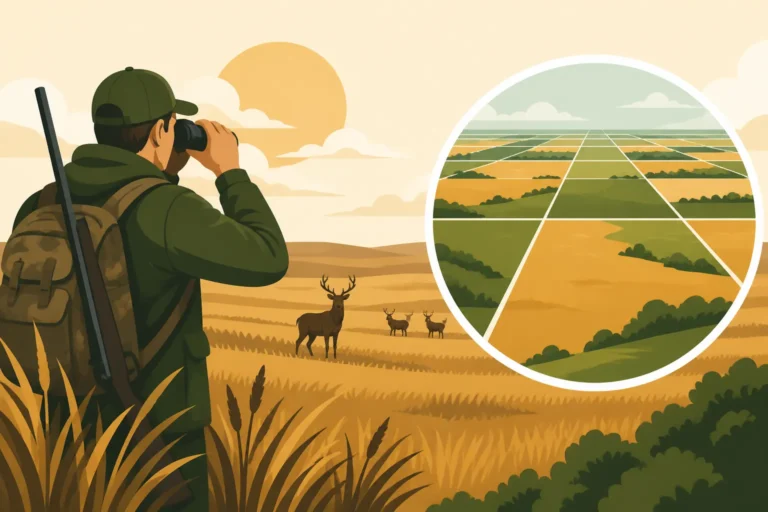
Even in seemingly open farmland, wildlife depends on specific habitat pockets. These can be small willow rings around potholes, a brushy fence line, or a larger poplar bluff. Whitetail deer, in particular, are masters of using these limited cover types to navigate between feeding areas and bedding sites. Waterfowl will gravitate towards sloughs and larger bodies of water, which are abundant in the parkland region, especially during migration. Knowing how game uses these smaller, often overlooked areas is vital. Learning to identify these key spots, even on a small Saskatchewan Quarter Section, can be a game-changer for finding huntable animals close to home.
Public Land Opportunities Within Reach
While much of the land around Saskatoon is privately owned, there are public land options if you know where to look. These lands fall under various designations and each comes with its own set of considerations for access and hunting.
Identifying Wildlife Management Zones and FWDF Lands
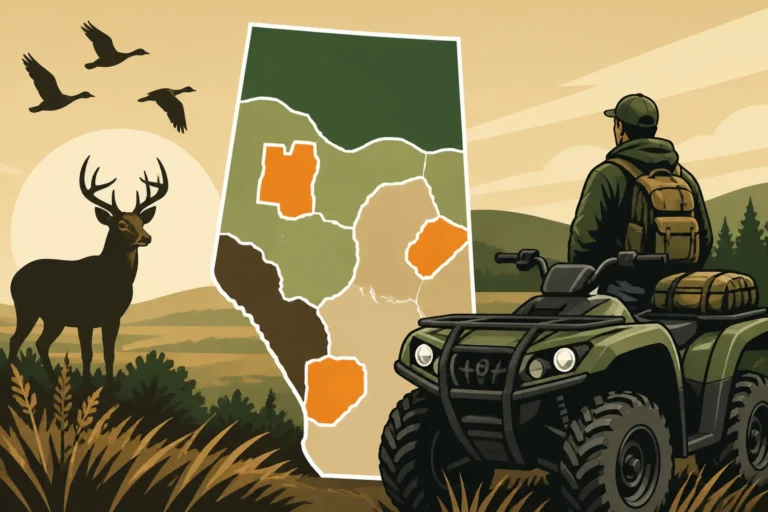
Saskatchewan is divided into numerous Wildlife Management Zones (WMZs), and understanding which zones surround Saskatoon is your first step. These zones dictate specific season dates and regulations for various species. Within these zones, the province manages areas known as Fish and Wildlife Development Fund (FWDF) lands. These parcels are acquired and managed specifically for wildlife habitat and public hunting. They are a fantastic resource but can be scattered and often smaller in size. The best way to locate them is through the official provincial hunting guide maps or by using digital mapping tools. These lands are often marked and generally allow hunting access, though checking specific rules for each parcel is always a good idea. Hunting an FWDF Parcel Without Permission is a definite no-go, but most FWDF lands are open for walk-in hunting.
Navigating Crown Land Parcels
Beyond FWDF lands, there is general Crown land available for hunting in Saskatchewan. This can include anything from forested areas to native grasslands. However, distinguishing between true Crown land and privately owned land, or even Crown land leased for agricultural purposes (grazing leases), is absolutely critical. Hunting on a grazing lease often requires permission from the leaseholder, much like private land. Dedicated mapping applications like onX Hunt or GoHunt are invaluable here, as they provide detailed land ownership overlays, clearly indicating Crown land boundaries and differentiating between different types of leases. Without these tools, trying to discern boundaries can be a frustrating and potentially rule-breaking endeavor. These apps allow you to see exactly where you stand and what land type you're on, reducing anxiety and ensuring compliance. Reading Saskatchewan Crown Land Layers on onX can save you a lot of guesswork.
Community Pastures and Their Unique Rules
Saskatchewan also has a system of Community Pastures, which are large tracts of land managed for grazing livestock, often by local patron groups or federal entities. These pastures can offer significant hunting opportunities, especially for big game like deer and sometimes even moose or elk, and can also be great for upland birds. However, access rules vary greatly depending on the type of pasture (provincial, federal, or patron-managed) and the individual pasture's manager. Some pastures have open hunting policies, while others require you to contact the pasture manager for permission, especially during livestock grazing periods. It's crucial to do your homework and make those calls well in advance. Respect for the livestock and the pasture infrastructure is paramount. A good table can help differentiate these public land types:
| Land Type | Typical Location Around Saskatoon | Access General Rule | Key Considerations |
|---|---|---|---|
| FWDF Lands | Scattered parcels, often smaller | Generally open for hunting | Check specific parcel rules; walk-in access common |
| Crown Land | Mixed, some native prairie, forest fringe | Open if not leased; must check if under grazing lease | Verify boundaries; leaseholder permission often required |
| Community Pastures | Larger blocks of native grassland/bush | Varies by pasture; always contact manager for current rules and access | Livestock presence; respect infrastructure; seasonal rules |
The Art of Gaining Private Land Access
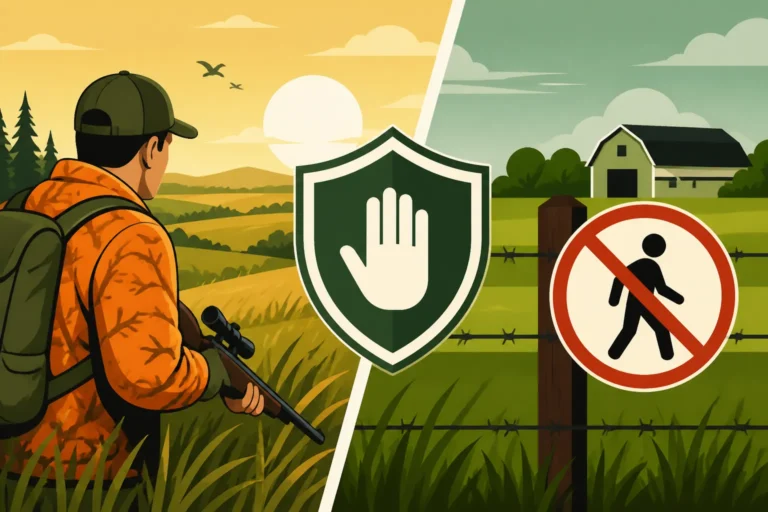
Let's be realistic: a significant portion of the huntable land around Saskatoon is private. This means that Getting Private Land Permission in Saskatchewan is not just a polite request; it's a legal requirement. Successfully gaining access to private land can unlock incredible hunting opportunities and requires a respectful, thoughtful approach.
Why Permission is Paramount
Attempting to hunt on private land without explicit permission is not only illegal and carries penalties for trespassing, but it also severely damages the reputation of all hunters. Landowners are often hesitant to grant access due to past negative experiences, concerns about safety, crop damage, or simply a desire for privacy. By always asking, and respecting their answer (whether it's a yes or a no), you help foster a positive image for the hunting community. It's about building trust, and that starts with acknowledging their ownership and control over their property.
Tips for Approaching Landowners
Approaching landowners can feel daunting, but a friendly, respectful demeanor goes a long way. Start by identifying the landowner. This might involve checking municipal tax maps (if available online), using mapping apps that show parcel ownership, or simply asking neighbors. Then, try to meet them in person at a reasonable time, not during busy harvest seasons or late in the evening. Introduce yourself, state your intention clearly, and be specific about what you want to hunt (e.g., "I'm hoping to chase some whitetail deer here").
Offer to show them your hunting license and hunter education card, and always assure them you'll be respectful of their land, livestock, and fences. Ask about any specific areas they'd prefer you avoid. Sometimes, a "no" today might turn into a "yes" next year if you leave a good impression. Consider leaving your contact information. Building these relationships can be incredibly rewarding, sometimes even leading to a long-term connection with a farm family. This is why Knocking on Doors in Saskatchewan Farm Country remains one of the most effective strategies.
Building Relationships and Trust
The goal isn't just a one-time permission slip; it's about building a positive relationship. If granted access, always follow through on your promises. Close gates, don't drive off trails or in wet fields, pick up any spent casings, and leave the area cleaner than you found it. A small thank-you gift after the season, perhaps some venison from your harvest, a gift card to a local store, or even just a sincere thank-you note, can go a long way in solidifying that relationship for future seasons. Remember, a landowner allowing you on their property is a privilege, not a right.
Leveraging Technology for Smart Scouting and Access
In today's world, technology has revolutionized how hunters find access and scout effectively. For hunters around Saskatoon, these tools are indispensable for navigating the mixed landscape of private and public land.
Mapping Applications for Land Identification
Forget the days of paper maps and guessing property lines. Modern mapping applications are absolutely crucial, especially in areas with a patchwork of land ownership like the Saskatchewan parkland around Saskatoon. Tools like onX Hunt and GoHunt offer detailed parcel information, clearly showing property boundaries, identifying landowners (often with contact info), and distinguishing between various types of public and private land, including provincial Crown land, FWDF parcels, and grazing leases.
These apps allow you to virtually scout from home, identify potential access points, and understand the lay of the land without setting foot on it first. When you're in the field, they use GPS to show your exact location relative to property lines, preventing accidental trespass and giving you confidence in where you're hunting. They are particularly helpful when trying to identify those smaller, isolated bluffs or slough rings that might be on public land or a private parcel where permission could be granted. Scouting With Satellite Imagery in Saskatchewan combined with these maps gives you a powerful advantage.
Using Satellite Imagery to Pinpoint Cover
Beyond just showing property lines, the satellite imagery available through these apps and other online platforms is an incredible scouting tool. You can zoom in and identify key habitat features that might not be visible from a road or even through traditional aerial photos. Look for:
- Dense bluffs and bush pockets: These provide crucial bedding and thermal cover for deer. Hunting a Poplar Bluff at First Light is a classic parkland strategy.
- Water sources: Sloughs, dugouts, and creeks attract all game.
- Field edges and transition zones: Where open fields meet denser cover are prime travel routes for deer and excellent places for upland birds to flush. Hunting a Shelterbelt Between Two Fields is a great example of this.
- Funnel points: Narrow strips of cover or terrain features that naturally constrict animal movement.
By studying these details on a map before you even leave home, you can formulate a much more efficient and effective hunting plan, saving valuable time and fuel.
Understanding Regulations Through Digital Resources
Beyond land identification, technology provides instant access to current regulations. Most provincial hunting guides are available online in PDF format, making it easy to search for specific rules, season dates for your WMZ, and any special conditions. You can quickly look up information on Saskatchewan Blaze Orange Rules, legal firearms, or specific tag validation requirements. Many apps integrate regulatory information directly, offering quick summaries or links to official sources. This digital convenience means you're never far from the information you need to hunt legally and ethically.
Targeting Game Species in the Saskatoon Area
While Saskatchewan is famous for its diverse hunting opportunities, hunters specifically looking for access near Saskatoon will find certain species more readily available than others. Understanding which game animals thrive in this aspen parkland and agricultural mosaic will help you focus your efforts.
Whitetail Deer: The Primary Pursuit
Without a doubt, whitetail deer are the most common and accessible big game species for hunters around Saskatoon. The aspen parkland habitat, with its rich agricultural food sources and abundant bluffs, provides ideal conditions for healthy whitetail populations. You'll find whitetails using everything from vast canola fields to dense poplar bluffs and willow thickets surrounding sloughs.
Hunters can pursue them during the archery, rifle, and muzzleloader seasons, depending on the specific WMZ regulations. Look for sign – tracks, rubs, scrapes – along field edges, within bush pockets, and especially where cover meets open feeding areas. Hunting a Slough Edge for Whitetails can be particularly productive. Even in areas with significant hunting pressure, whitetails are incredibly adaptable and can be found in surprisingly close proximity to human activity if sufficient cover exists.
Waterfowl and Upland Birds: Local Hotspots
The prairie potholes and agricultural fields around Saskatoon create a paradise for waterfowl and upland bird hunters. During the fall migration, Saskatchewan is a crucial staging ground for millions of ducks and geese. Local sloughs and dugouts will hold ducks, while vast stubble fields attract thousands of migrating Canada geese, Snow geese, and Greater White-fronted geese.
Upland birds like sharp-tailed grouse and Hungarian partridge are also abundant. Sharptails prefer native grasslands and brushy coulees, while Huns are often found along shelterbelts, field edges, and around abandoned farmsteads. Access for bird hunting can sometimes be easier to secure on private land, as farmers are often keen to have hunters help manage bird populations that might cause crop damage. However, always remember your Non-Toxic Shot Requirements for Waterfowl when hunting migratory birds.
Predators and Small Game Opportunities
Beyond big game and birds, the Saskatoon area offers opportunities for predator and small game hunting. Coyotes are prevalent across the agricultural landscape, and many landowners are happy for hunters to pursue them, especially if they are preying on livestock. Calling coyotes can be a thrilling challenge. For small game, snowshoe hares can be found in the thicker bush country of the aspen parkland, though their populations fluctuate in cycles. These hunts offer a chance to sharpen your skills, explore new areas, and enjoy time in the field outside of the main big game seasons. Remember to check local regulations for these species, as rules for Saskatchewan Wolf and Coyote Rules can vary.
Practical Tips for Successful Hunting Near Saskatoon
Hunting close to a major city presents its own set of challenges, from increased competition for land to navigating busy roads. However, with the right mindset and preparation, you can still have successful and rewarding experiences.
Be Prepared for Company and Pressure
Let's face it, hunting near Saskatoon means you're not likely to be the only one out there, especially on public land during opening week or the peak of the rut. Expect to see other vehicles, ATVs, and hunters. The key is to manage your expectations and adapt. Instead of getting frustrated, use it as a reason to hone your skills:
- Hunt smarter, not harder: Focus on overlooked pockets of cover, or areas that require a bit more walking to get away from road hunters. Hunting Saskatchewan Ground Others Drive Past can often yield results.
- Be courteous: A friendly wave or a respectful chat with fellow hunters can go a long way. We're all out there for the same reason.
- Hunt during off-peak times: Weekdays, or even the middle of the day, can see less pressure than early mornings or late evenings on weekends.
Respect for the Land and Landowners
This cannot be stressed enough. Whether you're on public or private land, maintaining a high level of respect is crucial for the future of hunting. For private land, we've already discussed the importance of permission and leaving a positive impression. On public lands, leave no trace. Pack out all your garbage, including spent shell casings. Adhere to all rules regarding vehicle access, treestands, and fires. Remember that these lands are shared resources, not just for hunters but for all outdoor enthusiasts. Your actions reflect on the entire hunting community.
Scouting and Adaptability are Key
Finding success near Saskatoon often boils down to diligent scouting. This means not just in the fall before the season, but year-round. Pay attention to how crops are rotated, where new cover is growing, or where old bluffs might have been cleared. Use your mapping apps to identify potential hot spots.
Once the season starts, be prepared to adapt. If your primary spot has too much pressure, have a backup plan. If deer aren't using a particular travel corridor due to weather or new food sources, be willing to move and try a different strategy. Reading Sign After Fresh Saskatchewan Snow can quickly tell you where animals are moving. The ability to learn, observe, and adjust your tactics will be your greatest asset.
Disclaimer
This article is for general informational purposes only and does not constitute professional advice. Laws, prices and regulations vary by location and change over time. Consult a qualified professional for guidance on your specific situation.