Hunting Around Hudson Bay
The Hudson Bay area in Saskatchewan holds a special allure for many hunters, conjuring images of thick bush, plentiful game, and genuine wilderness experiences. However, actually figuring out where the best opportunities lie, and more importantly, how to legally access land that isn't always clearly marked or public, can be a real head-scratcher. This guide aims to peel back the layers of this fascinating region, providing you with a solid understanding of the hunting landscape around Hudson Bay, from understanding the terrain and prime species to navigating land access and essential preparations for a successful and ethical hunt.
Understanding the Hudson Bay Region as a Hunting Destination
The town of Hudson Bay itself is often heralded as the "Moose Capital of Saskatchewan," and for good reason. But the hunting opportunities extend far beyond just moose. This region sits squarely in what's often referred to as the "forest fringe," a unique transition zone where the vast boreal forest begins to break up and intermingle with agricultural land. This dynamic landscape creates incredibly rich and diverse habitats that support a wide array of big game and furbearers.
Geographic and Ecological Overview
Picture this: you've got expansive tracts of dense coniferous and deciduous forests, broken up by winding rivers, small lakes, and muskeg, alongside pockets of active farmland – fields of canola, wheat, and barley. This isn't deep, uninterrupted boreal forest, nor is it wide-open prairie. It's a patchwork quilt, and that mix is precisely what makes it so productive for wildlife. The agricultural areas provide a high-calorie food source, especially critical as winter approaches, while the surrounding bush offers vital cover, bedding areas, and security from hunting pressure. This edge habitat, where two distinct ecosystems meet, is notoriously rich in biodiversity and is a magnet for animals seeking both food and shelter.
For hunters, this means you're dealing with varied terrain. You might be still-hunting through thick jack pine stands one day, and the next, you're glassing a field edge hoping to catch a whitetail buck moving out of a poplar bluff. Understanding this mosaic is key to successful scouting and hunting in the area. The terrain can shift dramatically within a short distance, offering challenges and opportunities that require versatile hunting tactics. It's a place where adaptability truly pays off.
Prime Game Species in the Area
When you think of hunting around Hudson Bay, a few key species immediately come to mind. Each thrives in this forest fringe environment, offering different challenges and rewards for the dedicated hunter.
Moose: The Forest Fringe Giant
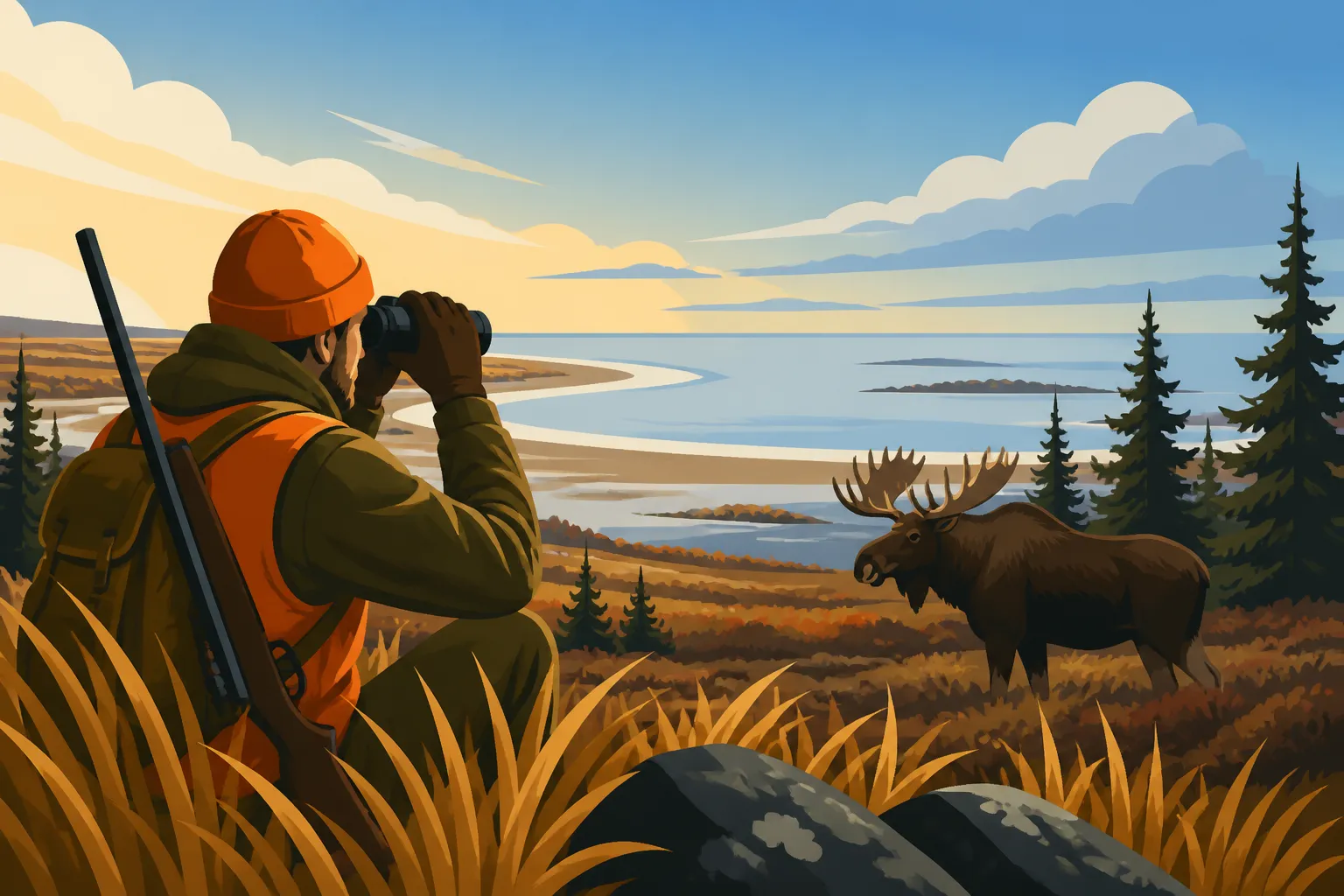
As mentioned, Hudson Bay has a reputation for moose, and it's well-deserved. The abundant water, dense cover, and browse available in the region create ideal conditions for these magnificent animals. You'll find moose in the deep bush, along waterways, and increasingly, venturing out into agricultural fields, especially in the fall as crops mature. Hunting moose here often involves a combination of patience, understanding their movement patterns between bedding and feeding areas, and often, calling during the rut. Finding a fresh rub line or a well-used trail leading into a slough or a cutline can be a sign that a bull is in the area. Moose Hunting Saskatchewan's Farmland and Forest dives deeper into how these patterns affect hunting strategies.
Whitetail Deer: Big Woods, Big Bucks
While moose might grab the headlines, the whitetail deer hunting around Hudson Bay is also exceptional. The combination of dense cover, rich forage, and less hunting pressure than some of the more accessible farmland zones allows whitetail bucks to reach impressive sizes and ages. Hunters targeting whitetails often focus on the transition zones between forest and field, river valleys, and remote bush pockets. Stand hunting along a well-used trail leading to a feeding area or rattling and grunting in heavy cover during the rut can be highly effective. The mature timber and mixed forests provide plenty of hiding spots for wary bucks, making them a challenging quarry. Hunting the Forest Fringe for Big Bucks offers insights into these sought-after animals.
Black Bear: Abundant and Diverse
The vast tracts of forest around Hudson Bay also support a healthy population of black bears. Both spring and fall seasons offer excellent opportunities. Spring bear hunting often revolves around baiting, drawing bears out of their dens and towards high-calorie food sources after a long winter. In the fall, bears can be found feeding on berries and other mast crops, often frequenting forest edges or cutlines. The area is known for colour-phase bears, adding an exciting element to the hunt. Understanding bear sign, such as rubbed trees, scat, and tracks, is crucial for successful scouting. Black Bear Hunting in Saskatchewan provides comprehensive information on these hunts.
Other Opportunities: Upland Birds and Predators
Beyond the big game, the Hudson Bay region also offers opportunities for upland bird hunting, particularly ruffed grouse and spruce grouse in the treed areas. These birds can provide a fun and active addition to a big game hunt, or be a primary target in their own right. Furthermore, coyotes are plentiful, and their populations are often managed year-round, offering an additional hunting pursuit. Hunters often find themselves calling coyotes in the stubble fields bordering the bush or on the numerous cutlines and trails.
Navigating Land Access Around Hudson Bay
One of the biggest hurdles for any hunter, especially in a mixed-use region like Hudson Bay, is understanding and securing land access. It's not always as simple as looking at a map and seeing "Crown Land." There's a mosaic of public, private, and provincially managed lands, each with its own rules. Knowing how to navigate this is paramount to a legal and enjoyable hunt.
Understanding Land Ownership Types
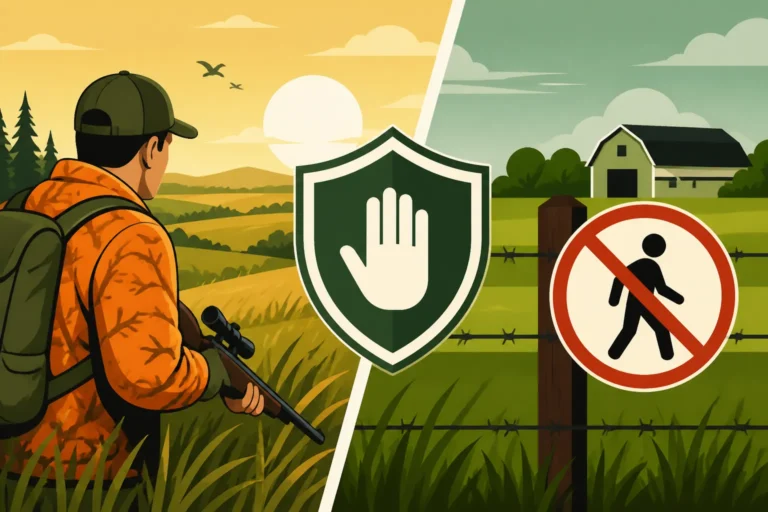
Before you even load your rifle or string your bow, you need to know whose land you're on, or whose land you want to be on. Trespassing is a serious offense, and ignorance of land boundaries is no excuse.
Crown Land: Your Public Hunting Ground
Saskatchewan has significant tracts of Crown Land, and around Hudson Bay, much of this is forested. This is generally open to public hunting, but even Crown Land can have nuances. Some Crown Land might be leased for grazing or other agricultural purposes, meaning while you can still hunt it, you need to be respectful of the leaseholder's operations. Other areas might be designated as provincial forests or specific wildlife management zones with their own rules. It's crucial to consult detailed land ownership maps to confirm boundaries. Tools like onX Hunt are incredibly valuable here, as they often layer land ownership information over satellite imagery, showing you exactly where Crown land starts and private land ends, and even highlighting different types of Crown-leased land. Hunting Saskatchewan's Crown Land Access details the general rules for these areas.
Private Land: The Importance of Permission
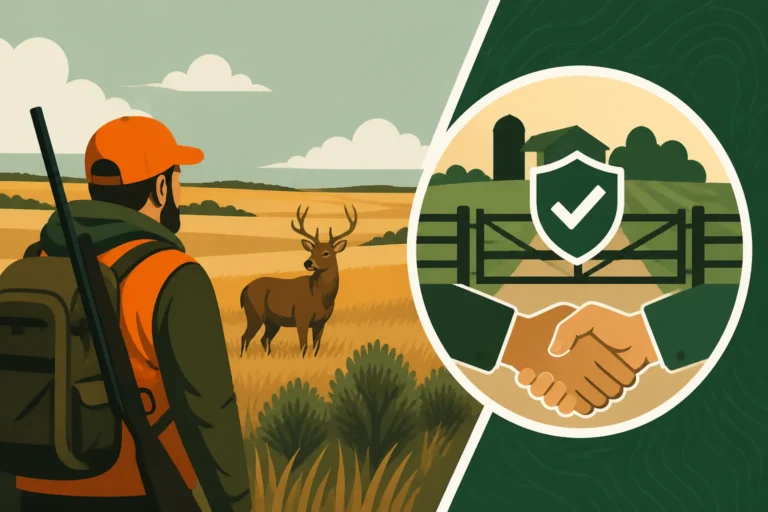
Interspersed with the Crown Land are numerous private land parcels, particularly those that are farmed. Hunting on private land always requires explicit permission from the landowner or occupier. This isn't just a courtesy; it's the law in Saskatchewan. Many landowners are receptive to hunters, especially those who are polite, respectful, and willing to work around farm operations. However, some land may be leased to outfitters or simply not open to public access. The key is to ask early, clearly, and respect the answer, whether it's yes or no. A polite knock on the door, a clear explanation of what you're hoping to hunt, and an offer to share game or help with a chore can go a long way. Getting Private Land Permission in Saskatchewan offers more advice on this critical step.
FWDF Lands and Community Pastures
Saskatchewan also has Fish and Wildlife Development Fund (FWDF) lands. These are typically purchased or leased by the province using funds generated from hunting and fishing licenses, specifically to provide wildlife habitat and public hunting access. There are a number of these parcels scattered throughout the province, including in the general vicinity of Hudson Bay. These lands are generally open for public hunting. Similarly, some Community Pastures, while managed for livestock, often allow hunting during specific seasons, though access might require contacting the pasture manager directly. Always check current regulations and access requirements for these specific land types, as they can change. Saskatchewan's Fish and Wildlife Development Fund Lands provides more information on these important areas.
Utilizing Mapping and Scouting Tools
In a region with such varied land ownership and dense cover, modern mapping and scouting tools are no longer just a luxury – they're practically a necessity.
Digital Mapping Apps
Digital mapping applications like onX Hunt have revolutionized how hunters approach land access and navigation. These apps allow you to view detailed topographic maps, satellite imagery, and crucial land ownership overlays directly on your phone or GPS device. You can pinpoint your exact location relative to property lines, mark waypoints for rubs, scrapes, or bedding areas, and plan your routes efficiently. For the Hudson Bay area, where bush can be thick and trails sometimes obscure, knowing exactly where you are and whose land you're on is invaluable. Some apps, like GoHunt, offer broader scouting tools and data layers that can help identify potential hotspots or general game densities.
Traditional Scouting and Local Knowledge
While digital tools are powerful, they don't replace boots-on-the-ground scouting or the wisdom of local knowledge. Spend time driving the grid roads, looking for access points, and observing field edges for game sign. Talk to locals – farmers, ranchers, small-town residents. They often have invaluable insights into game movements, recent sightings, and local land access customs. Just remember to be respectful of their time and privacy. Combining traditional scouting with modern mapping gives you the most complete picture. Scouting a Saskatchewan Wildlife Management Zone offers a good starting point for effective scouting.
Key Hunting Strategies for the Hudson Bay Area
Hunting in the Hudson Bay region requires strategies tailored to its unique forest fringe environment. The dense cover, diverse terrain, and specific game habits mean that a one-size-fits-all approach simply won't cut it.
Whitetail and Mule Deer Tactics
While mule deer are more typically found on the open prairie, the southern edges of the Hudson Bay region can sometimes surprise with a mule deer in a particularly open coulee or pastureland area, though whitetails are by far the dominant deer species.
Stand Hunting Forest Edges and Funnels
For whitetails, stand hunting is a very productive method, especially near the transition zones between dense bush and agricultural fields. Deer will frequently travel along these edges, using the cover of the trees while feeding in the fields. Look for natural funnels – narrow strips of timber connecting two larger blocks of bush, or pinch points where terrain features force deer into a predictable travel path. Setting up a treestand or a well-concealed ground blind overlooking a food source, a fresh scrape line, or a heavily used trail can yield excellent results, especially during the rut. Hanging a Stand on a Saskatchewan Bush Edge covers this in more detail.
Still Hunting and Tracking in Thick Cover
The heavy cover in many parts of the Hudson Bay region lends itself well to still-hunting. This slow, deliberate method involves moving through the woods with extreme caution, pausing frequently to scan for movement or listen for sounds. Pay close attention to wind direction, as the dense cover can swirl winds unexpectedly. During or after a fresh snowfall, tracking can become an incredibly effective way to locate deer. Fresh tracks leading into thick bush, particularly large, solitary tracks, can indicate a mature buck is nearby. This requires patience, keen observation, and the ability to move silently through the forest. Reading Whitetail Sign in Saskatchewan Bluffs can help identify prime locations.
Moose Hunting Approaches
Moose hunting in the Hudson Bay area often revolves around the dense bush and proximity to water sources. Their sheer size and habitat preferences dictate specific strategies.
Calling During the Rut
The moose rut, typically peaking in late September and early October, is an exciting time for hunters in this region. Calling, using cow moans and bull grunts, can be incredibly effective at drawing in a bull. Find a vantage point with good visibility, or sit concealed near a known moose travel corridor, and use calls to simulate a cow in heat or a challenging bull. Patience is key, as a bull might take its time to respond. The dense forest can make pinpointing a responding bull challenging, so listening carefully and using terrain features to your advantage is crucial. Calling a Bull Moose in the Rut provides expert tips on this method.
Hunting Cutlines and Waterways
Moose frequently use cutlines (paths cleared for oil and gas pipelines, power lines, or logging) and waterways (rivers, creeks, sloughs) as travel corridors and feeding areas. These linear features provide easier movement through otherwise dense bush and often have new growth that moose prefer to browse. Still-hunting along these features, or setting up a stand overlooking a section where a cutline intersects with a thick bush edge or crosses a creek, can be very productive. Be aware that these areas can also concentrate other hunters, so plan your approach carefully. Hunting Moose on a Saskatchewan Cutline delves into these tactics.
Black Bear Hunting Methods
Black bear hunting in the Hudson Bay region offers both spring and fall opportunities, each with distinct strategies.
Baiting in the Spring
Spring bear hunting is largely synonymous with baiting in this part of Saskatchewan. Setting up a legal bait site involves careful planning, consistent refreshing of bait (often grains, pastries, and other sweets), and patience. Bears emerge from hibernation hungry, and a reliable food source can quickly become a popular spot. Hunters typically sit in ground blinds or elevated treestands overlooking the bait site, often in the late afternoon and evening. It's essential to understand bear behaviour, differentiate between boars and sows, and be prepared for changing wind conditions. Setting a Bear Bait Site in Saskatchewan is an excellent resource for this.
Spot-and-Stalk in Fall
While baiting can also be done in the fall, spot-and-stalk hunting becomes more viable as bears are actively foraging for natural food sources like berries (saskatoons, blueberries, cranberries) and acorns. Focus on areas with abundant mast crops, often along forest edges, old burns, or natural clearings. Glassing these areas from a distance, then making a careful stalk on a feeding bear, can be a thrilling challenge. Pay attention to wind and thermals, as bears have an incredible sense of smell.
Essential Gear and Safety for Hunting Near Hudson Bay
Hunting in the Hudson Bay region, with its mix of forest and agricultural land, can present unique challenges. Being properly equipped and prioritizing safety are non-negotiable for a successful and responsible hunt.
Clothing and Layering Systems
The weather in Saskatchewan, especially in the transition zones like Hudson Bay, can be highly variable, particularly during the fall hunting seasons. You might start a morning with frost on the ground, experience a mild, sunny afternoon, and then have temperatures plummet with a sudden cold front.
Dressing for Success and Comfort
A good layering system is paramount. Start with a moisture-wicking base layer to manage sweat, add insulating mid-layers (fleece, down, or synthetic puffies) for warmth, and top it off with a waterproof and windproof outer shell. This allows you to adjust your clothing as conditions change, preventing you from getting too hot and sweaty (which leads to getting cold later) or too cold. Footwear needs to be waterproof, warm, and offer good ankle support for navigating uneven terrain. Consider insulated rubber boots for slough crossings or late-season hunts, or sturdy hiking boots for drier, more rugged ground. A good pair of warm gloves, a hat, and a neck gaiter are also crucial, as much of your body heat can escape from your head and extremities.
Blaze Orange Requirements
Saskatchewan has specific regulations regarding blaze orange for big game hunting. Generally, you need to wear an outer suit or jacket and headwear that is blaze orange and visible from all sides. Always check the current hunting regulations for the exact requirements for your specific season and species, as these rules are in place for hunter safety and are strictly enforced. Saskatchewan Blaze Orange Rules can provide precise details.
Navigation and Communication
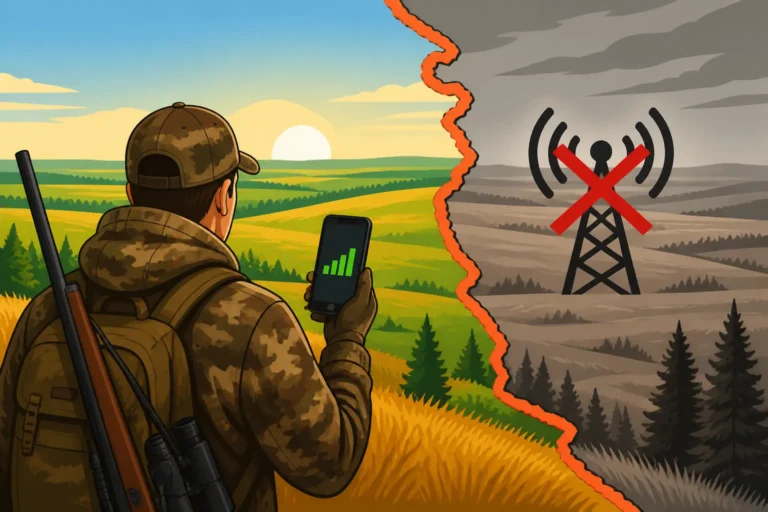
The dense bush and often remote nature of some hunting areas around Hudson Bay make reliable navigation and communication tools essential. Cell service can be spotty or non-existent once you leave the main roads or venture into heavy timber.
GPS and Satellite Communication
A dedicated GPS unit or a smartphone with downloaded offline maps (like onX Hunt or Gaia GPS) is critical for knowing where you are, tracking your movements, and marking important locations. Don't rely solely on cell service; always have maps downloaded or a backup GPS device. For truly remote areas, a satellite communication device (like a Garmin inReach or Zoleo) offers an invaluable lifeline. These devices allow you to send and receive text messages, share your location, and trigger an SOS in an emergency, even when out of cell range. This could literally be a lifesaver if you get lost, injured, or encounter unexpected trouble deep in the bush.
Emergency Kit Essentials
Beyond your hunting gear, always carry a small emergency kit. This should include:
- First-aid supplies for minor injuries
- Fire-starting tools (waterproof matches, lighter, fire starter)
- A knife or multi-tool
- A headlamp or flashlight with extra batteries
- High-energy snacks and water
- A whistle for signaling
- A space blanket or emergency shelter
- A compass and a paper map (as a backup to electronics)
This kit should be small enough to always be with you, even if you just step out of your vehicle for a "quick look." Unexpected weather changes or a wrong turn can quickly turn a short walk into an overnight stay. Hunting Saskatchewan Winter Weather Safely emphasizes the importance of these precautions.
Meat Care and Field Dressing
Successfully harvesting an animal is only part of the hunt. Proper meat care is crucial, especially when hunting larger animals like moose or bear, and when temperatures can vary.
Rapid Field Dressing and Cooling
The moment an animal is down, your priority shifts to field dressing to remove entrails and allow the carcass to cool quickly. This prevents spoilage, particularly in milder temperatures. If temperatures are warm, getting the hide off and quartering the animal for better airflow might be necessary in the field. Having a sharp knife, a game bag to protect the meat from flies and dirt, and knowing how to efficiently break down an animal are vital skills.
Transport and Storage
Once field dressed, you need a plan for getting the meat out of the bush. For smaller animals, this might involve packing it out whole. For larger animals like moose, quartering the animal in the field is almost always necessary, sometimes requiring multiple trips or assistance from hunting partners or an ATV. The Hudson Bay area has a good network of roads, but many prime hunting spots are off the beaten path. Once out, proper cool storage is essential. Many hunters use coolers with ice, or if temperatures are consistently cold (below 4 degrees Celsius), hang the meat in a secure, ventilated area. Research local meat processors beforehand if you plan to use their services, especially if you're traveling a distance. Meat Care in Saskatchewan's Cold Snaps provides excellent guidance on preserving your harvest in various conditions.
| Game Species | Primary Habitat | Best Time to Hunt | Key Tactic Considerations |
|---|---|---|---|
| Whitetail Deer | Forest fringe, agricultural edges, river valleys, dense bluffs | October (Early Rut), November (Peak Rut) | Stand hunting edges, rattling/grunting, still-hunting in thick cover |
| Moose | Dense boreal forest, sloughs, waterways, cutlines, agricultural fields | Late September – Early October (Rut), November | Calling, still-hunting cutlines, patterning movements between cover/food |
| Black Bear | Boreal forest, berry patches, old burns, agricultural edges | May/June (Spring), September/October (Fall) | Baiting (spring/fall), spot-and-stalk (fall), hunting natural food sources |
| Ruffed/Spruce Grouse | Poplar bluffs, mixed forest, bush trails, old logging roads | September – October | Walking old trails, flushing with or without a dog, opportunistic |
Disclaimer
This article is for general informational purposes only and does not constitute professional advice. Laws, prices and regulations vary by location and change over time. Consult a qualified professional for guidance on your specific situation.