Hunting a Sandhills Pocket of Cover
Hunting in Saskatchewan can feel like an endless sea of stubble fields and open prairie, but don't let that fool you. Often, the best hunting spots are hidden gems, small pockets of cover tucked away in seemingly barren landscapes. Finding and effectively hunting these sandhills pockets of cover can be incredibly rewarding, offering a chance at mature animals that have learned to use these isolated sanctuaries to their advantage. This guide will walk you through understanding these unique environments, how to scout them effectively, and the best strategies to approach them for a successful hunt.
Understanding Sandhills Pockets of Cover
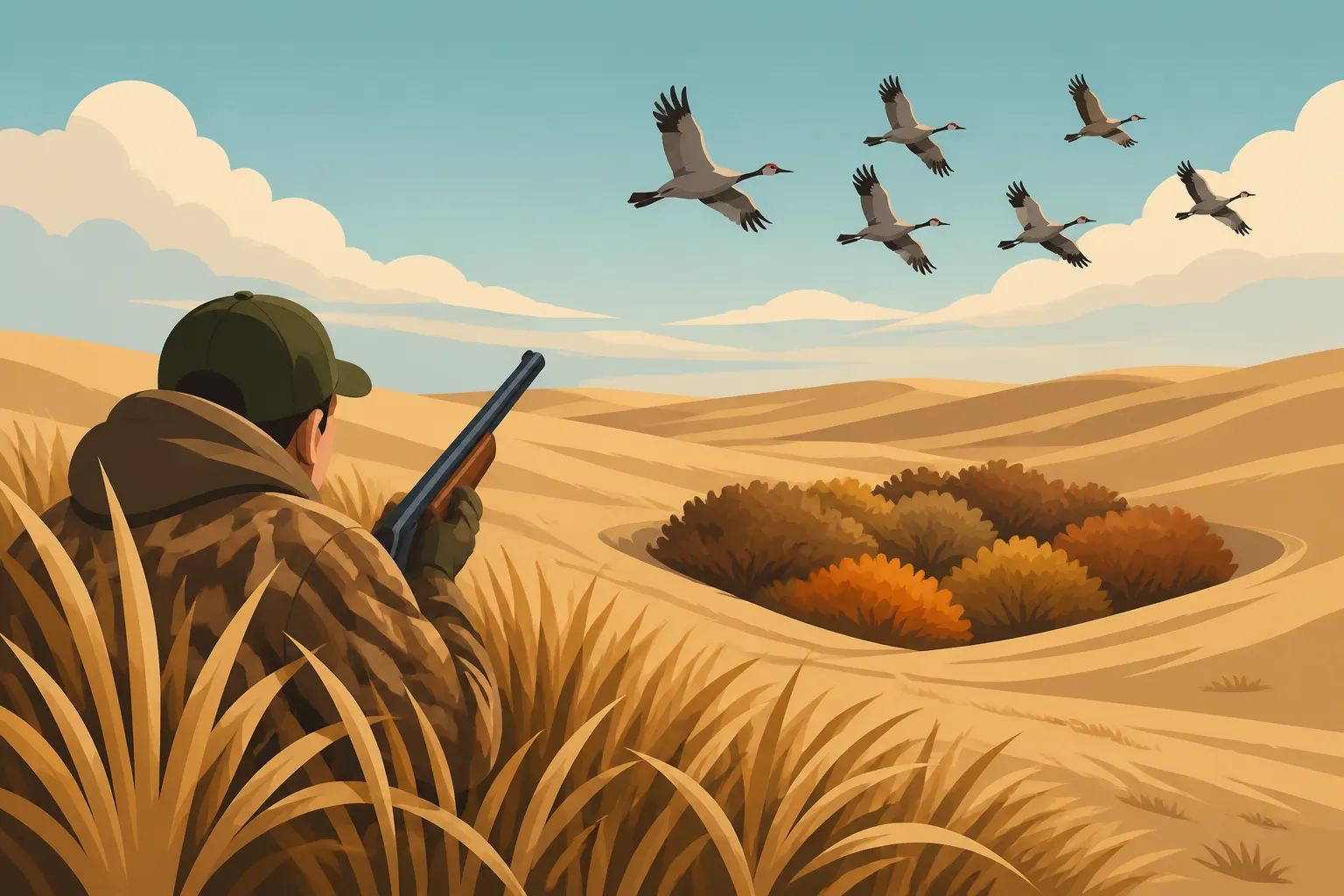
When we talk about "sandhills pockets of cover," we're not necessarily talking about dense, unbroken forest. Instead, visualize isolated islands of vegetation – clumps of aspens, thick willow rings around a low spot, or even dense rose bushes and tall grasses nestled within the undulating dunes and coulees of Saskatchewan's sandhills regions. These areas, often overlooked by hunters cruising the main roads, provide critical shelter, food, and security for a variety of game animals, making them prime targets for a dedicated hunter.
Unique Habitat Features of Sandhills Pockets
The sandhills environment, like the extensive Great Sand Hills in the southwest, is a unique ecosystem. It's characterized by sandy soil, often stabilized by hardy grasses, sagebrush, and a mosaic of scattered shrubs and trees. Within this landscape, a "pocket of cover" truly stands out. These can be small depressions where moisture collects, allowing a denser growth of willows, saskatoon berries, or even small trembling aspen bluffs to take root. They might be sheltered coulees with thicker brush along their slopes, or even larger islands of mixed forest that punctuate the open dunes. What unites them is their isolation and their ability to provide something the surrounding landscape lacks: consistent, protective cover. These features create microclimates that offer respite from harsh prairie winds and scorching summer sun, and act as natural funnels for game movement.
Many times, these pockets are associated with subtle changes in elevation or hydrology. A slight dip that collects snow in winter and holds moisture longer into the summer can support a robust growth of cover. Similarly, the edges of these pockets often transition into areas of taller grass, providing excellent bedding areas that blend seamlessly with the heavier cover. You'll find deer browsing on palatable shrubs, birds seeking shelter, and predators patiently waiting. It's a concentrated hub of activity in an otherwise sparse world.
Why Game Animals Seek Shelter Here
Game animals, especially whitetail and mule deer, are masters of survival, and they gravitate towards areas that offer the best combination of security, food, and thermal regulation. In the sandhills, these pockets of cover become absolute magnets. During the heat of the day, deer will bed down in the shade and protection of these thickets, safe from the sun and the ever-present prairie wind. As evening approaches, they'll often emerge from these pockets to browse on the adjacent grasses and shrubs or head out to nearby agricultural fields if available.
The value of these pockets intensifies as the seasons change. In the brutal Saskatchewan winters, a dense clump of evergreens or a thick willow stand provides crucial thermal cover, protecting animals from chilling winds and deep snow. These areas become wintering grounds, providing shelter and often some browse, allowing deer to conserve precious energy. For species like mule deer, which often prefer open country but still need cover, these sandhills pockets offer the perfect balance – nearby security with expansive sightlines to scan for danger. It's not uncommon to find a mature buck using a small, seemingly insignificant patch of bush simply because it offers just enough concealment to feel safe.
Scouting for Success in the Shifting Sands
Finding these secluded pockets of cover is often the biggest challenge, but with modern tools and good old-fashioned legwork, it's entirely achievable. This isn't like hunting the forest fringe where cover is abundant; here, you're looking for anomalies, irregularities in the landscape that scream "shelter."
Digital Reconnaissance: Mapping the Unseen
Before you even step foot in the sandhills, your scouting should begin online, poring over satellite imagery. Tools like onX Hunt or GoHunt are absolutely indispensable for this kind of detective work. They allow you to virtually explore vast tracts of land, identifying potential cover pockets that might be invisible from the road. Look for darker green areas that indicate denser vegetation, subtle changes in elevation that suggest coulees or draws, and any signs of water sources like dugouts or slough edges, even if they appear dry on the map.
Pay close attention to changes in vegetation patterns. A cluster of trees or a dense patch of brush amidst open grasslands will show up clearly. The contour lines on your mapping app can reveal hidden draws and sheltered depressions that could hold game. Sometimes, a tiny blip of cover on a satellite image that looks like nothing from the ground can be a deer magnet. You're looking for anything that breaks up the monotony of the open landscape. Mark these potential spots as waypoints on your onX Hunt app, giving you a starting point for physical reconnaissance. Scouting With Satellite Imagery in Saskatchewan is a game-changer for hunters who want to maximize their time in the field, and it's particularly effective in identifying these small havens.
Boots-on-the-Ground Exploration: Reading the Signs
Once you've identified promising areas on your map, it's time to hit the ground. This is where the real work begins. Physically walking these sandhills pockets allows you to confirm what you saw digitally and, more importantly, to read the signs left by game animals. Look for fresh tracks entering and exiting the cover, rubs on small trees or shrubs (especially during the rut), and scrapes. Pay attention to bedding areas – flattened grass or matted down spots within the thicker cover indicate where deer are resting.
Travel corridors are key. How are animals entering and leaving these pockets? Are there discernible trails leading to water sources or feeding areas? The wind is your constant companion in the sandhills, and understanding how it swirls and funnels through the terrain is vital. Take note of prevailing winds and how they might affect an animal's approach or departure from a pocket. You might also find evidence of other wildlife, like coyote tracks or even signs of upland birds, indicating a healthy ecosystem that supports various species. Remember, even a small patch of cover can provide surprising amounts of sign if it's consistently used by game.
Strategies for Hunting Sandhills Pockets
Hunting these unique pockets requires a patient and adaptable approach. The openness of the surrounding landscape means game animals in the sandhills are often more wary, relying heavily on their senses of smell and sight. Your strategy needs to account for this heightened alertness.
Playing the Wind and Terrain
In the sandhills, the wind is king. It's often relentless and can be incredibly unpredictable in broken terrain, swirling around dunes and through coulees. Approaching a pocket of cover without a solid wind advantage is a recipe for disaster. Always consider the wind direction, not just at your current location, but how it might carry your scent into or around the pocket. You'll want to approach downwind or crosswind, giving you the best chance to get close undetected.
The terrain itself can be your ally or your enemy. Use the undulating hills and draws to your advantage for concealment during your approach. A common strategy is to walk ridgelines to glass for animals in or near the pockets, then drop into a coulee or draw to make a concealed stalk. Hunting a Prairie Coulee Bottom can be extremely effective, as coulees often contain these very pockets of cover and offer excellent natural concealment for hunters. Being patient and allowing the terrain to hide your movements can be the difference between spotting game and bumping them prematurely. This is where having a good mapping tool like GoHunt can provide crucial insights into elevation changes and potential approach routes.
Setting Up for the Shot
Once you've identified an active pocket of cover and determined a solid approach, your setup is paramount. Unlike heavily timbered areas, elevated tree stands might be limited due to sparse or unsuitable trees. This means ground blinds or careful still-hunting techniques are often the best options.
If you're using a ground blind, set it up well in advance of your hunt, if possible, allowing animals to become accustomed to its presence. Utilize natural cover like tall grasses, rose bushes, or the edge of a willow clump to break up your silhouette. Ensure your shooting lanes are clear but that you remain well hidden. For still-hunting, move incredibly slowly, pausing often to glass ahead and scan for movement. Use binoculars to pick apart every shadow and patch of cover. Often, a deer will hold tight in a sandhills pocket, hoping you'll pass by, only to bolt once you're too close. Patience, especially at first light and last light, is essential. During the rut, rattling and calling can be effective near these pockets, as bucks might be cruising their edges looking for does. Rattling Volume in Open Parkland can be a great tactic, but remember to adjust your intensity for the open nature of the sandhills.
Targeting Specific Species
While both whitetail and mule deer inhabit the sandhills, their preferences for these pockets can differ slightly.
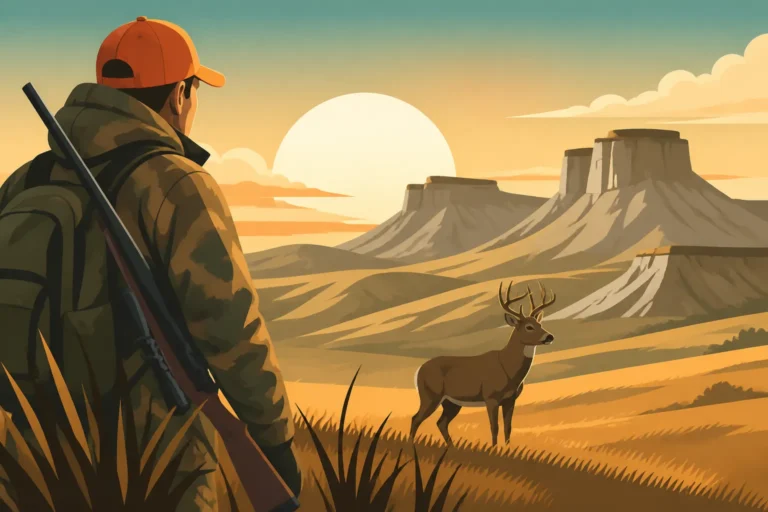
- Mule Deer: Often, you'll find mule deer on the edges of these pockets, or using the coulees and draws that feed into them. They prefer more open country and tend to bed just inside cover, or in tall grass nearby, relying on their incredible eyesight to detect danger. When stalking mule deer, remember their tendency to "jump" and run a short distance before stopping to look back. Be ready for a quick shot. Spot-and-Stalk Mule Deer in Saskatchewan is a classic technique that applies perfectly here. Glassing from a distance, identifying a bedded buck, and planning a concealed approach using the rolling terrain is often the most successful method.
- Whitetail Deer: Whitetails in the sandhills often gravitate to the densest cover within these pockets – the thickest willow runs, the most tangled rose bushes, or the deepest parts of aspen bluffs. They are more apt to hold tight and rely on concealment. For whitetails, still-hunting through these pockets, moving with the wind in your face, or setting up a ground blind along a primary travel corridor can be highly effective. Hunting a Willow Run for Whitetails specifically targets the kind of dense cover that whitetails love. Look for their distinct trails and rubs within these thicker areas.
Overcoming Sandhills Hunting Challenges
Hunting the sandhills is undeniably challenging, but the rewards of a successful hunt in this unique landscape are immense. Understanding and preparing for these specific obstacles will significantly increase your odds.
Access and Navigation
One of the primary challenges in the sandhills is simply getting around. The sandy terrain can be incredibly soft, making vehicle access difficult, even for capable 4×4 trucks. Many areas might be restricted to foot access only, or require specialized off-road vehicles. Roads can be limited, and sometimes, what appears on a map as a track is nothing more than a faint trail in the sand. This is where your digital mapping tools become more than just scouting aids; they are crucial for navigation in the field. Using onX Hunt to track your route, mark obstacles, and find your way back to your vehicle is essential. Hunting the Great Sand Hills often means embracing the idea of walking, and walking a lot.
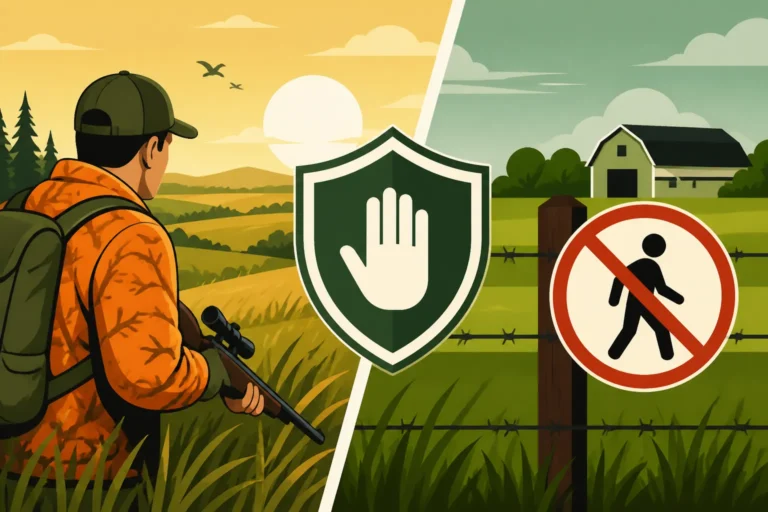
It's also important to remember that much of the sandhills region may be Crown land, but there can also be private land interspersed. Always verify land ownership and secure permission before entering private property. This can be done by using apps like GoHunt that show land ownership, or simply by Knocking on Doors in Saskatchewan Farm Country if you're in an area with adjacent farms. Getting stuck in deep sand, or getting lost in an unfamiliar landscape, can quickly turn a hunt into a dangerous situation, so always be prepared with a recovery plan and reliable navigation.
Weather Adaptations
Saskatchewan's sandhills are exposed. There's little to break the wind, and in open country, temperatures can feel dramatically colder or hotter than the forecast suggests. In fall, days can swing from warm sunshine to biting cold winds in a matter of hours. Adequate clothing for layering is crucial. A warm, windproof outer shell is non-negotiable, especially when sitting still for extended periods. In winter, the cold can be extreme, and the windchill can be brutal. Hunting Saskatchewan Winter Weather Safely requires careful planning, including emergency gear, extra food and water, and a way to signal for help.
Conversely, early season hunts can bring intense sun and heat. Hydration is vital. Pack more water than you think you'll need. Sunscreen, a wide-brimmed hat, and sunglasses are also good ideas. The constant exposure means that staying comfortable and safe from the elements is a priority, allowing you to focus on the hunt itself rather than battling the weather. Understanding these conditions and dressing appropriately can extend your time in the field and increase your chances of success.
| Feature | Sandhills Pockets of Cover | Open Prairie / Farmland Edge |
|---|---|---|
| Primary Cover | Willow rings, aspen bluffs, rose thickets, deep coulees, tall grass | Standing crops, shelterbelts, fencelines, drainage ditches, stubble fields |
| Game Species | Mule deer, Whitetail deer, Pronghorn (nearby), Sharp-tailed grouse, Hungarian partridge, Coyote | Whitetail deer, Mule deer, Waterfowl, Upland birds, Coyote, Fox |
| Visibility | Varies; can be very open, but pockets provide localized concealment | Generally wide open, long sightlines |
| Terrain | Undulating dunes, coulees, sandy flats | Flat to gently rolling, cultivated fields |
| Approach | Utilize draws/dunes, play wind, slow stalk | Utilize field edges, fencelines, wind direction, long-range glassing |
| Water Sources | Scarce, often isolated dugouts or low-lying sloughs | Can be plentiful (sloughs, dugouts, creeks) |
| Hunting Style | Spot-and-stalk, still-hunting, ground blinds, patience | Stand hunting, spot-and-stalk (mule deer), still-hunting field edges |
| Key Challenge | Access over sand, wind, finding isolated cover, wary game | Limited cover, vastness, human presence (farms), wary game |
| Mapping Utility | Essential for identifying subtle cover and navigation | Useful for property lines, field layouts, identifying travel routes |
Disclaimer
This article is for general informational purposes only and does not constitute professional advice. Laws, prices and regulations vary by location and change over time. Consult a qualified professional for guidance on your specific situation.