Hunting Saskatchewan Late When Cold Sets In
The late season in Saskatchewan can be an incredibly rewarding time to hunt, offering unique challenges and opportunities for those willing to brave the elements. However, many hunters find themselves completely unprepared for the biting cold, deep snow, and drastically changed animal behaviour that define November and December. This guide is dedicated to helping you understand, prepare for, and ultimately succeed in hunting Saskatchewan when the mercury truly plummets and the landscape transforms into a frozen wonderland.
Understanding the Late-Season Climate in Saskatchewan
Saskatchewan's late season, typically from mid-November through December, is not for the faint of heart. It's a period where the landscape sheds its vibrant autumn colours for a stark, often snow-covered, white and grey palette. Understanding the specific climatic realities is the first step to planning a successful hunt.
The Reality of November and December Cold
When we talk about "cold" in Saskatchewan during these months, we're not just talking about chilly mornings. We're talking about sustained sub-zero temperatures, often dipping into the -20°C to -30°C range, and sometimes much lower, before factoring in wind chill. This isn't just uncomfortable; it's genuinely dangerous if you're not prepared. The air itself can feel like it's biting at exposed skin, and metal objects become instant frostbite hazards. Long periods of sitting still, common in late-season stand or blind hunting, demand extreme insulation and mental fortitude. It's a stark contrast to the relatively mild early season.
This persistent cold profoundly affects everything from human endurance to wildlife movement. Water sources freeze solid, forcing animals to seek out new options or rely on snow. Food sources become buried under snow and ice, limiting availability and concentrating animals where they can still access forage. Your body burns more calories just to stay warm, meaning you need to fuel up properly. The cold also impacts your gear; batteries drain faster, firearms can become sluggish if not properly maintained, and optics can fog or even frost over. It's a comprehensive challenge that requires comprehensive preparation.
How Snowfall Impacts Late Season Access and Game Movement
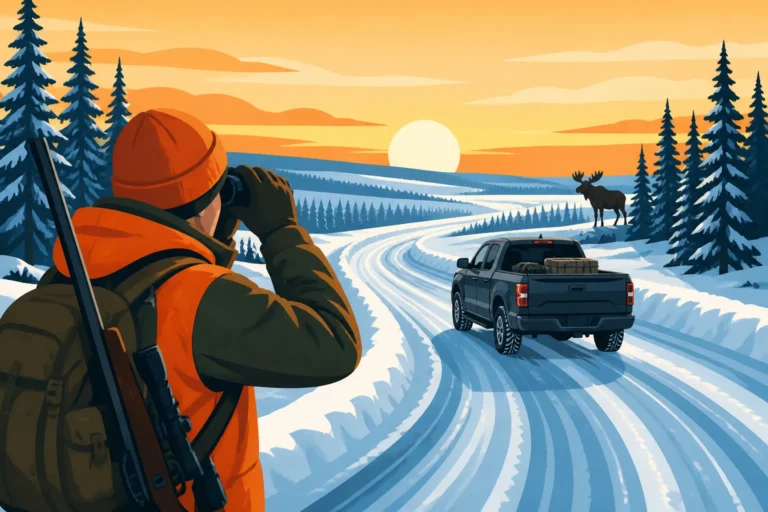
Snow is another defining characteristic of Saskatchewan's late season, and its presence or absence dictates much about the hunt. Early snowfalls can make for excellent tracking conditions, allowing you to follow fresh sign with relative ease. However, heavy, persistent snow can also become a major obstacle, making access to certain areas incredibly difficult or impossible without specialized equipment. Grid roads, especially in more remote areas, can drift shut, trapping vehicles or making travel treacherous. You might find yourself having to hike much farther than anticipated, or needing a snowmobile or ATV to reach your intended hunting spots. This is where planning your route with tools like onX Hunt, which can show land ownership and topography, becomes invaluable, allowing you to gauge potential access issues before you even leave home.
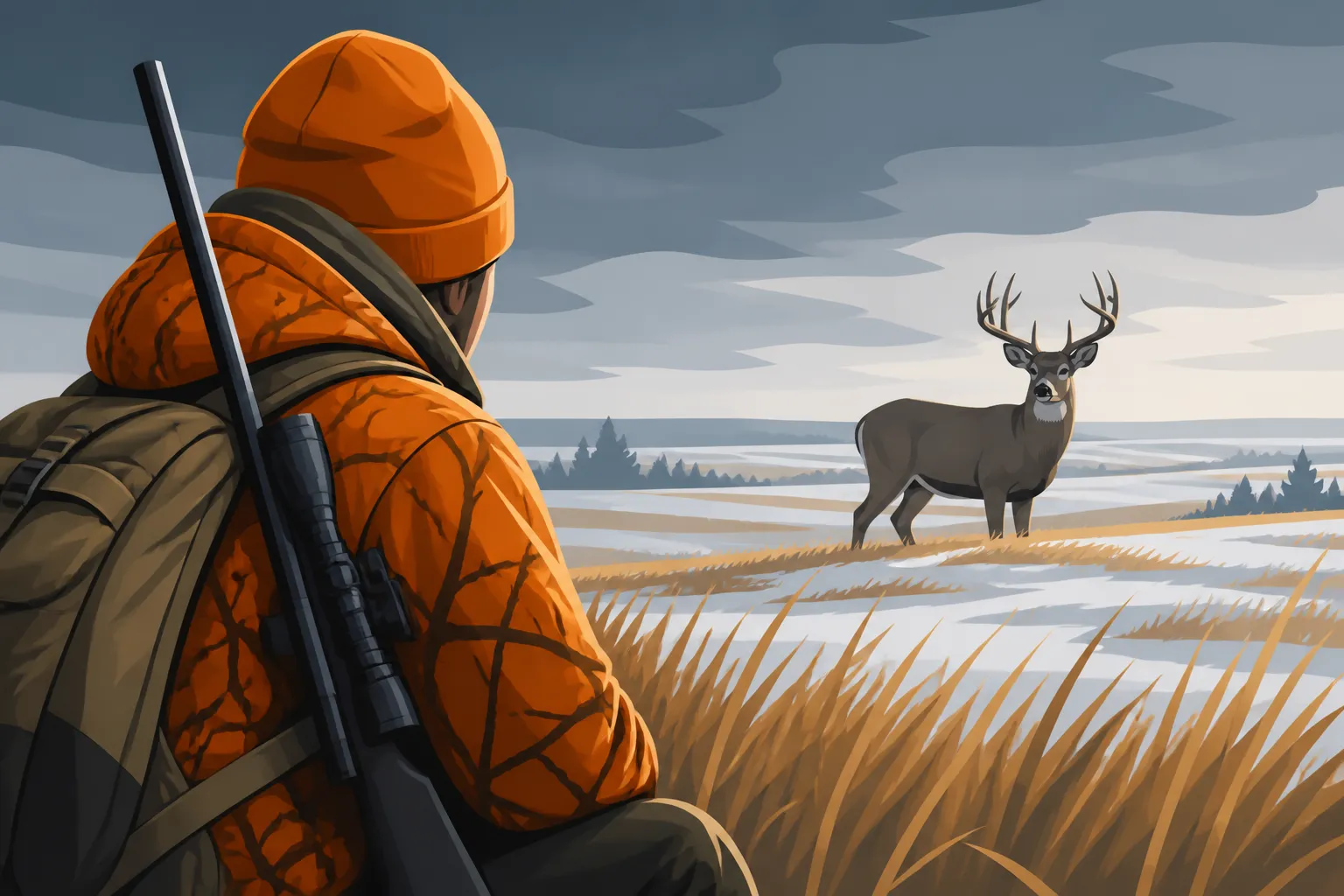
Beyond access, snowfall dramatically influences how game animals, particularly deer, move and utilize the landscape. Deep snow pushes animals into thermal cover, like dense bush, evergreen stands, or sheltered coulees where they can conserve energy and escape the wind. They will also often yard up in these areas, forming larger groups than you might see earlier in the season. How Deep Snow Moves Deer Into Cover is a critical piece of the puzzle. Their feeding patterns shift from widespread grazing to concentrated efforts on accessible browse, standing crops, or grain spills. Understanding these shifts is key to locating animals. A light, fresh snow can reveal fresh tracks, allowing you to pinpoint recent movement and travel corridors. However, a deep, crusted snow can silence their approach and make it harder for you to move quietly.
Gear and Preparation for Extreme Cold
Hunting in truly cold conditions isn't just about throwing on an extra layer. It's a strategic approach to insulating your body, maintaining warmth, and ensuring your equipment functions when temperatures drop dramatically. Underestimating the cold is a surefire way to end your hunt early, or worse, put yourself in a dangerous situation.
Layering for Stationary Hunts
Sitting motionless for hours in a tree stand or ground blind when it's -20°C or colder requires a very specific layering system. You're not generating much body heat, so your clothing needs to trap and retain every bit you produce. Cotton is absolutely out; once it's wet, it loses all insulating properties and will actively cool you down. Start with a good quality moisture-wicking base layer – merino wool or a synthetic blend is ideal. This layer pulls sweat away from your skin, which is crucial because even a little moisture can lead to rapid chilling.
Next, you need a mid-layer for insulation. Think fleece jackets, down vests, or synthetic puffy layers. Depending on the temperature, you might need two or three of these. The key is to create air pockets between layers, which trap warm air. Over this, a substantial outer layer is essential. This needs to be windproof and water-resistant (for snow), and heavily insulated. Many dedicated late-season hunting parkas and bibs are designed with this in mind, often featuring thick synthetic insulation or down. Don't forget your extremities: a good wool or synthetic hat that covers your ears, insulated gloves or mittens (mittens are usually warmer), and heavy, insulated boots with good wool socks are non-negotiable. Remember, your core might be warm, but if your feet and hands get cold, you'll be miserable. Consider a pair of heated insoles or hand warmers for those especially brutal days. Sitting All Day in a Saskatchewan Blind provides more tips on staying comfortable during long sits.
| Layer Type | Material Recommendations | Key Function | Notes |
|---|---|---|---|
| Base Layer | Merino Wool, Synthetic Blends | Wicks moisture, light insulation | Avoid cotton; snug fit but not restrictive |
| Mid-Layer(s) | Fleece, Synthetic Puffy, Down | Primary insulation, traps warmth | Multiple thinner layers often better than one thick one |
| Outer Layer | Insulated, Windproof, Water-Resistant | Blocks wind/snow, heavy insulation | Bibs and parkas designed for extreme cold; choose quiet fabrics |
| Headwear | Wool Beanie, Balaclava, Insulated Cap | Prevents heat loss (up to 50% from head), protects face | Must cover ears; compatible with hearing protection |
| Hands | Wool Liners, Insulated Gloves/Mittens | Maintains dexterity (gloves), maximum warmth (mittens) | Mittens often preferred for sitting; hand warmers recommended |
| Feet | Wool Socks (multiple pairs), Insulated Boots | Keeps feet dry and warm; vital for comfort & safety | Boots rated for extreme cold; allow room for circulation and thick socks |
Essential Cold Weather Hunting Accessories
Beyond your main clothing layers, several accessories can make or break your late-season hunt. First, a reliable heat source is crucial. Chemical hand warmers and foot warmers are staples, but consider rechargeable electric hand warmers for longer-lasting warmth. A small, portable propane heater (with proper ventilation!) can be a lifesaver in a ground blind. A good quality thermos filled with hot coffee, tea, or soup provides internal warmth and a morale boost when you're feeling the chill.
For your optics, anti-fog treatments are a must, and consider rain guards or lens caps to keep snow off. Headlamps with fresh, cold-rated batteries (or spares kept warm) are essential for navigating in the dark, which comes early in the late season. A sturdy, comfortable backpack is needed to carry all these extra layers and supplies. Don't forget emergency supplies: a first-aid kit, fire-starting materials, extra high-energy snacks, and a way to communicate, even if it's just a fully charged cell phone (keep it in an inside pocket to preserve battery life). A quality knife that won't freeze up and a small folding saw for clearing shooting lanes can also be beneficial. Remember that Winter Truck Kit for a Saskatchewan Hunt should include more than just your hunting gear.
Strategies for Hunting in Deep Cold
The deep cold of late season doesn't just change what you wear; it changes how the animals behave and, consequently, how you should hunt them. Adaptability is key to success when conditions are at their harshest.
Locating Cold-Weather Bedding and Feeding Areas
In bitter cold, energy conservation becomes paramount for wildlife. Animals, particularly whitetails and mule deer, are constantly balancing the need for food with the need to stay warm. This means they will seek out the densest thermal cover available for bedding – thick spruce or pine stands, deep coulees, river breaks, or brushy bluffs that offer protection from wind and hold radiant heat. Where Saskatchewan Whitetails Bed in Snow outlines some prime locations. Their activity patterns will often shift to focus on shorter, more intense feeding periods, usually around dawn and dusk, followed by long periods of bedding. During prolonged cold snaps, they might even feed more during warmer daylight hours if available, but generally, their movement is curtailed.
Feeding areas will be dictated by what's accessible. Look for standing crops like corn or canola, abandoned hay bales, or areas where grain has spilled. Fields with residual forage, even stubble, can provide sustenance if the snow isn't too deep. South-facing slopes, which catch more sunlight, can also be critical as snow melts faster there, exposing forage. When scouting, pay close attention to tracks. Deep, fresh tracks leading to and from dense cover will tell you where deer are moving. Using tools like GoHunt or similar mapping apps can help you identify these habitat features from home, allowing you to prioritize areas for on-the-ground scouting. Identifying these thermal refuges and food sources, and the travel corridors connecting them, is central to late-season success.
Adjusting Your Approach for Frigid Conditions
Your hunting tactics need to evolve with the weather. Aggressive calling or rattling that might work during the rut could be less effective when animals are hunkered down, focused on survival. Instead, focus on quiet, patient hunting. Still-hunting slowly through dense cover where deer are likely to be bedded can be effective, but you must move at a snail's pace, constantly scanning and listening. Wind becomes both your friend and foe; it can mask your sound but will also carry your scent. Always hunt with the wind in your favour, especially when still-hunting or stalking.
For stand or blind hunting, position yourself strategically between known bedding and feeding areas. Consider using enclosed, heated ground blinds for comfort and to minimize human scent dispersal. Sitting longer is often key, as animal movement might be infrequent, but when it happens, it can be intense. This is where the proper gear for Hunting Whitetails at Thirty Below becomes non-negotiable. If tracking, fresh snow is your ally. Patience is paramount, as deer may be moving slowly through cover. Be prepared for longer blood trails in cold temperatures, as reduced blood flow can lead to less significant signs. Know your limitations and when to back out and return in the morning if light fades. When you find a good travel route, stick with it, because Hunting a Frozen Slough Crossing might be a critical pinch point deer use when other water sources are frozen solid.
Safety and Logistics in Winter Conditions
Hunting in extreme cold and snow isn't just about bagging an animal; it's about making it home safely. The risks increase dramatically, and preparedness for potential problems is just as important as your hunting strategy.
Preventing Hypothermia and Frostbite
These are the two biggest medical threats in cold weather hunting. Hypothermia occurs when your body loses heat faster than it can produce it, causing your core body temperature to drop to dangerous levels. Frostbite is the freezing of body tissue, often affecting extremities like fingers, toes, ears, and nose. Both can lead to serious injury, permanent damage, or even death. To prevent them, follow your layering system meticulously. Stay dry – moisture, whether from sweat or melting snow, is your enemy. Carry extra dry layers in a waterproof bag.
Recognize the early signs: shivering (initially intense, then stopping as hypothermia worsens), numbness, clumsiness, confusion, and slurred speech. For frostbite, look for cold, numb skin that may appear waxy, pale, or discolored. If you suspect either, get to shelter, remove wet clothing, and slowly rewarm. Share your hunt plan with someone responsible, including your intended route and expected return time. This is part of Hunting Saskatchewan Winter Weather Safely that can't be overstated. Keep high-energy snacks and a hot beverage on hand to fuel your body's internal furnace. Never push through the early signs of extreme cold; your health is far more important than any animal.
Vehicle and Emergency Preparedness
Your vehicle is your lifeline in the late season. Before heading out, ensure it's in top mechanical condition, with a full tank of fuel, good winter tires, and a properly functioning block heater if temperatures are expected to be extremely low. Pack a comprehensive winter emergency kit: booster cables, a tow strap, a small shovel, extra warm blankets, extra food and water, a powerful flashlight, matches or a lighter, a first-aid kit, and a communication device like a satellite messenger if hunting in areas with no cell service. What to Do If You Get Stuck in the Bush becomes a very real concern when roads are icy or snowed in.
In the late season, daylight hours are short, and cold sets in quickly after sunset. Plan your hunts to allow ample time for walking in, hunting, and safely walking out before dark. If you are fortunate enough to harvest an animal, field dressing and meat care become urgent. Exposed meat can freeze quickly, making processing difficult, but it also means bacteria growth is slowed significantly. Plan for how you will extract your animal, whether by sled, quad, or sheer manpower. Getting a Deer Out on a Frozen Trail requires different tactics than in warmer weather. Having a clear plan and the right tools for retrieval is crucial, as is getting your valuable game meat into proper storage as soon as possible. These logistical considerations are just as vital as your shot placement.
Disclaimer
This article is for general informational purposes only and does not constitute professional advice. Laws, prices and regulations vary by location and change over time. Consult a qualified professional for guidance on your specific situation.