Planning a Saskatchewan Hunting Trip
Planning a hunting trip to Saskatchewan can feel like an Everest-sized task, especially when you're dreaming of those legendary whitetail bucks or vast flocks of migrating waterfowl but are utterly overwhelmed by the details of zones, seasons, licences, and where to even begin. You're not alone in feeling this way; the province is vast, and its hunting regulations, while clear, require careful navigation. This comprehensive guide is designed to demystify the process, walking you through every essential step of planning your ultimate Saskatchewan hunting adventure, from understanding the landscape to processing your hard-earned harvest.
Understanding Saskatchewan's Hunting Landscape
Saskatchewan holds a special place in the hearts of hunters, renowned globally for its incredible populations of various game species. But this isn't a one-size-fits-all province; its diverse geography dictates where certain animals thrive and what kind of hunting experience you can expect. Knowing this landscape is the very first step in crafting a successful hunt.
The Diverse Ecosystems: From Prairie to Boreal
Saskatchewan is a province of remarkable transitions, moving from the open, undulating grasslands of the southern prairie to the dense, sprawling boreal forest in the north. In between, you have the mixed forests and agricultural lands of the Aspen Parkland and the productive Forest Fringe, which often represent the sweet spot for many big game species. Each of these ecological zones presents unique hunting opportunities and challenges. The prairie, for example, is home to mule deer and pronghorn, requiring extensive glassing and spot-and-stalk tactics across vast distances. The boreal forest, on the other hand, is moose and black bear country, demanding a completely different approach – often involving navigating thick bush, calling, or hunting over bait. The Forest Fringe, a transition zone between agriculture and dense bush, is a mecca for trophy whitetails, offering a mix of open fields, bluffs, and dense cover. Understanding these distinctions is crucial because it directly influences your choice of species, hunting methods, and even the gear you'll need.
Why Saskatchewan is a Hunter's Paradise
It's not just hype; Saskatchewan truly is a hunter's paradise, a reputation earned through a combination of factors. The province's rich agricultural base provides an abundant food source, allowing deer, moose, and elk to grow to impressive sizes and develop robust antlers. Combine this food source with extensive areas of wild cover, and you have ideal conditions for thriving game populations. The lower population density compared to many hunting destinations also contributes to less pressure on the animals, allowing them to mature. Saskatchewan is particularly famous for its giant whitetail bucks, often making headlines in hunting magazines, but its waterfowl hunting is also world-class, with millions of ducks and geese staging here during migration. The sheer scale of huntable land, both private (with permission) and public, offers endless possibilities, though navigating access can sometimes be a puzzle for first-timers. This abundance and variety mean that no matter what your hunting passion, Saskatchewan likely has something incredible to offer.
Key Hunting Regions and What They Offer
When planning your trip, you'll inevitably start looking at specific regions or Wildlife Management Zones (WMZs). Each area has its own flavour and specialty. For instance, the agricultural south and central zones are legendary for their whitetail deer, particularly in the Forest Fringe, where dense bush meets rich grain fields. Here, you'll find outfitters specializing in big buck hunts, often utilizing heated blinds overlooking travel corridors. Hunting Saskatchewan's Aspen Parkland is another prime example. Further south and west, the rolling prairie coulees and native grasslands are prime territory for mule deer and the elusive pronghorn. Hunters here spend hours glassing vast landscapes, identifying animals before planning a strategic stalk. Up north, in the vast boreal forest, lies the realm of moose and black bear. This country is rugged, often requiring ATVs or boats for access, and offers a more remote, wilderness-style hunt. The eastern zones, particularly the Pasquia and Porcupine Hills, are well-known for their elk herds, often requiring draw tags due to high demand. Waterfowl hunters, on the other hand, can find world-class opportunities across the entire agricultural belt, with outfitters setting up massive decoy spreads in stubble fields to intercept migrating ducks and geese. Your chosen species will largely dictate which region becomes your primary focus, and understanding these regional strengths is key to a successful hunt.
Navigating Licenses, Tags, and Regulations
The bureaucratic side of hunting is often the least glamorous but arguably the most critical part of planning your trip. Saskatchewan has a clear, albeit sometimes complex, system for licenses, tags, and regulations, and understanding it thoroughly is non-negotiable. Failing to comply can lead to serious consequences, so take your time and do your homework.
The HAL Account: Your Gateway to Hunting
Every hunter in Saskatchewan, resident or non-resident, must have a Hunter and Angler Licence (HAL) account. Think of this as your digital hunting identity. It's where you'll purchase your hunting licences, apply for draws, and manage all your personal hunting information. Setting up a HAL account is typically done online through the province's designated system. This is a crucial first step, as you cannot purchase any licences or apply for draws without it. Once you have your account, it will house your hunter education certification records, previous hunting history, and draw priority status, which we'll discuss in a moment. It’s also where you'll find information about your current licences and any tags you've been issued. It's your central hub for all things licensing, so ensuring your information is accurate and up-to-date is paramount. You can find more detailed information on Saskatchewan's HAL Account and Licensing.
Understanding Saskatchewan's Big Game Draw
For many of Saskatchewan's most coveted big game species, such as antlered moose, elk, and mule deer, as well as specific whitetail tags in certain zones, obtaining a licence is not as simple as walking into a vendor and buying one. Instead, you must enter a provincial Big Game Draw. This system allocates a limited number of licences for specific species and zones to manage wildlife populations and ensure fair chase opportunities. The draw operates on a priority system, meaning the more unsuccessful applications you accumulate for a particular species, the higher your chances generally become in subsequent years. However, some highly sought-after tags, particularly for trophy animals, can take many years to draw, sometimes even decades in certain categories. Deadlines for applications are strict, typically in May, and missing them means waiting another year. Understanding Saskatchewan's Big Game Draw and how its priority pools work is essential, especially if you're targeting a specific species or region that falls under the draw system. It's a system that can be frustrating, requiring patience and strategic application, but it's designed to give everyone a fair shot at a quality hunting experience.
Specific Rules for Residents and Non-Residents
Saskatchewan has distinct rules for its residents versus non-residents, and it's vital to understand these differences upfront to avoid any disappointment or legal issues. For residents, many general deer licences (whitetail) are available over the counter, along with a variety of game bird licences. However, residents are still subject to the draw system for species like moose, elk, and mule deer, as well as specific antlerless or special draw whitetail tags. For non-residents, the rules are much stricter, reflecting a common approach across many Canadian provinces to prioritize resident hunting opportunities. Generally, non-residents are legally required to book their big game hunts through a licensed Saskatchewan outfitter. You cannot simply come to the province and hunt big game on your own. This requirement is in place to manage non-resident pressure on game populations and ensure a guided, ethical hunting experience. While non-residents can purchase game bird licences directly, changes have been implemented in recent years, often restricting the terms to a specific five-day period and in many cases, still requiring the use of an outfitter or guide for certain species or within certain parameters. Always consult the most current hunting guide for precise details on Rules for Non-Residents Hunting Saskatchewan before making any travel plans. This fundamental difference in access means non-residents planning a big game trip must factor an outfitter into their budget and planning from the very beginning.
Choosing Your Saskatchewan Hunting Adventure
With the administrative hurdles clarified, the exciting part begins: deciding what magnificent creature you want to pursue! Saskatchewan offers an incredible array of hunting opportunities, each with its own charm and challenge. Your choice will largely dictate the season, location, and type of preparation required.
Whitetail, Mule Deer, Moose, and Elk: Your Big Game Options
Saskatchewan is a big game hunter's dream, offering diverse opportunities from the iconic whitetail to the majestic moose. Whitetail deer are, without a doubt, the most popular big game animal here, especially the chance to pursue a world-class typical or non-typical buck. The Forest Fringe and parkland zones are legendary for producing some of the largest whitetails on the continent, thanks to rich feed and good genetics. Hunters often target these during the late October and November rut, which offers exhilarating action. Whitetail Hunting in Saskatchewan is a deep dive into this pursuit.
Mule deer, found primarily in the southern and western prairie regions, offer a completely different experience. These animals thrive in the rugged coulees and grasslands, demanding keen eyesight and often long-range shooting skills. While they don't grow to the same colossal sizes as some whitetails, a mature prairie muley is a fantastic trophy. Moose populations are strong in the northern boreal forest and have expanded into some central farmland areas. A moose hunt is a truly Canadian wilderness experience, often involving calling during the rut, or still-hunting through dense timber. Finally, elk, while less numerous than deer or moose, offer a challenging hunt, especially in their stronghold areas like the Porcupine Hills and Moose Mountain. Elk hunting often involves extensive scouting, physical exertion, and strategic calling, making it a highly rewarding pursuit for those who draw a coveted tag. Each of these species presents its own unique challenge and thrill, appealing to different types of hunters.
Waterfowl and Upland Birds: A World-Class Experience
Beyond big game, Saskatchewan shines as a premier destination for bird hunters. Its vast agricultural fields and countless prairie potholes act as a magnet for millions of migratory waterfowl, earning it the moniker "Duck Factory." From robust Canada geese and specklebellies to diverse dabbling and diving ducks, the sheer volume of birds during the fall migration is astounding. Setting up a large decoy spread in a cut grain field and calling in hundreds of birds is an unforgettable experience. Waterfowl Hunting Saskatchewan's Grain Fields delves into this. The province also offers a spring snow goose season, providing a different challenge and an opportunity to hunt during a typically off-peak time.
For those who prefer walking the fields and bush, upland bird hunting for sharp-tailed grouse, Hungarian partridge (Huns), and ruffed grouse is exceptional. Sharptails are found in native grasslands and offer fast-paced shooting as they flush. Huns, small but feisty, often hold tight along shelterbelts and field edges, providing excellent opportunities for hunters with pointing dogs. Ruffed grouse are commonly found along bush trails and in aspen stands, offering classic timber hunting. Many hunters combine a waterfowl trip with an upland bird hunt, or even fit in some small game like snowshoe hare, making for a diverse and action-packed itinerary. The accessibility and abundance of these birds make Saskatchewan a top-tier destination for wingshooters.
Season Dates and the Impact of the Rut or Migration
Timing your hunt is paramount to success in Saskatchewan. The province experiences distinct seasons for different species, each offering unique advantages and challenges. For big game, the fall generally runs from late August (archery bear) through December (late season whitetail). However, within this broad window, specific periods are far more productive for certain animals. For whitetail deer, the rut, typically in early to mid-November, is the holy grail. Bucks are on the move, less cautious, and actively seeking does, leading to increased daytime activity and better chances for hunters. Planning your trip around Hunting the Rut in Early to Mid November can significantly increase your odds.
For waterfowl, the peak migration period from mid-September through October often provides the best shooting, as birds are continually pouring into the province, staging and feeding before continuing their journey south. Early season hunting can be good for local birds, but the sheer numbers during peak migration are unmatched. Moose and elk also have their rut periods, usually in late September to early October, when bulls are most responsive to calling. Understanding these biological cycles and aligning your trip dates accordingly can dramatically improve your hunting experience and success rate. Always check the official Saskatchewan hunting guide for the precise season dates for your chosen species and WMZ, as they can vary slightly year to year.
The Outfitter Question: To Book or Not to Book?
Deciding whether to book with an outfitter is one of the biggest considerations for a Saskatchewan hunting trip, and it largely depends on whether you're a resident or a non-resident. For many, it's not just a convenience, but a legal requirement.
When an Outfitter is a Must (Non-Residents)
For non-residents, this isn't really a question – it's a legal mandate. If you're coming from outside Saskatchewan, particularly if you're from another country, you must book your big game hunt through a licensed outfitter in the province. This regulation is firmly in place to manage game populations, ensure fair access for residents, and provide a structured, safe hunting experience for visitors. Trying to hunt big game as a non-resident without a licensed outfitter can lead to severe penalties, including fines, confiscation of equipment, and loss of hunting privileges. The outfitter handles the legalities of your big game tag, coordinates your hunt, provides guidance, and ensures compliance with all provincial regulations. This rule extends to most big game species, including whitetail, mule deer, moose, and elk. While some non-resident bird hunting may be done independently under specific conditions, even that is often easier and more productive with a guide due to the extensive scouting required. So, for the vast majority of non-resident big game hunters, the "outfitter question" is already answered: you need one.
Advantages of a Guided Hunt for Residents and First-Timers
Even for Saskatchewan residents, or new hunters just getting their feet wet, opting for a guided hunt can offer significant advantages. For a resident, it removes the immense pressure of scouting, finding access, and setting up camp, allowing you to focus purely on the hunt. Outfitters have years of experience in their zones, intimately know game movement patterns, and often have established relationships with landowners, securing private land access that might be otherwise impossible for an individual hunter. This can be especially valuable if you're targeting a trophy animal or a species like moose or elk that require specialized knowledge of their habitat.
For first-time hunters, a guided trip provides invaluable mentorship. You'll learn proper field dressing techniques, tracking, shot placement, and ethical hunting practices from experienced professionals. It's an accelerated learning curve that can build confidence and ensure a safe and successful introduction to the sport. Outfitters also provide crucial logistical support, from transportation in the field to comfortable lodging and prepared meals. For anyone short on time, without access to private land, or simply wanting to maximize their chances and learn from the best, a guided hunt, even for a resident, is a highly effective option.
Vetting and Booking Your Saskatchewan Outfitter
Once you know you need (or want) an outfitter, the next critical step is finding the right one. This isn't a decision to rush. Start by identifying the species you want to hunt and the general region, then begin researching outfitters who specialize in that area and animal. Websites like BookYourHunt can be a great starting point, offering directories and reviews of various operations. You want to look for outfitters with a proven track record, good communication, and transparent pricing. Don't be afraid to ask lots of questions:
- What's their success rate (and what does "success" mean to them)?
- How long have they been operating in that area?
- What's included in the package (lodging, meals, transportation, trophy care)?
- What are the guide-to-hunter ratios?
- Can they provide references from past clients? (This is perhaps the most important question!)
Checking references is absolutely crucial; speak to actual hunters who have been there. Inquire about the camp, the quality of the guides, the hunting pressure, and the overall experience. Be wary of outfitters who make unrealistic promises or push for immediate deposits without answering your questions thoroughly. A reputable outfitter will be happy to provide detailed information and put you in touch with former clients. Remember that popular outfitters, especially for prime rut dates, book up years in advance, so plan accordingly. Getting the right fit for your budget, hunting style, and expectations is key to a memorable trip. More details on this can be found in Choosing the Right Saskatchewan Outfitter.
Logistics and Practical Preparations
You've got your licence plan, you've picked your species, and perhaps even booked your outfitter. Now it's time to iron out the practical details that will ensure your trip runs smoothly, from getting there to what you'll wear.
Travel, Accommodation, and Getting Around
Saskatchewan is a big province, and getting to your hunting destination requires careful planning. Most hunters flying in will arrive at either Saskatoon (YXE) or Regina (YQR) international airports. From there, you might need to rent a vehicle to reach your outfitter's lodge or your own chosen accommodations. Consider the type of vehicle you'll need; if you're heading into remote areas or hunting late season, a four-wheel-drive truck with good ground clearance can be invaluable for navigating gravel roads, snow, or mud. Many outfitters offer transportation from the airport to their camp, so confirm this when booking.
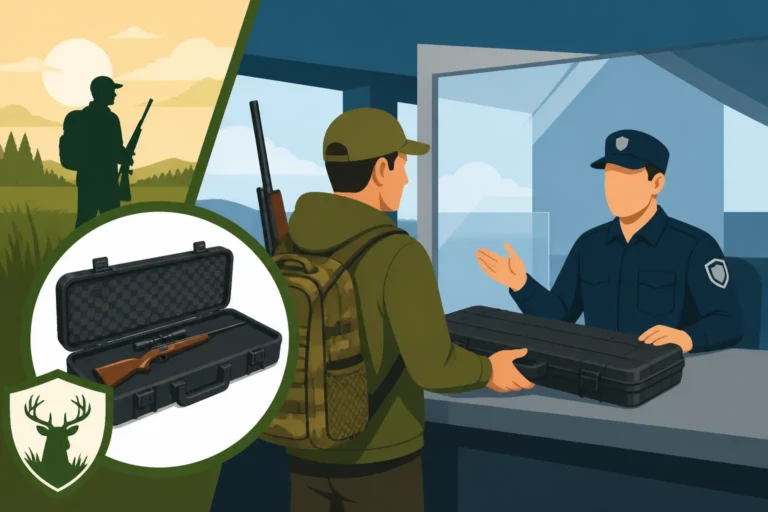
If you're driving, plot your route well in advance, especially if you're coming from the United States. Familiarize yourself with border crossing requirements, particularly regarding firearms. (More on this later, but research the Non-Resident Firearm Declaration Form.) For accommodations, outfitters typically include lodging in their package, ranging from rustic cabins to comfortable lodges. If you're on a self-guided hunt, you'll need to secure hotels, motels, or possibly utilize Crown Land camping opportunities if allowed in your area. Always confirm road conditions and access, especially in the late fall or winter, when snow can make many secondary roads impassable. Having a reliable vehicle, plenty of fuel, and a plan for navigation (even where cell service is spotty) is critical.
Gear Essentials: Dressing for Success in Saskatchewan Weather
Saskatchewan weather is famously unpredictable and can swing wildly, especially during the fall hunting seasons. You might start a morning with frost and experience T-shirt weather by midday, only for a blizzard to roll in by evening. Therefore, layering is key. You'll need quality base layers (merino wool or synthetics are best), insulating mid-layers (fleece or down), and a waterproof, windproof outer shell. For late-season hunts in November or December, extreme cold weather gear is not just recommended, it's mandatory for comfort and safety. Think insulated coveralls, heavy-duty parkas, and warm boots rated for deep cold. You'll be sitting still for extended periods, and being unprepared for the cold can quickly turn a dream hunt into a miserable, even dangerous, experience.
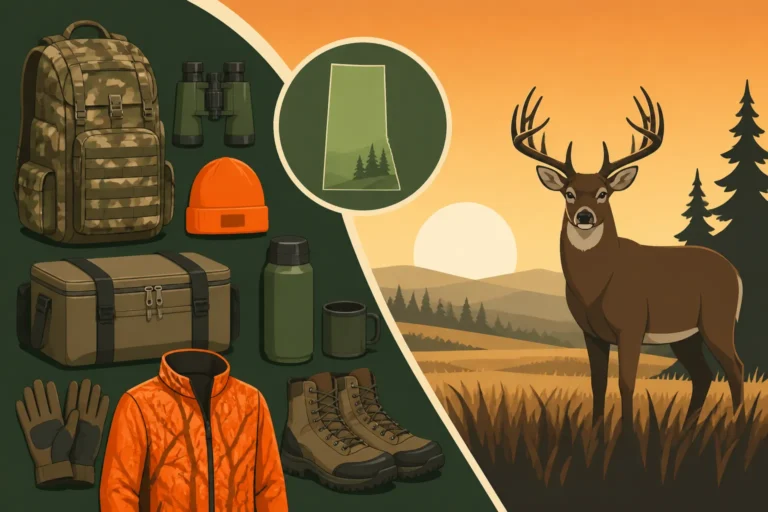
Don't forget accessories: a warm hat, neck gaiter, and multiple pairs of gloves or mittens are essential. A good pair of waterproof hunting boots that are comfortable for walking long distances (if required) is also vital. In addition to clothing, you'll need your primary weapon (rifle, bow, or shotgun), ammunition/arrows, binoculars, rangefinder, a sharp knife, a headlamp, and a first-aid kit. Blaze orange requirements are in effect for most big game seasons, so ensure you have enough visible orange on your outer layers. Consult Saskatchewan Blaze Orange Rules for specifics. Pack more warm clothes than you think you'll need; it's better to have too much and not use it than to be shivering in a blind.
Food, Water, and Camp Life Considerations
If you're on a fully guided trip, your outfitter will typically handle all meals and water. However, it's always wise to pack some personal snacks, energy bars, and a reusable water bottle for daily use in the field. If you're on a self-guided trip, planning your provisions is a major undertaking. Consider how you'll cook, store food, and access clean water. Non-perishable, high-energy foods are best for day packs. For camp meals, freeze-dried options, canned goods, and easy-to-prepare staples can be practical.
Think about camp comfort as well. Do you need a robust tent or a camper? How will you generate heat in cold weather? A reliable cooking stove, plenty of fuel, and basic kitchen supplies are essential. Power banks or portable chargers for electronics are also useful, especially if you're relying on mapping apps. Be mindful of waste and leave no trace principles. Pack out everything you pack in. If you're hunting in bear country, proper food storage (bear-proof containers, hanging food) is critical. Good planning for sustenance and camp life contributes immensely to a positive and comfortable hunting experience, especially during a demanding week in the field.
Staying Safe and Responsible in the Field
Hunting is an inherently adventurous activity, and with adventure comes responsibility. Ensuring your safety, the safety of others, and respecting the land and its wildlife are paramount to a successful and ethical trip in Saskatchewan.
Essential Safety Protocols: Firearm, Bear, and General Field Safety
Safety should always be your top priority. This begins with rigorous firearm safety rules: treat every firearm as if it's loaded, always control the muzzle direction, keep your finger off the trigger until ready to shoot, and be absolutely sure of your target and what's beyond it. Ensure your firearm is in good working order and that you are proficient with it. Take a Saskatchewan Hunter Education Requirements course if you haven't already, or review its principles.
When hunting in northern Saskatchewan, you'll be in black bear country. While most bears are wary of humans, encounters can happen. Carry bear spray and know how to use it. Make noise while walking in thick cover to avoid surprising a bear. Store food properly at camp to avoid attracting animals. Beyond specific animal encounters, general field safety is crucial. Dress appropriately for the weather to prevent hypothermia or frostbite. Carry a reliable compass, GPS, or mapping app (like GoHunt's mapping features) and know how to use them, along with a physical map. Inform someone of your hunting plans, including your route and expected return time. A satellite communication device is an excellent investment for remote areas where cell service is non-existent. These devices can literally be lifesavers in an emergency. Hunting Saskatchewan Winter Weather Safely emphasizes these cold-weather precautions.
Respecting Landowners and Posted Signs
Saskatchewan has a strong tradition of private land hunting, and respecting landowners is not just good etiquette, it's the law. In Saskatchewan, it is illegal to hunt on private land without the express permission of the landowner. This includes both cultivated fields and pastures. Always seek permission before entering any private property. A polite knock on the door, a clear explanation of your intentions, and a willingness to respect their wishes goes a long way. Many farmers and ranchers are happy to grant access to respectful hunters, but they appreciate being asked.
Look for "Posted Land" signs; these clearly indicate that access is restricted, and you absolutely must not enter. Even if the land isn't specifically posted, assume it's private and seek permission unless you are certain it's accessible Crown Land. Ignoring posted signs or trespassing is a serious offense that can result in fines and loss of hunting privileges, and it damages the reputation of all hunters. Building positive relationships with landowners is crucial for maintaining hunting opportunities in the province. Always leave gates as you found them, don't damage fences, and leave no trash behind.
Ethical Hunting Practices and Game Care
Ethical hunting goes beyond legal compliance; it's about respecting the animals you pursue and ensuring a clean, humane harvest. This means knowing your effective range, practicing regularly with your chosen weapon, and only taking shots you are confident will be lethal. Avoid marginal shots that could result in a wounded animal. After the shot, track every animal diligently, even if you think the shot was poor. A responsible hunter ensures an animal does not suffer unnecessarily.
Proper game care is also a critical ethical consideration. Once an animal is down, it's your responsibility to field dress it promptly to cool the meat and prevent spoilage. This is especially important in Saskatchewan's often mild fall temperatures, but even in colder weather, proper cooling is essential. Get the hide off and the guts out as quickly as possible. Have a plan for getting the animal out of the field and to a processor or cold storage. Wasting game meat is an unethical practice and, in many places, illegal. If you're successful, celebrate your harvest with respect for the animal and the privilege of the hunt. Meat Care in Saskatchewan's Cold Snaps offers detailed advice.
Post-Hunt Considerations: Meat, Trophies, and Memories
The hunt doesn't truly end when the shot is fired. What you do after the harvest is just as important, especially concerning meat care, trophy preservation, and navigating regulations for transporting your prize.
Field Dressing and Meat Care in the Cold
Saskatchewan's often cold temperatures, especially during late fall and early winter hunts, can be a mixed blessing. While they make meat preservation easier than in warmer climates, improper care can still lead to spoilage. The key is rapid cooling. Immediately after the harvest, field dress your animal to remove the internal organs and allow the body cavity to cool. If temperatures are mild, you may need to skin the animal and quarter it to accelerate cooling. Hang the carcass in a cool, shaded, well-ventilated area, away from direct sunlight or rain. A good rule of thumb is to avoid letting the meat stay warm for too long; ideally, you want the internal temperature to drop quickly.
If you're in the deep cold, say 0°C (32°F) or below, you still need to ensure adequate air circulation to prevent the outer layer from freezing before the inner parts have cooled. This can trap heat and lead to souring. Protect the meat from dirt, insects, and scavengers using game bags. If your outfitter provides cold storage, utilize it. If you're on your own, ensure you have a plan for processing the meat within a reasonable timeframe, especially if you've harvested a large animal like a moose. Having sharp knives, a bone saw, and game bags are essential tools for effective field dressing and meat care.
Transporting Your Harvest and CWD Testing
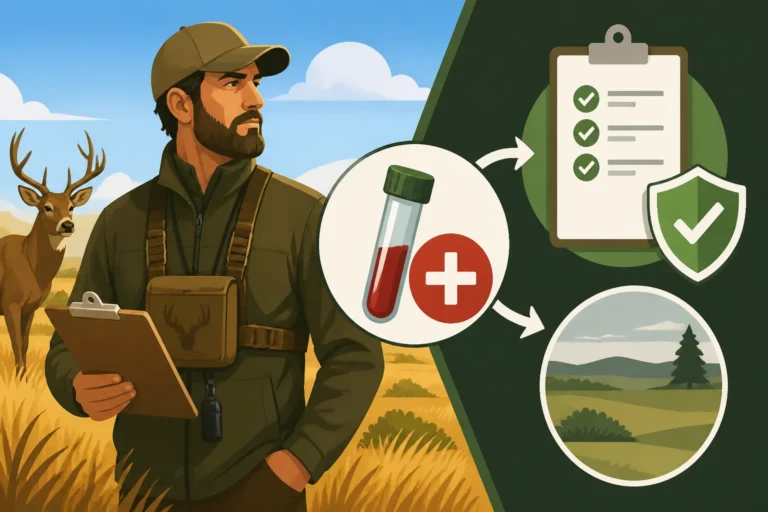
Transporting your game meat and any trophies out of Saskatchewan requires adherence to specific regulations, especially regarding Chronic Wasting Disease (CWD). Saskatchewan has mandatory CWD testing zones, primarily in the southern and central parts of the province. If you harvest a deer, moose, or elk in one of these zones, you are legally required to submit the head for CWD testing. Your outfitter will usually facilitate this, or you'll need to locate a designated drop-off location. It's crucial to understand the carcass transportation rules: generally, only deboned meat, clean skull plates, and capes without spinal column or brain material can be transported out of CWD mandatory testing zones or out of the province. This is to prevent the spread of CWD prions.
If you're a non-resident, particularly from the United States, be aware of federal regulations regarding the import of game meat and trophies. You'll need appropriate documentation, often including your Saskatchewan hunting licence and tags. Antlers, especially if they are velvet, may require special permits or declarations. Always check with the Canadian Border Services Agency (CBSA) and your home country's wildlife authorities (e.g., US Fish and Wildlife Service) well in advance to understand all requirements for crossing international borders with game. Failure to comply can result in confiscation of your harvest.
Taxidermy, Export, and Preserving Your Trophy
If you've been fortunate enough to harvest a trophy animal, preserving it correctly is vital. Most outfitters will assist with caping and initial preparation for taxidermy. If you're doing it yourself, learn proper caping techniques to ensure the taxidermist has enough hide to work with. For skull mounts, careful cleaning and boiling are required. Your outfitter can often recommend local taxidermists who are familiar with export regulations.
Exporting a trophy, particularly antlers or a cape, usually involves a CITES (Convention on International Trade in Endangered Species) permit if it's an international shipment, even if the species isn't endangered, due to general wildlife trade regulations. These permits can take time to process, so factor this into your timeline. Work closely with your taxidermist and any chosen shipping agent to ensure all paperwork is correctly filled out and submitted. They will be experienced in handling the complexities of international trophy shipment. The goal is to get your hard-earned trophy home legally and in pristine condition, serving as a lasting memory of your Saskatchewan adventure. Remember that Taking Meat and Antlers Across the Border has specific rules.
Leveraging Technology and Resources for Your Hunt
In today's hunting world, technology can be a powerful ally in planning, scouting, and executing your trip. From advanced mapping software to online communities, there's a wealth of information at your fingertips.
Mapping Apps and Scouting Tools
Modern hunting has been revolutionized by digital mapping applications. Tools like GoHunt or other popular platforms provide satellite imagery, topographical maps, and public/private land ownership overlays that are invaluable for pre-hunt scouting and in-field navigation. Before your trip, you can use these apps to study terrain features, identify potential game corridors, locate water sources, and pinpoint areas of dense cover. You can mark waypoints for treestand locations, known game crossings, or access points.
In the field, these apps allow for precise navigation, especially in unfamiliar territory. Many offer offline capabilities, meaning you can download maps before losing cell service, which is a common occurrence in many remote Saskatchewan hunting areas. This is a game-changer for safety and efficiency. They can also help you track your movements, mark where you've seen sign, or pinpoint the last known location of a wounded animal. While these tools are incredibly powerful, always carry a backup physical map and compass, and know how to use them. Technology can fail, and being prepared for that eventuality is critical. You can learn more about this in Scouting With Satellite Imagery in Saskatchewan.
Online Forums and Community Knowledge
The internet hosts a vibrant community of hunters, and online forums, social media groups, and dedicated hunting websites can be incredible resources for planning your Saskatchewan trip. Here, you can connect with experienced hunters, ask specific questions about zones or species, and get real-world advice. You can often find threads discussing outfitters, gear recommendations, or even specific hunting tactics that have proven successful in the province.
However, approach online information with a critical eye. While many contributors are genuinely helpful, always verify information against official provincial hunting regulations and reputable sources. Opinions can vary wildly, and what worked for one hunter might not work for another. Use these forums to gather a wide range of perspectives, but always cross-reference and apply common sense. They can also be a great place to find hunting partners, share stories, and build connections within the broader hunting community.
Government Resources and Outfitter Directories
The most authoritative source of information for your Saskatchewan hunting trip will always be the official government publications. The Ministry of Environment publishes an annual Saskatchewan Hunters' and Trappers' Guide, which is a must-read. This guide contains all the up-to-date regulations, season dates, zone maps, licensing requirements, and contact information you'll need. It's usually available online as a PDF and can be found on the provincial government's website. Treat this as your hunting bible.
Additionally, the province's tourism and wildlife departments often maintain lists or directories of licensed outfitters. These lists can be a reliable way to find legitimate operations. While third-party sites like BookYourHunt aggregate many outfitters, cross-referencing with official lists helps ensure you're dealing with a properly licensed business. Don't hesitate to call or email the provincial Ministry of Environment with specific questions; they are there to help ensure hunters understand and comply with regulations. Utilizing these official resources will ensure your planning is based on accurate, current, and legally sound information, paving the way for a trouble-free and enjoyable hunt.
Disclaimer
This article is for general informational purposes only and does not constitute professional advice. Laws, prices and regulations vary by location and change over time. Consult a qualified professional for guidance on your specific situation.