Hunting the December Late Season Cold
Oh, the crisp, quiet beauty of a Saskatchewan December hunt. It sounds almost poetic, doesn't it? But let's be real: for many of us, the idea of facing down those infamous frigid temperatures to chase a late-season whitetail can feel more like a daunting survival mission than a peaceful outing. It's tough, often brutally cold, and the deer are acting completely different than they did during the rut. This guide is all about equipping you with the knowledge and strategies to not just survive, but thrive, in the challenging yet incredibly rewarding world of hunting Saskatchewan in the deep cold of December.
Understanding December Whitetail Behavior
By December, the chaotic frenzy of the whitetail rut is largely a distant memory. The big bucks that were running ragged, throwing caution to the wind, are now focused on a singular goal: survival. This shift in behavior requires a fundamental change in our hunting approach. You can't expect to call them in with a grunt tube like you might in November.
The Post-Rut Reality and Energy Depletion
Imagine running a marathon, then immediately being plunged into an arctic expedition. That's essentially what a whitetail buck has just experienced. The rut demands an incredible amount of energy, with bucks expending significant reserves chasing does, fighting rivals, and barely eating. By December, many bucks are in a depleted state, having lost a substantial portion of their body weight. Their primary instinct now is to conserve every calorie and find sufficient nutrition to make it through the harsh winter ahead. This post-rut fatigue is a critical factor influencing their movement and activity. They’re no longer cruising endlessly; every step is calculated. Understanding this physiological reality is the first step to pinpointing their movements and patterns.
Focus on Food and Shelter
With energy reserves low and temperatures plummeting, whitetails prioritize two things above all else: food and thermal cover. Food sources that were ignored during the rut become magnets in December. Think standing grain, pea fields, cornfields, or even browse in forested areas that offer concentrated calories. They'll travel to these areas, but often only as much as necessary, looking for the most efficient path. Equally important is thick thermal cover – dense conifer stands, willow thickets, deep coulees, or heavy brush that can block the biting wind and trap what little warmth the sun provides. Bucks will often bed down in these areas for prolonged periods, especially on windy, exposed days. They’re seeking microclimates where they can escape the worst of the elements. It’s a constant trade-off between expending energy to feed and conserving it in a secure, warm bed. This is where scouting with tools like GoHunt can be invaluable, as you can overlay satellite imagery to identify prime thermal cover adjacent to known food sources, even before you step foot in the field.
Daylight Movement Patterns
One of the most exciting aspects of late-season hunting is the increased likelihood of seeing mature bucks moving during daylight hours, especially when cold snaps hit. While the rut might have had deer moving at all hours, the intense cold of December forces them to feed more often, sometimes multiple times a day, to fuel their internal furnaces. On extremely cold days, deer might move from their bedding areas to food sources earlier in the afternoon and stay later into the morning than usual, simply because they need to eat. This doesn't mean they'll be out in the open for hours, but those critical first and last hours of light, and sometimes even midday on bitter days, can be prime time. A prolonged cold spell with fresh snow can make these patterns even more predictable, as deer will push harder to find and consume food. Understanding this means adjusting your sit times, sometimes committing to all-day sits in key travel corridors between bedding and feeding. For more on this, check out our guide on Sitting All Day in a Saskatchewan Blind.
Gear and Preparation for Extreme Cold
Hunting in December in Saskatchewan isn't just a matter of bundling up; it's a strategic battle against the elements. The cold here can be unforgiving, and inadequate gear won't just make you uncomfortable – it can be dangerous. Proper preparation is the key to enduring long hours on stand and staying safe.
Layering for Sub-Zero Temperatures
The concept of layering is paramount in Saskatchewan's late season. It's not about one giant, heavy coat; it's about multiple thinner layers that trap air and allow you to regulate your body temperature.
- Base Layer: This is your first line of defense, designed to wick moisture away from your skin. Merino wool or synthetic blends are superior choices. Cotton is an absolute no-go, as it holds moisture and will chill you to the bone.
- Mid-Layers: These provide insulation. Fleece, down, or synthetic puff jackets work well. You might wear one or two mid-layers depending on the severity of the cold. These layers are crucial for retaining body heat.
- Outer Layer: This needs to be windproof, water-resistant (for snow), and durable. A good quality parka and insulated bibs are non-negotiable. Look for silent fabrics that won't give you away when you move. Brands like Sitka, Kuiu, or Cabela's have robust cold-weather systems designed for extreme conditions. Remember, you might start walking in feeling warm, but as soon as you stop, the cold will creep in. The ability to shed or add layers is critical for managing sweat and preventing a chill.
Here's a quick comparison of popular layering materials:
| Layer Type | Material | Pros | Cons | Best Use |
|---|---|---|---|---|
| Base Layer | Merino Wool | Excellent warmth-to-weight, odor-resistant, wicks moisture, warm when damp | More expensive, can be less durable than synthetics | Next-to-skin layer for warmth & moisture management |
| Base Layer | Synthetic (e.g., Polyester) | Wicks moisture very well, dries fast, durable, less expensive | Can retain odors, not as warm when damp as wool | Next-to-skin layer for high activity & moisture management |
| Mid Layer | Fleece | Affordable, breathable, good insulation, dries quickly | Bulky, not windproof, can be heavy when wet | General insulation, active mid-layer |
| Mid Layer | Down | Excellent warmth-to-weight, highly compressible | Expensive, useless when wet, ethical concerns (sometimes) | Stationary warmth, lightweight insulation |
| Mid Layer | Synthetic Insulation (e.g., PrimaLoft) | Warm when wet, hypoallergenic, durable, good warmth-to-weight | Less compressible than down, slightly heavier | Versatile insulation, especially in damp conditions |
| Outer Layer | Insulated Shell | Windproof, water-resistant, durable, integrates insulation | Can be bulky, less breathable if not designed well, expensive | Primary protection from elements, stationary warmth |
Essential Cold Weather Hunting Accessories
Beyond your main clothing, numerous accessories make a huge difference in December.
- Headwear: A warm beanie or trapper hat that covers your ears is critical. Consider a face mask or balaclava, especially on windy days, to prevent frostbite. Heat loss through the head is substantial.
- Gloves/Mitts: Layering here is also smart. Thin liner gloves for dexterity, topped with heavy insulated mitts that can be easily removed for shooting. Chemical hand warmers are a hunter's best friend.
- Footwear: Insulated, waterproof boots rated for extreme cold are a must. Paired with quality wool socks (never cotton!), they'll keep your feet from turning into blocks of ice. Pack extra socks; a fresh, dry pair can revitalize your hunt.
- Heat Sources: Rechargeable hand warmers, chemical hand and foot warmers, and even a small, portable propane heater for a ground blind can be game-changers. Just ensure proper ventilation if using propane indoors.
- Optics: Binoculars and scopes can fog up. Use anti-fog treatments and keep them tucked inside your layers when not in use.
Maintaining Equipment in Freezing Conditions
The cold isn't just hard on you; it's hard on your gear. Batteries drain quickly in sub-zero temperatures, so always carry spares for your GPS, headlamp, and phone, and keep them in an inside pocket to stay warm. Firearms can also be affected. A lighter oil or lubricant can prevent sluggish actions, though many modern firearms are designed to operate well in cold. Be mindful of static electricity build-up, especially when touching metal objects. Crossbows and bows also require careful attention, as cold can affect string performance or limb integrity. Always check your equipment before heading out and ensure it's specifically rated for cold weather use.
Effective Late Season Hunting Tactics
With the brutal cold settling in, deer movements become more predictable. Your tactics need to adapt from the high-energy, searching approach of the rut to a more patient, strategic focus on survival patterns.
Targeting Winter Food Sources
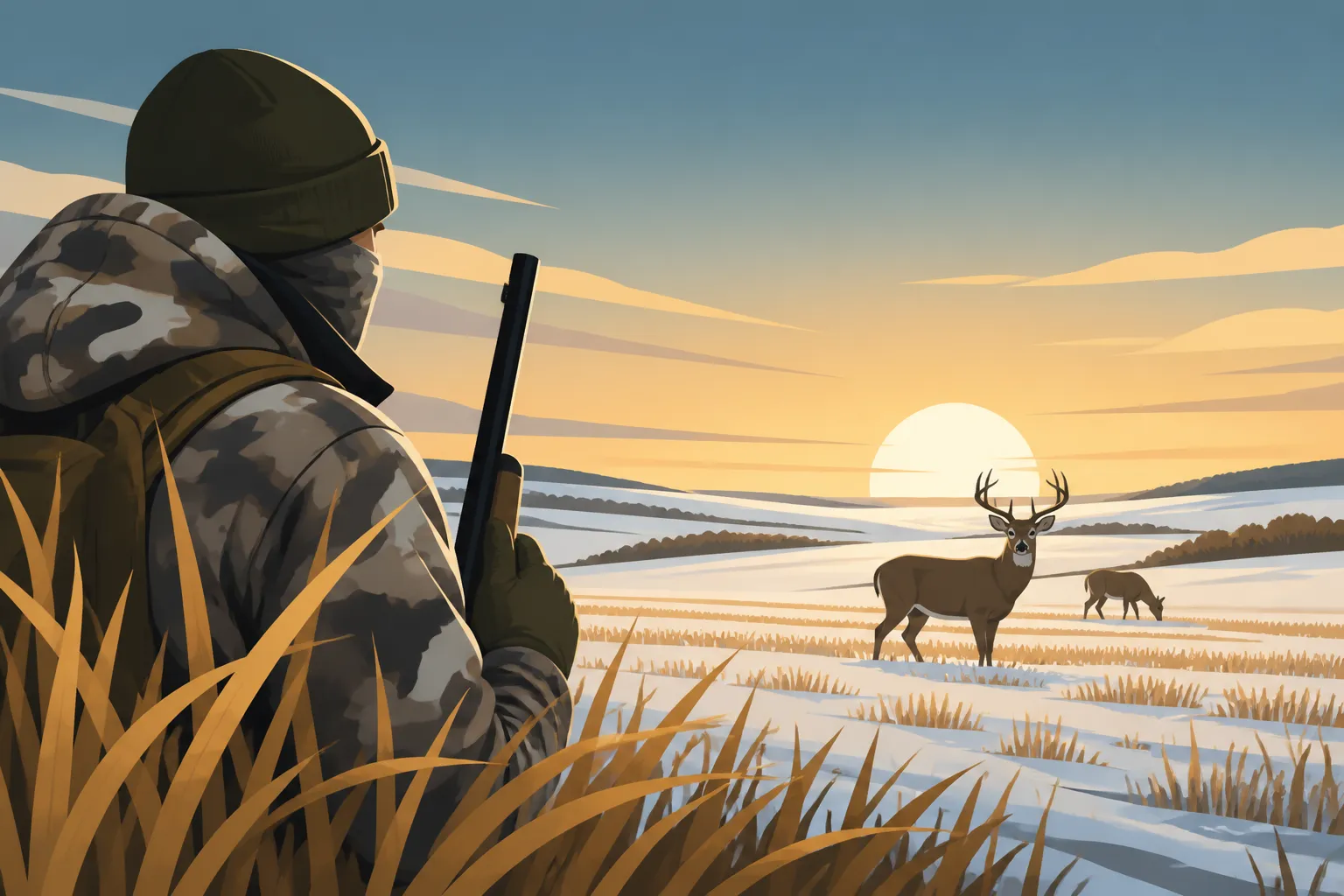
As mentioned, food is king in December. Whitetails will seek out the highest calorie, most easily accessible food sources. This means shifting your focus from scattered browse to concentrated agricultural fields. Standing corn, pea stubble, or swathed grain fields become prime real estate. Look for fields adjacent to heavy cover. Deer will often leave their bedding areas right at last light, sometimes even moving during the day if the need for calories is high enough due to extreme cold. Hunting these field edges, or even within standing crops if conditions allow for quiet movement, can be incredibly productive. Identify the exact entry and exit points deer are using, as they'll often stick to the path of least resistance. Scouting with tools like GoHunt can help you identify these patterns by showing you where cover meets open fields, hinting at natural travel corridors. Consider placing stands or blinds where you can intercept deer travelling between their beds and feeding areas. Our guide on Hunting a Standing Canola Field Edge provides further insights into these specific scenarios.
Hunting Thermal Cover and Bedding Areas
Deer aren't just eating; they're also conserving energy by seeking out the warmest, most protected bedding sites. These are typically dense stands of conifers (spruce, pine), thick willow swamps, or the sheltered leeward sides of bluffs and coulees. During periods of extreme cold or high winds, deer will often not move far from these areas. This presents an opportunity for patient hunters to still-hunt slowly and deliberately through these thickets, or set up blinds on the downwind edge of known bedding areas. Be incredibly mindful of wind direction and scent when approaching or sitting near these spots. You don't want to blow out a bedding area with your scent on a cold, calm morning. Moving slowly, stopping frequently to glass, and using terrain to your advantage are key. Learning Where Saskatchewan Whitetails Bed in Snow can provide crucial intelligence for these tactics.
Still-Hunting and Tracking in Snow
Fresh snow is a late-season hunter's dream. It quiets your footsteps, highlights game trails, and, most importantly, allows you to read sign like an open book. Still-hunting involves moving through cover very slowly, taking a few steps, stopping, and scanning for deer. With snow on the ground, you can follow fresh tracks, determining the size, sex (sometimes by stride length and width), and direction of travel. This is an incredibly effective tactic in December, especially after a fresh snowfall. When tracking, focus not just on the tracks, but also on disturbed snow, rubbed trees, and droppings that tell you how recent the activity is.
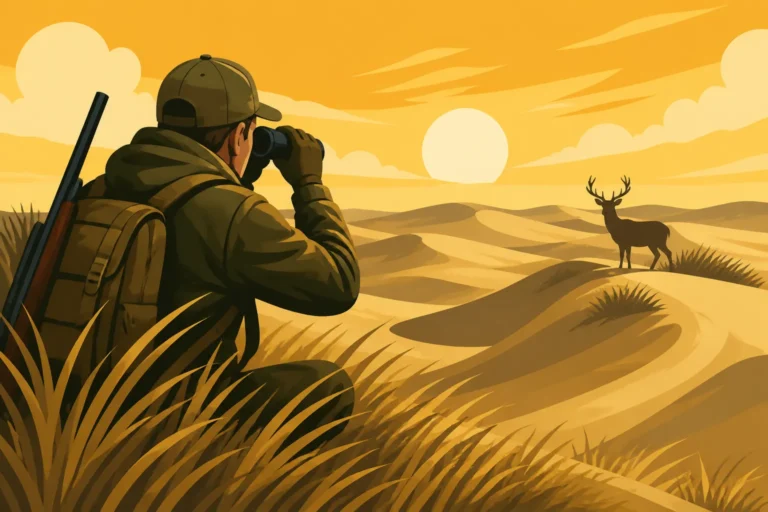
When still-hunting, move into the wind or crosswind, pausing often to scan ahead, particularly into dense cover where deer might be bedded. Use your binoculars more than your feet. The goal isn't to cover ground quickly, but to move so quietly and deliberately that you detect the deer before it detects you. A light, fresh snowfall is ideal, masking your sound and revealing every movement. Our detailed guide on Reading Sign After Fresh Saskatchewan Snow will give you an edge in interpreting these vital clues.
Safety and Survival in Winter Conditions
Saskatchewan winters are no joke. The December cold can quickly turn a successful hunt into a dangerous situation if you're not prepared. Prioritizing safety is not just good practice; it's essential for survival.
Recognizing and Preventing Hypothermia and Frostbite
These are the two biggest threats to cold-weather hunters. Hypothermia occurs when your body loses heat faster than it can produce it, leading to a dangerously low core body temperature. Symptoms include shivering, confusion, slurred speech, clumsiness, and eventually, loss of consciousness. Frostbite is the freezing of body tissue, typically affecting fingers, toes, ears, and nose. Early signs include numbness, tingling, and pale or waxy skin.
Prevention is key:
- Stay Dry: Moisture is your enemy. Invest in moisture-wicking base layers and waterproof outer shells. Avoid overheating and sweating.
- Layer Up: As discussed, multiple layers allow you to adjust to changing conditions.
- Stay Hydrated and Fed: Your body needs fuel to generate heat. Bring high-calorie snacks and warm drinks in an insulated thermos.
- Know the Conditions: Check the forecast, including wind chill, before you leave. Factor in the potential for conditions to worsen.
- Take Breaks: If you start feeling overly cold, take a break, get out of the wind, and warm up. Don't push through if you're feeling compromised.
Emergency Preparedness Kit Essentials
Even on a short trip, things can go wrong quickly. A well-stocked emergency kit is a non-negotiable part of Hunting Saskatchewan Winter Weather Safely.
- Fire Starting Kit: Waterproof matches, a lighter, fire starter cubes, and cotton balls soaked in petroleum jelly.
- Navigation: A reliable GPS (like the one in GoHunt) or a topographic map and compass, even if you know the area well. Your phone battery will die quickly in the cold.
- Communication: A fully charged cell phone (kept in an inside pocket), and ideally a satellite messenger or two-way radio if hunting in remote areas without cell service.
- First-Aid: A comprehensive kit, including pain relievers, bandages, antiseptic wipes, and any personal medications.
- Extra Layers: A spare hat, gloves, and dry socks can be lifesavers.
- High-Energy Food: Energy bars, nuts, or chocolate that won't freeze solid.
- Warm Drink: A thermos of hot tea, coffee, or broth.
- Shelter: A lightweight emergency blanket or survival bag.
- Lighting: A headlamp with spare batteries.
- Knife/Multi-tool: Always handy.
Vehicle Preparedness for Winter Roads
Getting stuck is a real possibility on Saskatchewan's often unmaintained winter roads and trails. Prepare your vehicle just as thoroughly as yourself.
- Full Tank of Gas: Never let your tank get below half, especially when driving out to remote areas.
- Winter Tires: Absolutely essential for traction on ice and snow.
- Emergency Kit: Jumper cables, a shovel, tow strap, extra warm blankets, a flashlight, hand warmers, a basic tool kit, and plenty of non-perishable food and water.
- Communication: A charged phone, but assume no service in remote areas. A satellite messenger is excellent here.
- Vehicle Maintenance: Ensure your battery is strong, antifreeze levels are good, and your wipers and defroster work effectively.
- Tell Someone: Always let someone know your hunting plans, including your route and expected return time. This is critical if you do get into trouble.
Post-Harvest and Tracking Strategies
Successfully taking a deer in December is a huge accomplishment, but the work isn't over. Recovering your game and ensuring proper meat care in the extreme cold presents its own set of challenges.
Locating Deer in Cleared Fields and Stubble
Unlike the early season with thick vegetation, December often means cleared fields, making blood trailing theoretically easier, but the cold itself can make it tricky. If you shoot a deer and it runs into a field, observe its direction and any landmarks closely. The minimal cover means a deer may try to reach the nearest bluff, tree line, or coulee, even if it's a long distance. Use your binoculars to scan ahead, looking for the deer lying down or for any signs of struggle. If the deer goes down quickly, marking the spot with an app like GoHunt can save valuable time and effort in retrieval.
Reading Sign After Fresh Snow
Fresh snow is a tracker's best friend. It clearly shows blood trails, tracks, and where the deer has moved or bedded. However, deep cold can make blood appear darker and sometimes freeze quickly, making it less obvious.
- Blood Color and Consistency: Bright red, frothy blood indicates a lung hit. Darker blood with stomach contents points to a gut shot, requiring a much longer wait (8-12+ hours) to allow the deer to expire and stiffen up. In extreme cold, waiting this long means marking the spot and returning the next morning, but be prepared for frozen blood and a stiff deer.
- Track Analysis: Look for irregular track patterns, dragging legs, or signs of struggle. These are all indicators of a wounded animal.
- Snow Perturbations: Disturbed snow, broken branches, or hair caught on brush are vital clues. Even small amounts of physical evidence can lead you to your animal.
If you hit a deer and are unsure, always give it time. In December's cold, a wounded deer can travel surprisingly far if pushed too quickly. For more specific guidance, refer to our article on Reading Sign After Fresh Saskatchewan Snow.
Blood Trailing in Sub-Zero Weather
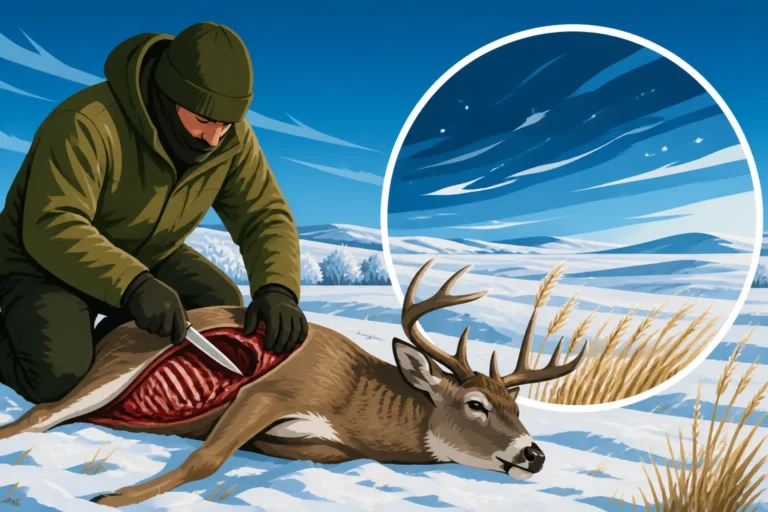
Trailing in December can be a different beast. Blood can freeze quickly, making it hard to distinguish from ice or snow. Carry a small stick or a bottle of hydrogen peroxide to help identify frozen blood droplets. The peroxide will fizz if it contacts blood. Work slowly and meticulously, marking the last blood sign you found before moving forward. If you lose the trail, spread out and search in ever-widening circles around the last known sign. If possible, bring a tracking dog (where legal) as they can be invaluable in these conditions. Once you find the deer, process it quickly to prevent the meat from freezing completely, which makes gutting much harder. Be prepared for the rapid cooling of the carcass, which is excellent for meat preservation, as detailed in our guide on Meat Care in Saskatchewan's Cold Snaps. Also, remember Saskatchewan's Saskatchewan's CWD Testing Rules, especially if you are in a mandatory testing zone, and know where to drop off the head.
Choosing the Right December Hunting Zones
Saskatchewan offers diverse landscapes, and what works in one zone during the rut might be completely ineffective in December. Understanding the unique characteristics of different regions can significantly impact your late-season success.
Farmland vs. Forest Fringe Opportunities
When it comes to late-season whitetails, the choice between Saskatchewan's agricultural zones and the northern forest fringe often comes down to food availability and cover type.
- Farmland (Southern and Central Zones): These areas, characterized by vast fields of grain, peas, and corn, become absolute magnets for deer once winter sets in. Bucks that might have been deep in the bush during the rut will often move closer to these reliable food sources. The key here is finding the heavy cover adjacent to these fields – small bluffs, shelterbelts, willow runs, or river bottoms. Deer will use these pockets of cover for bedding during the day and venture out to feed at dusk and dawn, sometimes even during the midday on frigid days. Hunting these areas often involves glassing field edges, setting up static blinds overlooking food sources, or still-hunting small bluffs. Remember, public land access can be limited in prime farmland, making landowner permission crucial. Our article on Hunting Whitetails on Saskatchewan Farmland has more in-depth information.
- Forest Fringe (Central and Northern Zones): The transition zone where farmland meets the boreal forest offers a fantastic blend of resources. Here, deer have access to agricultural crops but also extensive natural cover like dense spruce and pine forests for thermal protection. The big bucks often gravitate to these areas, which provide both abundant food and secure sanctuaries. Hunting the forest fringe involves focusing on cutlines, pipeline rights-of-way, and the edges of large timber blocks where deer transition between cover and feeding areas. This region is renowned for producing some of Saskatchewan's biggest bucks, often due to longer lifespans in the thicker cover. Consider Hunting the Forest Fringe for Big Bucks for specific strategies in these areas.
Identifying High-Traffic Wintering Areas
Regardless of the specific landscape, identifying specific wintering areas is key. These are locations where deer congregate in numbers to survive the lean months. Look for:
- Concentrated Food Sources: As mentioned, standing crops are vital.
- Heavy Thermal Cover: Dense coniferous stands that block wind and hold heat. South-facing slopes can also offer microclimates.
- Water Sources: Even in winter, deer need water. Open springs or unfrozen creek beds can concentrate animals.
- Limited Pressure: Areas with less human disturbance will often hold more deer.
Wintering areas can be relatively small, so once you find one, focus your efforts there. Pay attention to local knowledge and historical deer patterns. A good mapping application, such as GoHunt, can help you scout these areas virtually, identifying terrain features and potential travel corridors. Look for the confluence of these critical resources – thick cover right next to a standing pea field, for instance – and you're likely on to a prime December spot.
Utilizing Mapping Tools for Scouting
In the late season, with less foliage, the landscape can look quite different from what you might remember from fall. This is where advanced mapping tools really shine. Apps like GoHunt allow you to:
- Identify Thermal Cover: Satellite imagery can help pinpoint dense conifer stands, bluffs, and coulees that offer critical thermal protection.
- Locate Food Sources: Overlaying agricultural layers can show you where standing crops are, which is crucial for December hunting.
- Map Travel Corridors: Identify natural funnels, pinch points, and fence lines that deer might use to travel between bedding and feeding areas.
- Find Public Land: For hunters without private land access, these tools can help locate accessible Hunting Whitetails on Saskatchewan Crown Land or FWDF lands that might hold late-season deer.
- Mark Waypoints: Use the app to mark fresh sign, rub lines (if still visible), scrapes (less active but can indicate travel), or the locations of previous sightings.
Spending time virtually scouting before and during your December hunt can significantly increase your efficiency and success rate, allowing you to focus your limited hunting time on the most productive areas. Knowing the lay of the land, especially in challenging winter conditions, is a huge advantage.
Disclaimer
Hunting is an inherently risky activity. This guide provides general information and strategies, but local conditions, regulations, and personal skill levels vary greatly. Always prioritize safety, adhere to all Saskatchewan hunting regulations, and consider consulting with local experts or outfitters for specific advice. The author and publisher are not responsible for any accidents, injuries, or legal issues that may arise from using this information.