Saskatchewan Youth and First-Timer Guided Hunts
Starting out as a hunter, especially for youth or adults new to the pursuit, can feel incredibly overwhelming, almost like trying to navigate a dense bush without a compass. The sheer volume of regulations, the specialized skills required, and the daunting task of finding productive hunting land in a place like Saskatchewan can stop many aspiring hunters before they even begin. This comprehensive guide is designed to demystify the process, exploring why guided hunts offer an unparalleled entry point for youth and first-time hunters in Saskatchewan, offering a safe, educational, and ultimately more successful experience.
The Unique Challenges for Youth and First-Time Hunters in Saskatchewan
Saskatchewan is renowned for its world-class hunting opportunities, but for someone just starting out, the path can be fraught with potential pitfalls. It's not just about pulling a trigger; it's about understanding the ecosystem, respecting wildlife, and adhering to a complex framework of rules and ethics.
Navigating Regulations and Licensing for Newcomers
Imagine trying to understand the provincial hunting guide for the first time. It's thick, packed with legal jargon, and refers to specific wildlife management zones (WMZs) and season dates that can change annually. For a youth hunter, or an adult who’s never purchased a hunting licence, the process of simply getting legal can be a significant hurdle. They need to understand the Saskatchewan Hunter Education Requirements, how to create a HAL account, and which licenses apply to which species and seasons. Getting a Saskatchewan Resident Deer Licence Cost or understanding specific draws for other species can be a confusing maze. Beyond the initial licence, there are rules about blaze orange, legal firearms and bows, shooting hours, and even transporting game. It's a lot to absorb, and a mistake can lead to serious consequences, not just a missed opportunity. This initial phase alone can be discouraging for many who lack a mentor to walk them through it.
The Steep Learning Curve of Hunting Skills
Beyond the paperwork, the actual act of hunting involves a diverse skillset that takes years, if not decades, to master. For a first-timer, simply identifying game, understanding animal behavior, tracking, field dressing, and even proper shot placement can feel like insurmountable tasks. Think about a young hunter trying to decipher fresh tracks in a light snow or an adult attempting to field dress their first whitetail without any prior experience. It's not intuitive. There's also the mental game of patience, stealth, and ethical decision-making. Learning how to move silently through the bush, how to use calls effectively, or where to hang a treestand for optimal success are all crucial elements that are best learned through direct, experienced instruction. Without that hands-on guidance, a new hunter might spend countless hours in the field with little to no success, potentially leading to frustration and a loss of interest.
Why a Guided Hunt Makes Sense for Beginners
Given these challenges, a guided hunt isn't just a luxury; it's often the most practical and beneficial way for youth and first-time hunters to enter the sport in Saskatchewan. Outfitters provide a structured environment where learning and safety are paramount, removing many of the barriers that newcomers face.
Expert Mentorship and Safety First
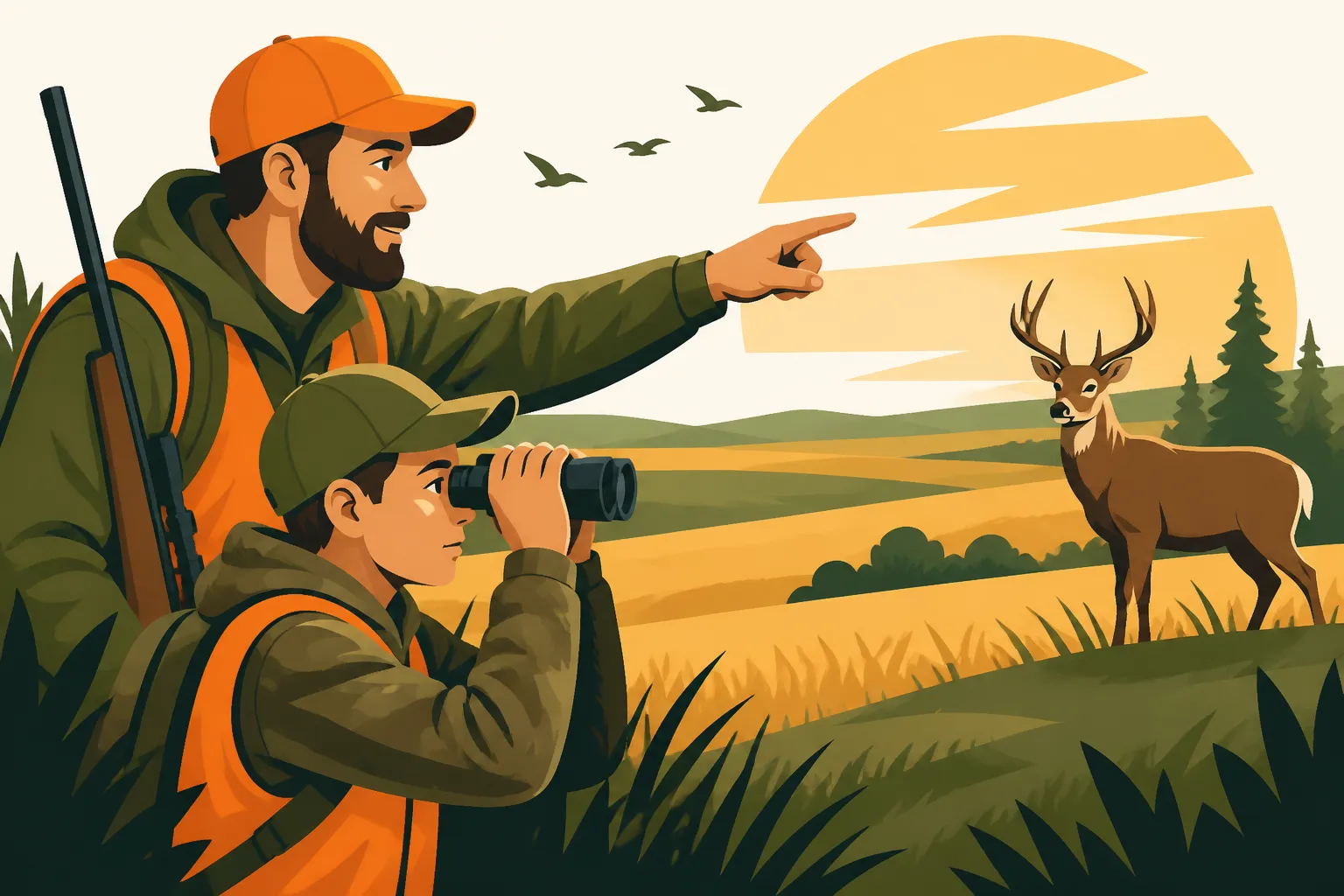
One of the greatest benefits of a guided hunt for a beginner is the direct mentorship from experienced professionals. A good guide doesn't just put you in a blind; they teach you. They'll explain why a particular stand is set up where it is, how to identify different animal signs, the nuances of ethical shot placement, and critical post-harvest care like field dressing and getting the animal out of the bush. This kind of one-on-one instruction is invaluable, accelerating the learning process in a way that simply cannot be replicated by reading books or watching videos. Moreover, safety is always a top priority for reputable outfitters. They ensure proper firearm handling, understand emergency protocols, and navigate challenging terrain, allowing the new hunter to focus on learning and experiencing the hunt without undue worry. This structured safety net is particularly crucial when dealing with Saskatchewan Winter Weather Safely or navigating unfamiliar wilderness.
Access to Prime Hunting Ground and Equipment
For a new hunter, finding productive hunting land is a massive undertaking. Saskatchewan has a mix of public and private land, each with its own access rules. Hunting Saskatchewan's Crown land might be an option, but knowing where to go and what to expect is difficult. Many of the most productive areas, especially for species like whitetail deer or black bear, are on private land where permission is required. Outfitters have often cultivated relationships with landowners over years, securing leases on prime agricultural fields, aspen parkland, and forest fringe areas that hold abundant game. This means beginners aren't wasting precious hunting time scouting or knocking on doors, and instead can focus on the hunt itself. Beyond land, outfitters typically provide high-quality equipment, from comfortable heated blinds and treestands to reliable vehicles for transport. For a young hunter or a first-timer who might not yet own all the necessary gear, this access to specialized equipment reduces the initial investment barrier, making the experience more accessible and enjoyable. This is especially true when considering the gear needed for Sitting All Day in a Saskatchewan Blind during colder months.
What to Expect from a Saskatchewan Youth/First-Timer Guided Hunt
So, what does a guided hunt for a beginner actually look like in Saskatchewan? It's much more than just showing up with a rifle or bow. It's an immersive experience tailored to education and ensuring a positive first impression of hunting.
Tailored Experiences and Species Focus
Many Saskatchewan outfitters recognize the importance of nurturing new hunters and will often tailor their offerings specifically for youth or first-timers. This might mean focusing on species with higher success rates, such as whitetail deer or black bears, which can provide a more immediate and encouraging experience. For instance, a Booking a Saskatchewan Whitetail Hunt might focus on blinds overlooking feeding areas, offering higher probability shot opportunities and minimizing long, strenuous stalks that might discourage a novice. For bear hunting, Baiting Black Bear in Saskatchewan often provides a controlled scenario where the hunter can observe and learn before taking a shot. These experiences emphasize learning about the animal, its habitat, and ethical hunting practices over solely trophy pursuit. The goal is to build foundational skills and a deep appreciation for the outdoors. Outfitters might also offer specific youth hunts, adhering to regulations under Saskatchewan Youth and Mentored Hunting, which allow younger hunters to participate under strict supervision.
Typical Itinerary and Camp Life
A guided hunt typically follows a well-planned itinerary, though flexibility is always key in hunting. A common structure might involve arriving at camp on a Sunday, settling in, and reviewing safety protocols and hunting plans with the guides. Early mornings are usually dedicated to hunting, often involving transport to a pre-scouted stand or blind. Mid-day might be for returning to camp for a hearty lunch, debriefing, and perhaps some instruction on things like animal anatomy or basic tracking skills. Evenings often involve another hunting session, followed by dinner and campfire stories or discussions about the day's observations.
Camp life itself can be a significant part of the experience. Many outfitters offer comfortable lodging, whether it's a rustic cabin or a full-service lodge. Meals are usually provided, creating a communal atmosphere where hunters share experiences and build camaraderie. For a first-timer, this supportive environment can alleviate anxieties about the unknown.
Here's a simplified look at what a typical day might entail:
| Time | Activity | Focus for Beginners |
|---|---|---|
| Pre-Dawn | Wake-up, light breakfast | Getting ready efficiently, quiet movement |
| Dawn-Morning | Transport to stand/blind, hunting session | Observing, learning patience, shot opportunity recognition |
| Late Morning | Return to camp, debrief, possible light snack | Discussing observations, asking questions, initial instruction |
| Mid-Day | Lunch, rest, instructional time | Field dressing demo, gear review, scouting basics |
| Afternoon | Transport to stand/blind, hunting session | Applying morning lessons, continued observation |
| Dusk-Evening | Return to camp, game recovery if successful | Tagging, meat care, celebrating success, ethical handling |
| Night | Dinner, socializing, planning for next day | Sharing stories, Q&A with guides, camp etiquette |
This structured environment ensures that beginners are constantly learning and are never left to figure things out entirely on their own.
Choosing the Right Outfitter for a Guided Beginner Hunt
Selecting an outfitter is perhaps the most critical step after deciding to go on a guided hunt. It's not just about finding someone with an open spot; it's about finding the right mentor and environment for a first-time hunter.
Key Questions to Ask and What to Look For
When you're looking for an outfitter for a youth or first-timer, you need to dig a little deeper than just asking about success rates. While success is great, the experience and education are paramount for a beginner. Here are some crucial questions to ask:
- What is their philosophy on new hunters? Do they emphasize education, safety, and a positive experience over just harvesting an animal? You want an outfitter who understands that the first hunt is about building a lifelong passion, not just a notch on the belt.
- What is the guide-to-hunter ratio? For a beginner, a 1:1 or 1:2 ratio is ideal, ensuring plenty of personalized attention. A guide spread too thin won't be able to provide the mentorship needed.
- Do they offer specific programs or resources for youth/first-timers? Some outfitters have dedicated packages or educational materials. Ask about Saskatchewan Youth and Mentored Hunting opportunities they provide.
- What kind of stands/blinds do they use? Are they comfortable, safe, and appropriate for a novice who might need to sit for extended periods? Heated blinds can make a huge difference, especially during the Hunting the December Late Season Cold.
- What kind of shot opportunities are realistic? Avoid outfitters who promise "guaranteed kills." Focus on those who talk about ethical shot opportunities and patient hunting.
- What support do they offer post-harvest? Will they assist with field dressing, transportation, and arrangements for meat processing and taxidermy? For a first-timer, these steps can be daunting.
- Can they provide references from other first-time hunters or parents of youth hunters? This is crucial. Talking to someone who has experienced their service from a beginner's perspective will give you invaluable insight. Look for their reviews on platforms like BookYourHunt, where past clients often share detailed experiences. Checking their Asking a Saskatchewan Outfitter for References is a must.
Resources for Finding Reputable Outfitters
Finding a reputable outfitter takes some research, but there are excellent resources available. The Saskatchewan Outfitters Association (SOA) is a good starting point, as members typically adhere to a code of ethics and professional standards. Their website often lists member outfitters and the species they hunt.
Online platforms like BookYourHunt and GoHunt are also excellent resources. These sites allow you to search for outfitters by species, location, and even specific experience types, like beginner-friendly hunts. You can often read reviews from past clients, view photos, and get a good sense of what different outfitters offer. Remember to look for outfitters who have strong reviews specifically mentioning positive experiences for new hunters or children. While these platforms are convenient, always follow up with direct phone calls to the outfitter to ask those detailed questions discussed above. It's also wise to verify their Saskatchewan Outfitter Licensing and Allocations through the provincial government, just for peace of mind.
Preparing for Your First Saskatchewan Guided Hunt
Once you've booked your guided hunt, the real excitement (and preparation) begins! Proper preparation will not only make your hunt more enjoyable but also increase your chances of success and safety.
Physical and Mental Readiness
Hunting, even from a stand, can be physically demanding. Long days in the cold, walking to and from blinds, and the potential for dragging out an animal all require a reasonable level of fitness. For a first-timer, it's a good idea to engage in some light physical activity in the weeks leading up to the hunt. Walking, especially with a backpack, can help prepare you for the demands of the field.
Mentally, patience is key. Hunting often involves long periods of sitting still and quietly. Building up your mental fortitude for this can be helpful. Understand that not every hunt results in a harvest, and the experience itself, the time spent in nature, and the learning are just as valuable. Embrace the opportunity to simply observe and absorb. Practicing Sitting All Day in a Saskatchewan Blind even at home for short periods can help prepare you. Also, be honest with your guide about your comfort levels and any physical limitations. They are there to help you.
Essential Gear and Clothing Considerations
Saskatchewan weather can be notoriously unpredictable, especially during hunting season. Layering is not just a suggestion; it's a necessity. You might start a morning hunt in freezing temperatures, only for it to warm up considerably by midday, before dropping again in the evening.
Here’s a basic gear checklist, with emphasis on beginner needs:
- Clothing:
- Base Layers: Moisture-wicking material (not cotton!) to keep sweat away from your skin.
- Mid-Layers: Fleece or wool for insulation.
- Outer Layers: Waterproof, windproof, and quiet jacket and pants. Ensure you have enough How Much Blaze Orange Saskatchewan Requires.
- Headwear: Warm hat, neck gaiter.
- Gloves/Mittens: Multiple pairs for varying temperatures.
- Boots: Insulated, waterproof boots that are comfortable for walking and sitting. Think about Boots for Sitting Still in Deep Cold.
- Weapon: Your rifle, shotgun, or bow, along with appropriate ammunition or arrows. Ensure it's sighted in and you're familiar with its operation. Many outfitters will have a range to confirm zero upon arrival. If you're bringing a firearm from outside Canada, remember The Non-Resident Firearm Declaration.
- Optics: Binoculars are incredibly useful for spotting game and identifying characteristics.
- Pack: A comfortable daypack for snacks, water, extra layers, and small essentials.
- Miscellaneous: Headlamp, knife, small first-aid kit, game calls (if you've practiced), scent control products, and a camera to capture memories.
Before you leave home, run through a checklist and make sure everything is clean, functional, and packed appropriately. Don't be afraid to ask your outfitter for a detailed packing list, as they know the local conditions best. Many will offer comprehensive advice on Dressing for Saskatchewan's November Cold or what to bring specifically for their camp and hunting style. The more prepared you are, the more you can focus on the incredible experience of your first Saskatchewan hunt.
Disclaimer
This article is for general informational purposes only and does not constitute professional advice. Laws, prices and regulations vary by location and change over time. Consult a qualified professional for guidance on your specific situation.