Sitting a Bait From a Ground Blind
There's a unique satisfaction that comes from hunting at close quarters, but let's be honest, it can be incredibly challenging in Saskatchewan's diverse and often thick landscapes. Whether you're chasing bears in the dense boreal forest or waiting for a wary whitetail near a natural food source (where legal to do so, always check the regs!), getting within bow or close-range rifle distance can feel like an impossible feat. This comprehensive guide will walk you through the ins and outs of sitting a bait from a ground blind, offering strategies to maximize your chances of success and make those long hours afield much more comfortable and productive.
The Appeal of Ground Blind Hunting Over Bait in Saskatchewan
For many hunters, the thought of sitting still for hours, perhaps even days, can feel daunting. But when you factor in the strategic advantages and creature comforts a ground blind offers, especially when paired with a well-maintained bait site, it suddenly becomes one of the most effective and enjoyable ways to hunt in Saskatchewan. It's about bringing the game to you on your terms, allowing for careful shot placement and a more relaxed experience.
Why Baiting Works for Saskatchewan Game
Saskatchewan's wilderness, particularly its northern forest fringe and boreal regions, is vast and often incredibly dense. This isn't wide-open prairie where you can glass for miles. Here, cover is king, and animals like black bears thrive in its protective embrace. Trying to spot-and-stalk or still-hunt these animals in thick bush can be like finding a needle in a haystack – frustrating, exhausting, and often fruitless.
This is where baiting truly shines, particularly for black bears, for which it is a widely accepted and legal practice in Saskatchewan. A properly placed and consistently maintained bait site acts like a beacon, drawing bears from their large territories into a specific, known location. This dramatically increases your chances of encountering an animal, allowing you to observe it, judge its size and sex, and take an ethical shot when the opportunity arises. It takes the guesswork out of locating the animal and allows you to focus on the moment of truth. For archers, this method is especially invaluable, as it ensures close-range opportunities that are rarely afforded in thick cover otherwise. If you’re looking to get into bear hunting, checking out guides on Black Bear Hunting in Saskatchewan can give you a great overview of the season and areas.
The Comfort and Concealment of a Ground Blind
Let's face it: hunting isn't always glamorous. Sitting in a cold, driving rain or enduring biting winds in a tree stand can quickly zap your enthusiasm and make even the most dedicated hunter question their choices. This is precisely where a ground blind becomes your best friend. Imagine being shielded from the elements, comfortably seated, with all your gear within reach. Ground blinds offer unparalleled protection from Saskatchewan's notoriously unpredictable weather, from spring showers and cool breezes to the crisp, late-fall chills.
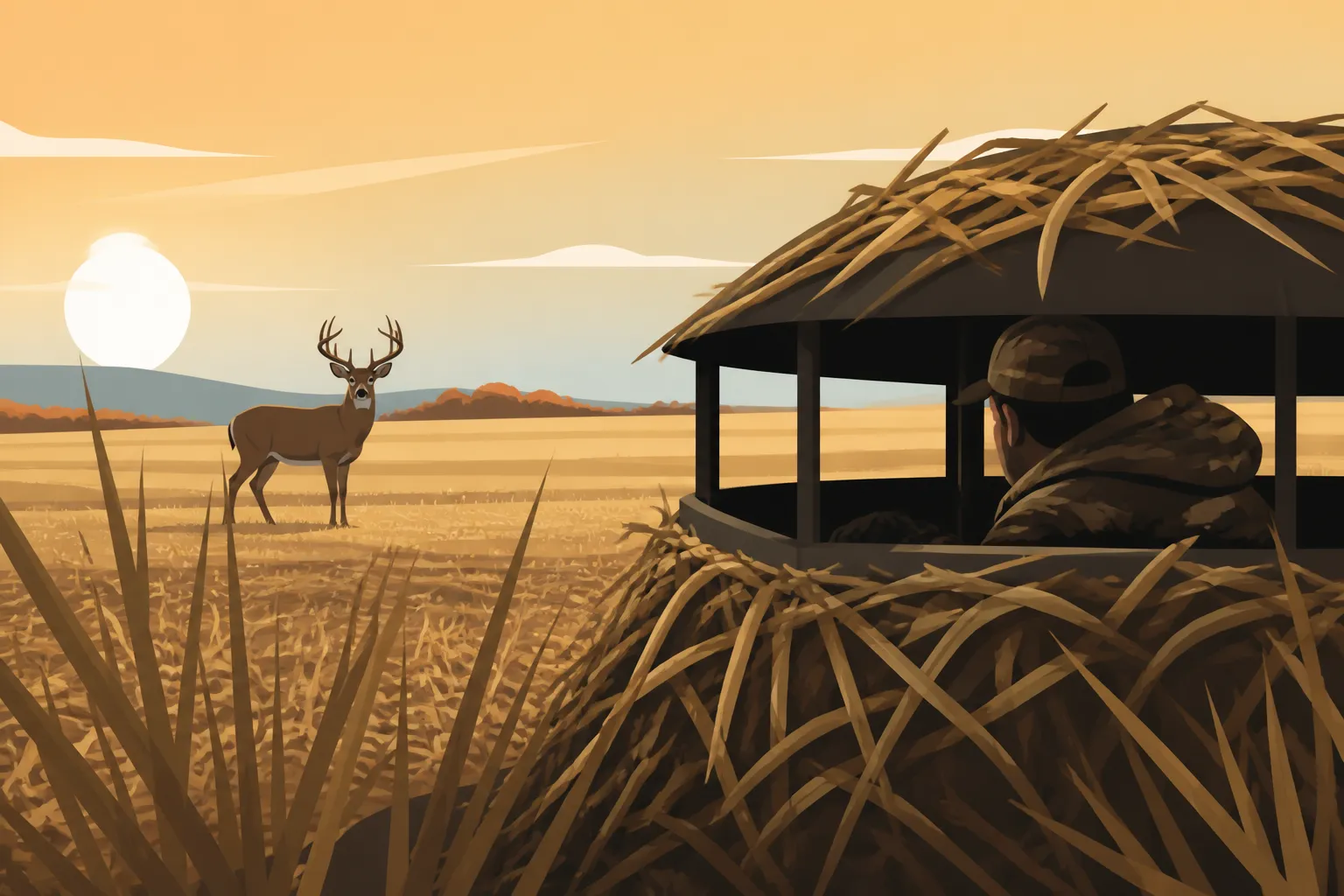
Beyond comfort, the primary advantage of a ground blind is its superior concealment. A well-brushed-in blind becomes an extension of the natural environment, allowing you to move subtly, stretch, or even sneak a bite of a sandwich without alarming game. The enclosed space muffles sound and contains movement, giving you a crucial edge over animals known for their keen senses. This level of concealment reduces the pressure to remain absolutely motionless, which means you can stay focused and comfortable for much longer periods, increasing your odds of success. It also allows you to bring along more creature comforts like a thermos of coffee, a portable heater on a frosty morning, or even a good book for the lulls.
Setting Up Your Ground Blind for Success
Getting a ground blind right isn't just about throwing it up and hoping for the best. It's a strategic process that involves careful planning, understanding your target animal, and meticulous attention to detail. A poorly placed or prepared blind can be worse than no blind at all, alerting game to your presence before you even have a chance.
Location, Location, Location: Picking the Right Spot
The old adage rings true in hunting, perhaps more than anywhere else: location is everything. When you're sitting a bait from a ground blind, your choice of where to place that blind and the bait site itself is paramount. Start by scouting the area thoroughly. Look for signs of activity: tracks, scat, rub lines, and natural travel corridors. For bear baiting, you'll want to place your bait in a relatively secluded spot where bears feel secure, yet still within an area of active bear movement, often near dense cover or water sources. Consider access points for servicing the bait and for your own entry and exit from the blind, aiming to minimize disturbance.
Crucially, you must account for wind direction. No amount of scent control can completely overcome a poor wind. Always position your blind so that the prevailing winds carry your scent away from the bait or approach lanes. This might mean having multiple blind locations for different wind conditions or choosing a spot that naturally funnels the wind past your setup. Digital scouting tools, like those you might find through resources similar to GoHunt, can be incredibly helpful for identifying terrain features, potential travel corridors, and even historical wind patterns that can inform your decision. Don't forget to blend your blind into the natural surroundings. Use existing cover like thick brush, fallen logs, or the edge of a timber stand to break up its outline. Sometimes, Reading Sign After Fresh Saskatchewan Snow can give you a real advantage in pinpointing active areas.
Scent Control and Stealth Around the Blind
Even with the best blind placement, a careless approach can ruin your hunt. Scent control is absolutely non-negotiable, especially when targeting animals with an exceptional sense of smell like bears. This starts long before you even leave your vehicle. Shower with scent-free soaps, wash your hunting clothes in scent-eliminating detergents, and store them in airtight containers. Dress at your hunting location to avoid picking up car or household odors. When you approach your blind, walk slowly and quietly, sticking to established paths or areas that minimize disturbance. Avoid breaking branches or kicking rocks.
Once at the blind, handle your equipment with clean hands and avoid touching anything unnecessarily. If you've been baiting, be mindful of residual scent on your clothes and boots. Some hunters even bring a fresh pair of "blind only" boots to change into just before entering. The goal is to leave as little trace of human presence as possible, allowing animals to approach the bait with confidence. It's a discipline, but one that consistently pays off. For more on setting up a successful bait site, consider checking out articles like Setting a Bear Bait Site in Saskatchewan.
Preparing the Shooting Lanes and Sightlines
The moment a game animal steps into your bait site, things happen fast. You need a clear, unobstructed view and a clean shooting lane. Before the season, or well in advance of your hunt, take the time to prepare the area around your blind. This means clearing any branches, tall grass, or brush that could impede your shot or obscure your view of the animal. Think about the distances involved – for archery, you'll want clear lanes out to your maximum ethical range, typically 20-40 yards. For rifle hunters, you might be looking at slightly longer ranges, but clarity is still key.
Walk around your blind and look out of each shooting window or port, identifying potential obstacles from all angles. Practice shouldering your weapon and mimicking a shot to confirm nothing is in the way. Also, consider the sun's position throughout the day. You don't want to be staring directly into the rising or setting sun when a magnificent animal appears. Position your blind to minimize glare and ensure optimal visibility during peak animal activity times, which are often dawn and dusk. This foresight ensures that when the opportunity arises, you're not fumbling with an obstruction but are ready to make a clean, ethical shot.
Strategies for Effective Baiting and Waiting
Once your ground blind is set and ready, the real work (and fun!) begins. Baiting isn't a "set it and forget it" operation; it requires commitment, consistency, and a keen understanding of animal behavior. Your success will hinge on how effectively you manage your bait site and how patiently you embrace the waiting game.
Consistent Baiting Schedules and Attractive Offerings
Consistency is the absolute bedrock of a successful baiting program. Animals, especially bears, are creatures of habit. They will learn your baiting schedule and adjust their visits accordingly. Try to replenish your bait at roughly the same time of day, every two to three days. This pattern builds confidence in the animals, making them more likely to visit during daylight hours when you're most likely to be in your blind.
When it comes to the bait itself, variety and richness are key for bears. Sweets like stale donuts, pastries, and molasses-soaked grains are highly attractive. Meat scraps, fish, and even dog food can add crucial protein and fat content that bears seek out, especially during the spring when they are replenishing their reserves. Always secure your bait to a tree or heavy log to prevent animals from hauling it away. Some hunters like to create a "scent trail" leading to the bait with strong-smelling attractants like anise oil or bacon grease to draw in new visitors. Exploring resources about Baiting Black Bear in Saskatchewan will provide more specific details on what's legal and effective in the province.
Patience and Persistence: The Hunter's Virtues
Let's be real: hunting from a blind, even over bait, often means long hours of waiting. Saskatchewan's wilderness doesn't just hand out trophies. Patience isn't just a virtue; it's a necessity. You might sit for an entire day, or even several days, without seeing your target animal. This is normal. Bears might be active at night, or they might simply be visiting the bait when you're not there. Don't get discouraged.
Persistence is what separates successful hunters from those who pack it in too early. Mentally prepare yourself for these long sits. Bring distractions that won't make noise – a book, a journal, or just embrace the quiet solitude of nature. Focus on scanning the area, listening for subtle sounds, and being ready the moment something approaches. Remember, the biggest animals are often the most cautious. They may circle, approach from unexpected angles, or wait until they feel absolutely safe. Your ability to remain still, quiet, and ready is paramount. Truly, mastering the art of Sitting All Day in a Saskatchewan Blind can be a game-changer.
Adapting to Conditions and Animal Behavior
The woods are a dynamic environment, and successful hunters are those who can adapt. Animal behavior isn't static; it changes with weather patterns, food availability, and hunting pressure. A sudden cold snap might push bears to feed more intensely to put on fat, while a warm spell might make them more nocturnal. Observe patterns in bait consumption – are they hitting it hard every night, or are there lulls? Are new tracks appearing, indicating a new animal on the scene?
If you notice animals are wary, or if they're only visiting at night, consider adjusting your strategy. This might mean moving your blind slightly for better concealment, increasing the "loudness" of your scent attractants, or even taking a break from the bait for a day or two to let things settle down. For spring bear hunting, for example, their behavior and feeding needs are different than in the fall. Understanding these nuances, possibly through resources like Spring Bear Hunting Saskatchewan's Cutlines, will empower you to make informed decisions that increase your chances. Out of season, platforms like BookYourHunt can be great for scouting and finding reputable outfitters who understand these local nuances and offer guided hunts that leverage these very strategies.
Gear and Essentials for Your Ground Blind Hunt
A comfortable and effective ground blind hunt relies heavily on having the right gear. From the blind itself to your personal items, thoughtful preparation ensures you can endure long hours in the field and remain ready for action when opportunity knocks.
Blind Features and Setup Considerations
Choosing the right ground blind depends on your specific needs, the terrain, and how often you plan to move it. Pop-up blinds are lightweight, portable, and quick to set up, making them ideal for scouting new locations or short-duration hunts. Hub-style blinds offer more interior space, greater stability against wind, and often better window configurations, making them a popular choice for longer sits or when hunting with a partner. Permanent blinds, constructed from wood or other durable materials, offer the most comfort and weather protection, but they require significant effort to build and are, of course, not portable.
Here's a quick comparison:
| Blind Type | Pros | Cons | Ideal Use Case |
|---|---|---|---|
| Pop-Up | Lightweight, very portable, very quick setup | Less stable, smaller interior, can be noisy in strong winds | Scout and move, temporary sits, fair weather, archery |
| Hub-Style | Roomier, more stable, decent portability, more windows | Heavier than pop-ups, still temporary | Extended sits, moderate weather, two hunters, rifle or bow |
| Permanent | Most comfortable, secure, weather-proof, silent | Not portable, requires significant effort to build | Dedicated bait sites, long seasons, extreme weather |
Regardless of the type, look for features like silent window closures, durable fabric, good camouflage patterns that blend with local vegetation (think browns and greens for Saskatchewan's bush), and enough interior space to comfortably operate your weapon. Before your hunt, set up your blind at home to familiarize yourself with its assembly and ensure all components are working correctly.
Clothing, Comfort, and Technology
Staying comfortable is crucial for prolonged sits, especially given Saskatchewan's often unpredictable weather. Layering is your best friend. Even in spring bear season, mornings can be surprisingly chilly, and you might experience warm afternoons followed by cool evenings. Start with a moisture-wicking base layer, add insulating layers like fleece or wool, and top with a waterproof and windproof outer shell. Bring a warm hat, gloves, and insulated boots that are quiet for moving within the blind. For those truly cold November sits, consider heated vests or hand warmers. Dressing for Saskatchewan's November Cold applies to more than just deer season!
Beyond clothing, think about your personal comfort and necessary tools. A comfortable, quiet chair is paramount. Bring plenty of water and quiet snacks that won't rustle or crunch loudly. Essential gear includes high-quality binoculars for spotting movement, a rangefinder for accurate shot distances, and a reliable headlamp for early morning entries and late evening exits. Don't forget your knife, first-aid kit, and a fully charged cell phone or satellite communication device, especially if you're hunting in remote areas where cell service is spotty. Many outfitters listed on BookYourHunt provide comfortable blind setups as part of their guided bear hunt packages, often including heated options, which can be a huge bonus. Always ensure your gear is organized and easily accessible within the blind, minimizing movement and noise when the action starts.
This article is for general informational purposes only and does not constitute professional advice. Laws, prices and regulations vary by location and change over time. Consult a qualified professional for guidance on your specific situation.