Success Rates on Saskatchewan Whitetail Hunts
One of the most common questions on any hunter's mind, especially when planning a significant trip to a renowned destination like Saskatchewan, is "What are the success rates?" It's a natural concern; you invest time, money, and emotional energy into a hunt, and you want to know your chances of success. But the truth is, the term "success rate" can be incredibly nuanced and often misunderstood, leading to a lot of frustration if you don't dig deeper than the surface number. This guide is here to help you unravel what those numbers truly mean for a Saskatchewan whitetail hunt, how to interpret them realistically, and what you can do to maximize your own chances.
Understanding "Success Rates" Beyond the Numbers
When an outfitter talks about a "success rate," it can mean a lot of different things, and it’s critical for you as a hunter to understand these distinctions. Not all outfitters define success the same way, and a high percentage doesn't always tell the full story of your potential experience. Don't just look at the big number; ask what it represents.
Kill Rate Versus Opportunity Rate
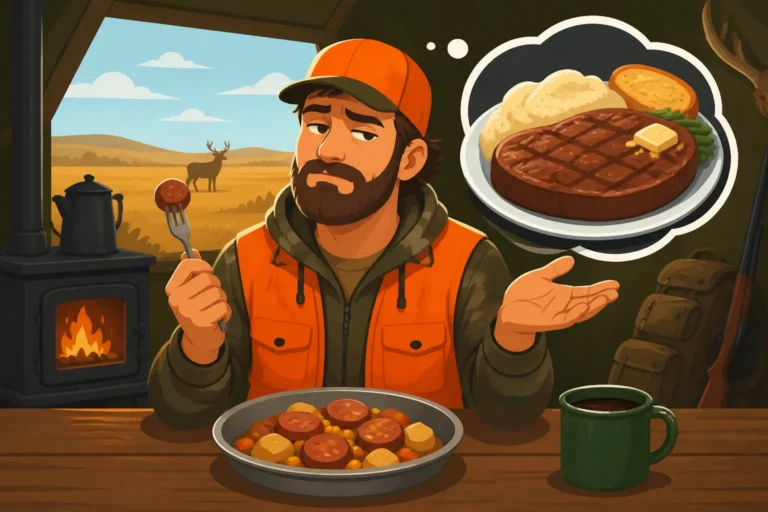
This is perhaps the biggest distinction you'll encounter. A "kill rate" or "harvest rate" refers to the percentage of hunters who actually harvest an animal. If an outfitter says they have a 90% success rate, and that means 9 out of 10 hunters killed a whitetail, that sounds pretty impressive on paper.
However, many outfitters, perhaps most, prefer to report an "opportunity rate." This means the percentage of hunters who had a reasonable shot opportunity at their target animal, regardless of whether they pulled the trigger or made a clean kill. For instance, an outfitter might claim a 100% opportunity rate if every hunter saw a shooter buck and had a chance to take a shot, even if some missed, passed, or couldn't close the deal. The reality is, an opportunity rate can still be very valuable information, as it speaks to the abundance of game and the outfitter's ability to put you in front of animals. But you have to be clear which metric you’re looking at. Always ask for clarification: "When you say 'success rate,' do you mean actual animals harvested, or opportunities to harvest?" This small question can drastically change your expectations.
Defining "Trophy" or "Shooter" Bucks
Another layer of complexity comes with what constitutes a "trophy" or "shooter" animal. What one hunter considers a mature, wall-hanger buck, another might pass up hoping for something larger. Some outfitters might include any legal buck in their success rates, while others might only count those that meet a certain age class or antler score. Imagine a scenario where you're specifically hunting for a 150-inch-plus whitetail, but the outfitter's 90% success rate includes 120-inch 8-pointers that their other clients were happy to shoot. You might leave disappointed even though, by their metric, the hunt was a "success."
A good outfitter will be upfront about their general buck quality and what kind of deer they typically harvest. They might even have a minimum score policy (often referred to as a "management fee" if you shoot below it) to help manage herd quality. This is where your personal expectations need to align with the outfitter's program. If you're looking for a giant, make sure the outfitter consistently produces them and that their reported success rates reflect that caliber of animal. It's not about being picky, it's about being informed.
Factors Influencing Your Personal Success
While an outfitter's general success rate gives you a baseline, your personal success on a Saskatchewan whitetail hunt depends heavily on a multitude of factors, many of which are within your control. It’s never just about the outfitter; it’s about you, the conditions, and a little bit of luck.
Your Skills and Experience
Let's be honest, hunter skill is paramount. Are you proficient with your weapon of choice? Can you consistently make ethical shots at various distances, under pressure, and in potentially challenging weather conditions? Have you practiced shooting from different positions that mimic actual hunting scenarios, like from a treestand or a ground blind? An outfitter can put you on a monster buck, but if you can't seal the deal, that's not on them.
This includes physical conditioning. A November Saskatchewan hunt can be physically demanding, especially if you're Hunting the December Late Season Cold or spending Sitting All Day in a Saskatchewan Blind. Can you handle long hours in cold temperatures, climb into a stand quietly, or stalk effectively if the situation calls for it? Be realistic about your own abilities. If you're unsure, spend time at the range and in the gym before your trip. Practicing Before a Guided Deer Hunt is not just a suggestion, it's a necessity.
Weather and Environmental Conditions
Saskatchewan weather is famously unpredictable and can drastically impact whitetail movement and, consequently, hunting success. A sudden warm spell in November can put the brakes on rut activity, making bucks nocturnal. Heavy snow can concentrate deer, but also make them less active during daylight hours. High winds can make scent control and shot placement more challenging.
Outfitters do their best to adapt to conditions, but they can't control the weather. A phenomenal outfitter might have a "down year" simply because the weather didn't cooperate. Conversely, an average outfitter might see a spike in success during a perfectly timed cold front and rut peak. When researching, ask about typical weather patterns for your chosen hunt dates and how they adapt. Tools like GoHunt can help you understand historical weather trends for specific areas. The best time to experience the most intense deer activity is often during Hunting the Rut in Early to Mid November or specifically Hunting Saskatchewan's November Rut, but even then, Mother Nature has the final say.
Ethical Considerations and Shot Selection
Sometimes, "success" isn't about harvesting any animal, but about harvesting the right animal with an ethical shot. Many outfitters operate under strict ethical guidelines, discouraging hurried shots, poor angles, or taking a chance on a marginal buck when a better one might be around the corner. If you shoot a buck that is wounded and lost, most outfitters will count that as a harvested animal, and your hunt will be over.
This ties back to your personal definition of success. Are you willing to pass on a smaller buck on day one to hold out for a truly giant Why Saskatchewan Bucks Grow So Large? Are you disciplined enough to wait for the perfect shot, even if it means going home empty-handed? These decisions impact not only your personal success but also the overall reputation of the hunt and the outfitter's game management efforts. Having a clear understanding of the outfitter's policies on shot selection and wounded game is crucial.
Evaluating Outfitter Claims and Managing Expectations
It's easy to get caught up in impressive numbers, but a healthy dose of skepticism and thorough research will serve you well when evaluating outfitters and their reported success rates.
Researching Outfitter Reputation and Reviews
Don't rely solely on the outfitter's own website for success rates. Look for independent reviews, testimonials, and reports from past clients. Online forums, hunting communities, and platforms like BookYourHunt can be excellent resources. Pay attention not just to if hunters harvested an animal, but also to the overall experience: Were the guides knowledgeable? Was the camp comfortable? Did the outfitter deliver on their promises? Sometimes a slightly lower success rate from an outfitter with stellar reviews about the experience, professionalism, and ethical practices is a better bet than a higher rate from one with questionable feedback.
When Reading Outfitter Reviews Honestly, look for patterns. Is it one disgruntled hunter, or multiple people mentioning similar issues? Did the outfitter respond professionally to criticism? Also, remember that a review saying "I saw lots of deer" is different from "I shot a giant." Try to find details that align with your personal hunting goals.
Asking the Right Questions
Before booking, have a detailed conversation with the outfitter. Beyond asking about kill versus opportunity rates, delve into specifics:
- "What's the average size of bucks harvested in your camp?"
- "What's your success rate specifically for hunters looking for bucks over X inches?"
- "How many days on average does it take for a hunter to fill their tag?"
- "What happens if I wound an animal but don't recover it?"
- "What's your plan if the weather turns severely bad?"
- "Can you put me in touch with past clients who hunted during my desired timeframe?"
A reputable outfitter will be transparent and happy to answer these questions, even if the answers aren't always what you want to hear. Be wary of anyone who deflects or gives vague responses. They should be able to articulate What a Saskatchewan Guided Whitetail Hunt Costs and what that price includes, leaving no room for surprise. You should also verify that the outfitter is properly licensed and bonded; Checking a Saskatchewan Outfitter Licence is a crucial step.
Realistic Expectations
Ultimately, hunting is hunting, not shopping. There's no guarantee when dealing with wild animals. Even with the best outfitter in a target-rich environment like Saskatchewan's Hunting the Forest Fringe for Big Bucks, there are variables beyond anyone's control. A true measure of a successful hunt often extends beyond just punching a tag. It's about the adventure, the camaraderie, the time spent in nature, and the challenge.
While aiming for a trophy is fantastic, go into your hunt with a realistic mindset. Be prepared for early mornings, late nights, cold weather, and potentially long hours in a stand without seeing the "right" deer. If you view the experience as a whole, rather than solely fixating on the kill, you're far more likely to come home feeling successful, regardless of what's in the cooler. Outfitters provide a service, but they can't create deer, nor can they guarantee you will pull the trigger on a specific animal. Saskatchewan Outfitters Who Guarantee Nothing are often the most honest and reputable.
Maximizing Your Chances on a Saskatchewan Whitetail Hunt
Even with all the variables, there are definitive steps you can take to increase your personal success rate on a Saskatchewan whitetail hunt.
Choosing the Right Timing
Timing is everything, especially for whitetails. The Saskatchewan rut can be phenomenal, and many hunters specifically book their trips to coincide with these peak breeding periods, often focusing on Best Weeks to Book a Saskatchewan Rut Hunt. During the rut, bucks are actively seeking does, often moving more during daylight hours and exhibiting more predictable (and sometimes less cautious) behavior.
However, hunting during the pre-rut or even the late season can also be highly productive, albeit for different reasons. Pre-rut often means bucks are on predictable patterns, while the late season can concentrate deer around food sources due to cold weather. Research specific dates and ask outfitters which weeks they recommend for your desired hunting style and trophy goals.
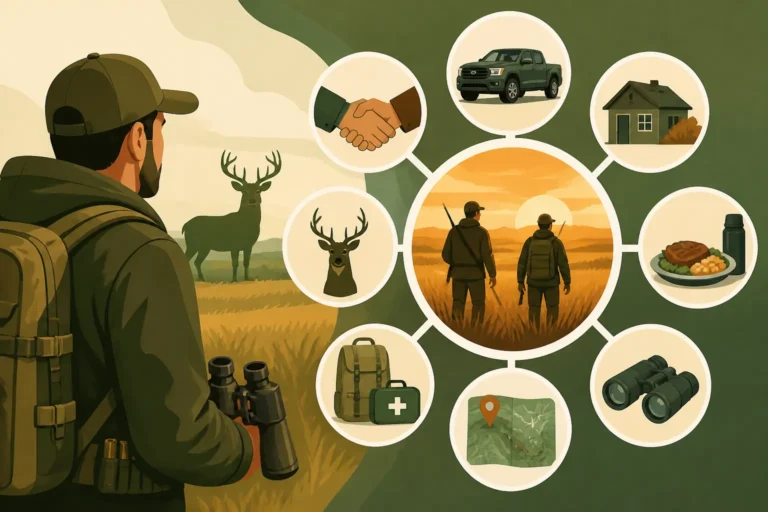
| Factor | Description | Impact on Success |
|---|---|---|
| Hunter Skill | Marksmanship, patience, physical fitness, woodsmanship. | High: Directly impacts ability to capitalize on opportunities. |
| Outfitter Quality | Scouting, stand placement, game management, guide knowledge. | High: Creates the opportunities. |
| Weather | Temperature, wind, snow, rain during the hunt. | Medium to High: Influences deer movement significantly. |
| Rut Phase | Timing relative to peak breeding activity. | High: Peak rut generally increases buck visibility. |
| Pressure | Number of hunters, public land vs. private, nearby activity. | Medium: Too much pressure can make deer nocturnal. |
| Personal Expectations | Defining what "success" means to you. | Very High: Shapes your overall satisfaction with the hunt. |
Thorough Physical and Shooting Preparation
We touched on this earlier, but it bears repeating: don't underestimate the physical demands or the need for sharp shooting skills. Before you even pack your bags, ensure you are physically capable of enduring the conditions you might face. Can you walk several miles a day? Can you sit still for hours in freezing temperatures?
Equally important is your shooting proficiency. Legal Rifle Calibres for Big Game in Saskatchewan range widely, but regardless of your choice, spend ample time at the range. Practice from cold, awkward positions. Simulate shots at distances you expect to encounter. If you're bowhunting, practice with your hunting broadheads and ensure your setup is tuned perfectly. A clean, ethical kill is the goal, and that comes from preparation. Your outfitter might expect you to shoot a decent distance, so practice accordingly; understand the typical Shooting Distances on a Saskatchewan Hunt.
Clear Communication with Your Guide
Once you're in camp, your guide is your most valuable asset. Communicate openly and honestly with them. Tell them your specific goals: are you holding out for a giant, or would you be happy with a solid, mature buck? Are you comfortable sitting all day, or do you need more frequent breaks? Let them know your limitations and preferences.
They are there to help you succeed, and the more information they have, the better they can tailor the hunt to you. Trust their judgment on stand placement, deer movement, and what they're seeing in the bush. Often, local knowledge from someone who spends months Scouting a Saskatchewan Wildlife Management Zone or knows a particular Hunting a Saskatchewan Bush Bluff like the back of their hand is invaluable. An open dialogue can make or break your hunting experience.
Adhering to Rules and Regulations
Finally, ensure you are completely familiar with all Saskatchewan hunting regulations. This includes understanding your specific licence (e.g., Saskatchewan Resident Licence Options), tag validation rules, CWD testing requirements in certain zones (Saskatchewan's CWD Testing Rules), and legal hunting methods. Your outfitter will provide guidance, but ultimately, it's your responsibility to know and follow the law. Having your Saskatchewan Hunter Education Requirements in order and understanding how to Setting Up a Saskatchewan HAL Account are basic but essential steps. Adhering to rules shows respect for the game, the land, and the sport itself, contributing to a more successful and ethical experience for everyone.
Disclaimer
This article is for general informational purposes only and does not constitute professional advice. Laws, prices and regulations vary by location and change over time. Consult a qualified professional for guidance on your specific situation.