Practicing Before a Guided Deer Hunt
The anticipation leading up to a guided deer hunt in Saskatchewan is truly something special. You’ve likely invested a significant amount of time, hard-earned money, and emotional energy into planning this adventure, and the last thing you want is to arrive unprepared. The pressure to make that critical shot when a trophy buck steps out can be immense, and it’s a frustration many hunters share. This guide is all about helping you overcome that anxiety by providing comprehensive advice on how to practice effectively, ensuring you're confident and ready when your moment of truth arrives in the Saskatchewan wilderness.
Why Practice is Non-Negotiable for a Guided Hunt
Let's be honest, a guided hunt, especially for big game like the whitetails and mule deer that call Saskatchewan home, is a serious investment. It’s not just about the cost of the trip; it’s about the time you've taken off work, the dreams you've nurtured, and the opportunity of a lifetime that you’ve waited for. To leave success to chance by not putting in the necessary practice beforehand is a disservice to yourself, your outfitter, and most importantly, the animal you're pursuing.
Respecting the Investment and the Animal
Think about it: you're paying an outfitter for their expertise, their land access, their equipment, and their knowledge of Why Saskatchewan Bucks Grow So Large or Where Saskatchewan's Biggest Mule Deer Live. They've put in countless hours scouting and preparing. When you arrive, they expect you to be proficient with your weapon. A missed shot isn't just a missed opportunity for you; it reflects on their operation, and it can result in a wounded animal, which no ethical hunter ever wants. This isn't just about hitting a target; it's about making a clean, ethical harvest when the opportunity arises, ensuring a quick and humane end for the animal.
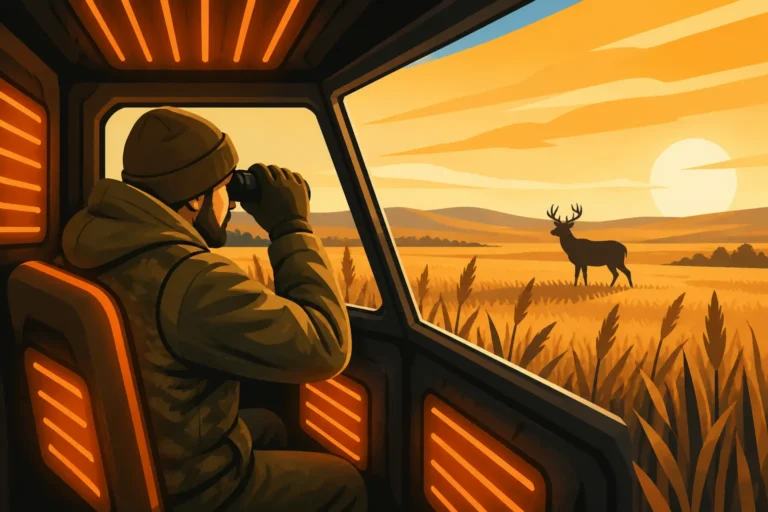
Imagine you've been sitting in a heated blind all day in late November, battling the cold that makes you question your life choices, when finally, a magnificent Saskatchewan whitetail steps out. Your heart is pounding, adrenaline is coursing through you. If you haven't practiced consistently from various positions and under different conditions, that moment of intense excitement can quickly lead to a bad shot. Regular, focused practice builds muscle memory and mental resilience, so that when "buck fever" hits, your body can still execute the shot effectively.
Building Confidence for When it Matters Most
The mental game in hunting is as crucial as the physical one. If you're constantly second-guessing your shot placement or worrying about flinching, that mental baggage will weigh you down. A guided hunt is supposed to be an enjoyable, challenging experience, not a source of constant self-doubt. By diligently practicing, you build a deep-seated confidence in your abilities. This isn't arrogance; it's a calm assurance that you've done everything in your power to prepare. That confidence allows you to focus on the moment, to observe the animal, and to execute a thoughtful, precise shot.
This confidence also extends to your relationship with your guide. They can tell almost immediately if a hunter is comfortable and competent with their firearm or bow. When they see you're prepared, it builds trust and allows them to focus on guiding you to the best possible opportunity, rather than worrying about your shooting capabilities. You want them to be thinking about wind direction and deer movement, not whether you can hit a broadside target at 50 yards. Platforms like BookYourHunt often detail the typical shot distances and scenarios an outfitter expects, giving you a clearer picture of what to prepare for.
Key Areas of Practice: Sharpening Your Skills
Practice isn't just about sending arrows or bullets downrange. It's about developing a comprehensive skill set that prepares you for the unpredictable nature of hunting. This means going beyond the bench rest and truly simulating real-world scenarios.
Mastering Your Weapon and Ammunition
Whether you're bringing a rifle or a bow, absolute familiarity with your equipment is paramount. For rifle hunters, this means knowing your rifle inside and out. Are you comfortable with the trigger pull? Have you tried different brands or bullet weights of ammunition to see what your rifle truly prefers? A slight adjustment in ammunition can sometimes make a significant difference in accuracy. You need to zero your rifle properly and then confirm that zero at various distances, not just 100 yards. Practice shooting at 50, 100, 150, and 200 yards, especially if your outfitter mentions longer shots. Understand your bullet's trajectory at these distances. Check out articles like Legal Rifle Calibres for Big Game for specifics on what's allowed.
Bowhunters face an even more intimate challenge. You need to know your bow's draw cycle, anchor points, and peep sight alignment like the back of your hand. Practice drawing smoothly and silently, especially from a seated position, which is common in many Sitting All Day in a Saskatchewan Blind scenarios. Consistency is key with archery; every shot should feel the same. This includes practicing with the broadheads you intend to hunt with, as they can fly differently than field points. Familiarize yourself with Bow Draw Weight Rules in Saskatchewan to ensure your setup is legal and effective.
Varied Shooting Positions and Scenarios
Hunting rarely offers a perfect, rested bench shot. Deer move, terrain varies, and opportunities often arise quickly and unexpectedly. Therefore, your practice routine needs to reflect this reality.
- Off-hand (Standing): While not ideal for precision, sometimes it's the only shot you get. Practice quick target acquisition from a standing position.
- Kneeling/Sitting: These are incredibly common positions, especially when hunting from a blind or a ground setup. Practice getting into these positions quickly and stably, using shooting sticks, bipods, or even your pack for support. Many guides will expect you to be proficient in these positions.
- Prone: When terrain allows and you have time, prone is often the most stable position. Practice deploying your bipod or using natural rests from a prone position.
- From a tree stand/elevated position: If your hunt involves a tree stand, practice shooting from an elevated vantage point, understanding the angles and how they affect arrow or bullet trajectory. This is critical for ethical shot placement.
- Through brush: While you never want to intentionally shoot through heavy brush, light obstructions are a reality. Understand how even a small twig can deflect a bullet or arrow. Practice identifying clear lanes of fire.
Range Estimation and Gear Familiarity
Knowing the distance to your target is crucial for accurate shot placement. Practice using a rangefinder consistently. Don't just range a static target; practice ranging multiple objects at varying distances quickly and efficiently. Time is often of the essence. For rifle hunters, this also means knowing your holdovers or dial adjustments for different ranges. For archers, it's about selecting the correct pin in a snap.
Furthermore, get intimately familiar with all your hunting gear. Can you operate your scope's magnification and parallax adjustments smoothly with cold fingers? Can you draw an arrow from your quiver silently? Can you load your rifle quickly and safely? Practice putting on and taking off layers of clothing, like those you’d wear for Dressing for Saskatchewan's November Cold, and then taking a shot. Every piece of equipment should feel like an extension of yourself.
Mental Preparation: Beyond the Shot
Hunting is as much a mental game as it is a physical one. Being technically proficient is only part of the equation; preparing your mind for the intensity of the moment can be the real differentiator.
Simulating Hunting Scenarios
One of the best ways to prepare mentally is to simulate hunting scenarios. This isn't just about shooting targets; it's about creating the conditions that evoke the stress and excitement of a live hunt.
- Cold bore shots: The first shot from a cold barrel often flies differently than subsequent shots. Practice taking that "first shot" as if it were your only opportunity. Clean your rifle, let it sit, then take one shot as precisely as possible. This mimics the first shot you'll likely take on an actual hunt.
- Time pressure: Set a timer. Can you acquire your target, range it, get into a stable shooting position, and make an ethical shot within 10-15 seconds? This might seem fast, but a trophy animal won't wait around for you to get comfortable.
- Elevated heart rate: Go for a brisk walk or do some jumping jacks before stepping up to the shooting line. This simulates the elevated heart rate you'll experience when a big buck suddenly appears. Can you still control your breathing and make a steady shot? This kind of practice is invaluable for managing "buck fever."
- Obstacles and limitations: Practice shooting from awkward positions, through small gaps, or with limited visibility, as you might encounter when Hunting a Saskatchewan Bush Bluff or Hunting a Willow Run for Whitetails. These real-world challenges force you to think under pressure and find creative solutions for stable shooting.
Managing Buck Fever and Visualization
"Buck fever" is a real phenomenon, an overwhelming rush of adrenaline that can cause shaking, tunnel vision, and poor decision-making. The best way to combat it is through exposure and mental conditioning. Visualization is a powerful tool here. Spend time imagining the entire hunting scenario: the approach, the waiting, the animal appearing, the calm breath, the steady aim, the perfect shot. Play it out in your mind, focusing on controlled actions rather than frantic reactions. The more you visualize success, the more prepared your mind will be to execute it.
It’s also crucial to accept that sometimes things don’t go perfectly. A missed shot or a difficult recovery is part of hunting. Discuss with your outfitter what their procedures are for tracking wounded game. It’s important to understand that even with the best practice, an animal can move at the last second or an unseen branch can deflect a shot. A guided hunt also means you're part of a team, and open communication with your guide about your comfort levels and any anxieties you have can go a long way. This is particularly relevant when considering What a Guide Does When Someone Gets Hurt or if a shot goes awry; having that dialogue beforehand is critical.
Pre-Hunt Checklist and Gear Familiarity
Before you even step foot in Saskatchewan, having a meticulous checklist for your gear and understanding expectations will reduce stress and ensure you have everything you need.
Your Essential Pre-Hunt Practice Checklist
A guided hunt means a lot of trust is placed in you to be ready. This checklist helps ensure you've covered all the bases.
| Practice Area | Rifle Hunter Focus | Bow Hunter Focus | Frequency |
|---|---|---|---|
| Weapon Zero/Tuning | Confirm zero at 50, 100, 150, 200 yards | Check paper tune, broadhead flight with field points | Weekly |
| Ammunition Selection | Test various brands/bullet weights | Test broadheads for flight consistency | Once, then confirm |
| Shooting Positions | Practice standing, kneeling, sitting, prone, elevated | Practice standing, kneeling, sitting, elevated, drawing from seated | Multiple times/week |
| Range Estimation | Range objects quickly, practice holdovers/dials | Use rangefinder, practice pin selection | Daily drill |
| Cold Bore Shots | Clean rifle, let sit, one shot exercise | First shot of the day practice | Weekly |
| Heart Rate Simulation | Light exercise before shooting | Light exercise before shooting | Once/week |
| Gear Familiarity | Operate scope, bipod, sling with gloves | Operate quiver, release, rangefinder silently | Regularly |
| Clothing Practice | Shoot with hunting layers on | Shoot with hunting layers on | Monthly |
| Mental Visualization | Imagine full hunt scenario, shot execution | Imagine full hunt scenario, shot execution | Daily |
| Equipment Check | Inspect rifle, scope, mounts | Inspect bow, strings, cams, accessories | Before & After Each Session |
Understanding Guide Expectations and Ethical Shots
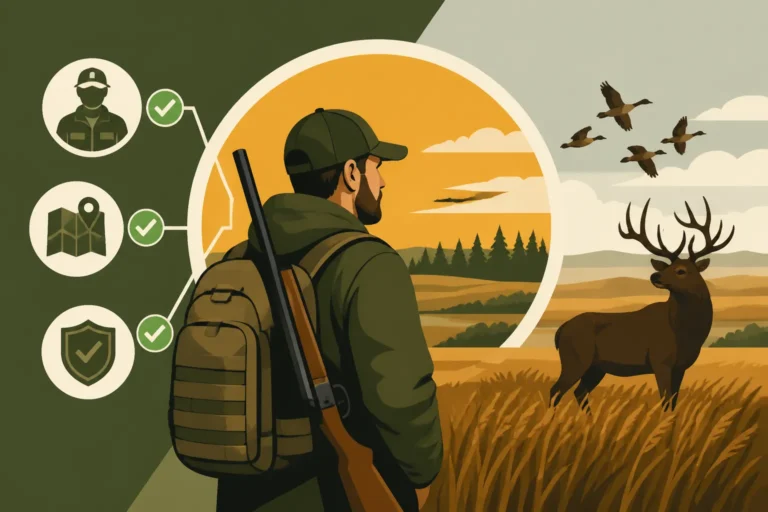
Outfitters in Saskatchewan are usually keen to confirm your proficiency when you arrive. They might take you to a range for a few confirmation shots before heading out. Don't be offended by this; it's for everyone's safety and to ensure an ethical hunt. They are gauging your capabilities to guide you to shots within your comfort zone. If they notice you struggle with longer distances, they’ll know to position you for closer opportunities.
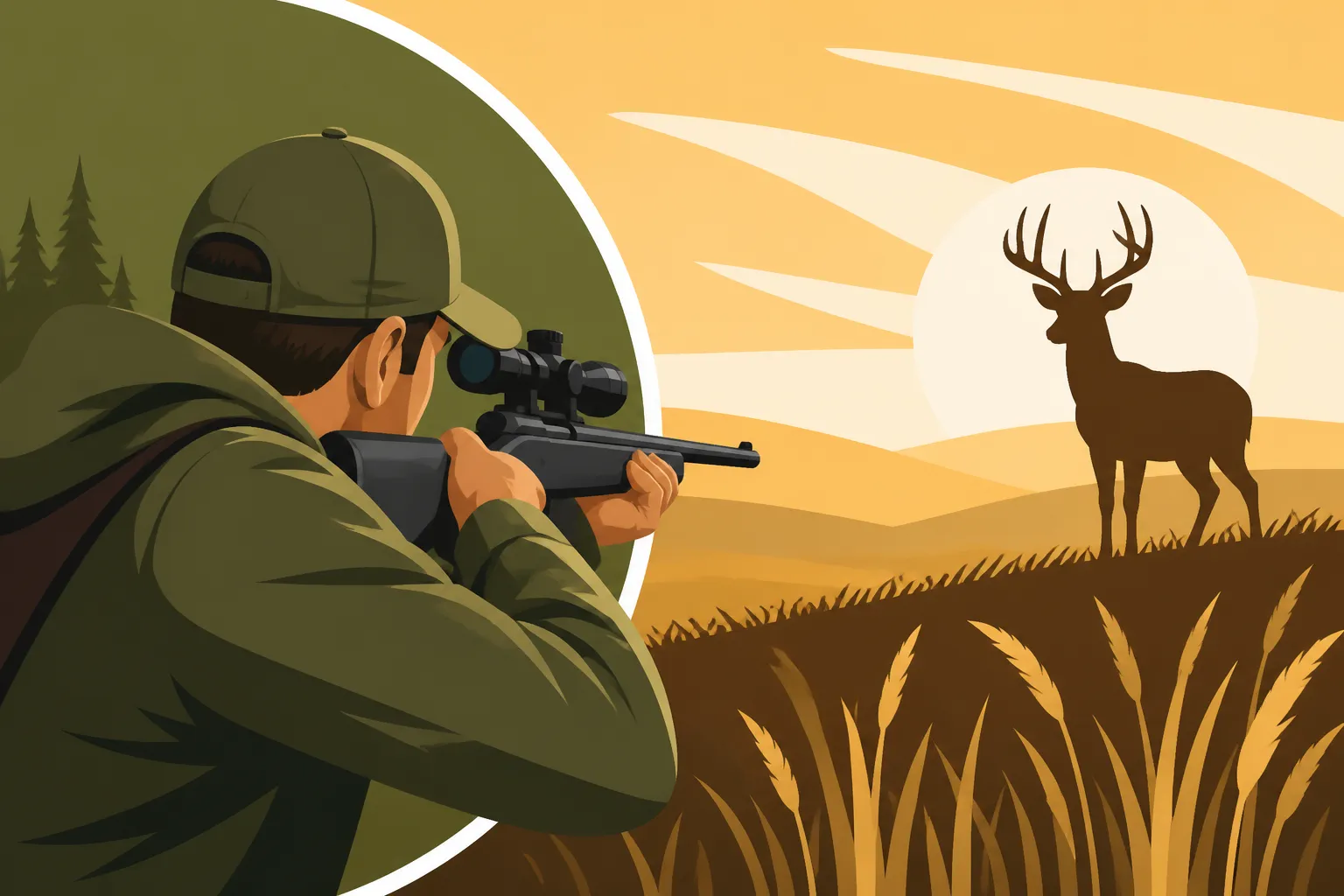
An ethical shot is always a clean shot to the vital organs, ensuring a quick and humane harvest. For deer, this typically means the lung/heart area. Your practice should reinforce these precise shot placements, not just hitting a large target. Use targets with anatomically correct animal outlines to train your eye for where the vitals are. This meticulous preparation is what separates a successful, ethical hunter from someone merely pulling a trigger.
Booking services like BookYourHunt or informational resources like GoHunt can often offer insights into the typical hunting styles, whether it's Spot-and-Stalk Mule Deer in Saskatchewan or more static Hunting Whitetails in Saskatchewan's Forest Fringe, which can then guide your practice towards those specific scenarios. By understanding the environment and the method, you can tailor your practice for optimal readiness.
Disclaimer
This article is for general informational purposes only and does not constitute professional advice. Laws, prices and regulations vary by location and change over time. Consult a qualified professional for guidance on your specific situation.