Saskatchewan Outfitters Who Guarantee Nothing
It's a common dream for hunters heading out on a bucket-list trip: envisioning that perfect animal, perhaps even with the word "guaranteed" lingering in their mind from an advertisement or conversation. But let's be realistic, folks – hunting, especially for big game in a wild place like Saskatchewan, offers no true guarantees. This guide is here to help you understand what you should expect from a reputable outfitter, what's simply not possible, and how to vet an outfitter so you can book a hunt with realistic expectations and maximize your chances for a memorable, successful experience.
The Reality of Hunting Success and "Guarantees" in Saskatchewan
Let's cut right to the chase: no ethical, reputable outfitter in Saskatchewan, or anywhere for that matter, can genuinely guarantee you'll harvest an animal. If you see an outfitter making such a claim, that should immediately raise a red flag. Hunting involves wild animals in their natural habitat, and their presence, behavior, and even survival are influenced by countless factors outside of human control.
Think about it: we're talking about creatures that navigate vast landscapes, contend with weather, find food, avoid predators, and possess an inherent will to survive. A good outfitter will do everything in their power to put you in the best possible position to succeed, but they can't force a whitetail buck to step into your shooting lane, nor can they command a black bear to visit a bait site at a convenient time. Anyone suggesting otherwise is either misunderstanding the nature of hunting or, more concerningly, being deceptive.
Why True Hunting Guarantees Are Impossible
The very essence of hunting lies in its uncertainty. It’s a challenge, a pursuit, and a test of skill, patience, and sometimes, plain old luck. When you're Rifle Hunting Saskatchewan's Whitetail Rut or pursuing a Black Bear Hunting in Saskatchewan, you're engaging with a dynamic ecosystem, not a controlled environment. The unpredictability is precisely what makes success so rewarding.
Consider the variables: weather patterns can shift rapidly, from balmy autumn days to sudden deep freezes, impacting animal movement and feeding habits. Pressure from other hunters, changes in agricultural practices, or even just the moon phase can influence how game animals behave. For instance, a big whitetail buck might be nocturnal for days, only to suddenly become active during daylight hours after a fresh snow. An outfitter can't control the wind, the rain, or whether that record-book moose decides to step out of the dense bush. What they can control is the quality of their scouting, the setup of their stands or blinds, the access they provide to prime hunting areas, and the effort they put into guiding you.
Furthermore, a "guarantee" would imply a complete absence of risk, which is fundamentally at odds with the experience of hunting. It would turn a challenging pursuit into a mere transaction, devaluing the effort, the learning, and the appreciation for the wild that defines ethical hunting.
Understanding Success Rates vs. Guarantees
Instead of guarantees, reputable outfitters will often share their "success rates" or "opportunity rates." These are very different things. A success rate generally refers to the percentage of hunters who harvested an animal, while an opportunity rate indicates the percentage of hunters who had a legitimate shot opportunity at an animal, regardless of whether they harvested it.
For example, an outfitter might boast a 90% opportunity rate on black bears over bait, meaning nine out of ten hunters saw a bear and had a chance to shoot. However, the harvest rate might be closer to 70% because not every hunter connects, or perhaps they pass on smaller bears in pursuit of a true trophy. These numbers, when presented honestly, give you a much more realistic picture of what to expect than any "guarantee."
When you're researching potential outfitters, platforms like BookYourHunt often display reported success rates. It's crucial to look at these with a critical eye. Ask the outfitter how they define their success rates – is it 100% shot opportunity on any animal, or 80% harvest on a trophy animal? The details matter immensely. A high success rate often speaks to the outfitter's deep knowledge of the land, their dedication to scouting, and their experience in reading animal behavior, rather than any magical ability to conjure game.
Ethical Outfitting Practices in Saskatchewan
So, if outfitters can't guarantee a kill, what can they realistically promise, and what should you look for in terms of ethical practice? An ethical outfitter promises a high-quality hunting experience, which includes providing every reasonable advantage for a harvest, but always within the bounds of fair chase and respect for the animal.
They offer expertise, effort, quality equipment, access to prime hunting areas, and a safe, comfortable camp experience. Their reputation is built not on impossible promises, but on consistent effort, transparent communication, and satisfied clients who understand that hunting is an adventure, not a certainty. When considering a hunt, think about what a guided hunt costs and what that fee truly covers beyond just the chance to pull a trigger.
What an Outfitter Can Genuinely Offer
A good Saskatchewan outfitter is like a seasoned guide through a challenging landscape. They bring immense value through:
- Extensive Scouting and Local Knowledge: They spend countless hours before the season scouting, running trail cameras, and understanding current animal movements, food sources, and travel patterns. They know the subtle nuances of Hunting a Saskatchewan Bush Bluff or Hunting a Frozen Slough Crossing.
- Prime Access: Outfitters often have exclusive access to large tracts of private land or carefully managed Crown land allotments where game populations are healthy and hunting pressure is controlled. This significantly increases your chances of encountering game.
- Expert Guidance: Your guide will know the best stands, blinds, and strategies for the current conditions. They'll help you interpret sign, understand animal behavior, and make informed decisions in the field. This could involve knowing exactly When Saskatchewan's Whitetail Rut Peaks or understanding the best time to call coyotes.
- Quality Equipment and Facilities: They provide well-maintained blinds or stands, comfortable camps, good food, and often transportation within the hunting area. Some even offer amenities like cold storage or initial field dressing assistance for your game.
- Safety and Logistics: Outfitters handle the complex logistics of a remote hunt, ensuring your safety in potentially challenging terrain and weather conditions. They also assist with tag validation, evidence of sex requirements, and initial meat care.
- A Memorable Experience: Beyond the harvest, a good outfitter strives to provide an enjoyable and immersive experience in the Saskatchewan wilderness, sharing stories, knowledge, and camaraderie. This is often the true measure of a successful hunt, regardless of whether a trophy hits the ground.
What Constitutes an Unethical "Guarantee"
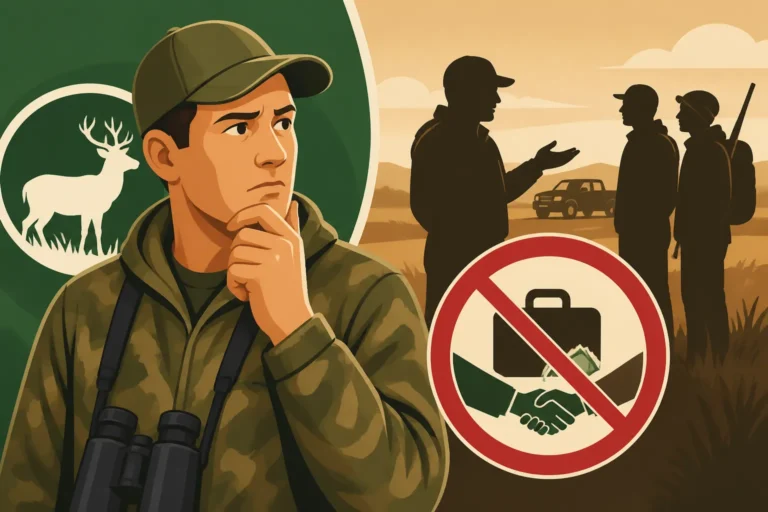
Any outfitter who "guarantees" a kill, or worse, offers a "no-kill, no-pay" policy for big game, is operating in a grey area, if not outright unethically. Such promises often hint at practices that undermine fair chase principles, such as:
- Manipulated Situations: Setting up hunts that are so controlled they border on canned, where the animal has little to no chance to escape.
- Over-pressured or Pen-Raised Animals: While rare in Saskatchewan, some operations elsewhere might use animals that are not truly wild or free-ranging.
- Misleading Advertising: Using carefully worded phrases or photos that imply certainty of success without explicitly stating the lack of a true guarantee.
- Disregard for Regulations: In extreme cases, a desperate outfitter might bend or break hunting laws to fulfill an impossible promise, which could put you, the hunter, in serious legal jeopardy.
It's vital to remember that true ethical hunting respects the animal and the challenge of the pursuit. The reward isn't just the meat or the trophy, but the entire journey.
What to Look for in a Reputable Saskatchewan Outfitter
Choosing the right outfitter is arguably as important as choosing your weapon or your hunting gear. It sets the stage for your entire experience. A reputable outfitter will be transparent, communicative, and prioritize the hunting experience and ethical practices above all else. When you're ready to start your search, perhaps using resources like GoHunt for initial research, keep these points in mind.
Key Questions to Ask Before Booking
When you're speaking with potential outfitters, don't be shy about asking direct and detailed questions. The more information you gather, the more confident you'll be in your choice. Here's a table of important questions:
| Category | Questions to Ask an Outfitter |
|---|---|
| Experience | How long have you been operating in this area? What's your personal guiding experience? |
| Success Rates | What are your typical success and opportunity rates for the species I'm interested in? How do you define "success"? |
| Hunting Area | How much land do you hunt (acres/sections)? Is it private or Crown land? What's the typical terrain? |
| Hunting Style | What kind of hunting methods do you employ (stands, blinds, spot-and-stalk)? What's the typical shot distance? |
| Game Management | What's your philosophy on game management? Do you have trophy size goals? |
| Inclusions | What exactly is included in the price (food, lodging, guide, transportation, trophy prep)? What's not included? |
| References | Can you provide a list of recent references (past 1-2 years)? |
| Licensing | Are you fully licensed and insured in Saskatchewan? |
| Contingency | What happens if weather makes hunting impossible for a day or two? What about lost game? |
Many of these questions align with what's discussed in Questions to Ask Before Booking, emphasizing due diligence. A good outfitter will welcome these questions and answer them thoroughly and honestly. Be wary of vague answers or anyone who tries to rush you into a booking without providing ample detail.
Checking References and Reviews
The best way to gauge an outfitter's reliability is through their past clients. Always ask for a list of recent references and make the calls. When speaking with references, ask specific questions about their experience:
- Was the camp and food as described?
- Was the guide attentive and knowledgeable?
- Were the hunting areas well-prepared?
- Did they feel the outfitter made a genuine effort?
- What was their overall impression of the hunt, regardless of whether they harvested an animal?
- Would they hunt with that outfitter again?
Beyond direct references, check online reviews on platforms like BookYourHunt or dedicated hunting forums. Look for consistent themes, both positive and negative. Be mindful that one bad review might be an anomaly, but several similar complaints could indicate an issue. Conversely, universally glowing reviews without any nuance can sometimes be suspect. Look for authenticity.
Additionally, checking with associations like the Saskatchewan Outfitters Association can sometimes provide valuable insights into an outfitter's standing and reputation. Saskatchewan Outfitter Associations and What They Do often maintain lists of licensed and reputable members.
Understanding the Contract and Terms
Before sending any deposit, thoroughly review the outfitter's contract and terms. This document should clearly outline what's included, what's not, the payment schedule, cancellation policies, and any specific rules or expectations. Pay close attention to clauses regarding lost deposits, what happens in case of an unforeseen event (like extreme weather or personal emergency), and any specific ethical guidelines they expect you to follow.
A clear, comprehensive contract protects both you and the outfitter. If anything in the contract is unclear, ask for clarification in writing before you sign. This diligence is part of Planning a Saskatchewan Hunting Trip and ensuring it goes smoothly.
Setting Realistic Expectations for Your Saskatchewan Hunt
Ultimately, booking a guided hunt with an outfitter who guarantees nothing means you're investing in an experience, not just a kill. It means you're embracing the challenge and the wild beauty of Saskatchewan, knowing that while success is the goal, the journey itself holds immense value.
Embrace the "Hunt"
The most successful hunters understand that the true trophy often lies in the quality of the experience. The anticipation of the rut, the quiet moments in a stand listening to the boreal forest awaken, the camaraderie around a campfire – these are the elements that make a hunt unforgettable. When you're Hunting Whitetails in Saskatchewan's Forest Fringe or glassing for mule deer in prairie coulees, you're immersing yourself in nature, testing your skills, and connecting with something primal.
This perspective is crucial when booking with an outfitter who is transparent about the realities of hunting. They aren't trying to sell you a guaranteed kill; they're offering you the chance to participate in an authentic hunting adventure. Your effort, patience, and positive attitude will significantly impact your enjoyment, regardless of the final outcome.
Your Role in Maximizing Success
While your outfitter provides the groundwork, your preparation and skills are paramount to a successful hunt. This means:
- Physical Preparation: Being in good physical condition for the demands of the hunt.
- Shooting Proficiency: Practicing your shooting skills extensively before the trip to be confident and ethical when an opportunity arises. The outfitter can put you on game, but you have to make the shot. This is why What Saskatchewan Guides Expect You to Shoot is often more about your own capabilities than just arbitrary distances.
- Mental Fortitude: Patience, discipline, and the ability to handle the ups and downs of hunting. Being able to sit still for long hours in a stand, even when the cold bites, can make all the difference.
- Open Communication: Being clear with your guide about your expectations, physical limitations, and what you're looking for in an animal.
- Respect for the Process: Trusting your guide's judgment and following their advice, especially concerning safety and ethical hunting practices.
Outfitters who "guarantee nothing" are usually the ones who guarantee the best opportunity and the most ethical hunting experience possible. They understand that success isn't just measured by antler size, but by the memories made and the challenges overcome. Focus on enjoying the adventure, learning from your guide, and embracing the unpredictable nature of hunting, and you'll find that your Saskatchewan hunt will be an incredible experience, trophy or not.
Disclaimer
This article is for general informational purposes only and does not constitute professional advice. Laws, prices and regulations vary by location and change over time. Consult a qualified professional for guidance on your specific situation.