Lodging Before and After a Hunt
It's easy to get caught up in the thrill of the hunt itself – scouting, gear, tactics – and completely overlook the crucial bookends of any great Saskatchewan adventure: where you're going to lay your head before and after the action. Far too many hunters find themselves scrambling last minute, exhausted from travel, or struggling to manage their harvest because they didn't properly plan their lodging. This guide is here to walk you through everything you need to know about securing comfortable and practical accommodations, ensuring your Saskatchewan hunting trip starts and finishes smoothly.
Why Pre and Post-Hunt Lodging Matters for Your Saskatchewan Trip
Think of your hunt like a long-distance race. You wouldn't just show up at the starting line without proper rest and nutrition, nor would you expect to recover instantly after crossing the finish. Your pre and post-hunt lodging are precisely that: your vital rest stops and recovery zones. Ignoring them can add unnecessary stress, cost you precious hunting time, and even compromise the quality of your hard-earned game.
The Logistical Headache: Managing Travel and Gear
Saskatchewan is a big province, and getting to your hunting grounds often involves significant travel. Whether you're flying into a major hub like Saskatoon or Regina and driving several hours, or you're simply driving across the province, the journey itself can be tiring. Trying to rush straight to camp or immediately home after a grueling hunt often leads to problems.
Imagine landing late at night in Saskatoon, your flight was delayed, and you still have a four-hour drive to your designated hunting zone near, say, Hudson Bay. Without pre-arranged lodging, you're left scrambling for an expensive, last-minute hotel room, if you can even find one. This is especially true if you're traveling with specialized gear – rifles, bows, scent-control clothing, coolers – that need to be organized and staged before you hit the field. A dedicated night in a town like Saskatoon or Regina allows you to unpack, check your equipment, grab any last-minute supplies, and get a solid night's sleep. It's about easing into the rhythm of the hunt, not starting from a place of exhaustion.
Easing the Transition: From Home to Camp and Back
The mental game of hunting is just as important as the physical. Starting your hunt after a comfortable night's rest, with all your gear in order, sets a positive tone. You're mentally sharper, more patient, and ready to face the challenges of the field. Conversely, pushing yourself to drive through the night can leave you foggy and less aware, potentially compromising safety.
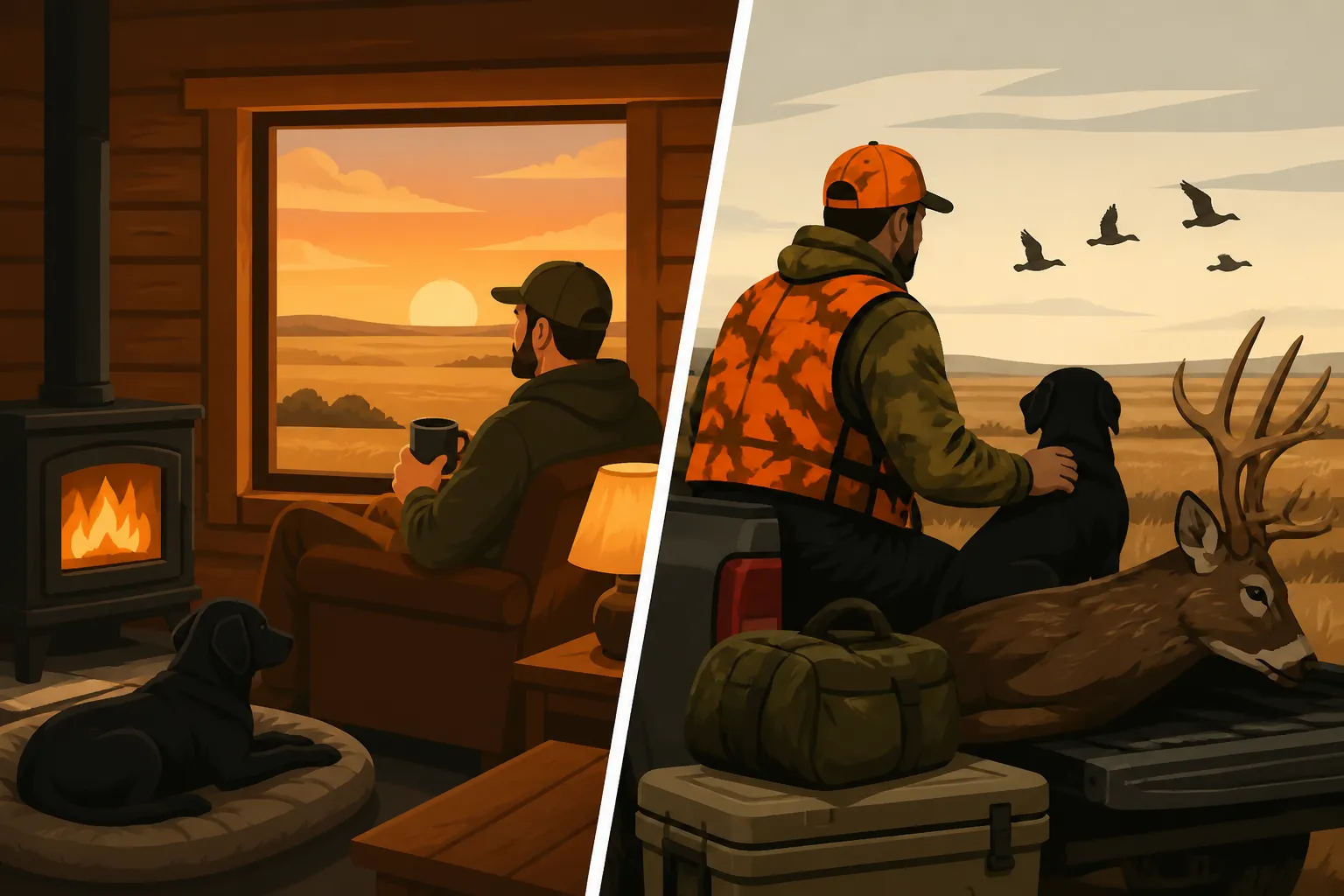
The same applies to the post-hunt phase. Successfully harvesting an animal is a huge accomplishment, but it's also a lot of work. Field dressing, loading, and driving back to civilization can take hours, especially if you're in remote areas. Then you're faced with processing, cleaning gear, and recounting the adventure. Having a comfortable place to return to, rather than heading straight into a long drive home, can make all the difference. You can shower off the grime of the bush, enjoy a proper meal, and properly care for your meat and trophy. This allows you to truly enjoy the fruits of your labor without the added pressure of immediate travel, leading to a much more satisfying overall experience. For tips on managing your harvest, take a look at Meat Care in Saskatchewan's Cold Snaps or Field Dressing in Saskatchewan's Deep Cold.
Types of Lodging Options Available in Saskatchewan
Saskatchewan offers a range of lodging choices, each with its own pros and cons, depending on your budget, group size, and specific needs as a hunter. Understanding these options will help you make an informed decision for your pre and post-hunt stays.
Hotels and Motels in Major Hubs and Smaller Towns
For convenience and widely available amenities, hotels and motels are often the go-to. You'll find a full spectrum, from budget-friendly options to more upscale establishments, in cities like Saskatoon and Regina. These are perfect for your arrival or departure nights, especially if you have flights to catch or long drives ahead.
Even smaller towns scattered across the province, closer to many hunting zones, will often have a local motel. Towns such as Swift Current, Yorkton, North Battleford, Prince Albert, Hudson Bay, and Meadow Lake serve as excellent staging points. The benefits include ready access to restaurants, gas stations, and sometimes even laundry facilities. The downside, particularly in smaller towns, can be limited availability during peak hunting season – think the November rut for deer or prime waterfowl migration weeks. Booking well in advance is crucial. While convenient, standard hotel rooms might not always be ideal for spreading out a lot of hunting gear or dealing with a messy cooler full of game. You'll want to check their specific policies regarding firearms and game handling.
Vacation Rentals and Airbnbs for More Space and Privacy
For hunters traveling in groups or those who prefer more space, privacy, and the ability to cook their own meals, vacation rentals (like those found on platforms such as Airbnb or VRBO) can be an excellent choice. These often come with full kitchens, multiple bedrooms, and living areas where you can spread out gear, process documents, and truly relax. They're especially useful for managing a lot of equipment, allowing you to organize your hunting pack without feeling cramped.
In some cases, you might even find rentals specifically catering to hunters, offering amenities like outdoor space for cleaning gear or freezer access for meat storage. Websites like BookYourHunt and GoHunt sometimes feature unique properties or connect hunters with locals who offer accommodations alongside hunting opportunities. While these might be more prevalent closer to populated areas, you can sometimes find hidden gems in smaller communities or even rural settings. Just be sure to verify the location's proximity to your actual hunting zone, as some listings might be further out than initially perceived.
Rural Accommodations and Farm Stays
Saskatchewan's agricultural landscape means there's a unique opportunity for rural accommodations and farm stays. These can range from a dedicated guest house on a working farm to a bed and breakfast experience in a quieter, country setting. The primary advantage here is often proximity to your hunting grounds, especially if you're Hunting Whitetails on Saskatchewan Farmland or targeting waterfowl in the vast grain fields.
Staying on a farm can offer a truly immersive experience, connecting you with local culture and often providing valuable insights into local game movements. Some farmers or rural residents might even offer hunter-specific amenities, such as secure storage for firearms, a place to hang meat, or an outdoor wash station. Always inquire about these specific needs when booking. The hospitality can be outstanding, making for a memorable part of your trip, but always remember to respect the property and any specific rules the owners may have. This type of lodging might require more direct communication for booking, but it can pay off immensely in terms of convenience and experience.
Practical Considerations for Booking Your Stay
Booking lodging for your Saskatchewan hunt isn't just about finding a bed; it's about finding the right bed in the right place at the right time. A few key considerations can make or break your experience.
Location, Location, Location: Proximity to Your Hunting Zone
This cannot be stressed enough. Saskatchewan is vast, and driving distances can be deceiving. A hotel that looks "close" on a map might still be an hour or more from your actual hunting grounds, adding precious windshield time to already long days. When planning, use a map and pinpoint your specific Wildlife Management Zone (WMZ). Then, look for accommodations in the nearest town or rural area that minimizes your daily commute.
For example, if you're focused on Whitetail Hunting in Saskatchewan, particularly in the eastern forest fringe, staying in a town like Hudson Bay or Nipawin makes far more sense than commuting from Saskatoon. Likewise, if your target is Mule Deer Hunting Saskatchewan's Prairie in the southwest, you'll want to look at options around Swift Current or Maple Creek. Consider the time of year too; winter roads can add significant travel time. Getting a good grasp of the terrain and distances using resources like Reading a Saskatchewan WMZ Map Before You Go and online mapping tools is crucial. The goal is to spend more time hunting and less time driving.
Accommodating Hunting Gear and Game
This is where standard hotel rooms often fall short. Hunters travel with a lot of gear: rifles or bows in cases, backpacks, layered clothing, boots, and often coolers. A cramped hotel room quickly becomes a gear explosion. When selecting lodging, consider:
- Space: Is there enough room to organize your gear without tripping over it? A vacation rental or a larger motel room might be preferable.
- Security: Can you securely store your firearms? Some hotels might have specific protocols, while a private rental might offer more control.
- Outdoor Access/Plugs: If you're hunting in late fall or winter, outdoor electrical outlets are essential for plugging in vehicle block heaters to ensure your truck starts in the bitter Saskatchewan cold.
- Game Handling: This is a big one. You simply cannot process a deer or goose inside a hotel room. Do they have outdoor facilities, or at least a designated area where you can clean your cooler and temporary store meat before transport or professional processing? Some rural accommodations are far more understanding and equipped for this than urban hotels. Always ask beforehand about their policies regarding game.
Booking in Advance and Understanding Cancellation Policies
Saskatchewan hunting seasons, especially for popular species like whitetails during the rut or prime waterfowl weeks, see a significant influx of hunters. This drives up demand for lodging in key areas. If you wait until the last minute, you might find all the best (or even all the any) options are fully booked, leaving you with suboptimal choices or long commutes. Book your accommodations as soon as your hunting dates are firm, ideally several months in advance. Many outfitters, such as those you might find on BookYourHunt, include lodging in their packages, but self-guided hunters are entirely on their own for this aspect.
It's also vital to understand cancellation policies. Hunting can be unpredictable; weather can change drastically, unexpected personal events can arise, or sometimes, sadly, a hunt just doesn't pan out. Look for flexible cancellation options when possible. While many popular weeks, like Hunting the Rut in Early to Mid November, tend to sell out, having a backup plan or the ability to adjust your booking without penalty can save you a lot of headache and money. For non-residents, especially, understanding the commitment required for travel and ensuring your accommodations align with your Saskatchewan Hunting Licences and What They Cost is key.
Making the Most of Your Pre and Post-Hunt Lodging
Your chosen lodging isn't just a place to sleep; it's an integral part of your hunting strategy and experience. Utilize it effectively to enhance your trip.
Pre-Hunt Preparation and Gear Checks
Use your pre-hunt lodging as a base camp for final preparations. Instead of rushing through things, take the time to:
- Organize your gear: Lay out your clothing for the next day, pack your hunting backpack efficiently, and ensure everything is clean and ready.
- Check your equipment: Give your rifle or bow a final inspection, confirm your optics are dialed in, and double-check your ammunition or arrows.
- Review maps and intel: Spread out your maps (physical or digital), review your Scouting With Satellite Imagery in Saskatchewan notes, and finalize your morning hunting plan. This calm, focused preparation can significantly improve your chances of success.
- Get a good night's sleep: This is paramount. A well-rested hunter is a safer, more effective hunter. Avoid late nights and fuel your body with a good meal.
This dedicated time allows you to mentally transition into hunting mode without the distractions of home or the pressure of immediate travel.
Post-Hunt Relaxation and Logistics
The period immediately after a hunt, especially a successful one, is equally important. Your post-hunt lodging provides the perfect sanctuary for recovery and managing your harvest.
- Clean up and unwind: There’s nothing quite like a hot shower after a long day (or several days) in the field. Change into comfortable clothes, put your feet up, and decompress.
- Game Care: This is critical. Whether you're personally processing your animal or taking it to a local butcher, ensure you have the facilities to keep your meat cool and clean. If you have a tag filled, you'll need to know about Getting Meat Processed in Saskatchewan and potentially Shipping Meat Home From Saskatchewan or Taking a Trophy Across the Border. Your lodging should support these steps, whether through freezer access or simply having a secure, cool place for coolers.
- Gear Maintenance: Take the time to clean your firearms, air out your hunting clothes, and dry out wet boots. Proper care of your equipment ensures it lasts longer and is ready for your next adventure.
- Relive the memories: Share stories with your hunting partners, look at photos, and enjoy the camaraderie. This is an essential part of the hunting experience and helps solidify those lasting memories.
By treating your lodging as an extension of your hunting plan, you can ensure a much smoother, more enjoyable, and ultimately more successful Saskatchewan hunting trip.
Choosing the Right Pre and Post-Hunt Lodging in Saskatchewan
| Lodging Type | Pros for Hunters | Cons for Hunters | Best For |
|---|---|---|---|
| Hotels/Motels | Convenience, amenities (restaurants, laundry) | Limited space, often not set up for game/gear | Single hunters, brief overnight stays, near major airports or cities |
| Vacation Rentals | Ample space, kitchen, privacy, group-friendly | Can be pricier, availability in remote areas | Groups, longer stays, self-catering, gear organization |
| Rural/Farm Stays | Proximity to hunting, local experience, specific hunter amenities | Might lack some urban amenities, more rustic | Immersive experience, direct access to hunting areas, unique charm |
This article for general informational purposes only and does not constitute professional advice. Laws, prices and regulations vary by location and change over time. Consult a qualified professional for guidance on your specific situation.