What Saskatchewan Guides Expect You to Shoot
It’s a question that weighs on every hunter’s mind, especially when they’ve invested in a guided trip to a place like Saskatchewan: "What does my guide actually expect me to shoot?" You want to make a good impression, fill your tag, and have an incredible experience, but the unspoken pressure of meeting a guide's expectations can be daunting. This guide is here to shed light on those often-unspoken expectations, helping you understand what professional outfitters and guides in Saskatchewan are looking for, so you can focus on the hunt itself.
Understanding the Outfitter's Perspective on Harvest
When you book a guided hunt, you’re not just paying for access to land or a comfy bed; you’re engaging with a business that thrives on reputation and successful outcomes. Your guide’s expectations are rooted in a complex balance of business realities, wildlife management, and the desire to see every hunter succeed within reasonable parameters. It’s not just about getting a trophy, but about sustainable hunting and delivering on a promise.
The Business of Guiding and Reputation
Outfitters in Saskatchewan rely heavily on word-of-mouth and repeat clientele. A successful hunt, in their eyes, isn't just about bagging the biggest animal, but about providing a memorable experience where the hunter feels valued and has a genuine opportunity. If hunters consistently feel pressured to pass on animals they'd be happy with, or if they leave empty-handed without understanding why, that hurts the outfitter's business. Conversely, if too many hunters shoot immature animals, it can damage the outfitter’s long-term resource and reputation for quality. It’s a delicate dance between managing client expectations and managing the game. This is why when you're looking at various options, you might spend time researching outfitters on platforms like BookYourHunt or GoHunt, where client testimonials and past success rates often guide decisions. Outfitters understand this scrutiny and aim to deliver a quality experience that generates positive reviews.
They know that for many hunters, especially those traveling a long distance, this isn't just another weekend hunt. It's often a significant investment of time, money, and emotional energy. Therefore, their goal is to manage the hunt in a way that maximizes your chances of a satisfying harvest while also maintaining the health and future prospects of their hunting area. This often means they have specific "standards" for animals that contribute to their reputation, particularly for species known for impressive racks or large body sizes, like Saskatchewan whitetails.
Balancing Hunter Satisfaction and Resource Management
A good guide is also a steward of the land and its wildlife. They’ve often spent years, if not decades, observing patterns, managing habitat, and working with landowners to ensure healthy game populations. Their expectations for what you "should" shoot are often deeply tied to their personal commitment to sound wildlife management. For instance, passing on younger bucks allows them to mature, potentially growing into the "trophy" animals that attract future clients. This isn't just about ego; it’s about sustainability.
They also understand the emotional aspect for hunters. They want you to be happy with your harvest, but they also want to guide you towards an animal that represents a good, ethical take for that specific area and species. Sometimes, this means suggesting you wait for a larger, more mature animal, even if it tests your patience. Other times, it means encouraging you to take a solid, mature animal that might not be a "book" buck but is perfect for the experience you’re having. They're looking at the bigger picture: the health of the herd, the age structure, and the long-term potential of the area. It’s a careful balance between ensuring you get an animal you're proud of and ensuring there are still great animals for future seasons.
The "Trophy" Mindset Versus Opportunity
While Saskatchewan is famous for its massive whitetail and moose, not every hunt is about breaking a record. Many outfitters understand that for hunters, "trophy" can mean different things. For some, it's about score; for others, it's the biggest animal they've ever taken, regardless of score; and for yet others, it's simply a mature, healthy animal taken cleanly and ethically. Guides are generally flexible, but they will have a baseline for what they consider a "shootable" animal in their program.
For instance, a guide running a premium whitetail hunt might be looking for bucks that are at least 4.5 to 5.5 years old, demonstrating good antler mass and spread. This is often based on genetics in their area and what their clientele typically expects. However, if you explicitly communicate that you're looking for a meat animal or your first buck ever, a good guide will adapt their strategy within ethical bounds. The key is clear communication upfront. It's important to differentiate between an outfitter who focuses solely on massive trophies and one who prioritizes a quality hunting experience with a reasonable expectation of a mature animal. Reviews on sites like GoHunt can often give you a sense of an outfitter's general philosophy.
Common Expectations Across Saskatchewan Species
Saskatchewan offers incredible hunting opportunities for a variety of species, and a guide's expectations will naturally shift depending on what you're after. What's considered a "good" animal for a black bear hunt is very different from a whitetail hunt.
Whitetail Deer Expectations
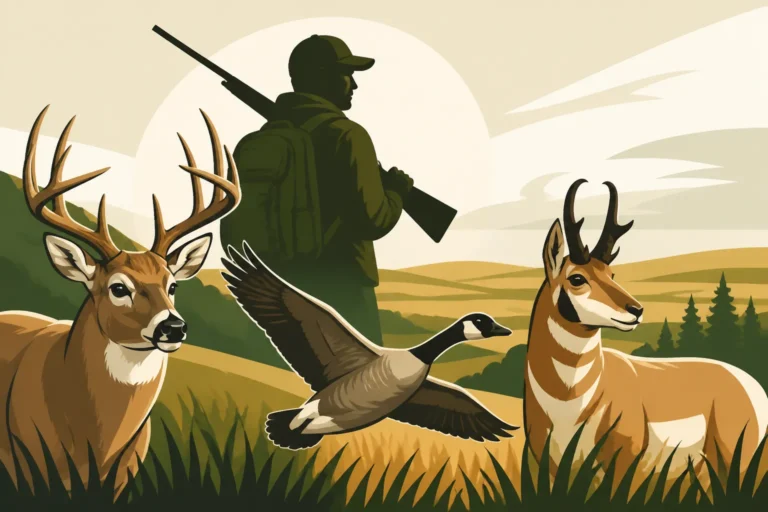
Saskatchewan is world-renowned for its monstrous whitetail bucks. This reputation shapes expectations more than perhaps any other species here. For many outfitters catering to serious whitetail hunters, especially those offering Rifle Hunting Saskatchewan's Whitetail Rut experiences, the expectation often leans towards mature bucks – typically those in the 140-inch Boone and Crockett class or larger, though this can vary significantly by outfitter and specific hunting area.
- Age Over Antler Score: While antler size is a visual indicator, many guides prioritize age. They want you to harvest an older, more mature buck that has lived a full life and had a chance to breed. This is often an animal 4.5 years or older. They'll teach you to recognize body characteristics, not just antler points, to judge age.
- "Management" Bucks: Some outfitters might encourage taking a "management" buck – an older buck that might have declining antler quality or undesirable genetics. This is a common practice to improve herd health. Be sure to clarify if this is an option and what it entails.
- No Spikes or Young Forks: Generally, you'll be encouraged to pass on yearling bucks (spikes or small forks), allowing them to mature. The phrase "let them grow" is a common mantra.
- Wounded Animal Policy: This is critical. If you wound an animal, the expectation is that you will make every effort to recover it. A wounded animal, even if not recovered, is often considered a "kill" against your tag, and the hunt for that species is over. This aligns with ethical hunting practices and ensures the outfitter’s success rates remain accurate.
When you are Booking a Saskatchewan Whitetail Hunt, it's vital to discuss their specific antler size or age guidelines. Don't be shy; it's better to know upfront.
Black Bear Expectations
Black bear hunting in Saskatchewan, especially in the boreal forest fringe, is incredibly popular, and hunters often come hoping for a good-sized bruin or a colour phase bear.
- Size and Sex: The primary expectation for most guided bear hunts is to harvest a mature bear. Guides will emphasize the importance of accurately judging size and, crucially, sex. You never want to shoot a sow with cubs, and guides will be very strict about this. They will teach you how to identify a boar versus a sow, often by head shape, body mass, and behaviour around bait sites.
- Colour Phase: Saskatchewan is known for its beautiful colour phase bears (cinnamon, blonde, chocolate). While a guide won't expect you to only shoot a colour phase, they know many hunters hope for one. If a large, mature colour phase bear presents itself, they'll likely encourage you to take it.
- No Small Bears: Similar to deer, most outfitters want you to pass on smaller, younger bears. They want a mature animal for their clients and for herd management.
- Clean Kill: Bears are tough, and guides will emphasize shot placement for a quick, ethical kill. Expect them to ensure you are confident in your shot before letting you loose.
If you're considering Booking a Saskatchewan Black Bear Hunt, ensure you understand the outfitter's stance on cub detection and what they define as a "mature" bear.
Waterfowl Expectations
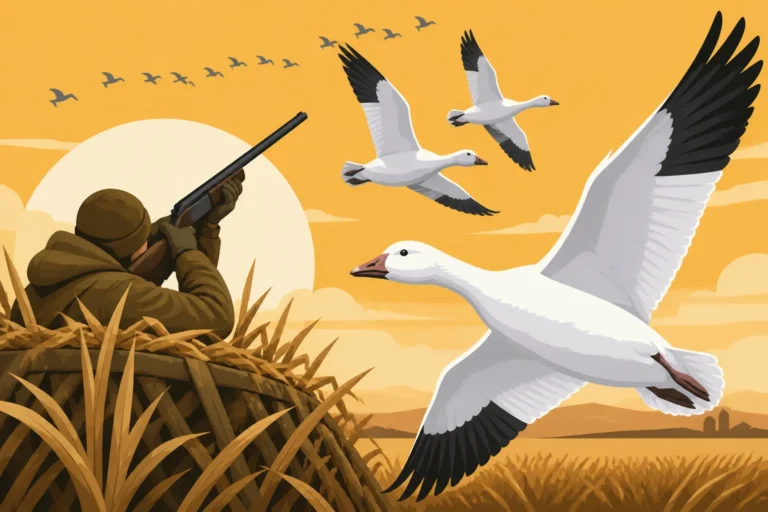
Waterfowl hunting in Saskatchewan is often about volume and variety, with hunters traveling to experience the sheer numbers of ducks and geese staging in the grain fields.
- Limits and Species: The main expectation from guides here is that you adhere strictly to daily bag limits and possession limits. They know the species in their area intimately and will call the birds, and it's your job to identify and shoot cleanly.
- Clean Shooting: Unlike big game where one animal fills a tag, waterfowl hunting involves many shots. Guides expect competent, safe shooting. Wounded birds that aren't recovered are a frustration and an ethical concern. They want hunters who can consistently make clean kills.
- Respect for Decoys and Fields: Guides put immense effort into setting spreads and getting landowner permission. They expect hunters to respect the field, the equipment, and the land itself.
- Participation: Waterfowl hunting often involves moving blinds, setting decoys, and retrieving birds. Guides expect hunters to be active participants in the hunt, not just passive shooters.
When researching, platforms like BookYourHunt often detail the typical bag limits and species targeted for Booking a Saskatchewan Waterfowl Hunt.
Other Big Game (Moose, Elk, Mule Deer)
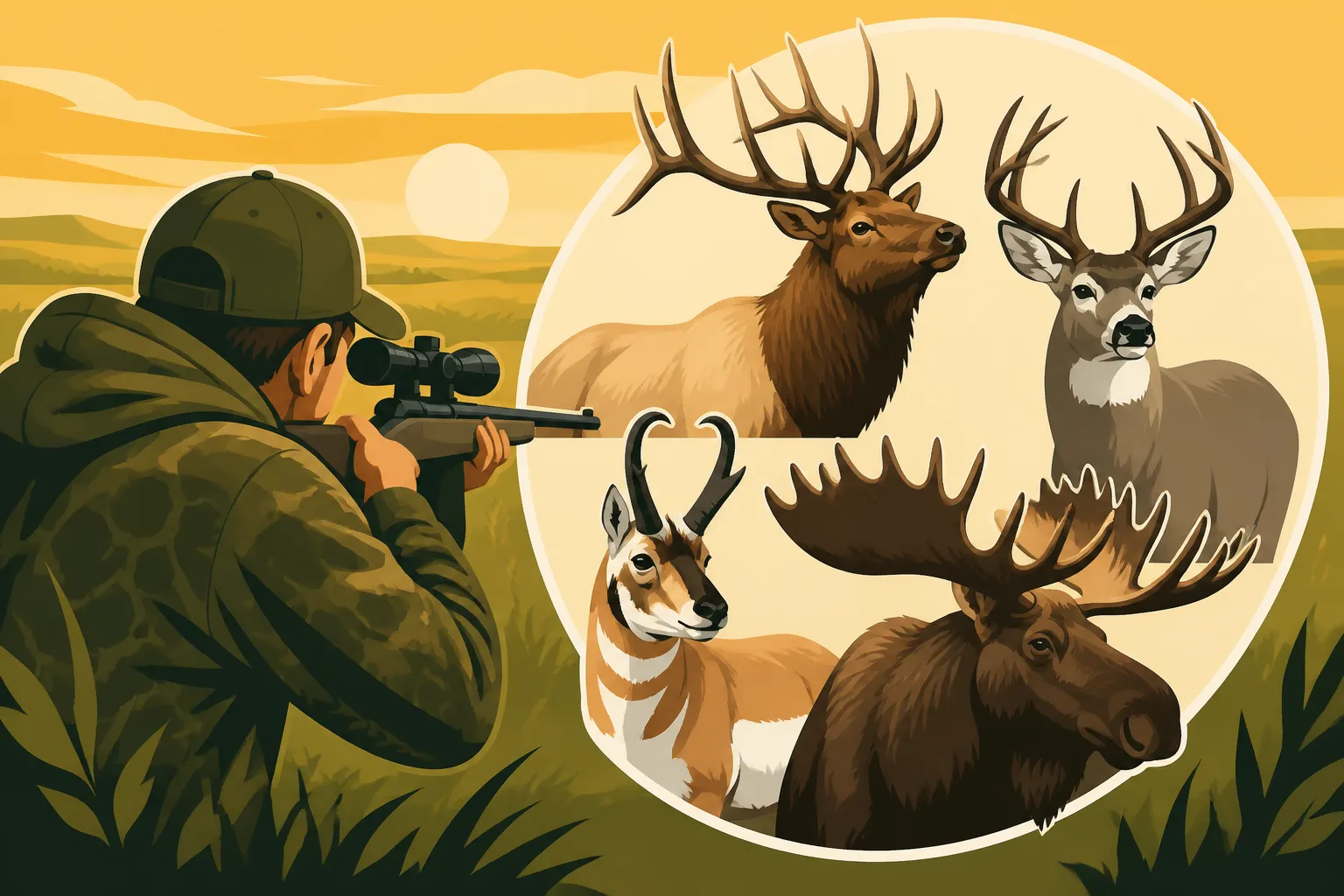
While less common for non-resident rifle hunters (due to strict draw systems and limited outfitter allocations), guided hunts for species like moose, elk, and mule deer also have their own expectations.
| Species | General Expectation from Guide | Key Considerations |
|---|---|---|
| Whitetail Deer | Mature buck (typically 4.5+ years old), often with minimum antler score (e.g., 140" B&C). | Guides prioritize age over raw score. Communicate your trophy goals clearly. Wounded animals count as a tag filled. |
| Black Bear | Mature, large-bodied bear. Strict avoidance of sows with cubs. | Accurate sexing and size judging are paramount. Colour phase bears are a bonus, but maturity is key. Excellent shot placement expected. |
| Moose | Mature bull, often with significant antler spread (e.g., 40-50+ inches). Cows sometimes available by draw. | Identifying legal bulls (antler size/points) can be critical in some zones. Be prepared for physically demanding hunts in remote areas. |
| Elk | Mature bull (e.g., 6×6 or larger). Cows/spikes sometimes available by draw. | Elk are notoriously challenging. Guides expect patience, good physical condition, and proficiency in long-range shooting. Understand draw requirements for specific tags. |
| Mule Deer | Mature buck, often 4×4 or larger, with good width and mass. | Stalking ability and glassing skills are highly valued. Patience to pass on smaller bucks for a mature one. |
For moose and elk, guides will typically be looking for mature bulls, often with specific antler configurations (e.g., certain point counts or spread width), especially in draw-only zones where tags are precious. For mule deer, similar to whitetails, the emphasis will often be on taking a mature buck with good antler development. These hunts often demand a higher level of physical fitness and shooting proficiency, and guides will expect you to be prepared for challenging conditions. Moose Hunting Saskatchewan's Farmland and Forest or Elk Hunting in Saskatchewan often involves covering significant ground.
Your Role as the Hunter: Communication and Ethics
Ultimately, a guided hunt is a partnership. Your guide's success is tied to yours, and a big part of that success comes from clear communication and a shared commitment to ethical hunting practices. Don’t just show up and assume; engage with your guide from the moment you book.
Communicating Your Goals Before the Hunt
This is, without a doubt, the most important step. Before you even finalize your booking, have a frank conversation with the outfitter or guide about your expectations and what they typically aim for.
Are you a first-time hunter just hoping to fill a tag, any legal tag? Are you looking for a specific antler score for your wall? Do you prioritize meat over antlers? Your answers will help the guide understand what success looks like for you.
When speaking with an outfitter, don't just ask about "trophy potential." Ask:
- "What do you consider a mature, shootable animal in this area?"
- "What's your typical client success rate, and what size of animal usually accounts for those successes?"
- "What are your policies if I wound an animal but don't recover it?"
- "Are there any penalties or additional fees if I shoot an animal smaller than your stated minimum?" (Some outfitters have fines for shooting undersized animals, though this is less common in Saskatchewan and usually communicated very clearly upfront).
Knowing this information ahead of time will prevent misunderstandings in the field. When Choosing the Right Saskatchewan Outfitter, this kind of upfront conversation is crucial. Remember, an outfitter's website might show their biggest animals, but those might not be the average expectation.
Ethical Considerations and Fair Chase
Regardless of what an outfitter expects, your ethical responsibilities remain paramount. Guides will implicitly, and often explicitly, expect you to adhere to all Saskatchewan hunting regulations and the principles of fair chase.
- Legal Compliance: This means having the correct Saskatchewan Hunting Licences and What They Cost, understanding Saskatchewan Big Game Season Dates, and following all laws regarding shooting hours, methods, and transportation. Guides are professionals and will not tolerate illegal activity.
- Clean Shots: Every guide expects you to be a competent shooter capable of making an ethical, clean kill shot. They don't want wounded animals suffering, nor do they want to spend hours tracking a poorly hit animal that might never be recovered. Practicing Before a Guided Deer Hunt is essential.
- Respect for Wildlife: Fair chase means giving the animal a reasonable chance. It means not shooting at animals that are clearly too far, too fast, or in unsafe situations. It means respecting the animal's life and ensuring a swift, humane harvest.
- No Wasting Game Meat: Saskatchewan, like most jurisdictions, has laws against the waste of game meat. Guides expect you to utilize the animal you harvest.
Your guide will be an extension of these ethical principles in the field. Listen to their instructions and follow their lead.
Making the Shot and Following Up
When the moment of truth arrives, your guide expects you to make the best shot possible. They've put you in position, and now it's up to you.
- Be Prepared: Ensure your rifle is sighted in, your bow is tuned, and you've practiced at various distances and angles.
- Listen to Your Guide: They often know the exact spot to aim for based on the animal's angle and behavior. If they tell you to wait for a better shot, wait. If they give you the green light, take it with confidence.
- Shot Placement: The expectation is always for a clean, ethical shot that anchors the animal quickly. This shows respect for the animal and professionalism as a hunter.
- Follow-Up: If the animal doesn't drop immediately, your guide will initiate the follow-up. Your role is to assist as directed, being patient and thorough. As mentioned before, a wounded animal is often considered a filled tag.
A guide wants to celebrate a successful harvest with you, not track a poorly hit animal through the bush all night.
Navigating Discrepancies and Ensuring a Great Hunt
Even with the best communication, sometimes things don't go exactly as planned. Knowing how to handle these situations, and how to pick the right outfitter from the start, can make all the difference.
When Expectations Don't Align
What happens if you're in the stand, and your guide points out a buck they consider "shootable," but it's smaller than what you had envisioned? Or perhaps you see an animal you'd be thrilled to take, but your guide is pushing for something bigger?
- Speak Up (Respectfully): This is where upfront communication pays off. If you had a clear discussion about your goals, you can respectfully remind your guide. "Remember we talked about me being happy with anything mature? This looks like a great animal to me."
- Trust Their Judgment (Within Reason): Often, guides have a better understanding of the animals in their area and what might still be out there. If they ask you to pass, they might have a very good reason (e.g., they know a bigger one routinely uses that same trail). However, if passing on an animal means you go home empty-handed and disappointed, and you're truly happy with the one that presented itself, that's a discussion to have.
- No Pressure to Shoot: A truly ethical guide will never pressure you to shoot an animal you don't want. They might encourage you, but the final decision is yours. Similarly, they shouldn't pressure you to pass on an animal if you're comfortable with it and it meets legal requirements and any pre-agreed minimums. This is why when considering booking, it’s worth checking Saskatchewan Outfitters Who Guarantee Nothing – an honest outfitter won't guarantee a specific size but will promise opportunity.
- The "Tag Filled" Scenario: If you choose to pass on multiple animals and then the opportunities dry up, understand that this is part of hunting. Your guide put you on game, and you made the choice to hold out. That's your prerogative, but it might mean not filling your tag.
Asking the Right Questions When Booking
To avoid these situations entirely, it's crucial to ask comprehensive questions during the booking process. Don't just ask for pricing; delve into the specifics of the hunt experience.
Consider these Questions to Ask Before Booking:
- "What is your typical definition of a 'trophy' or 'shootable' animal for this species in your area?" Ask for concrete examples (e.g., "For whitetails, we generally aim for 140+ inches," or "For bears, we want a mature boar, usually 6 feet or larger").
- "What is the average size of animal your clients harvest?" This gives you a realistic benchmark.
- "What is your philosophy on passing animals?" Do they encourage holding out for bigger animals, or are they more focused on getting clients a good, representative animal?
- "What happens if I shoot an animal smaller than your stated minimum (if they have one)?" Are there fines? Is the hunt over?
- "How much flexibility is there if my goals are different from your typical client's?" (e.g., "I'm a first-time hunter and truly just want a legal deer for meat, regardless of antler size").
- "What are your success rates, and how do you define 'success'?" This goes beyond just killing an animal.
- "What is the guide-to-hunter ratio?" A 1:1 ratio might offer more personalized guidance.
Also, be sure to read reviews honestly. Reading Outfitter Reviews Honestly means looking beyond just the glowing five-star ratings. Look for consistent feedback on communication, guide attentiveness, and how they handled various scenarios, not just big kills.
Post-Hunt Feedback and Future Bookings
After the hunt, whether you filled your tag or not, provide constructive feedback to your guide and outfitter. This helps them understand what worked well and what could be improved. If you had a fantastic experience, even if you didn't shoot a monster, let them know! That positive feedback is invaluable.
If you had a less-than-ideal experience due to mismatched expectations, politely articulate that feedback. This transparency helps outfitters refine their program and manage future clients' expectations more effectively. A good outfitter will appreciate honest feedback. This is a relationship, and like any good relationship, it thrives on clear communication. Hopefully, the experience was so good you'll be asking Booking a Return Hunt With the Same Outfitter!
Ultimately, Saskatchewan guides expect you to be a safe, ethical hunter who communicates openly and respects the wildlife and the opportunity. They want you to have a successful hunt, and while "success" might have an unspoken baseline, your personal definition of success should always be part of the conversation.
Disclaimer
This article is for general informational purposes only and does not constitute professional advice. Laws, prices and regulations vary by location and change over time. Consult a qualified professional for guidance on your specific situation.