Booking a Saskatchewan Hunt Off-Season
Waiting until the last minute to plan your Saskatchewan hunting adventure can lead to missed opportunities, rushed decisions, and unnecessary stress, often leaving you scrambling for limited spots and less-than-ideal dates. This comprehensive guide will walk you through the immense benefits of booking your Saskatchewan hunt during the off-season, ensuring a smoother, more successful, and ultimately more enjoyable experience from the initial planning stages to the triumphant field photo.
Why Off-Season Planning Is Your Secret Weapon
Let's face it, life gets busy. When the leaves start to turn and the crisp fall air hits, the last thing many of us want to be doing is sitting at a computer, frantically trying to piece together a hunting trip. The off-season, typically the months immediately following the previous hunting season and leading up to spring, offers a calm window of opportunity. It's when you can truly take control of your upcoming adventure, rather than letting it control you.
Beating the Rush for Prime Dates
One of the biggest advantages of off-season booking is securing those coveted prime dates. Saskatchewan is a world-renowned hunting destination, especially for trophy whitetails and exceptional waterfowl, meaning the best weeks fill up fast. If you're dreaming of a specific experience, like hunting the Saskatchewan Big Game Season Dates during the peak whitetail rut in November, waiting until summer is often too late.
Imagine pouring over trail camera photos of a giant buck all summer, only to find out that every reputable outfitter in your target zone is completely booked for the first two weeks of November. It's a frustrating scenario many hunters face. By getting ahead of the game, you ensure your calendar aligns with the animals' natural cycles and the outfitter's availability, giving you first dibs on the dates that truly matter for your hunt of a lifetime. This proactive approach takes the pressure off and lets you look forward to the hunt with genuine excitement, knowing all the details are locked in.
More Time for Research and Due Diligence
Rushing into a booking decision can lead to costly mistakes. The off-season provides ample time to thoroughly research outfitters, compare packages, and ask all the pertinent questions. You can delve into their track record, assess their communication style, and truly understand what their guided experience entails without feeling pressured.
This extended research period is crucial for discerning the quality and reliability of an outfitter. You can take the time to check references, read reviews, and even reach out to past clients. Are their "success rates" truly representative? Do they offer honest insights into challenges? This level of scrutiny is nearly impossible when you're making last-minute calls and trying to secure a spot before someone else does. Platforms like BookYourHunt can be incredibly useful during this phase, as they aggregate information and reviews, allowing you to compare options side-by-side and dive deep into what each outfitter truly offers. This thorough vetting process means you're investing in an experience that truly aligns with your expectations, minimizing surprises down the road. It also helps you approach your chosen outfitter with informed questions, allowing for a more productive dialogue. When you have enough time, you can truly absorb information and make a sound decision.
Understanding the Saskatchewan Hunting Calendar
Saskatchewan's diverse landscapes and abundant wildlife offer hunting opportunities throughout much of the year, but understanding the peak seasons for various species is paramount. Off-season planning lets you align your booking with these critical windows, ensuring you're hunting when your chances of success are highest for your target game.
Key Species and Their Prime Seasons
Different game animals have different prime times. Whitetail deer hunters often target the November rut, which is when bucks are most active and vulnerable. For black bear, spring (May-June) offers excellent baiting opportunities when bears are emerging from dens and seeking food, while a fall hunt might coincide with berry crops and pre-denning activity. Waterfowl hunters know that September and October are prime for ducks and geese, as millions migrate through the province's rich agricultural fields and Pothole Hunting Prairie Ducks.
Knowing these cycles allows you to plan your hunt strategically. If your dream is a big Saskatchewan whitetail, you'll want to aim for those peak rut weeks, which are typically the first three weeks of November. If you're after a colour-phase black bear, the spring is often ideal. For waterfowl, specific weeks in the fall can offer phenomenal bird numbers. Booking off-season means you're not just grabbing any available spot, but rather the optimal spot for your desired hunt. This foresight not only increases your chances of success but also enhances the overall experience of pursuing game at their most active.
Draw Deadlines and Application Windows
Saskatchewan's big game draw system is a critical component of hunting many coveted species like moose, elk, and pronghorn. These draws have strict application deadlines, usually in May or June, with results often posted in early July. Missing these deadlines means missing out on the opportunity to hunt these animals for the entire year.
Off-season planning ensures you're well-prepared for the Saskatchewan's Big Game Draw. You can research draw odds for specific Saskatchewan Trophy Moose Draw Odds or Saskatchewan Pronghorn Draw Odds, understand how Saskatchewan's Draw Priority Pools work, and make informed decisions about which zones and species to apply for. This proactive approach is essential, especially for non-residents, as many big game opportunities require an outfitter and a successful draw application. By having your outfitter chosen and your application strategy mapped out well in advance, you eliminate the frantic scramble that often accompanies these deadlines. It's about setting yourself up for success on paper long before you even step foot in the field.
The Deep Dive: Researching and Vetting Outfitters
When planning a hunting trip, especially to a province like Saskatchewan known for its world-class opportunities, the choice of outfitter is paramount. The off-season provides the luxury of time to ensure you pick the right partner for your adventure.
Online Resources and Directories
The digital age has made researching hunting outfitters far easier than it once was. Online directories and booking platforms are invaluable tools during your off-season planning. Websites like BookYourHunt and GoHunt provide extensive listings of outfitters, often with detailed descriptions, photos, and client reviews. These platforms allow you to filter by species, region, type of hunt, and even specific dates, making the initial search much more efficient.
These resources allow you to cast a wide net and then narrow down your options based on your specific criteria. For example, if you're looking for a guided Black Bear Hunting in Saskatchewan experience, you can specifically search for bear outfitters in the boreal forest region. You can then look at their listed packages, read testimonials, and get a general feel for their operation before making direct contact. This organized approach to research, facilitated by reputable online platforms, ensures you're not just stumbling upon an outfitter, but making a deliberate and well-informed choice.
What to Ask and Look For
Once you have a shortlist of potential outfitters, the real vetting begins. This is where your off-season advantage truly shines, as you have the time to engage in thorough conversations and ask pointed questions without feeling rushed or like you're holding up the booking process. Don't be shy; reputable outfitters expect this level of inquiry.
Some key questions include: What is their hunter-to-guide ratio? What are their typical success rates (and how do they define "success" – opportunity or harvest)? What kind of accommodations and meals can you expect? Are there any hidden fees not included in the package price, such as meat processing or trophy prep? It's also vital to ask for recent references, preferably from hunters who pursued the same species you are interested in. Pay close attention to how transparent and responsive they are. Are they willing to put you in touch with past clients? Do they answer all your questions thoroughly, or do they seem evasive? Trust your gut, but back it up with solid information. Knowing Questions to Ask Before Booking and understanding potential Red Flags in an Outfitter's Website can save you a lot of grief. A good outfitter will appreciate your diligence and will be happy to provide all the information you need, as it shows you're a serious and prepared client.
Deposits, Contracts, and Cancellation Policies
Understanding the financial commitment and the terms of your booking is absolutely crucial, especially when booking a year or more in advance. Outfitters typically require a deposit to secure your dates, and the amount and refundability can vary significantly.
During the off-season, you have ample time to carefully review the outfitter's contract and cancellation policy. What happens if you need to cancel? What if the outfitter has to cancel due to unforeseen circumstances (e.g., wildfires, guide illness, or changes in regulations)? Are deposits transferable to a future date or refundable? Understanding these terms upfront prevents unpleasant surprises later. Some outfitters might offer trip insurance or recommend third-party providers. Getting clarity on Saskatchewan Deposit and Cancellation Terms is non-negotiable. This isn't just about protecting your investment; it's about building a clear, mutually understood agreement that sets the stage for a positive relationship with your chosen guide. Don't sign anything until you fully comprehend every clause.
Logistics Beyond the Hunt
A successful hunt isn't just about pulling the trigger; it's about seamless logistics from the moment you leave home until you return. Planning these aspects during the off-season will make your actual travel and hunting experience far smoother.
Travel and Accommodation Planning
Once your outfitter and dates are confirmed, the next logical step is to sort out your travel. This includes flights, rental cars, and any pre- or post-hunt accommodation. Saskatchewan has two main international airports, in Saskatoon and Regina, and your outfitter will often specify which is most convenient for their camp.
Booking flights well in advance can often result in better rates and more desirable flight times. Similarly, if you need a rental vehicle or plan to stay a night in a hotel before heading to camp, making those reservations early secures your spot and potentially saves money. Consider the distance from the airport to your outfitter's camp and whether ground transportation is included or needs to be arranged separately. Some hunters might even prefer to fly into Flying Into Saskatoon or Regina for a Hunt a day early to account for any travel delays and ensure they are well-rested before the hunt begins. Having these details locked down eliminates last-minute stress and ensures your focus remains on the upcoming adventure rather than logistical headaches.
Firearm and Cross-Border Considerations
For non-resident hunters, particularly those from the United States, bringing firearms into Canada requires careful planning and adherence to specific regulations. This is one area where off-season preparation is absolutely critical to avoid major issues at the border.
You will need to complete a Non-Resident Firearm Declaration Form (RCMP 5589) in triplicate. This form acts as a temporary firearm license and registration. It's crucial to fill this out accurately, but do not sign it until you are in front of a Canadian Border Services Agency officer. There are also restrictions on certain types of firearms and ammunition. Researching Declaring a Firearm at the Canadian Border and understanding The Non-Resident Firearm Declaration process thoroughly during the off-season allows you to gather all necessary documentation, clarify any questions with Canadian authorities, and ensure your firearms are legal and properly declared. This pre-planning prevents potential delays, fines, or even seizure of your equipment at the border, which would be a devastating start to any hunt.
Meat and Trophy Handling
The successful harvest of an animal is just the beginning of another logistical challenge: getting your meat and trophy home. Discussing these arrangements with your outfitter well in advance is essential.
Ask your outfitter about their policies and services regarding meat processing. Do they have facilities at camp, or do they transport game to a local butcher? What are the costs involved, and are they included in your package? For trophies, understand how they handle caping, freezing, and preparation for taxidermy. If you plan to take your trophy home, inquire about shipping options for antlers and capes, and any necessary permits or documentation for cross-border transport. Knowing what to expect for Shipping Meat Home From Saskatchewan and Taking a Trophy Across the Border will allow you to budget appropriately and make arrangements. This foresight ensures your hard-earned harvest is handled properly and can be enjoyed for years to come, whether on the dinner table or on your wall.
Maximizing Your Off-Season Preparation
Booking your hunt off-season isn't just about paperwork and logistics; it's about setting yourself up for peak performance when opening day finally arrives. The months leading up to your trip are an invaluable window for personal preparation.
Physical and Mental Conditioning
Hunting, especially in challenging environments like Saskatchewan's diverse terrain, can be physically demanding. Whether you're sitting long hours in a stand during cold Hunting the December Late Season Cold or trudging through dense bush, being in good physical shape will significantly enhance your experience and your stamina.
Use the off-season to establish a fitness routine. This could involve strength training, cardiovascular exercises, or simply increasing your daily activity levels. If your hunt involves hiking, practice with your pack. Furthermore, mental conditioning is just as important. Visualizing scenarios, staying positive, and developing patience will serve you well in the field. Reading articles about the behaviour of White-Tailed Deer, Saskatchewan's Signature Animal or Moose in Saskatchewan's Farmland and Forest can help you feel more connected and prepared. The better prepared you are physically and mentally, the more enjoyable and effective your hunt will be, allowing you to focus on the chase rather than battling fatigue or frustration.
Gear Review and Acquisition
The off-season is the perfect time to assess your hunting gear. Go through your existing equipment, identify what needs replacing or upgrading, and make a list of anything you'll need to purchase. This includes everything from your weapon and optics to your clothing system and navigation tools.
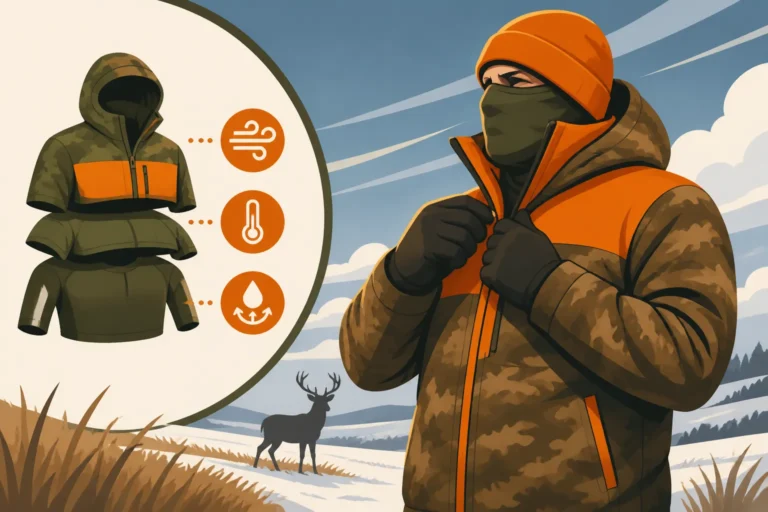
Take advantage of off-season sales or use the extra time to save for higher-quality items. For Saskatchewan's often extreme weather, having the right layering system is crucial. Research Dressing for Saskatchewan's November Cold and look for Boots for Sitting Still in Deep Cold if you plan late-season hunts. Ensure your rifle is sighted in, your bow is tuned, and you're familiar with all your equipment. Don't wait until a week before your trip to discover your boots leak or your rangefinder battery is dead. Having your gear sorted well in advance not only spreads out the financial cost but also ensures you're completely confident in your equipment when it matters most.
Studying Your Hunting Area and Species
Even with a top-notch guide, having personal knowledge of the hunting area and the species you're pursuing can significantly enrich your experience and understanding. The off-season is ideal for this kind of armchair scouting and learning.
Delve into maps of the Saskatchewan's Wildlife Management Zones where you'll be hunting. Use satellite imagery to get a lay of the land, identify potential travel corridors, and understand the terrain. Read up on the specific habits and biology of your target animal in Saskatchewan. For example, understanding Why Saskatchewan Bucks Grow So Large or how Elk in the Moose Mountain Country utilize habitat will give you a deeper appreciation for the hunt and make you a more engaged participant. While your guide is the expert on the ground, your background knowledge will help you interpret their strategies and identify sign in the field. This preparation is about more than just success; it's about maximizing your connection to the landscape and the wildlife.
Off-Season vs. Last-Minute Booking: A Comparison
| Feature | Off-Season Booking (Recommended) | Last-Minute Booking (Risky) |
|---|---|---|
| Availability of Dates | Prime dates (e.g., rut, migration peaks) are widely open. | Very limited, often only undesirable or cancellation spots. |
| Outfitter Choices | Wide selection of reputable outfitters to choose from. | May be forced to pick from less experienced or full outfits. |
| Research Time | Ample time for thorough vetting, reference checks, and Q&A. | Rushed decisions, little time to verify claims or policies. |
| Price & Deals | Potential for early-bird discounts or stable pricing. | May face higher rates or limited package options. |
| Travel Logistics | Flexibility to book optimal flights, hotels, rentals. | Limited choices, often higher costs for flights/accommodations. |
| Permits & Draws | Plenty of time to apply for Saskatchewan's Big Game Draw and permits. | High risk of missing critical draw deadlines or permit windows. |
| Gear Prep | Opportunity to assess, upgrade, and test equipment calmly. | Scrambling for gear, potential for overlooked essentials. |
| Physical/Mental Prep | Weeks/months for physical training and mental readiness. | Little to no time for preparation, leading to fatigue/stress. |
| Contract Review | Thorough review of terms, deposits, and cancellation policies. | Rushed contract review, potential to miss critical clauses. |
| Overall Experience | Reduced stress, increased confidence, optimized success. | High stress, potential for disappointment, compromise on quality. |
By taking the time during the off-season to meticulously plan and prepare, you're not just booking a hunt; you're crafting a truly memorable and successful Saskatchewan hunting experience.
Disclaimer
This article is for general informational purposes only and does not constitute professional advice. Laws, prices and regulations vary by location and change over time. Consult a qualified professional for guidance on your specific situation.