How Waterfowl Guides Scout Fields Daily
It's incredibly frustrating when you arrive in a prime waterfowl hunting area, only to find the fields empty or the birds flying patterns you just can't crack. You see guides consistently putting their clients under birds, and it looks like magic, doesn't it? Well, there's no magic, just relentless, strategic scouting. This guide is going to pull back the curtain on how professional waterfowl guides in Saskatchewan approach their daily field reconnaissance, ensuring they're always a step ahead of the birds and ready for the next great hunt.
The Foundation: Pre-Season Intelligence Gathering
Long before the first shotgun shell is loaded for the season, the best waterfowl guides are already hard at work. Their success isn't just about a few hours before dawn; it's built on a year-round understanding of the land and the birds that call it home, even if temporarily.
Understanding Waterfowl Movements and Patterns
Successful scouting starts with a deep knowledge of waterfowl ecology. Guides spend countless hours studying migration patterns, understanding when different species typically arrive in Saskatchewan, and where their preferred staging areas are. They know, for instance, that massive flocks of snow geese will move through specific corridors, often dictated by major river valleys or large bodies of water, while Canada geese might be more localized, settling into patterns between smaller sloughs and feeding fields. This historical data forms the backbone of their initial search.
Beyond broad migration, guides pay close attention to local weather systems. A strong north wind after a cold front can push new waves of ducks and geese south, changing the game overnight. Conversely, prolonged mild weather might keep birds scattered or encourage them to stay longer than usual in certain areas. They're constantly checking forecasts, understanding how temperature drops, precipitation, and especially wind direction will influence where birds roost, feed, and fly. This constant analysis helps them predict where birds will be, not just where they have been.
It’s about understanding the nuances. For instance, knowing the typical routes birds take from a major roost to various feeding areas is crucial. Is there a large lake nearby that acts as a primary staging point? Are there smaller, secluded potholes where ducks might gather? Guides track these historical tendencies and apply them to the current year's conditions. This intimate knowledge often comes from years of experience in a specific region, making local guides invaluable resources for hunters looking for a truly productive trip.
Building Relationships and Gaining Access
Perhaps the most critical, yet often unseen, aspect of a waterfowl guide's pre-season work is the cultivation of landowner relationships. In Saskatchewan, where vast expanses of prime habitat are privately owned farmland, access is everything. Guides spend the off-season building trust with farmers and ranchers, often through favours, offering help, or simply consistent, respectful communication. This isn't a transactional relationship built just for hunting season; it's a genuine connection that allows for open dialogue and reliable access.
These established relationships mean guides often have exclusive permission to hunt specific fields, sometimes months in advance. They'll know which farmers are planning to swath barley early, which fields will be left standing, or which pea fields will be harvested in time for the early goose season. This foresight is gold, as it helps them map out potential hunting locations before birds even arrive. Imagine trying to find a good spot last minute versus having half a dozen pre-approved, scouted options in your back pocket.
Understanding crop rotations is another part of this. Birds aren't just looking for any field; they're looking for preferred food sources. Pea stubble is a huge draw for ducks and geese, as are swathed barley fields or cut durum wheat. Guides keep tabs on what's being planted where and which fields will offer the richest feeding opportunities. This is where a resource like BookYourHunt truly shines for hunters seeking a guided experience, as the outfitters listed there have already done this legwork, securing prime access for their clients well in advance. Without these landowner connections and knowledge of local agriculture, a guide's daily scouting efforts would be severely limited. Getting Permission for a Goose Field is often the hardest part of the equation for individual hunters.
The Daily Grind: Active Scouting Strategies
Once the birds are in the country and the season is open, the true daily grind of a waterfowl guide begins. This isn't a casual drive; it's a systematic, relentless search for the exact fields where birds are feeding and roosting. It demands dedication, early mornings, and late nights.
Early Morning and Late Evening Field Reconnaissance
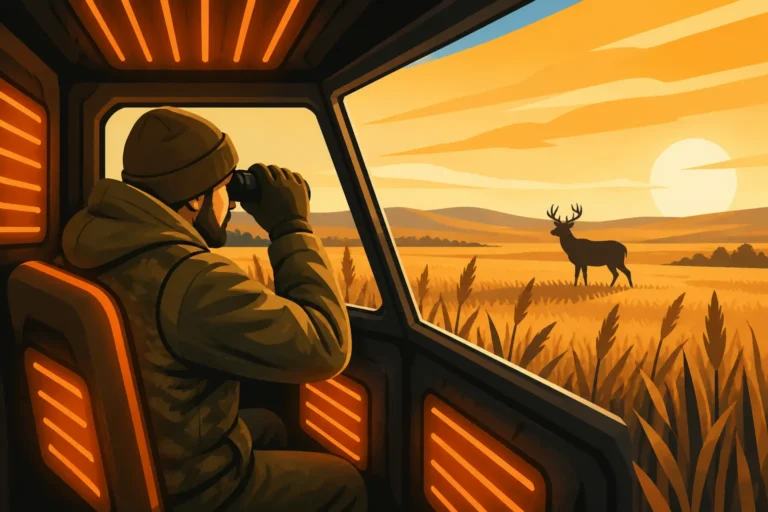
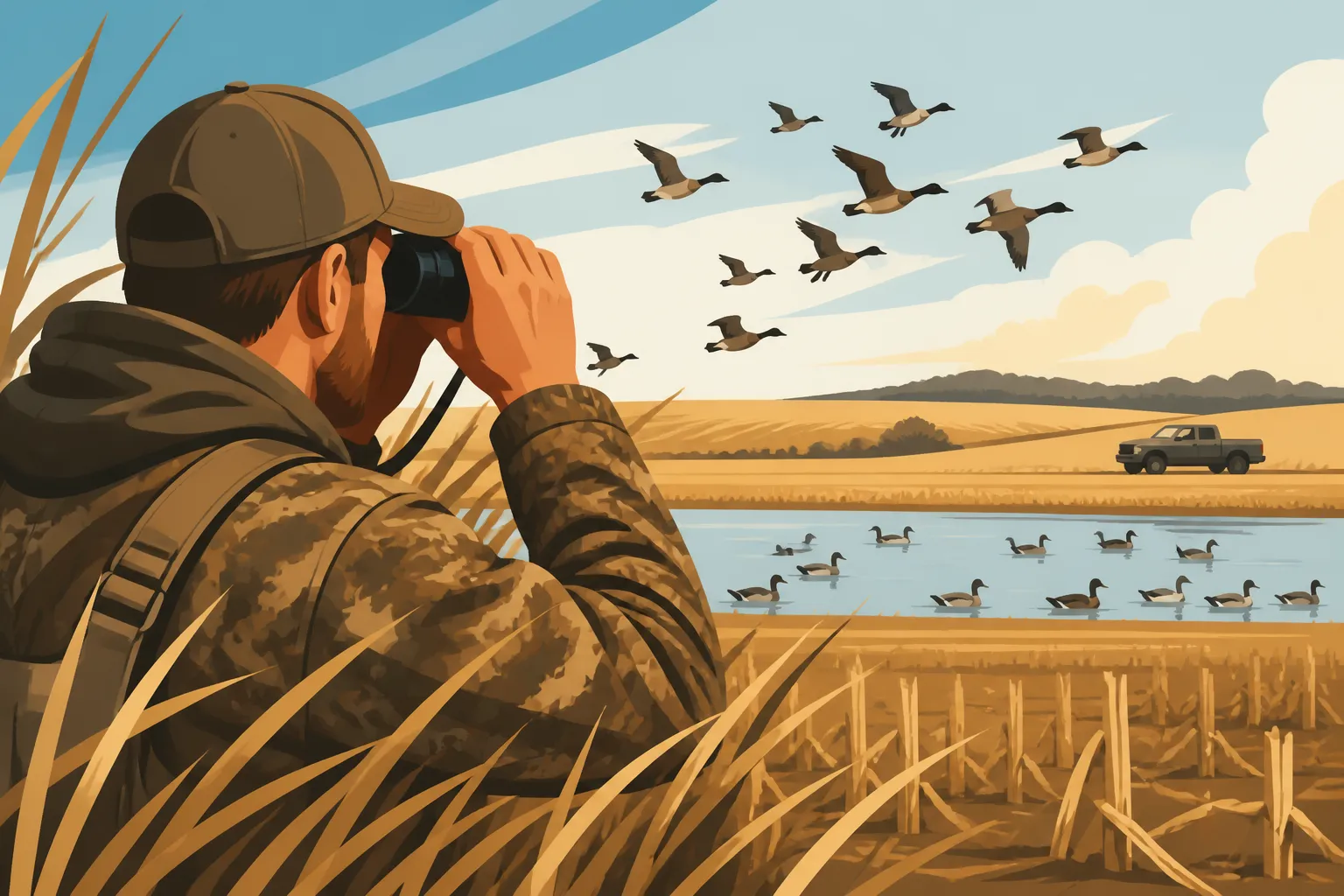
The most crucial scouting windows for waterfowl guides are typically the hour before sunrise and the hour after sunset. These are the times when birds are most active, flying from their roosting areas to feed, and then back again. Guides will be out on the grid roads, often starting well before dawn, driving established routes through their hunting zones. They're not just looking for birds; they're looking for patterns of flight. Are the birds flying low, indicating they're heading to a close-by field? Are they high and purposeful, suggesting a longer journey?
With high-quality binoculars and spotting scopes, guides scan the horizons, looking for silhouetted flocks against the rising or setting sun. They're trying to identify the species, estimate numbers, and pinpoint the exact section and quarter where birds are dropping in. Often, they’ll see birds "power lining" along a specific tree line or a major slough system, giving them a clue about favoured flight corridors. It's a game of observation and deduction, and missing even five minutes of this critical window can mean missing the key piece of information needed for the next day's hunt.
This active reconnaissance isn't a one-and-done deal. Birds can change fields daily, sometimes hourly, especially with pressure or changing weather. So, a field that was hot yesterday might be empty today. Guides might drive hundreds of kilometres in a single day, crisscrossing vast swaths of farmland, just to confirm where the main concentrations of birds are. They'll use their knowledge of the area, combined with real-time sightings, to narrow down the possibilities. Scouting Fields for Saskatchewan Waterfowl is a continuous process that demands vigilance and patience.
Mid-Day Ground Level Assessment
While early morning and late evening reveal flight patterns, mid-day scouting allows guides to get boots on the ground, so to speak, and confirm feeding activity. Once a field has been identified as a potential feeding ground from aerial observations, the guide will, with landowner permission, drive closer for a detailed inspection. They're looking for concrete evidence that birds have recently been there, and in significant numbers.
This involves looking for a multitude of signs: fresh droppings, which indicate very recent activity; an abundance of feathers, especially pin feathers, which birds drop while actively feeding; and noticeable disturbance in the stubble, particularly in pea or barley fields, where birds might have been scratching and grubbing for fallen grain. A field might look good from a distance, but a closer look might reveal it was just a passing flock, not a sustained feeding pattern. The guide is looking for "proof" that the birds are committed to that particular food source.
They also assess the field itself for setup potential. What's the wind direction going to be tomorrow? Where can decoys be set for maximum visibility? Are there natural hiding spots for blinds, like a small bluff, a low spot, or an existing shelterbelt? Setting a Goose Spread in Swathed Barley or Hunting Ducks on a Saskatchewan Stubble Field requires an intimate knowledge of the field's topography. Guides are thinking not only "where are the birds?" but "how can I effectively hunt them here?" This meticulous ground assessment ensures that when clients arrive, the setup is optimal for success.
Technology and Tools in Modern Scouting
While traditional fieldcraft remains paramount, modern waterfowl guides are increasingly leveraging technology to enhance their scouting efficiency and effectiveness. These tools don't replace old-fashioned grit, but they certainly sharpen the edge.
Leveraging Digital Mapping and Satellite Imagery
Today's guides rely heavily on digital mapping applications. Tools like onX Hunt, for example, allow them to view detailed satellite imagery, overlay property lines, identify Crown land, and mark potential hunting spots or access routes. This is incredibly useful for navigating the complex patchwork of private and public land that characterizes much of Saskatchewan's prime waterfowl country. Guides can identify remote sloughs, large standing crop fields not visible from the main roads, or even subtle topographical features that might funnel birds.
Satellite imagery can be invaluable for pre-scouting areas that are difficult to access by vehicle. A guide can zoom in on an image, looking for patterns in crop fields from previous years, or identifying water bodies that might serve as roosts. They can also plan their driving routes to maximize coverage while minimizing wasted time on dead-end roads or areas without permission. Just as big game hunters might use sophisticated platforms to plan their western hunts, waterfowl guides adapt these digital tools to their own needs, understanding that a well-planned route can save hours of driving.
These digital maps also allow for meticulous record-keeping. Guides can mark down exactly where birds were seen, what crop they were in, and the date and time. Over seasons, this builds an incredibly valuable database of bird patterns, preferred fields, and historical hotspots. This kind of detailed planning and mapping capability ensures that when clients are looking to book, they're choosing an outfitter who leaves nothing to chance.
Communication and Network Utilization
Even with advanced mapping, a guide's greatest asset can often be their network. Waterfowl guides in Saskatchewan operate within a community, and while competitive, there's often a shared understanding of regional bird movements. Guides might communicate with other trusted local contacts, including farmers, grain haulers, or even other guides in different areas, to get real-time intel on bird activity. "Have you seen any big pushes of specklebellies further north?" or "Are the snow geese piling into pea fields around Smithville yet?" These kinds of casual but critical conversations can save hours of independent scouting.
When multiple guides work for the same outfitter, communication is even more streamlined. They might use two-way radios or group messaging apps to share immediate updates: "Got 500 Canadas just dropped into Section 12-1-20 West, swathed barley." This real-time information allows the outfitter to direct clients to the best available field with minimal delay and adapt plans on the fly. It's an intricate dance of observation, communication, and rapid response.
This collaborative approach isn't just about finding birds; it's also about managing pressure. If one guide has a field absolutely hammered with birds, but another guide knows of a similar field that hasn't been hunted yet, they can strategize to spread out the hunting pressure, keeping birds in the area longer. This interconnected web of information is what truly sets a professional guide apart from a lone hunter trying to figure it all out on their own.
Decision Making and Adapting to Conditions
The art of waterfowl guiding lies not just in finding the birds, but in making the right decisions based on all the gathered information. It's about combining experience, current data, and a bit of intuition to choose the perfect spot for the next day's hunt.
Interpreting Bird Behavior and Weather Data
Scouting isn't just about noting where birds are; it's about understanding why they're there and what they're likely to do next. Guides meticulously interpret bird behavior. Are the birds feeding aggressively, indicating a hunger that will bring them back tomorrow? Or are they just loafing, suggesting they might move on? They observe flight paths – are they flying directly to a field or circling uncertainly? The answers to these questions help predict the birds' next move.
Weather data plays a huge role in this interpretation. A sudden drop in temperature combined with a strong north wind might push new birds into the area and encourage heavy feeding. Conversely, a warm, calm day might spread birds out across many fields, making them harder to pinpoint. Guides are constantly cross-referencing their bird observations with detailed weather forecasts. They know that Hunting Saskatchewan Winter Weather Safely means more than just staying warm; it means understanding how the cold changes bird habits. They might prioritize a field that offers more shelter or a specific food source that becomes more critical in harsh conditions.
This involves a lot of "reading the tea leaves." If a guide sees thousands of snow geese flying high and fast, they know those birds are likely just passing through on migration and won't be a reliable target for tomorrow. But if they see smaller, committed groups of Canada geese piling into a pea field, they know they have a solid plan. It's this continuous analysis and adaptation that allows guides to consistently put their clients in front of birds, day after day.
Selecting the Best Field for Tomorrow's Hunt
With all the scouting data in hand – morning flights, evening roosts, mid-day field checks, and weather forecasts – the guide must then make the ultimate decision: which field offers the best chance of success for tomorrow? This is where a guide's experience truly shines. They weigh factors like: bird numbers and commitment to a field, accessibility for clients and gear, wind direction for optimal decoy spread and blind concealment, and the potential for hunting pressure from other parties.
It's rare that there's one perfect, obvious field. Often, a guide has several good options, and they have to choose the best one, while also having backup plans. What if a sudden change in wind makes the primary field unhuntable? What if another hunting group gets into "their" field before dawn? A skilled guide always has contingencies, ensuring that even if the primary plan falls through, clients still have a strong alternative. This foresight is crucial for managing expectations and delivering a quality experience, especially for those who travel from afar, perhaps booking through a platform like BookYourHunt to experience Saskatchewan's legendary waterfowl.
Ultimately, selecting the field is a blend of science and art. It's backed by data, but it also relies on a guide's accumulated wisdom and intuition. They know how to position blinds for the sun, where to place decoys to draw birds effectively, and how to maximize the chances of a successful hunt. This meticulous, daily process is the reason why guided waterfowl hunts in Saskatchewan are so highly sought after.
Here's a quick comparison of key scouting methods:
| Scouting Method | Timing | Primary Focus | Key Tools | Advantages | Disadvantages |
|---|---|---|---|---|---|
| Pre-Season Intelligence | Year-round | Migration, landowner relations, crops | Maps, farmer network | Deep understanding, secure access | Long-term commitment, not real-time |
| Early/Late Field Reconnaissance | Dawn/Dusk | Flight patterns, roosts, species | Binoculars, spotting scope, vehicle | Real-time bird movement, large area coverage | Weather dependent, birds can be distant |
| Mid-Day Ground Assessment | Mid-day | Feeding signs, field setup, species | Boots on ground, optics | Confirms active feeding, assesses setup logistics | Time-consuming, requires access to specific fields |
| Digital Mapping/Satellite | Any time | Property lines, topography, access | GPS apps, computers | Efficient planning, remote scouting | Requires tech, satellite imagery can be dated |
| Network Communication | Real-time | Shared intel, regional movements | Phone, radio | Quick updates, broader perspective | Relies on others' accuracy, competitive aspects |
Disclaimer
This article is for general informational purposes only and does not constitute professional advice. Laws, prices and regulations vary by location and change over time. Consult a qualified professional for guidance on your specific situation.