What a Guided Bear Hunt Includes
For many hunters, the dream of pursuing a black bear in Saskatchewan's vast and wild landscape is a powerful draw. Yet, the idea of booking a guided hunt can bring up a lot of questions and sometimes anxieties about what you're actually paying for, what's expected, and what hidden costs might surprise you. This guide is here to unravel the typical components of a guided black bear hunt in Saskatchewan, helping you understand exactly what's included in those packages, what you'll need to budget for separately, and how to choose an experience that's right for you.
The Core Components of a Guided Bear Hunt Package
When you start looking at guided black bear hunts in Saskatchewan, you'll quickly notice that while prices can vary, most reputable outfitters follow a fairly standard package structure. This structure is designed to cover the essentials, ensuring you have a place to sleep, food to eat, and expert assistance in the field. Understanding these core inclusions is the first step to planning your adventure.
What's Typically Included: Lodging, Meals, and Guiding Services
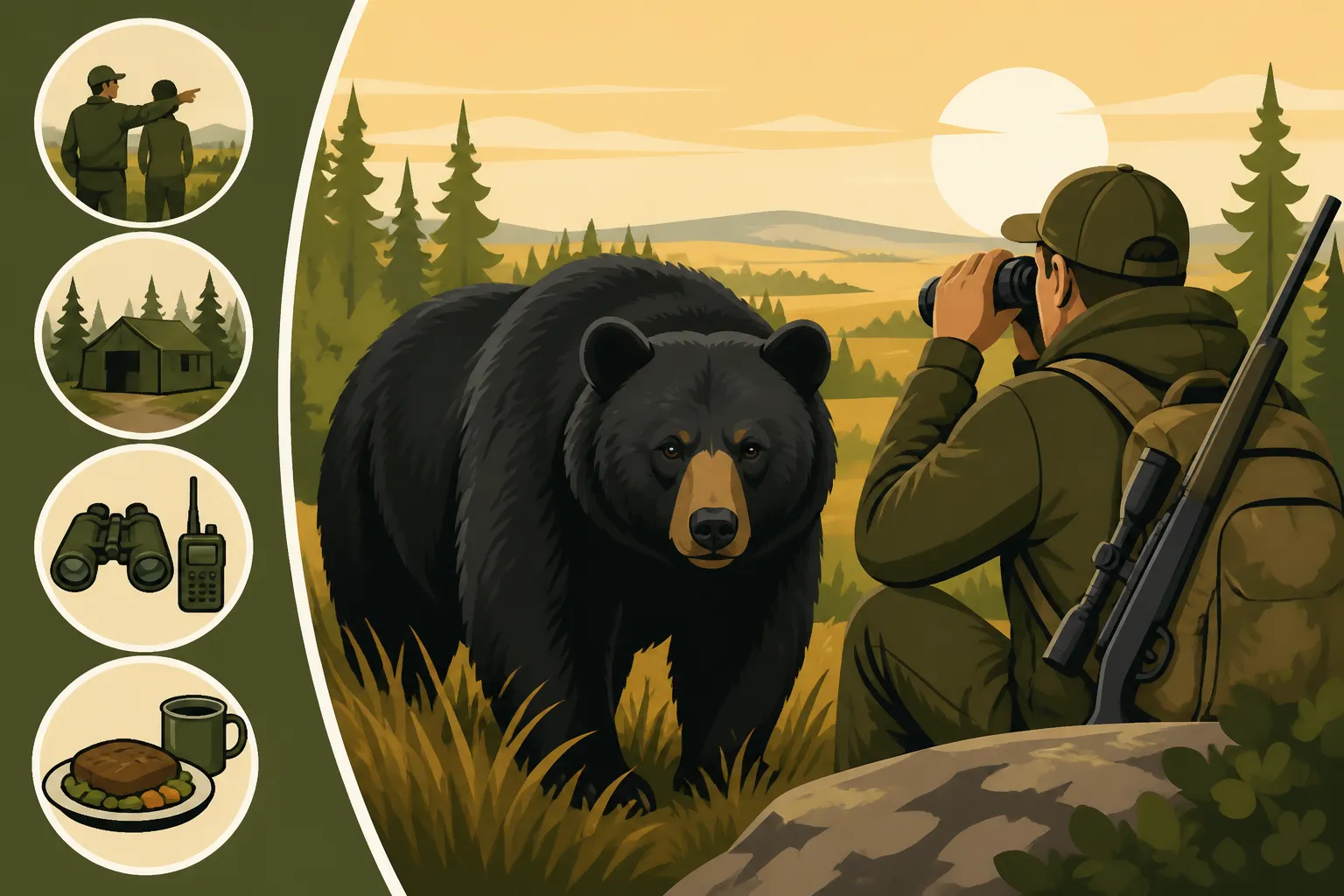
The heart of any guided hunt package is the provision of comfortable accommodations, nourishing meals, and, crucially, the professional guiding service itself. Lodging can range from rustic, cozy cabins deep in the bush to more modern lodges with amenities that feel a bit more like home. You might find yourself in a remote camp, accessible only by ATV or boat, or at a more permanent structure on the edge of the Hunting Saskatchewan's Boreal Forest Fringe. Regardless, the goal is to provide a safe and comfortable base from which to hunt. Outfitters understand that after a long day in the woods, a warm, dry place to rest is paramount.
Meals are another cornerstone of the package, and honestly, they're often one of the most memorable parts of the camp experience. You can expect hearty, home-cooked fare designed to fuel you for your hunts. Think big breakfasts to start the day, packed lunches for the stand, and substantial dinners to recount the day's events. Coffee's always on, and snacks are usually plentiful. Some camps might have a dedicated cook, while others might have guides pitching in. Either way, the aim is to ensure you're well-fed and energized for your time in Saskatchewan's bear country. The guiding service is, of course, the most critical inclusion. This means you'll have experienced, licensed professionals leading your hunt. They handle scouting, bait site preparation, transportation to and from stands, tracking, field dressing, and often much of the meat and trophy recovery. Their knowledge of bear behaviour, local terrain, and effective hunting strategies is invaluable, particularly in areas like the Nipawin and Hudson Bay Country which are known for their big bears.
Transportation and Logistics During the Hunt
Getting around in Saskatchewan's vast hunting areas, especially when pursuing black bears, requires specific logistical planning and equipment. Most guided packages include all necessary transportation once you arrive at the outfitter's main camp or designated meeting point. This typically involves rides in trucks, ATVs, UTVs, or even boats, depending on the terrain and the remoteness of the hunting grounds. For instance, if you're hunting in the northern reaches, a boat might be crucial for accessing remote bait sites along a river or lake. If you're in a more accessible forest fringe zone, trucks and ATVs are likely the primary mode of transport to various bait sites or scouting locations.
Outfitters often maintain a network of roads, cutlines, and trails to access their hunting areas and bait sites. They know these routes intimately, which is a huge advantage, as getting lost or stuck in the deep bush can be a serious safety concern for independent hunters. This logistical support also extends to the retrieval of your animal. Once a bear is down, the guides handle the challenging work of getting it out of the bush and back to camp for processing. This often involves heavy lifting, specialized equipment like winches or game carts, and navigating difficult terrain, all of which are factored into your package fee.
Pre-Hunt Preparation and Communication
A good outfitter doesn't just meet you at camp; they engage with you well before your hunt begins. Part of your package includes this crucial pre-hunt communication, which is vital for a successful trip. You can expect to receive detailed information regarding gear lists, recommended clothing for Dressing for Saskatchewan's November Cold (even for spring bear hunts, evenings can be chilly!), weapon requirements, and essential personal items. They'll also clarify what type of hunt you'll be on, whether it's solely a baited hunt or if other methods might be employed depending on the situation.
Many outfitters will also provide guidance on Saskatchewan Hunting Licences and What They Cost and how to navigate the province's HAL account system to ensure you have all your necessary permits squared away before you arrive. They understand the complexities of cross-border travel for international hunters, offering advice on Declaring a Firearm at the Canadian Border and ammunition regulations. This proactive communication helps set proper expectations, ensures you arrive fully prepared, and allows you to focus on the excitement of the hunt rather than worrying about forgotten details. For many, this support alone makes the guided experience worth it, as it eliminates much of the guesswork inherent in planning a hunt in an unfamiliar area.
Understanding What's Not Included and Hidden Costs
While guided bear hunt packages are comprehensive, it’s absolutely critical to understand what they don’t cover. Misunderstandings about these exclusions can lead to unexpected expenses and sour an otherwise fantastic hunting experience. Always read your outfitter contract carefully and ask specific questions about anything that seems unclear.
Licensing, Tags, and Habitat Certificates
One of the most common areas where hunters get surprised by extra costs is related to their hunting permits. Your guided hunt package fee almost universally does not include the cost of your Saskatchewan hunting license, your black bear tag, or the Wildlife Habitat Certificate. These are personal expenses that each hunter must purchase separately. For non-residents, these costs can add up, and they are typically paid directly to the provincial government through the Saskatchewan HAL system or via the outfitter who may facilitate the purchase on your behalf.
It's not just the primary licence and tag; sometimes there are additional fees like the federal migratory bird permit if you plan on combining your bear hunt with some Waterfowl Hunting Saskatchewan's Grain Fields (though this is less common for bear hunters). Always verify the exact amount and the purchasing process with your outfitter well in advance. They will often provide clear instructions on how to set up a Setting Up a Saskatchewan HAL Account and purchase the correct documents. For non-resident hunters, be aware that you'll need to show proof of a valid hunting license from your home jurisdiction to obtain a Saskatchewan license.
Travel to and from Saskatchewan
Getting yourself to Saskatchewan is almost always your responsibility and expense. This includes airfare, if you're flying into one of Saskatchewan's major airports like Saskatoon (YXE) or Regina (YQR), or the cost of fuel and vehicle maintenance if you're driving. Once you arrive in Saskatchewan, you'll also need to budget for transportation from the airport or border crossing to the outfitter's designated meeting point or main camp.
Some outfitters might offer a shuttle service from a nearby airport or bus terminal for an additional fee, or as a courtesy if their camp is relatively close. However, it's never safe to assume this is included. Always clarify this arrangement and any associated costs beforehand. Factor in potential overnight stays in a hotel before or after your hunt if your travel schedule dictates, especially if you have an early flight out or a late arrival. This leg of the journey can be a significant expense, so make sure it's accurately accounted for in your overall budget.
Meat Processing, Taxidermy, and Shipping
After a successful hunt, celebrating your harvest is wonderful, but then comes the practical matter of what to do with the animal. Most outfitters will perform the initial field dressing and caping of your bear, preparing it for transport. However, the subsequent processing of the meat into cuts suitable for consumption, or the detailed taxidermy preparation of the hide and skull for a trophy, are typically not included.
You'll need to budget for professional meat processing, which can be done by local butchers in Saskatchewan. Your outfitter can usually recommend trusted local processors. Similarly, if you plan to have a rug or a skull mount, you'll need to pay a taxidermist. Many outfitters can connect you with local taxidermists who are experienced in handling bear hides and skulls. Transporting your processed meat and trophy back home, especially across international borders, involves additional costs for specialized shipping, coolers, or crates. Always inquire about the logistics and estimated costs for these services well in advance, particularly regarding Taking Meat and Antlers Across the Border.
Gratuities and Personal Expenses
It's customary in the guided hunting industry to tip your guides and camp staff for their hard work and dedication. These gratuities are a significant part of their income and are never included in your package price. The amount is at your discretion, but generally, a percentage of your hunt cost is a good guideline. It’s important to budget for this as a standard expense, not an optional extra.
Beyond tips, remember to account for personal expenses. This could include alcoholic beverages, snacks you prefer beyond what's provided, souvenirs, or any specialized gear you might need to purchase last-minute. Some camps might have small general stores, but often you're in remote areas where quick trips to town aren't feasible. Consider any medications, toiletries, or comfort items you'll want. Also, factor in any unexpected costs, like a damaged piece of gear that needs replacement or extra fuel if you decide to explore on your own (with permission, of course) after your bear is tagged.
| Category | Typically Included (✔) | Typically Excluded (X) | Notes |
|---|---|---|---|
| Lodging | ✔ | From rustic cabins to comfortable lodges. | |
| Meals (Breakfast, Lunch, Dinner) | ✔ | Hearty, home-cooked, and plentiful. | |
| Guiding Services | ✔ | Professional guides, scouting, baiting, tracking, field dressing. | |
| In-hunt Transportation | ✔ | ATVs, trucks, boats for accessing hunting areas and game retrieval. | |
| Pre-hunt Communication | ✔ | Gear lists, preparation advice, licensing guidance. | |
| Saskatchewan Hunting Licence | X | Must be purchased separately via HAL account. | |
| Black Bear Tag | X | Specific to the bear, purchased with licence. | |
| Wildlife Habitat Certificate | X | Mandatory for all Saskatchewan hunters. | |
| Travel to/from Saskatchewan | X | Airfare, fuel, vehicle costs to reach the outfitter's meeting point. | |
| Airport Shuttle | X (often extra) | Clarify with outfitter; may be an additional fee or not offered. | |
| Meat Processing | X | Butcher services to cut, wrap, and freeze meat. | |
| Taxidermy Services | X | Skinning for mounting, skull cleaning, mounting fees. | |
| Shipping Meat/Trophy Home | X | Specialized coolers, freight, border paperwork. | |
| Gratuities for Guides/Staff | X | Customary and expected; a significant part of staff income. | |
| Alcoholic Beverages | X | Bring your own or purchase if available at camp. | |
| Personal Gear & Sundries | X | Clothing, toiletries, medications, snacks. |
Types of Guided Bear Hunts and Their Variations
Saskatchewan offers diverse black bear hunting opportunities, and guided experiences are tailored to these different conditions and hunter preferences. Understanding the common types of guided bear hunts will help you choose the adventure that best suits your style and expectations.
Baited Hunts: The Saskatchewan Standard
By far, the most prevalent and successful method for guided black bear hunting in Saskatchewan is over bait. This isn't just a casual scattering of treats; it's a highly sophisticated and time-intensive process that reputable outfitters invest heavily in. Weeks, or even months, before the season begins, guides establish numerous bait sites across their allocated hunting territory. These sites are regularly refreshed with attractants like pastries, grains, and meat scraps, conditioning bears to visit them during daylight hours. Setting a Bear Bait Site in Saskatchewan is a science, and outfitters dedicate significant resources to it.
Hunters typically sit in ground blinds or tree stands positioned strategically near these bait sites. The advantage of baited hunts is the increased chance of encountering multiple bears, allowing you to be selective about the size and quality of the animal you wish to harvest. It also provides opportunities for close-range shots, which is ideal for both rifle and Bowhunting Saskatchewan's September Season. Outfitters manage these sites diligently, often using trail cameras to monitor bear activity and inform hunters on which stand might be most productive on a given day. This method is particularly effective in the dense boreal forest and forest fringe areas of Saskatchewan, where natural food sources can be scattered, making baits highly appealing.
Spring vs. Fall Bear Hunts: What Changes
Saskatchewan offers both spring and fall black bear seasons, and a guided hunt will vary significantly depending on which season you choose. Spring bear hunts, which typically run from May into June, are incredibly popular. Bears are just emerging from hibernation, often hungry and focused on finding food. This can make them more active and predictable around bait sites. During the spring, you have a better chance of seeing a boar (male bear) actively searching for sows, as the breeding season often coincides with the hunt. The lush green landscape emerging from winter also adds to the beauty of the experience.
Fall bear hunts, typically in September and October, present a different set of opportunities. Bears are in full "hyperphagia," gorging themselves to put on fat reserves for winter hibernation. While baiting is still effective, bears might also be found feasting on natural food sources like berries, nuts, and grain fields. This can make them a bit less predictable on bait compared to spring. However, fall hunts often coincide with other hunting seasons, allowing for unique combo opportunities, perhaps with deer or waterfowl in certain zones. The cooler temperatures of fall can also make Meat Care in Saskatchewan's Cold Snaps a bit easier, and the autumn colours of the forest are truly stunning. Your outfitter will guide you on the best timing depending on what kind of experience you're after, whether it's Timing a Saskatchewan Spring Bear Hunt or the later fall season.
Combo Hunts and Specialized Packages
While a dedicated black bear hunt is fantastic, some Saskatchewan outfitters offer combination packages that allow you to pursue multiple species. These "combo hunts" are especially popular in the fall when several hunting seasons overlap. Imagine a morning chasing geese in a stubble field, then spending your afternoon in a bear stand! Common combos might include a black bear hunt paired with a waterfowl hunt, or in some specific zones, even a Whitetail Hunting in Saskatchewan opportunity. These specialized packages cater to hunters who want to maximize their time in Saskatchewan and experience the diverse hunting opportunities the province offers.
Some outfitters might also offer packages tailored to specific preferences, such as bow-only hunts, rifle-only hunts, or even hunts designed for youth or disabled hunters, with accessible blinds and accommodations. It's worth discussing your specific interests with potential outfitters, as they may be able to customize an experience for you. Platforms like BookYourHunt and GoHunt sometimes highlight these specialized packages, making it easier to find an outfitter that matches your unique needs and desires.
Choosing the Right Outfitter and What to Expect
Selecting the right outfitter is arguably the most crucial decision you'll make when planning a guided bear hunt. A good outfitter isn't just a guide; they're an experience curator, ensuring your safety, comfort, and the best possible chance at a successful hunt.
Researching Outfitters and Their Reputations
In today's connected world, researching outfitters is easier than ever, but it still requires diligence. Start by looking at outfitters who operate in Saskatchewan's prime bear country, such as the Hunting Saskatchewan's Boreal North or the forest fringe regions known for their healthy bear populations and potential for colour phase bears. Websites like BookYourHunt and GoHunt are excellent starting points, offering listings, photos, and often reviews from past clients. However, don't stop there.
Dive deeper into individual outfitter websites. Look for consistency in their offerings, clear communication, and professional presentation. Crucially, seek out independent reviews and testimonials, not just the ones posted on their own site. Hunting forums, social media groups, and even a simple internet search for "outfitter name reviews" can yield valuable insights. Pay attention to comments about guide professionalism, camp quality, food, and, importantly, ethical practices. A reputable outfitter will always be licensed and able to provide references from previous hunters; don't hesitate to ask for them. This due diligence can save you from disappointment and ensure you're entrusting your hunt to professionals.
Communication is Key: Asking the Right Questions
Once you've narrowed down a few potential outfitters, pick up the phone or send detailed emails. This direct communication is invaluable for Questions to Ask Before Booking and for assessing their responsiveness and clarity. Don't be afraid to ask specific questions, even if you think they're minor. You're investing significant time and money, and you deserve to feel completely comfortable with your choice.
Here's a list of essential questions to consider:
- What is the total price, including all "extra" fees (e.g., permits, airport pickup)?
- What is the hunter-to-guide ratio? (e.g., one-on-one or two-on-one guiding)
- What specific type of blinds or stands are used (e.g., ground blinds, ladder stands, enclosed blinds)?
- How far are the bait sites from camp?
- What is the typical shot distance?
- What is their policy on wounded game?
- Can they provide references from hunters who hunted specifically for bear in the past year or two?
- What are the camp rules regarding alcohol, firearms storage, and daily schedules?
- What happens if you fill your tag early? Are there opportunities for other activities?
- What are their emergency protocols, especially in remote areas where Saskatchewan Cell Coverage Ends?
The way an outfitter answers these questions—their patience, honesty, and thoroughness—can tell you a lot about their operation and whether it aligns with your expectations.
Understanding Success Rates and Expectations
Every hunter dreams of a successful harvest, but it's important to approach reported "success rates" with a realistic perspective. An outfitter might advertise a 90% success rate, but what does that truly mean? Does it refer to opportunity (seeing a bear) or harvest (taking a bear)? Does it include every bear seen, or just "trophy" class bears? Ask for clarification. A high opportunity rate is excellent, as it indicates a healthy bear population and effective baiting strategies, but ultimate harvest always depends on the hunter's skill, patience, and sometimes, a little luck.
A truly ethical outfitter will manage your expectations, emphasizing the hunt experience over a guaranteed kill. They'll explain that factors like weather, bear activity, and hunter error can all influence the outcome. Saskatchewan is known for growing big bears, including impressive Colour Phase Black Bears in Saskatchewan, but these aren't found at every bait site, every day. Focus on finding an outfitter who promises a quality hunting experience, dedicated effort from their guides, and a comfortable, safe camp. This realistic approach will help ensure that whether you punch your tag or not, you'll still have had an incredible and memorable adventure in Saskatchewan's wilderness.
Maximizing Your Guided Bear Hunt Experience
Once you've booked your guided black bear hunt in Saskatchewan, the real excitement begins! But a successful and enjoyable trip isn't just about showing up; it's about preparing yourself, your gear, and your mindset to make the most of every moment in the bush.
Physical and Mental Preparation
Black bear hunting, particularly when sitting for extended periods at a bait site, might not demand the same level of physical exertion as a mountain elk hunt, but don't underestimate the need for adequate preparation. Being in reasonable physical shape will make navigating rough terrain to and from stands easier, especially during game retrieval. More importantly, mental fortitude plays a huge role. You'll likely spend long hours in a blind, often alone, waiting patiently. This requires focus, stillness, and the ability to manage boredom or discomfort. Practicing mindfulness or simply training yourself to sit quietly for extended periods can significantly enhance your experience.
Your outfitter will want to know if you have any medical conditions or physical limitations, so communicate openly with them. This ensures they can place you in appropriate blinds or stands that are easily accessible and safe. Mentally preparing for all outcomes, from harvesting a dream bear to simply enjoying the solitude and wildlife, will set you up for a positive experience. Remember, a guided hunt is an immersion in nature, so embrace the quiet, observe the smaller creatures, and appreciate being Hunting Saskatchewan's Bush Bluff or Hunting a Pipeline Right-of-Way with a chance at a magnificent animal.
Essential Gear and Clothing
The right gear can make or break your comfort and effectiveness on a guided bear hunt. While your outfitter will provide a comprehensive list, here are some key areas to focus on:
- Layered Clothing: Saskatchewan weather can be unpredictable, even during spring bear season. Layers are crucial – base layers for wicking moisture, insulating mid-layers, and a waterproof/windproof outer shell. Think quiet fabrics that won't spook game. Even in May, evenings can be cool enough to warrant Staying Warm in a Saskatchewan Stand.
- Quality Footwear: Comfortable, waterproof, and insulated boots are a must. You'll be walking to stands, potentially tracking, and dealing with damp ground. Good socks are equally important to prevent blisters and keep your feet warm.
- Optics: Binoculars are invaluable for scanning bait sites and surrounding areas, helping you identify bears, judge size, and detect other wildlife without making unnecessary movement.
- Weapon and Ammunition: Bring a reliable rifle, shotgun (where legal and appropriate), or bow that you are proficient with. Practice extensively before your trip to ensure ethical and accurate shots. Most outfitters will have a target set up for a quick check of your zero once you arrive. Ensure you have ample, legal ammunition, understanding Ammunition Rules at the Border if you're traveling internationally.
- Personal Items: Don't forget essentials like a headlamp, small backpack, water bottle, insect repellent (especially for spring hunts), personal medications, camera, and a good book or quiet entertainment for downtime.
A well-prepared gear bag demonstrates respect for the outfitter's efforts and significantly increases your personal comfort and enjoyment, allowing you to focus on the hunt itself.
Ethical Considerations and Bear Hunting Best Practices
Part of a guided hunt means adhering to the outfitter's ethical standards and the local regulations, which are designed to ensure sustainable hunting practices and animal welfare. When Judging a Boar From a Sow With Cubs, for instance, it's crucial to be absolutely certain you're targeting a boar and not accidentally leaving orphaned cubs. Responsible outfitters will be very strict on this point and will coach you on how to make correct identifications in the field.
Best practices extend beyond just identifying the animal. It includes taking responsible shots, understanding your weapon's limitations, and waiting for the right opportunity to ensure a quick, humane kill. Always communicate clearly with your guide if you're unsure about a shot or need assistance. After the harvest, participate in the field dressing and meat care process as much as you're able, learning from your guides. Understanding Saskatchewan's CWD Testing Rules and submitting your bear's sample (if required) is also an important part of responsible hunting. A guided hunt is a privilege, offering incredible access to Saskatchewan's natural resources. Approaching it with respect for the animal, the land, and the people who make these experiences possible will ensure a truly rewarding adventure.
Disclaimer
This article is for general informational purposes only and does not constitute professional advice. Laws, prices and regulations vary by location and change over time. Consult a qualified professional for guidance on your specific situation.