Planning Around the Five-Day Bird Terms
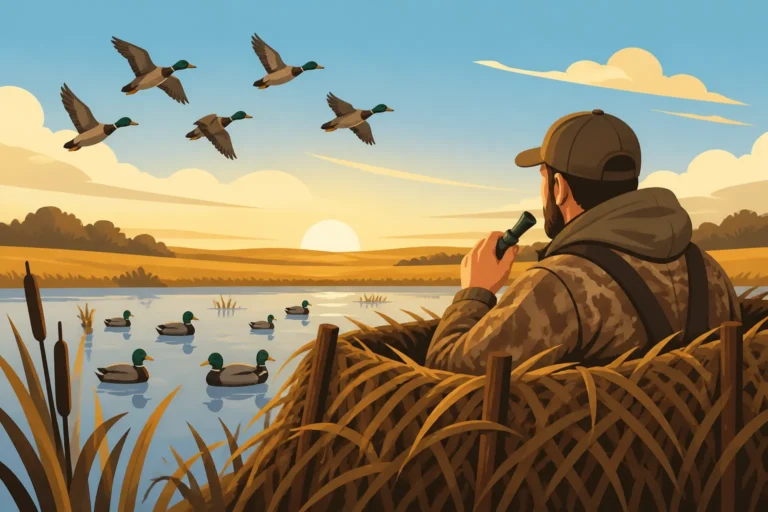
Anyone who's ever dreamed of a Saskatchewan waterfowl hunt knows the legendary reputation this province holds for ducks and geese. The sheer number of birds, the vast grain fields, and the endless prairie skies are truly something to behold. However, a common point of confusion and sometimes frustration for hunters, especially those travelling from outside the province, revolves around Saskatchewan's specific five-day bird terms. This guide is here to untangle those rules, help you understand why they're in place, and offer practical advice for planning a smooth, successful hunt around these unique requirements.
Understanding Saskatchewan's Five-Day Bird Terms
The first step to a stress-free waterfowl trip in Saskatchewan is truly grasping the regulations that govern it. It's not just a suggestion; these are specific, enforceable rules designed to manage hunting pressure and opportunity.
What Exactly Are These Terms?
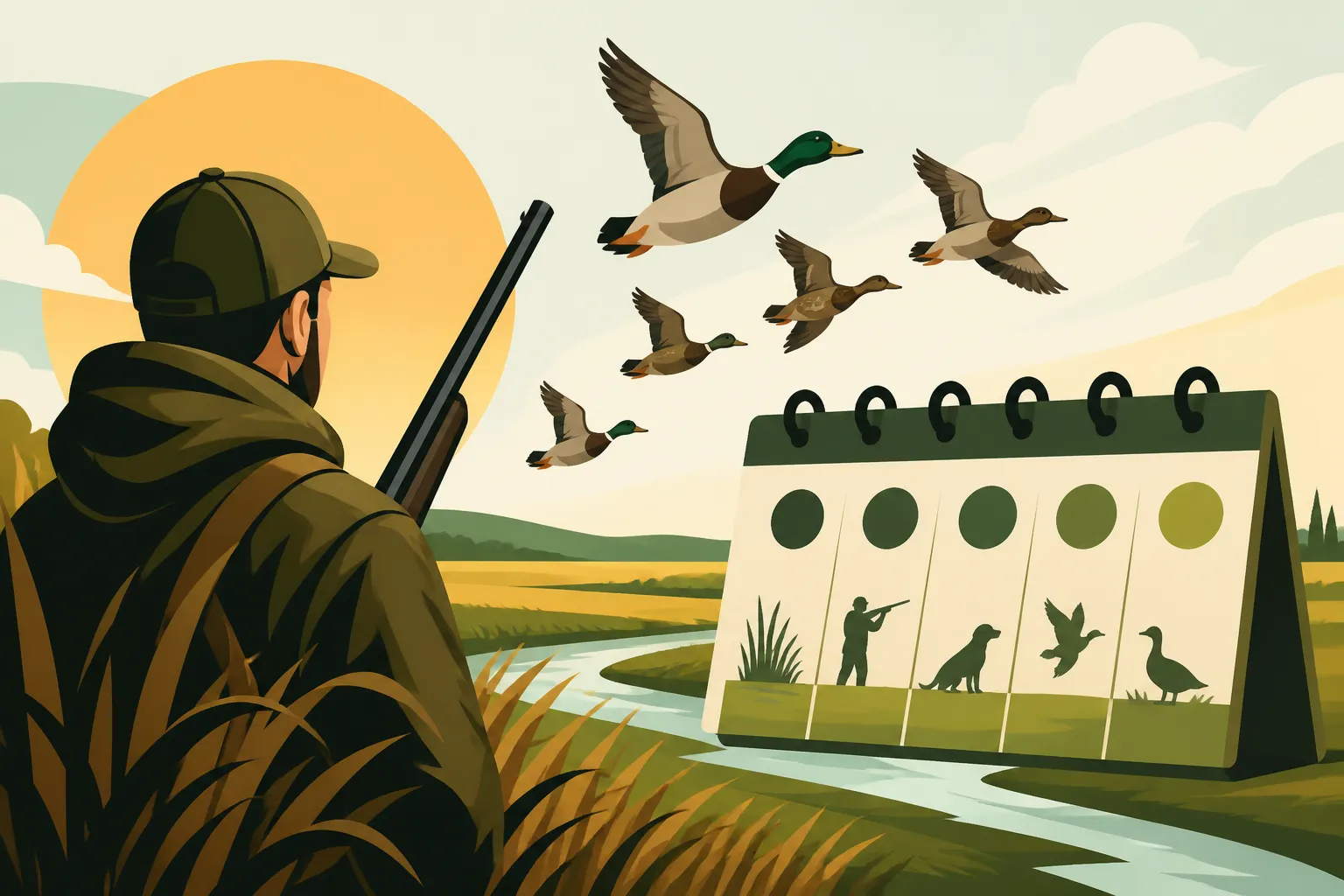
At its core, Saskatchewan's five-day bird terms refer to the specific regulation that restricts non-resident hunters to a maximum of five hunting days for migratory game birds within a specific hunting season. This isn't five calendar days from when you arrive; it's five actual hunting days. If you arrive, scout, and set up on Monday, but don't pull the trigger until Tuesday, then Tuesday counts as day one. This distinction is crucial for planning your travel and your actual time in the field. It means you can't just hunt for five consecutive days and then start a new five-day block. It's a total allowance for the season. This rule specifically applies to non-residents, so if you're a Saskatchewan resident, these particular limitations don't apply to your game bird hunts. The goal, from the province's perspective, is to ensure fair access and sustainable hunting opportunities for everyone, given the immense popularity of waterfowl hunting here.
Why Was This Rule Implemented?
The implementation of the five-day bird terms for non-resident hunters wasn't arbitrary; it came about due to a combination of factors, primarily concerning resource management and equitable access. Saskatchewan is world-renowned for its incredible waterfowl hunting, attracting hunters from all over North America and beyond. With such high demand, particularly during peak migration periods, there was a need to regulate hunting pressure to ensure sustainable populations and to maintain a high-quality hunting experience for both residents and visitors. Before these terms were put in place, concerns arose about the potential for overharvesting and intense competition for prime hunting spots, especially with the rise of commercial outfitters. You can dive deeper into Why Saskatchewan Restricted Non-Resident Bird Licences for more historical context.
The five-day term acts as a mechanism to distribute hunting pressure more evenly throughout the season and among different groups of hunters. By limiting non-residents to a fixed number of days, it encourages shorter, more focused hunts and opens up opportunities for other hunters during different parts of the season. It's a balance between promoting tourism and protecting the resource that makes Saskatchewan such a draw in the first place. This approach helps prevent a few individuals or groups from dominating the best fields for extended periods, aiming to preserve the long-term health of the migratory bird populations that depend on Saskatchewan's vast wetlands and agricultural lands.
Practical Strategies for Planning Your Hunt
Navigating the five-day bird terms doesn't have to be a headache. With smart planning, you can still have an incredibly rewarding and action-packed waterfowl trip. It's all about making every moment count and understanding the flow of your trip.
Maximizing Your Hunting Window
Since you're limited to five hunting days, every one of those days needs to be a cracker. This means your travel logistics become even more critical. You'll want to schedule your arrival and departure to allow for at least one full day before and after your five hunting days for travel, setup, and breakdown. For instance, if you're flying in, consider arriving on a Sunday, scouting and getting gear ready on Monday, hunting Tuesday through Saturday, and then travelling home on Sunday or Monday. This gives you a clear five-day block where your focus is entirely on the birds. Remember to always consult the current Saskatchewan Game Bird Seasons and Limits to ensure your dates align perfectly.
Another strategy is to be incredibly efficient with your scouting. Many hunters use satellite imagery services like GoHunt to get a lay of the land before they even arrive, identifying potential feeding fields or roosting areas. Once on the ground, dedicate any non-hunting days to driving around, observing bird patterns, and securing permission on private land. This way, when your five hunting days officially begin, you're not wasting precious time trying to figure out where to go. Being prepared with permission slips, scouting reports, and ready-to-go decoy spreads means you can hit the ground running at first light each morning. It's about front-loading the preparation so your hunting days are pure action.
Working with Outfitters and Guides
For many non-resident hunters, especially those new to Saskatchewan or unfamiliar with the regulations, booking with a reputable outfitter is often the best way to navigate the five-day bird terms. Outfitters are well-versed in these rules and typically structure their packages to optimize your hunting experience within these limitations. They've already done the scouting, secured permissions, and have the gear, decoys, and experienced guides to put you on birds quickly and efficiently.
When you book a Saskatchewan Waterfowl Outfitter Package, most will offer a five-day hunt package designed specifically for non-residents. This usually includes accommodation, meals, guided hunts for five full days, and often transport to and from the field. Some outfitters might even assist with your Saskatchewan Migratory Bird Permits and general licensing process, making the entire trip much smoother. When researching outfitters, platforms like BookYourHunt can be a great resource to compare different offerings and read reviews, helping you find a guide service that aligns with your expectations and budget. Don't be shy about asking specific questions about how they manage the five-day terms and what a typical schedule looks like during your chosen dates.
| Day of Trip | Activity (Example for Non-Resident) | Counts Towards 5-Day Term? |
|---|---|---|
| Day 1 | Travel to Saskatchewan, settle into lodge/camp | No |
| Day 2 | Gear check, scouting, securing permissions, target practice | No |
| Day 3 | First Hunting Day: Morning/Afternoon Hunt | Yes (Day 1 of 5) |
| Day 4 | Second Hunting Day: Morning/Afternoon Hunt | Yes (Day 2 of 5) |
| Day 5 | Third Hunting Day: Morning/Afternoon Hunt | Yes (Day 3 of 5) |
| Day 6 | Fourth Hunting Day: Morning/Afternoon Hunt | Yes (Day 4 of 5) |
| Day 7 | Fifth Hunting Day: Morning/Afternoon Hunt | Yes (Day 5 of 5) |
| Day 8 | Meat processing, packing, local sightseeing | No |
| Day 9 | Travel from Saskatchewan | No |
This example demonstrates how careful scheduling allows you to enjoy nine days in the province while adhering strictly to the five hunting day limit. It's a common structure for non-resident bird hunters.
Common Pitfalls and How to Avoid Them
Even with the best intentions, it's easy to stumble over the nuances of the five-day bird terms if you're not meticulous in your planning. Understanding where hunters typically go wrong can save you a lot of grief and ensure your trip isn't cut short.
Misinterpreting the Calendar
One of the most common mistakes hunters make is misinterpreting what constitutes a "hunting day." It's not just the days you shoot a bird; it's any day you are actively participating in a migratory bird hunt. This means if you're in the blind with a loaded gun, even if no birds decoy, that day counts towards your five. Some hunters, particularly those trying to DIY their trip, might accidentally start their clock early by doing a "soft hunt" that involves being afield with firearms, thinking it's just scouting. It's crucial to be clear: if you're carrying a firearm for hunting purposes, you're hunting. You'll find specific details on this in Saskatchewan's Five-Day Game Bird Terms.
Another pitfall is not accounting for travel delays or unexpected weather. A late arrival or an extra day needed to recover birds can eat into your non-hunting days, potentially pushing your actual hunting time into periods you hadn't planned for. Always build in buffer days. If you're driving, know that conditions can change rapidly in the fall, especially later in the season. Heavy snow or freezing rain can turn a short drive into an all-day affair, impacting your schedule. Plan your schedule carefully, communicate it clearly with your hunting partners, and always have a contingency plan for unexpected delays to protect your precious five hunting days.
Logistics Beyond the Hunt Days
Beyond the actual hunting, there are significant logistical considerations that need to be factored into your overall trip planning, especially when constrained by the five-day term. For instance, what happens to your harvested birds? Many hunters underestimate the time and effort involved in processing and packing game. You'll need to locate local meat processors or plan for self-processing, which requires cooler space and supplies. If you fill your limits quickly, this processing time might fall outside your five hunting days, which is perfectly fine, but it needs to be scheduled.
Furthermore, consider your return journey. If you're flying, there are strict rules about transporting game meat and Non-Toxic Shot Requirements for Waterfowl for airlines. You'll need appropriate coolers and potentially dry ice, all of which take time to acquire and prepare. Some outfitters offer services for processing and packaging game, or can direct you to local services, which can be a huge help. Factor in a "rest and pack" day after your final hunt day. This allows you to relax, properly care for your harvest, and get ready for the trip home without feeling rushed. Rushing can lead to mistakes, missed items, or improperly handled game, none of which you want after a successful hunt.
Making the Most of Your Saskatchewan Waterfowl Adventure
Even with the five-day terms, a Saskatchewan waterfowl hunt is an unforgettable experience. It requires a strategic mindset, a bit of flexibility, and a willingness to embrace the journey.
Flexibility and Adaptation
The best-laid plans can sometimes go awry, especially when dealing with wildlife and weather. Migratory birds move with weather fronts, food availability, and hunting pressure. What was a hot field yesterday might be devoid of birds today. Being flexible and adaptable is paramount. This is where good scouting, constant communication with locals or your outfitter, and a willingness to adjust your strategy come into play. If your primary spot isn't producing, be ready to move. This might mean driving to a different area or shifting your focus from geese to ducks, or vice versa.
This flexibility extends to your mindset. Don't go into the hunt with rigid expectations that might lead to disappointment. Instead, focus on the experience itself – the camaraderie, the stunning sunrises over endless fields, the sound of thousands of wings in the air. While the five-day term dictates when you hunt, it doesn't dictate the quality of the moments you'll have in the field. Embrace the challenge of scouting and adapting, as this is often where the most memorable stories are made. Remember, Saskatchewan offers incredible variety, from Field Hunting Geese in Saskatchewan Stubble to Pothole Hunting Prairie Ducks, so be ready to try it all.
Beyond the Birds: Embracing the Experience
While the primary goal is often to fill those limits, a Saskatchewan waterfowl hunt is about so much more than just the birds in the bag. It's about immersing yourself in the vast, wild beauty of the prairie and parkland. It's about the crisp morning air, the sound of honking geese long before you see them, and the incredible displays of nature that unfold around you. Take time to appreciate the incredible agricultural landscape, the hospitality of the local communities, and the unique culture of hunting in this province.
Even on non-hunting days, or if the birds aren't cooperating, there's plenty to enjoy. Explore a small town, visit a local diner, or simply enjoy the quiet solitude of the Saskatchewan landscape. Many hunters find immense satisfaction in the meticulous preparation: Setting a Goose Spread in Swathed Barley, calling in a flock of honkers, or simply sharing stories around a campfire. Think of the five-day term not as a restriction, but as a framework that encourages you to be present, to be strategic, and to truly savor every moment of your hard-earned time in one of North America's premier waterfowl destinations. It's an adventure that builds memories, regardless of the final bird count.
Disclaimer
This article is for general informational purposes only and does not constitute professional advice. Laws, prices and regulations vary by location and change over time. Consult a qualified professional for guidance on your specific situation.