When Saskatchewan’s Archery Season Opens
The crisp morning air, the rustle of leaves as you sneak through the pre-dawn darkness, the thrill of anticipating that first encounter – for many Saskatchewan bowhunters, the wait for archery season to open feels like an eternity. Trying to pin down exact dates, especially with varying regulations across different zones and species, can be a real headache. This comprehensive guide is here to cut through the confusion, clearly outlining when Saskatchewan's archery season officially opens and what you need to know to make the most of those coveted early weeks.
Understanding Saskatchewan's Archery Season Structure
Saskatchewan is a hunter's paradise, and for those who choose the bow, the province offers some fantastic opportunities to get out into the field earlier than their rifle-toting counterparts. This extended season for archers isn't just a perk; it's a strategic decision by wildlife management to spread out hunting pressure and provide diverse experiences. Bowhunting demands a different level of stealth, patience, and proximity to game, and the earlier opening dates acknowledge these unique challenges and rewards.
The Early Bird Advantage for Bowhunters
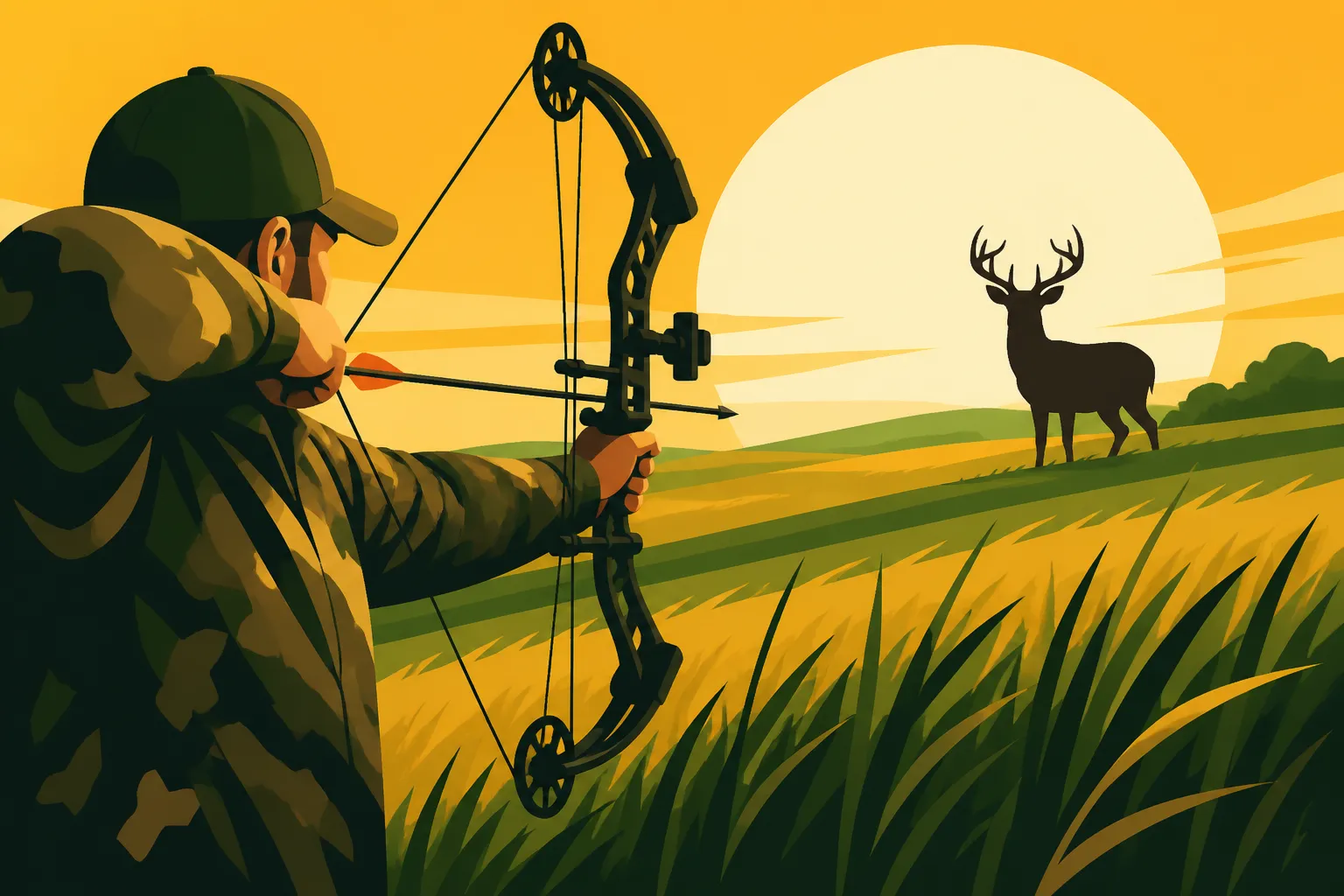
One of the biggest draws of archery season in Saskatchewan is the chance to hunt before the general rifle seasons kick off. This "early bird" advantage is a game-changer for many. Imagine heading into the bush or along a field edge in early September, the weather still mild, with deer still on their predictable summer patterns. There's less hunting pressure from other hunters, meaning the animals are often less wary and haven't been pushed around much yet. It’s also the prime time to catch a buck still in velvet, a truly unique trophy for those who appreciate it. The longer daylight hours also mean more time in the stand or still-hunting, making those early mornings and late evenings feel less rushed. This is a special time, before the chill truly sets in and before the landscape transforms into its starker winter attire.
General Archery Season Dates Across Species
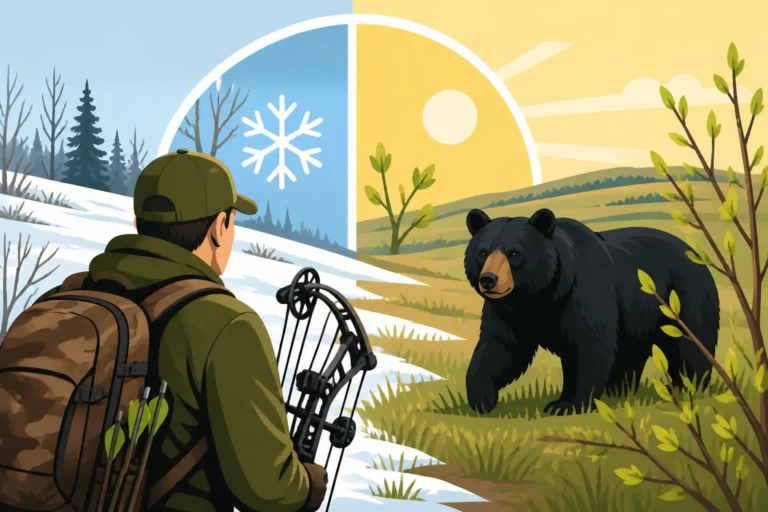
While the focus for many bowhunters is on deer, Saskatchewan offers archery opportunities for several big game species. However, it's crucial to understand that the specific dates and available species can vary depending on the Wildlife Management Zone (WMZ) you plan to hunt. For whitetail deer and mule deer, the archery season generally opens significantly earlier than the rifle season. This early opener is what draws so many to bowhunting. For species like moose and elk, archery seasons also precede or coincide with early rifle seasons in specific zones, providing similar early access. Black bear archery seasons typically align with the general bear seasons, often starting in the spring and reopening in the fall. Always remember, the general hunting guide published by Saskatchewan's Ministry of Environment is your absolute source of truth for current year dates.
Pinpointing the Opening Day: What to Expect
The moment bowhunters across Saskatchewan eagerly await is that first day they can legally nock an arrow. For many, it signifies the true start of the fall hunting season, a chance to shake off the rust and re-engage with the wilderness.
Whitetail and Mule Deer Archery Opener
For the vast majority of Saskatchewan's Wildlife Management Zones, the archery season for both whitetail and mule deer kicks off on September 1st. This date is consistently an exciting one for bowhunters, marking the earliest opportunity to pursue big game. This early start means you're hunting deer that are still largely on their summer routines – often moving between specific food sources and bedding areas with a relatively predictable rhythm. You'll be looking for bucks still holding their summer velvet, a fleeting window of opportunity that adds to the unique appeal. While the September 1st date is a strong general rule, it's absolutely vital to cross-reference with the official Saskatchewan Hunting and Trapping Guide for the current year. Specific WMZs might have slightly different regulations or limitations, so don't assume. Tools like GoHunt can be incredibly helpful here, allowing you to visually confirm boundaries and season dates for your chosen zone right on a map. Always double-check with the official government guide, but a platform like GoHunt can make that initial research much more intuitive. For a broader overview of the various dates, consult Saskatchewan Archery Season Dates.
Why the September 1st Opener is So Coveted
There's a special magic about hunting the September 1st archery opener. First and foremost, the weather is often far more pleasant than the bone-chilling cold that can define the later rifle seasons. Mild temperatures make sitting in a stand more comfortable and tracking game easier without deep snow. But beyond comfort, it's about the unique hunting conditions. Deer are frequently still in bachelor groups, particularly bucks, and are focused primarily on feeding to pack on weight for the upcoming rut. This often leads to more predictable travel patterns to and from agricultural fields or rich browse areas. Seeing a mature buck in full velvet is a sight to behold and a unique memory only available during this early window. It's a stark contrast to the chaotic, adrenaline-fueled pursuit during Hunting the Rut in Early to Mid November, offering a different kind of challenge and reward.
Essential Preparations for the Early Archery Season
You've marked September 1st on your calendar, maybe even circled it in red. But having the date in mind is just the beginning. The success of your early archery season hinges on thorough preparation, ensuring you're legal, ethical, and ready for whatever the Saskatchewan wilderness throws your way.
Licensing and Documentation Requirements
Before you even think about stepping into the field, ensure all your ducks are in a row regarding licensing. Every hunter in Saskatchewan needs a valid Wildlife Habitat Certificate. This is a foundational document that supports conservation efforts in the province. Beyond that, you'll need the specific big game archery licence for the species you intend to hunt – typically a resident deer licence with an archery endorsement. All licences are managed through Saskatchewan's Saskatchewan's HAL Account and Licensing system, an online portal where you purchase and manage your hunting permits. Make sure your HAL account is active and up-to-date, and that you've purchased the correct tags well in advance. Don't forget, if you're new to hunting or haven't taken it in a while, you’ll also need to meet Saskatchewan Hunter Education Requirements. Waiting until the last minute is a recipe for frustration, so get those licences sorted weeks, or even months, beforehand.
Pre-Season Scouting and Gear Check
The early archery season offers unique opportunities, but it also demands specific preparation, especially when it comes to scouting. Deer are often still on summer patterns, so locating key food sources like alfalfa, pea fields, or standing canola becomes paramount. Pre-season scouting, well before opening day, is critical to understand these patterns. Using satellite imagery from tools like GoHunt can give you an incredible advantage, allowing you to scout vast areas from home, identify potential funnels, bedding areas, and feeding locations, and even clarify land ownership. Once you have an idea of where to focus, boots-on-the-ground scouting can confirm these observations, locate fresh sign, and help you select ideal stand locations. If you're planning to use a treestand, now's the time to get it hung and trim shooting lanes without disturbing the area too close to the opener. Refer to Hanging a Stand on a Saskatchewan Bush Edge for tips. Also, give your archery gear a thorough check. Ensure your bow is tuned, broadheads are sharp and flying true, and all your accessories are in working order. Early season often means bugs, so mosquito repellent and head nets are crucial additions to your pack.
Maximizing Your Early Season Opportunities
The early archery season in Saskatchewan is a window of unique opportunity. It presents a different set of challenges and rewards compared to the later rifle seasons or even the peak of the rut. Understanding deer behavior and implementing smart strategies will significantly increase your chances of success.
Adapting to Early Season Deer Behavior
Deer in early September are generally still quite focused on food, trying to put on as much weight as possible before the lean months of winter and the energy-intensive rut. This means targeting their primary food sources and the travel corridors leading to them. Look for areas adjacent to lush alfalfa fields, swathed grain fields, or standing crops like Hunting a Field of Standing Corn or Hunting a Pea Field After Harvest. Water sources can also be excellent focal points, especially if the weather is warm and dry. Deer will often follow predictable patterns: bedding down in thick cover during the day and emerging in the late afternoon or early evening to feed, sometimes returning for a quick morning meal before retreating. Your best bet is to set up along these travel routes, often subtle trails through the bush or along treelines that offer concealment. Understanding how deer use the landscape during this phase is key to intersecting their movements.
Best Practices for Success and Safety
Patience is a bowhunter's greatest virtue, and it's especially true during the early season. Deer might be less pressured, but they are still keen and will bust you if you're not meticulous with scent control and movement. Take your time, wait for the perfect shot opportunity, and ensure ethical shot placement. Follow-up is critical; always give an animal ample time after the shot before beginning to track, especially if you didn't see it go down. Given the warmer September temperatures, Meat Care in Saskatchewan's Cold Snaps might seem like a distant thought, but early season meat care is equally vital due to potential heat spoilage. Get your game cooled down and processed as quickly as possible. Safety should always be paramount. Be aware of your surroundings, know your hunting zone boundaries, and respect private land by always obtaining Knocking on Doors in Saskatchewan Farm Country before accessing land you don't own. Even though early archery is exclusive, later in the fall, there will be more hunters in the field, so wearing blaze orange during shared seasons becomes mandatory and is a good practice even when not required, just for visibility.
Saskatchewan Deer Archery Season Overview
To help you visualize the general dates and understand species availability for Saskatchewan's archery season, here's a quick reference table. Remember, always consult the official Saskatchewan Hunting and Trapping Guide for the most current and specific regulations for your chosen WMZ.
| Species | General Archery Open Date (Most Zones) | Key Hunting Period | Notes |
|---|---|---|---|
| Whitetail Deer | September 1st | Early September to Mid-November | Bucks in velvet, summer patterns, pre-rut scouting. |
| Mule Deer | September 1st | Early September to Mid-November | Primarily in open prairie & coulee systems, similar patterns to whitetail. |
| Black Bear | Typically August 15th | Fall season overlaps rifle | Baiting often allowed, check WMZ specific dates. |
| Moose | Early September (Zone Dependent) | Rut period in early fall | Specific to draw zones, often aligns with early rifle. |
| Elk | Early September (Zone Dependent) | Bugle season in early fall | Specific to draw zones, excellent calling opportunities. |
Please note: These are general dates for most zones. Some specific zones or types of licences (e.g., antlerless draws) may have different dates. Always verify with official sources.
Disclaimer
The information provided in this guide is for general informational purposes only and does not constitute legal advice. Hunting regulations in Saskatchewan can change annually. It is the sole responsibility of every hunter to consult and comply with the most current official Saskatchewan Hunting and Trapping Guide, published by the Ministry of Environment, as well as all federal and municipal regulations, before engaging in any hunting activities. Ensure all required licences, permits, and tags are obtained, and always practice safe and ethical hunting.