Hunting Saskatchewan’s Sandhill Crane Fields
Hunting sandhill cranes in Saskatchewan's expansive fields can be an incredibly rewarding experience, but let's be honest, it's not always easy. These majestic birds are notoriously wily, and finding that perfect field where they're feeding consistently, then getting permission to hunt it, can test the patience of even the most seasoned hunter. This guide is here to walk you through the ins and outs of patterning these intelligent birds, setting up a successful spread, and ultimately, bringing home some delicious "ribeye of the sky" from Saskatchewan's abundant grain fields.
Understanding Sandhill Crane Habits in Saskatchewan's Agricultural Landscape
To consistently put cranes in the air over your decoys, you first need to understand their daily routines and preferences. These aren't just random birds; they have specific needs and patterns that, once deciphered, can greatly increase your chances of success.
Preferred Field Types and Foraging Patterns
Sandhill cranes are opportunists, and Saskatchewan's agricultural heartland offers them a veritable smorgasbord. While they'll eat just about anything that provides energy, they have definite favourites. Think about fields that have recently been harvested, especially those with peas, lentils, or barley stubble. These crops often leave behind residual grains or legumes that are a huge draw. I've seen them absolutely pile into a pea field after harvest, picking through the leavings like it's their last meal. Canola fields, especially those that have been swathed, can also be a magnet, offering a good source of oil and protein. The key is fresh stubble — fields that have been sitting for weeks often get picked clean by other birds or wildlife, so freshness matters. They tend to feed in large, cohesive flocks, methodically walking through the field, rather than darting around like ducks. This makes their feeding patterns somewhat predictable once you find them.
Daily Movement and Roosting Locations
Just like many other migratory birds, sandhill cranes adhere to a fairly strict daily schedule. They'll typically leave their roosting sites – usually large, shallow bodies of water, sloughs, or quiet stretches of river – just as the sun begins to lighten the sky. From there, they'll fly directly to their chosen feeding fields, often travelling several miles. They'll spend the better part of the morning feeding, sometimes taking a break mid-day to loaf or digest before another feeding session in the late afternoon. As evening approaches, usually an hour or two before sunset, they'll gather up and head back to their secure roosts. Understanding these daily movements is critical for positioning yourself correctly. You want to be set up well before first light, waiting for them to arrive, and ideally, you're hunting their direct flight path or in the field they've been using. Sometimes, weather or hunting pressure can alter these patterns, pushing them to new areas or causing them to feed for shorter periods.
Weather's Impact on Crane Behavior
Never underestimate how much the weather influences these birds. A strong north wind on a crisp fall morning can change everything. Cranes, like all birds, prefer to fly and land into the wind. This means that if you're setting up a decoy spread, knowing the wind direction is paramount. They'll also use strong winds to help them travel, sometimes flying lower or higher depending on the conditions. Rain or heavy fog can ground them or cause them to seek shelter, often postponing their morning flights or pushing them into more sheltered fields. Cold fronts, particularly those that bring a sharp drop in temperature, can trigger massive migratory movements. One day you might have thousands of cranes, and the next, only a handful as they push south. Being aware of the forecast and how it might affect their behaviour will help you make last-minute adjustments to your hunting strategy. It’s all about being flexible and observant.
Scouting Success: Finding Your Crane Hotspot
You can have the best decoys and calls in the world, but if you're not in the right field, you're just sightseeing. Scouting is, without a doubt, the most critical element of a successful sandhill crane hunt in Saskatchewan. It's a grind, often involving countless miles, but the payoff is immense.
The Art of Reconnaissance and Observation
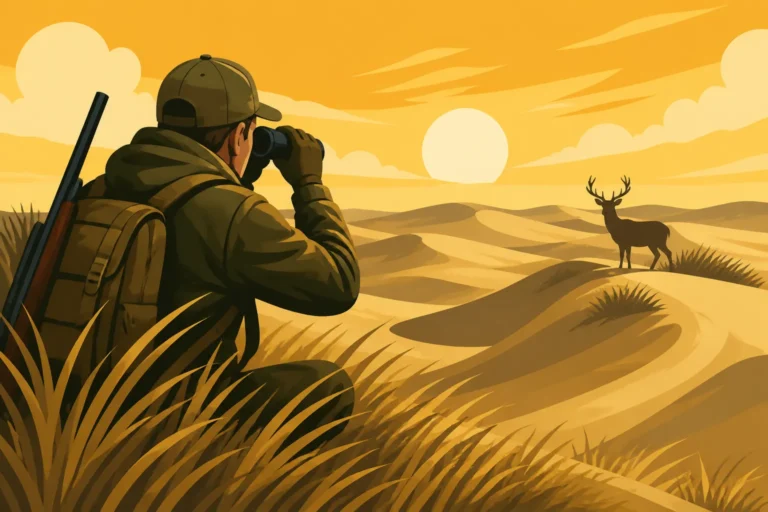
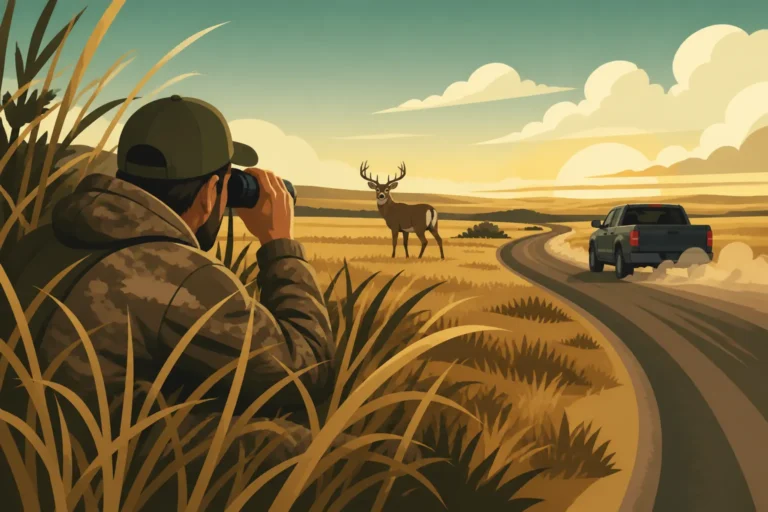
Scouting for cranes is less about random driving and more about systematic observation. You're looking for patterns, specific fields, and flight corridors. Start by driving the backroads in areas known for staging cranes during the "Saskatchewan Sandhill Crane Season Dates". Early morning and late evening are your best friends here. Find a good vantage point, pull out your binoculars or a spotting scope, and just watch. Look for large flocks feeding in stubble fields, paying close attention to which fields they're using and how they're flying into them. Are they coming from a specific direction? Are they following a treeline or a river valley? These details provide invaluable clues.
A fantastic tool for this process is a good hunting app. Apps like GoHunt, or even Saskatchewan's own iHunters app, can overlay land ownership information on satellite imagery, helping you identify public lands or at least know whose door you need to knock on. This saves a tremendous amount of time and frustration, especially when you've finally spotted that perfect field. Remember, cranes are smart; they'll often abandon a field if they've been shot at, so finding fresh, undisturbed feeding areas is key. The more time you spend scouting, the better your chances are. It's truly a test of persistence, but seeing thousands of cranes funnel into a field you've found is an incredible feeling. For more general advice on finding prime locations, check out "Scouting Fields for Saskatchewan Waterfowl".
Securing Permission on Private Land
Saskatchewan is predominantly private land, and almost all of the prime crane feeding areas will be on farms. This means getting landowner permission isn't just a courtesy; it's a legal requirement and absolutely essential for a successful hunt. This can be one of the most frustrating aspects of hunting in Saskatchewan. Farmers are busy people, and sometimes you'll face rejection, but don't give up!
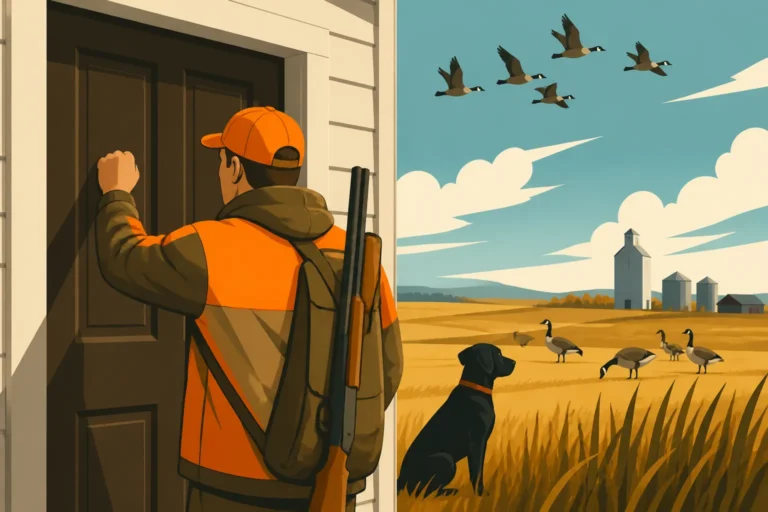
Approach landowners respectfully, ideally well in advance of your hunt, and at a time when they aren't swamped with chores. Early afternoons or evenings after supper can be good. Be polite, explain what you're hunting, and assure them you'll respect their land, close gates, and pick up all your shells. Offering to share some processed meat, or even offering to help with a small chore, can go a long way. Some farmers might require you to sign a waiver, and always pay attention to any posted signs. For guidance on approaching landowners, take a look at "Knocking on Doors in Saskatchewan Farm Country". Also, familiarize yourself with "What Saskatchewan's Posted Signs Must Say" to avoid any misunderstandings about access. Remember, building a good relationship with a landowner can secure you a spot for years to come.
Identifying Key Flight Corridors
Cranes are creatures of habit when it comes to travel. Once they establish a flight path between their roost and a feeding field, they tend to stick to it, often using natural features as guides. Look for these "flight corridors." They might follow a river valley, a major treeline, a set of power lines, or even a specific grid road. These corridors are crucial because they tell you where to position your spread.
If you can set up directly under or very close to an established flight path, cranes will often "pitch" into your decoys. Sometimes, they'll fly high over a specific bluff or a corner of a field before losing altitude to land. That bluff or corner is your key landing zone. Pay attention to how they approach the fields you're watching. Do they circle? Do they come in low and fast? Understanding their approach helps you place your decoys and hide in the most effective spots. Observing these flight paths during your scouting rounds is just as important as identifying the feeding field itself.
Decoy Spreads and Calling for Sandhill Cranes
Once you've done your scouting and secured permission, it's time to set the stage. Sandhill cranes are incredibly wary birds, and convincing them to commit to your spread requires a good setup and authentic calling.
Building a Realistic Decoy Spread
When it comes to sandhill crane decoys, realism and numbers matter. Cranes are big birds, and they feel safety in numbers. A common mistake is to use too few decoys. While you don't necessarily need hundreds, a dozen or two good full-body decoys will look far more convincing than a handful of silhouettes. Full-body decoys, though bulkier to transport, offer superior realism, especially on sunny days when shadows can give away flat silhouettes.
Place your decoys in loose family groups, mimicking how real cranes feed. Don't arrange them in perfectly straight lines; nature isn't neat. Leave a clear landing zone upwind of your blind – this is where the cranes will want to set down. Position some decoys further out, acting as "sentinels" or first arrivals, and others closer to your blind, simulating actively feeding birds. Consider mixing in a few feeder heads with alert heads to create a dynamic, natural scene. Remember, cranes have exceptional eyesight, so any unnatural spacing or unrealistic posture will be noticed. GoHunt, a great resource for hunting strategies, often emphasizes the importance of a dynamic and realistic decoy spread for various species, and cranes are no exception.
Sandhill Crane Decoy Comparison
| Decoy Type | Pros | Cons | Best Use |
|---|---|---|---|
| Full Body | Highly realistic, great in all light, 3D | Bulky, heavy, more expensive | Primary decoys, creating a realistic core flock |
| Silhouettes | Lightweight, easy to transport, more affordable | Less realistic in certain light, 2D, can look unnatural | Augmenting numbers, outer edges of the spread |
| Motion | Adds realism, catches attention | Can be expensive, requires batteries/wind | To simulate movement within the spread |
The Nuances of Crane Calling
Calling sandhill cranes is an art form that takes practice. Their primary calls are a loud, rattling bugle, often described as a "garoo-a-roo," and softer clucks and purrs when they're feeding or content. The bugle is used for communication over long distances, to gather the flock, or to express alarm. When calling to incoming birds, you want to mimic the sounds of a contented, established flock on the ground.
Start with a few soft clucks and purrs to get their attention, then mix in some bugles, but don't overdo it. Listen to how they respond. If they're bugling back, answer them. If they go silent, you might be calling too aggressively. The key is to sound natural, like a flock that has found a safe, abundant food source. As they get closer, reduce your calling volume, transitioning to softer clucks and purrs. The goal is to reassure them that everything is safe. It's incredibly frustrating when you feel like you're blowing your best notes and they just sail by, but keep at it. Learning the rhythm and nuances of their vocalizations through online videos or experienced hunters is invaluable. Practice makes perfect, and listening to actual cranes is the best teacher. For specific guidance on migratory bird permits, make sure you have your "The Federal Migratory Game Bird Permit" in order.
Concealment Strategies in Open Fields
Sandhill cranes have excellent eyesight, possibly even better than geese, and are incredibly wary of anything out of place in their open field environments. This makes concealment absolutely paramount. Layout blinds are almost a necessity when hunting in wide-open stubble fields. They allow you to lie flat, breaking up your human outline and blending seamlessly into the agricultural landscape.
Position your blinds carefully, ensuring they are brushed in with local stubble or vegetation. If you're hunting a barley field, use barley stubble. If it's peas, use pea vines. Avoid any stark contrasts. Place your blinds downwind of your decoy spread, ensuring you have clear shooting lanes into the landing zone. If natural cover like a small bluff or a treeline is available on the field edge, you can sometimes use ground blinds, but be aware that cranes often avoid edges, preferring to land in the middle of a wide-open expanse. Remember to wear camouflage that matches the field you're hunting, and absolutely minimize movement when birds are approaching. Even a slight shift can spook an entire flock.
Execution: Hunting Tactics and Ethical Considerations
You've put in the legwork, perfected your spread, and practiced your calling. Now comes the moment of truth – executing the hunt safely and ethically.
Setting Up for the Shot
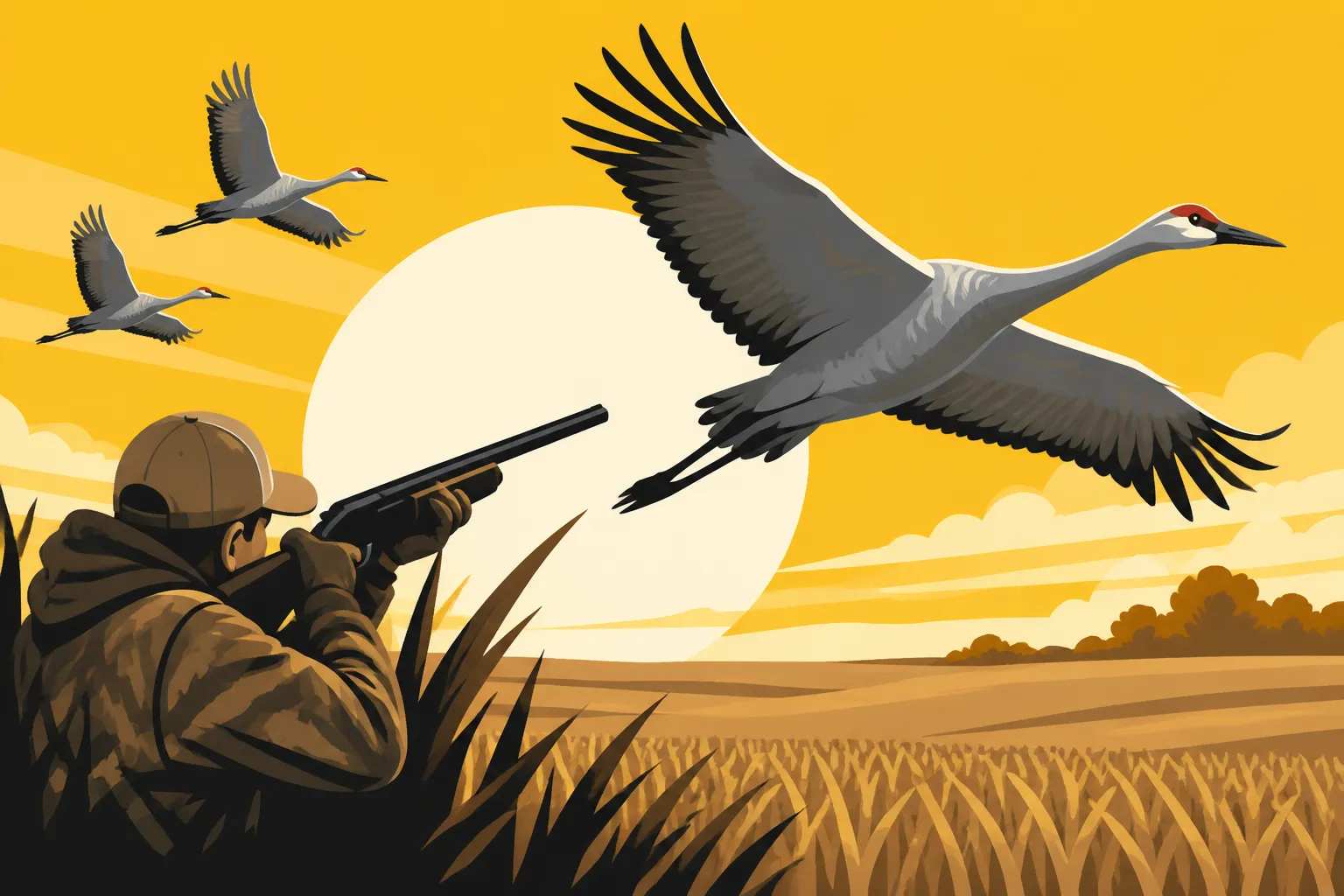
Once cranes commit and start to drop altitude, your heart will be pounding. This is where patience is truly a virtue. Resist the urge to sit up or shoot too early. Let them work, let them get into the landing zone. Cranes are large birds, but they are also incredibly tough and require solid shot placement. You want them to be low, wings cupped, ideally within 30-40 yards.
Always be aware of your surroundings, especially if you're hunting with a group. Designate shooting lanes and ensure everyone knows what direction is safe to shoot. When you decide to call the shot, do so clearly and decisively, so everyone rises and shoots together. This increases your chances of connecting with a bird and reduces the risk of crippling one. Understanding how birds will typically land – into the wind – helps you anticipate their final approach and orient your blind accordingly for the best shot angle. This is particularly important when you're "Hunting a Swathed Grain Field at Dusk", as visibility can decline rapidly.
Shot Selection and Ammunition
Given their size and toughness, sandhill cranes require heavier shot and appropriate chokes. Steel shot is mandatory for hunting all migratory game birds in Saskatchewan, which includes cranes. Don't even think about lead shot here; it's illegal for waterfowl and cranes, and fines are substantial. For shot size, most experienced crane hunters opt for BB, BBB, or even T shot. These larger pellets carry more energy and are necessary to penetrate the thick feathers and dense bone structure of a crane.
As for choke, a modified or improved modified choke is generally a good choice. It provides a good balance between pattern density and spread at typical shooting distances. Full chokes can be too tight, leading to overly dense patterns at close range, while open chokes might not provide enough power at longer distances. Always pattern your shotgun with your chosen ammunition before the season to understand its performance. This preparation is key for ethical hunting, ensuring clean kills and minimizing wounded birds. For comprehensive information on non-toxic requirements, refer to "Non-Toxic Shot Requirements for Waterfowl".
Retrieving Downed Birds and Meat Care
Once a crane is down, the work isn't over. Cranes are big, and they can sometimes sail a good distance after being hit. Mark where the bird falls, and use landmarks to aid in retrieval. A good retrieving dog can be a massive asset here, especially in thick stubble or if a bird falls into a slough. If you don't have a dog, take your time and conduct a thorough search. It's your ethical responsibility to recover every bird you shoot.
Once retrieved, process your crane quickly, especially if the weather is warm. Cranes offer dark, rich meat often referred to as "ribeye of the sky." Field dress the bird as soon as possible, removing the guts to allow the carcass to cool. You can quarter them in the field, breasting them out and taking the leg and thigh meat, which saves weight and space. Get the meat on ice or into a cooler as quickly as possible. Proper meat care ensures that your hard-earned harvest is table-ready and doesn't spoil. Cranes are large, so be prepared for a good amount of meat! Remember that "Saskatchewan Game Bird Seasons and Limits" dictate how many birds you can take, so always be mindful of your bag limit.
Disclaimer
Hunting is a challenging and rewarding activity that carries inherent risks. Always prioritize safety, adhere to all local, provincial, and federal hunting regulations, and ensure you have the necessary licenses and permits. The information provided here is for educational purposes and should not replace professional guidance or official government resources. It is your responsibility to understand and follow all applicable laws.