Hunting Ruffed Grouse on a Saskatchewan Bush Road
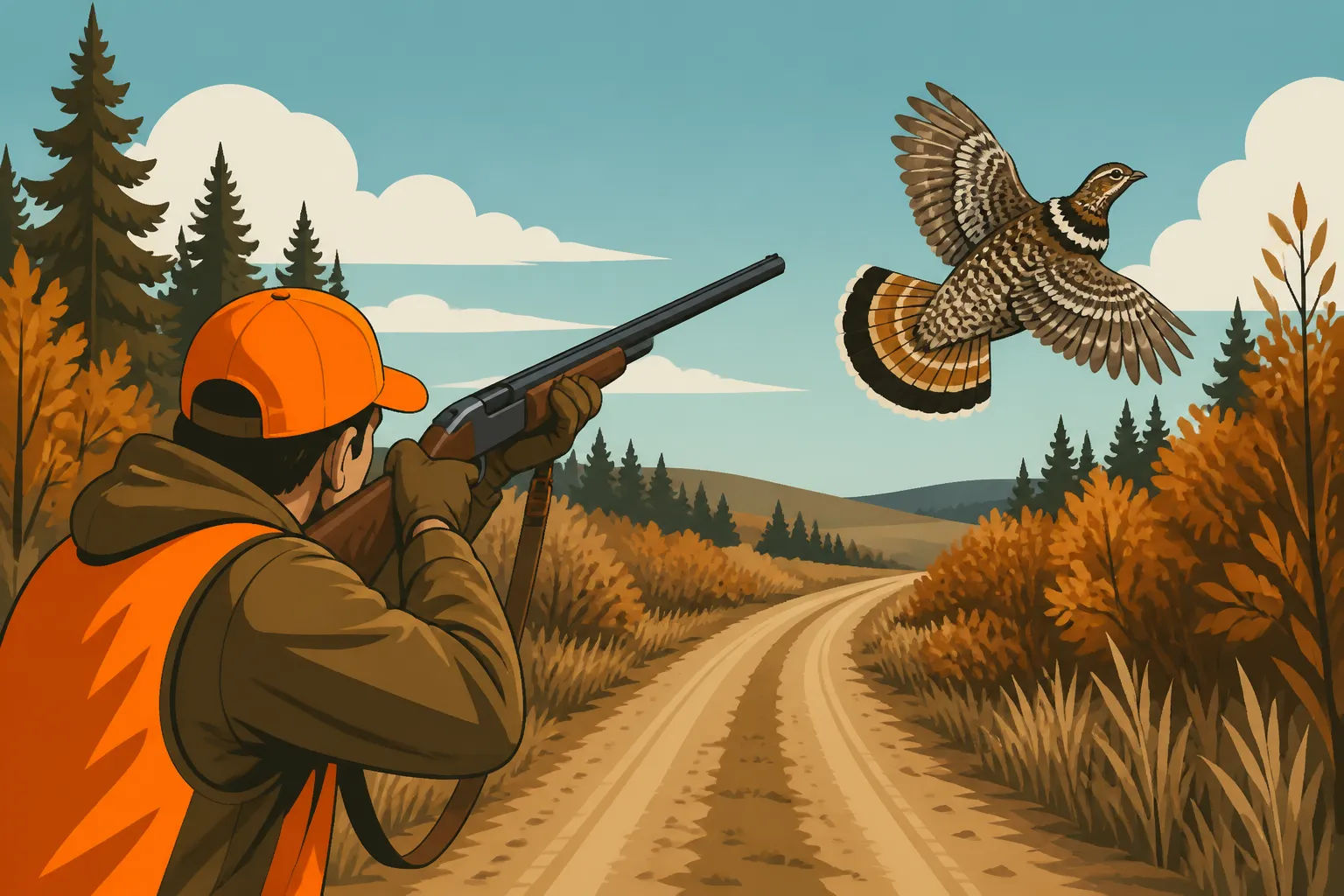
There’s a unique charm to hunting Ruffed Grouse, especially when you’re navigating the quiet, often forgotten bush roads of Saskatchewan. Many hunters get frustrated, thinking these birds are impossible to pin down, flushing wildly into thick cover before you even shoulder your shotgun. But the truth is, bush roads offer an incredible opportunity to consistently find and harvest these wily birds, provided you understand their habits and how to approach them. This guide will walk you through the nuances of hunting Ruffed Grouse on Saskatchewan's bush roads, from understanding their behavior to mastering the techniques that lead to a successful hunt.
Understanding Ruffed Grouse Behavior on Bush Roads
Ruffed Grouse aren't just randomly flitting through the woods; they have distinct patterns, and bush roads, whether they're old logging trails, abandoned oilfield cutlines, or just gravel paths winding through aspen bluffs, play a significant role in their daily lives. Understanding why they use these arteries of the forest is key to knowing where and when to find them.
Why Grouse Gravitate Towards Roadsides
It might seem counterintuitive for a wild bird to hang out near human-made paths, but bush roads offer a smorgasbord of advantages for Ruffed Grouse. First and foremost, they're often edges. In the world of wildlife, edges are goldmines – places where different habitats meet, creating a diverse buffet of food and cover. Roadsides often host a mix of young aspens, willows, berries, and grasses, which provide crucial forage. Think about the berries that grow prolifically along the sunnier edges of a road, or the fresh shoots of clover and dandelions that pop up where the canopy thins. These aren't just snacks; they're vital energy sources, especially in the cooler months.
Furthermore, the gravel itself isn't just for vehicle traffic; it's a critical source of grit for grouse. Like all birds, grouse need to ingest small stones to help grind up their food in their gizzards. Bush roads, especially those less travelled, are often littered with just the right size of gravel for them to pick through. You'll often see distinct dust baths or small depressions where they've been scratching around. These roads also serve as natural travel corridors, allowing them to move between feeding areas, drumming logs, and roosting cover with relative ease, offering a slightly less dense obstacle course than the unbroken forest. It's a calculated risk for them; the slight exposure is often outweighed by the benefits of abundant food, grit, and easier movement.
Daily Routines and Seasonal Movements
Ruffed Grouse are creatures of habit, and their routines are heavily influenced by the time of day and the changing seasons. In the early morning and late afternoon, grouse are most active, often venturing out to feed along these bush roads. During the midday lull, especially on warmer days, they'll typically retreat into the thicker cover adjacent to the road to rest, dust bathe, or hide from predators. As the weather cools in the fall, their feeding periods might become more extended, and you might find them foraging well into the middle of the day, packing on weight for the colder months ahead.
Seasonally, the hunting changes too. In the early archery season, when the leaves are still thick, grouse can be incredibly challenging to spot. The foliage provides excellent cover, and their flushes are often hidden from view. As the leaves begin to drop in late September and October, visibility improves dramatically, making them much easier to locate both on the ground and in the trees. During this time, they're often focused on feeding on tree buds and residual berries. When the snow hits, their habits shift again; they might burrow into soft snow to roost, or feed on aspen buds high in the trees. Keeping an eye on the calendar and understanding these shifts can drastically improve your chances. For more on the yearly cycle, check out our guide on Ruffed Grouse Season Dates and Limits.
Essential Gear for Bush Road Grouse Hunting
You don't need a truckload of specialized gear to hunt Ruffed Grouse, but having the right tools for the job will make your experience far more enjoyable and productive. From your shotgun to your boots, each piece plays a role in navigating Saskatchewan's varied bush country.
Shotguns and Ammunition Choices
When it comes to shotguns for Ruffed Grouse, lightness and quick handling are key. These birds are notorious for their explosive, often unexpected flushes, giving you mere seconds to react. A lightweight 20-gauge or 28-gauge shotgun is often preferred by seasoned grouse hunters, offering less recoil and faster swing than a heavier 12-gauge, which can feel cumbersome in tight quarters. That said, a 12-gauge is perfectly effective, especially if it’s what you already own and are comfortable with. The important thing is finding a shotgun that fits you well and allows for instinctive pointing. Choke-wise, an open choke like improved cylinder or skeet is ideal for the close-range shots you'll typically encounter. Many hunters even use a side-by-side or over-under with one barrel choked open and the other a bit tighter, giving them versatility for varying flush distances.
Ammunition choice is equally important. Smaller shot sizes are the name of the game for grouse. #7.5 or #8 lead shot is typically perfect. These smaller pellets create a dense pattern, increasing your chances of connecting with a fast-flying bird without over-penetrating and ruining too much meat. Forget the heavy turkey loads; they're overkill and will make your grouse taste like lead. Stick with light field loads; they'll do the job cleanly and effectively. Ensure you carry enough shells for your hunt, but remember that grouse hunting isn't usually a high-volume shooting affair – a box or two should suffice for a day's outing. And always remember to carry legal firearms and ammunition as outlined in Legal Firearms and Bows for Big Game.
Clothing and Footwear for the Bush
Saskatchewan's bush can be unforgiving, so your clothing and footwear need to be up to the task. Durability, comfort, and protection from the elements are paramount. You’ll be walking through brush, over downed logs, and potentially through muddy or wet sections, even on a bush road. Long-sleeved shirts and sturdy pants made of rip-resistant materials like canvas or a durable synthetic blend are essential. Consider brush pants or chaps for added protection against thorns and heavy cover. Layering is always a smart strategy, as temperatures can fluctuate wildly, especially in the fall. A good moisture-wicking base layer, an insulating mid-layer (fleece or wool), and a waterproof/windproof outer shell will keep you comfortable in various conditions.
Footwear is arguably the most critical component. A pair of comfortable, waterproof, ankle-supporting boots is non-negotiable. Whether you prefer rubber boots for wet conditions or sturdy leather hiking boots, ensure they are broken in and provide good traction. Blisters can quickly ruin a hunt, so investing in quality socks (wool or synthetic) that wick moisture away from your feet is just as important as the boots themselves. And, of course, remember your blaze orange. Saskatchewan regulations require a certain amount of blaze orange, not just for big game hunters but also for small game hunters in certain situations to ensure visibility and safety.
Effective Hunting Strategies and Techniques
Hunting Ruffed Grouse on bush roads is an art, not a science. It combines stealth, observation, and quick reflexes. While every hunter develops their own rhythm, some tried-and-true techniques consistently prove successful.
The Walk-and-Stop Method
This strategy is a cornerstone for many successful grouse hunters on bush roads. Instead of simply strolling down the road, you adopt a deliberate, stop-and-go pace. Walk for 30-50 yards, then stop completely and stand motionless for 10-20 seconds. Then, move again. Why does this work so well? Grouse are masters of camouflage and often hold incredibly tight, relying on their drab plumage to blend into their surroundings. When you're moving, they might perceive you as less of a direct threat, or simply wait for you to pass. But when you stop, their nerves kick in. They feel the pressure of your presence and often decide that now is the time to flush.
Many times, a grouse will flush not directly from the road, but from the dense cover just off the road, where they've been hiding. By stopping, you give them the impression that they've been "seen" or that you're directly looking for them, which often triggers their flight. Pay close attention during these stops, scanning the edges of the road, fallen logs, and the lower branches of trees. Sometimes, a grouse will flush silently, but more often, it’s that unmistakable explosion of wings that gets your heart pumping. This method requires patience, but it’s incredibly effective at uncovering birds that would otherwise let you walk right past. When you're in promising cover, such as a Hunting a Willow Run for Whitetails or a thick bluff, extend your stops even longer.
Utilizing Dogs for Grouse
While many hunt grouse successfully without a dog, a well-trained bird dog can elevate the experience to another level and significantly increase your success rate. Both pointing breeds (like English Setters, German Shorthairs) and flushing breeds (like Springer Spaniels, Labs) can be effective. A pointing dog will freeze and point when it smells a grouse, giving you time to walk in and prepare for the flush. This is especially useful in thicker cover where visual spotting is difficult. A flushing dog, on the other hand, will dive into cover and actively flush birds, bringing them into range.
The key with dogs on bush roads is control. You want the dog to work the cover alongside the road, not simply run wild down the middle of it. A dog that ranges too far ahead will flush birds out of range. Consistent training, including recall and "whoa" commands, is vital. Dogs can cover more ground, penetrate denser cover, and use their superior sense of smell to locate birds you would undoubtedly miss. They also make retrieving downed birds much easier, reducing the chances of losing a bird in thick brush. If you're considering a canine companion, look for guides on Using a Pointing Dog on Saskatchewan Prairie or Using a Flushing Dog in Thick Cover for broader insights into bird dog training.
Reading the Terrain for Grouse Sign
Successful grouse hunting isn't just about walking; it's about observation and understanding the subtle clues the birds leave behind. Learning to "read" the terrain can help you focus your efforts on the most promising areas.
Look for:
- Droppings: Grouse droppings are distinct – small, dark, often cylindrical pellets. Fresh droppings indicate recent activity.
- Feathers: Finding a few ruffled feathers, especially near potential dusting areas or cover, is a strong sign.
- Dusting Areas: Small depressions in dry soil or gravel where birds have been bathing to clean their feathers are excellent indicators.
- Budded Trees: In late fall and winter, grouse feed heavily on tree buds, particularly aspen and birch. Look for clipped buds on low branches.
- Drumming Logs: Male Ruffed Grouse have a distinct drumming display during breeding season. While you might not hear it during hunting season, old, mossy logs in dense cover are prime drumming spots, suggesting a resident bird.
- Berry Patches: Areas with high concentrations of berries (saskatoons, cranberries, rose hips) are natural attractants.
Additionally, pay attention to the type of cover. While they use roads, grouse are rarely found in completely open areas. They prefer the "edge habitat" where the bush meets the road, especially areas with dense, regenerating aspen, willow thickets, or stands of young spruce. Areas where old logging roads intersect or where a creek crosses a bush road often create natural funnels and prime habitat, making them excellent spots to slow down and really pick apart the cover. Remember, tools like GoHunt can provide invaluable satellite imagery to help you scout these habitat transitions and potential travel corridors from home, helping you identify prime areas before you even step foot in the bush.
Safety and Regulations for Bush Road Hunting
Hunting on bush roads brings a unique set of safety considerations and regulatory requirements. It's not just about what you harvest, but how you conduct yourself in the field, ensuring the safety of yourself, other users, and the wildlife.
Legalities of Roadside Hunting
Saskatchewan has specific regulations concerning hunting on or near roads, and it's crucial to understand them to stay legal and safe. Generally, it is illegal to shoot from, or across, a public road or highway. This often extends to the road allowance. While many "bush roads" are technically public access points (often Crown land), you need to be absolutely sure of the specific rules for the area you are in. Some old logging roads might be on private land, even if they appear public, requiring explicit landowner permission. Always verify land ownership before hunting. Using a mapping app like GoHunt that shows Crown land boundaries and private land parcels can be an invaluable tool to avoid accidental trespassing.
It's also important to remember that even if you're hunting legally on a bush road, other users might be present – quadders, hikers, loggers, or other hunters. Always be aware of your surroundings, wear plenty of blaze orange, and assume there are other people in the area. Never take a shot without being 100% certain of your target and what lies beyond it. When travelling on these roads, be mindful of speed and dust, as excessive speed can damage the road and annoy landowners or other recreational users, potentially impacting future access for hunters. For detailed information on specific rules, consult the annual Saskatchewan Hunters’ and Trappers’ Guide or review our guide on Vehicle Rules on Saskatchewan Crown Land.
Navigating Bear and Moose Country
Many of the prime Ruffed Grouse habitats along bush roads, particularly in Saskatchewan's forest fringe and northern boreal regions, are also home to larger game like black bears and moose. While your primary target is grouse, you must always be bear and moose aware. Carry bear spray, know how to use it, and keep it easily accessible. Make noise as you walk, especially when visibility is limited, to avoid surprising an animal at close quarters. Look for fresh tracks, scat, and rubs, which indicate recent activity.
If you encounter a bear or moose, give it plenty of space. Do not approach or harass the animal. If a bear shows aggressive behavior, stand your ground, make yourself look as large as possible, make noise, and prepare to use your bear spray. For moose, they can be unpredictable, especially a cow with a calf or a bull during the rut. If they appear agitated, slowly back away. Understanding the signs of animals in the area can not only keep you safe but also inform your grouse hunting strategies – for instance, areas with heavy moose browsing might also indicate good food sources for grouse. More information on larger game can be found in our comprehensive guides on Black Bear Hunting in Saskatchewan and Moose Hunting Saskatchewan's Farmland and Forest.
Disclaimer
Always consult the official Saskatchewan Hunters' and Trappers' Guide for the most current regulations and season dates before heading out on any hunt. Laws and rules can change, and it is the hunter's responsibility to be informed and compliant.