Hunting the Great Sand Hills
Hunting a truly unique landscape like Saskatchewan's Great Sand Hills can feel like stepping onto a different planet. The rolling dunes, sparse vegetation, and vast, open spaces are breathtaking, but they also present an intimidating puzzle for even seasoned hunters. This guide will cut through the uncertainty, offering practical advice and strategies to navigate and successfully hunt this remarkable region, ensuring you're prepared for its distinct challenges and rewarding opportunities.
Understanding the Great Sand Hills Ecosystem and Game
The Great Sand Hills are a truly iconic feature of southwestern Saskatchewan, a vast expanse of shifting sand dunes, grasslands, and small pockets of aspen bluffs. This isn't your typical prairie farmland; it's an ancient, dynamic landscape shaped by wind and time, creating a mosaic of habitats that supports a surprisingly diverse array of wildlife. Understanding this unique ecosystem is the first step to unlocking its hunting potential.
The Unique Landscape and Its Wildlife
Imagine a place where the wind is a constant sculptor, where rolling hills of sand are stabilized by hardy grasses and shrubs, interrupted by temporary wetlands and the occasional stands of trembling aspen. That's the Great Sand Hills. This delicate balance of sand, sparse vegetation, and water sources creates microclimates and shelter that animals depend on. The sandy soil, while challenging to traverse, often retains heat, providing warmer bedding areas in colder months. The deep, sheltered coulees and the edges of larger dune formations offer crucial protection from the harsh prairie winds. This resilience of nature means that even in what appears to be barren land, life thrives. Animals here are incredibly adapted to their environment, often moving subtly and making the most of every scrap of cover available. It’s a place that demands patience and keen observation from a hunter, forcing you to slow down and truly interpret the landscape.
Unlike much of Saskatchewan's mixed-wood forest or parkland, the Sand Hills don't offer dense, continuous cover. Instead, game animals utilize the contours of the land, the scattered clumps of willow, chokecherry, and sagebrush, and the small bluffs of poplar that are surprisingly resilient in this arid environment. These features become crucial travel corridors, bedding locations, and feeding grounds. You'll also find the occasional small, ephemeral sloughs or dugouts, which become magnets for wildlife, especially during dry periods. Hunters who take the time to study the subtle changes in elevation, the direction of prevailing winds, and the location of water sources will quickly realize that the Sand Hills, while appearing uniform, are full of nuanced habitat features that dictate animal movement.
Key Game Species in the Sand Hills
While often celebrated for its unique non-game wildlife, the Great Sand Hills offers fantastic opportunities for big game and upland bird hunters alike. The most sought-after big game here are mule deer and whitetail deer, both of which thrive in different aspects of this challenging terrain. Mule deer, with their large ears and bounding gait, are perfectly at home navigating the open, undulating dunes and broken coulees, often using their exceptional eyesight to detect threats from afar. They blend seamlessly into the sandy, grassy backdrop, making spot-and-stalk tactics a thrilling challenge. You'll often find them browsing on sagebrush, willow, and various forbs throughout the sandier sections. This region is renowned for producing impressive mule deer bucks, and patience in glassing vast areas is key to finding them. If you're passionate about pursuing these iconic prairie animals, understanding Mule Deer Across Saskatchewan's Prairie is essential before heading out.
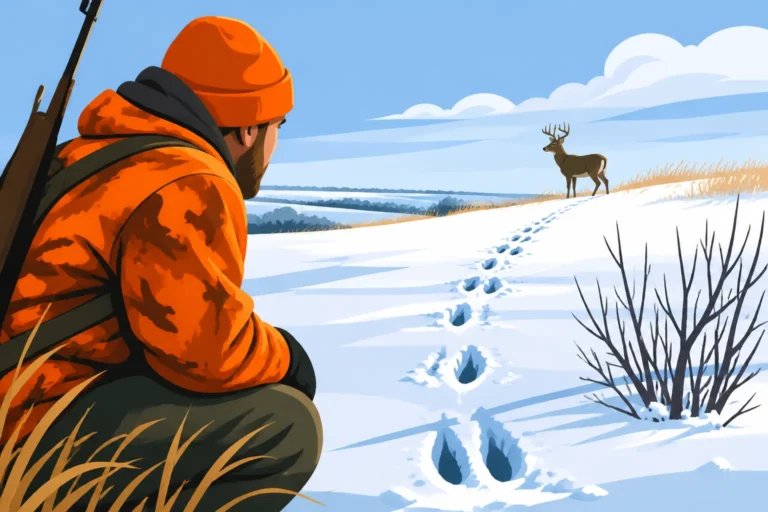
Whitetail deer, while typically associated with heavier cover, have also carved out a niche in the Great Sand Hills. They tend to stick to the fringes of the sand dunes, gravitating towards the more vegetated areas, the aspen bluffs, and the edges where the Sand Hills transition into more typical prairie or agricultural land. These pockets of denser cover provide the security they prefer, particularly during daylight hours. Hunting whitetails here often involves focusing on these transition zones and the small patches of bush. When the rut is on, these bucks will venture further into the open in search of does, but generally, their patterns are more predictable when tied to the thicker cover. The population of White-Tailed Deer, Saskatchewan's Signature Animal in this region is healthy, and the unique challenges of the terrain can make harvesting one a truly memorable experience.
Beyond deer, the Sand Hills also host a robust population of upland birds. Sharp-tailed grouse are a quintessential species of this landscape, often found in the native grasslands between the dunes, utilizing the low shrubs for cover and feeding. They are a joy to hunt, offering exciting flushes and fast-paced shooting. Hungarian partridge can also be found, though typically closer to the edges where some agricultural influence might creep in. For those interested in Upland Bird Hunting in Saskatchewan, the Sand Hills provides a unique and classic experience. Coyotes are also abundant, offering year-round hunting opportunities and a chance to hone your predator calling skills in wide-open country.
Here's a quick look at the primary game in the Sand Hills:
| Species | Primary Sand Hills Habitat | Key Hunting Challenge |
|---|---|---|
| Mule Deer | Open dunes, rolling grasslands, broken coulees, sagebrush flats | Spotting in vastness, stalking in open terrain, visibility |
| White-Tailed Deer | Aspen bluffs, willow thickets, transition zones, thicker brush | Finding dense cover pockets, patience, wind reading |
| Sharp-Tailed Grouse | Native grasslands, low shrubs, edges of dunes | Fast flushes, identifying coveys, physical exertion |
| Hungarian Partridge | Grassland edges, transition to agricultural fields | Smaller targets, tight holding, camouflage |
| Coyotes | Throughout all habitats | Decoying, calling effectiveness, long shots |
Strategic Hunting Approaches for the Sand Hills
Hunting the Great Sand Hills isn't just about showing up with your rifle or bow; it requires a specific mindset and strategy tailored to its unique environment. Forget dense forest stands or predictable farm field edges. Here, the landscape itself is your primary tool and your biggest challenge. Successful hunts in this region hinge on meticulous scouting, understanding animal behavior in open country, and adapting your tactics to the terrain.
Scouting and Navigating the Dunes
Before you even set foot on the sandy soil, proper scouting is paramount. With such expansive and often remote areas, leveraging modern technology can save you days of walking. Satellite imagery and robust mapping applications are your best friends. Tools like GoHunt can be invaluable here, allowing you to layer different land ownership maps, identify access points, locate potential water sources, and pinpoint those isolated aspen bluffs or deep coulees that are likely to hold game. Pay close attention to subtle changes in elevation, identifying potential travel corridors along the bottoms of valleys or ridges that offer a commanding view. Many of these remote areas are Crown Land, but it's crucial to confirm boundaries. Learning Reading Saskatchewan Crown Land Layers on onX or similar platforms will be a massive asset.
Once on the ground, navigating the dunes demands a thoughtful approach. Unlike flat prairie, the terrain is constantly undulating, making distant landmarks unreliable. A reliable GPS or a mapping app on your phone with downloaded offline maps is non-negotiable. It's incredibly easy to become disoriented as one dune looks much like the next. Mark your vehicle's location and key points of interest as you go. Consider using a compass alongside your digital tools as a backup. Vehicle access can be tricky; many roads are sandy trails that can quickly turn into impassable soft spots, especially after rain. A 4×4 vehicle with good ground clearance and proper tires is a must, and even then, be prepared to walk. Walking here is an effort; the soft sand will tire you out quickly, so pace yourself and bring plenty of water.
Tactics for Whitetails and Mule Deer
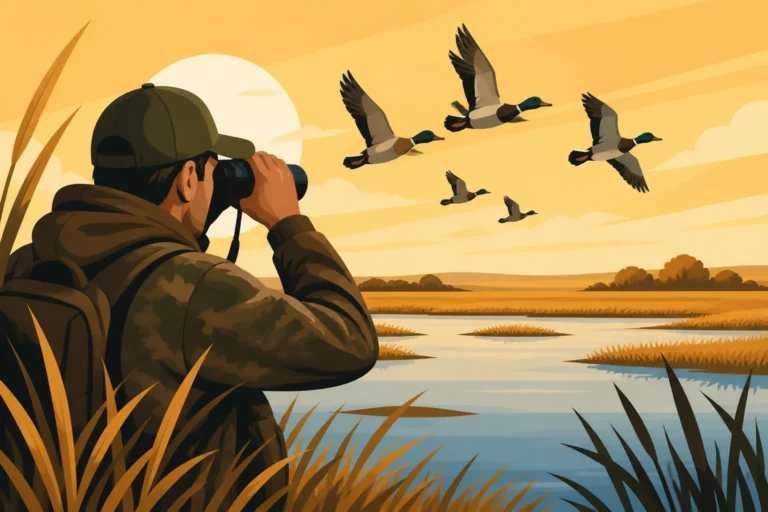
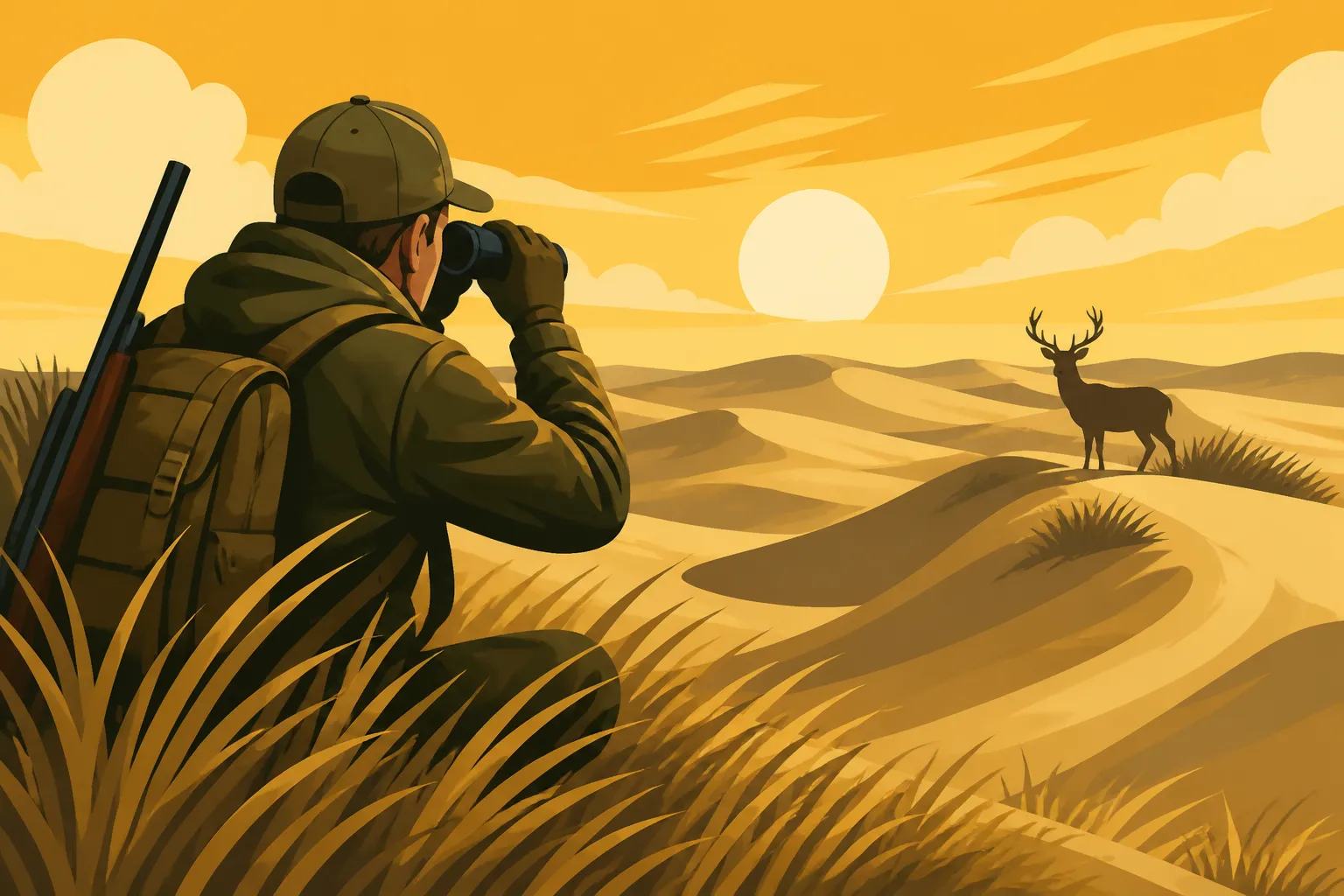
Hunting big game in the Great Sand Hills is often a game of patience and observation. For mule deer, spot-and-stalk is the name of the game. Get to a high vantage point before first light and use high-quality binoculars or a spotting scope to systematically glass the vast landscape. Look for flickers of movement, the distinctive shape of a deer against the horizon, or even just the shine of an antler. Mule deer will often bed down on sandy slopes or ridge lines, using the prevailing wind to their advantage, giving them a good view of their surroundings. Once a deer is spotted, the stalk begins. This is where the undulating terrain can be your ally, providing folds in the land to conceal your approach. However, the sparse vegetation means you'll need to be incredibly mindful of the wind and move slowly and deliberately, taking advantage of every bit of cover. Consider how mule deer adapt to their environment by reading up on Hunting Mule Deer in Prairie Coulees, which offers insights applicable to the Sand Hills' broken terrain.
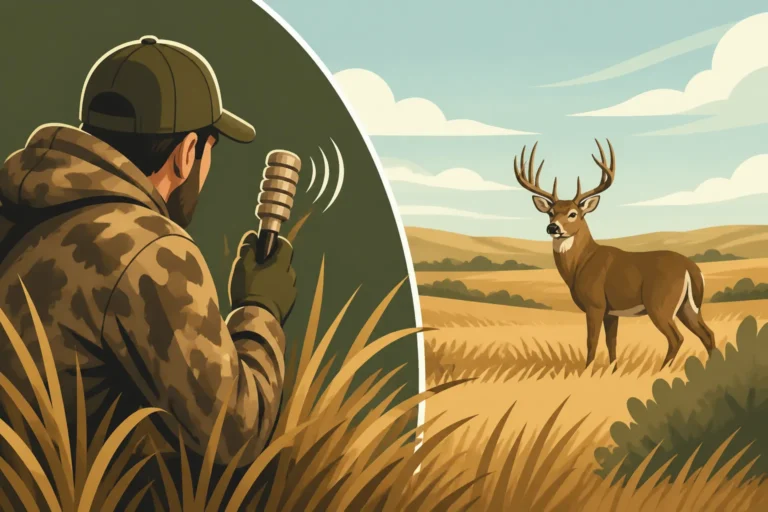
Whitetail hunting in the Sand Hills often requires a slightly different approach. While you can still glass the fringes and look for them transitioning between cover, more active hunting tactics may be beneficial. Focusing on those isolated aspen bluffs, dense willow runs, or the edges where the dunes meet more typical farmland can be highly productive. Still hunting through these cover pockets, or setting up a stand or ground blind on a well-used trail between cover and a water source, are viable options. Rattling and calling can also be effective, especially during the rut, as sounds carry well across the open landscape. However, be mindful that the lack of dense cover makes it harder to conceal yourself, so camouflage and wind direction are even more critical. Understanding Hunting the Rut in Early to Mid November is always beneficial for whitetails, no matter the terrain.
Hunting Upland Birds and Other Opportunities
For upland birds, specifically sharp-tailed grouse, the hunting is often fast-paced and exhilarating. These birds prefer the native grassland sections, often near areas with low shrubs that provide both cover and food. Walking up grouse requires covering a lot of ground, often in sweeping patterns, to flush coveys. A good bird dog is an invaluable asset here, helping to locate birds and retrieve downed game in the often-thick grass. Without a dog, you'll need to be extra vigilant and prepared for sudden flushes. Pay attention to patches of dense grass or shrubbery where birds might be holding tight. The best times are often early morning or late afternoon when birds are most active.
Beyond deer and grouse, the Sand Hills also present excellent opportunities for coyote hunting. The open landscape allows for long-range calling setups, and coyotes are plentiful. Utilizing distress calls or howler calls can bring them in from surprisingly long distances. Remember, ethical predator hunting involves careful shot placement and knowing your firearm's capabilities at extended ranges. Year-round hunting seasons for coyotes make them a popular target. For any hunting endeavor, always ensure you have permission if you're venturing onto private land. While much of the Sand Hills is Crown Land, some areas are privately held, and securing Getting Private Land Permission in Saskatchewan is a legal and ethical requirement.
Essential Gear and Safety for Sand Hills Hunting
The Great Sand Hills is a wild, unpredictable place, and coming unprepared can quickly turn a memorable hunt into a miserable, or even dangerous, experience. From specialized gear to critical safety measures, ensuring you're properly equipped and informed is not just recommended, it's essential for anyone venturing into this unique Saskatchewan landscape.
Must-Have Equipment for Dune Terrain
Given the open and often sandy nature of the terrain, your gear list for the Great Sand Hills will look a little different from a typical bush hunt. First and foremost, footwear is crucial. You'll be doing a lot of walking over soft, uneven ground. Sturdy, lightweight, and breathable boots with good ankle support are a must. Avoid heavy, stiff boots that will weigh you down. Gaiters can also be a godsend to keep sand and debris out of your boots. Speaking of sand, be prepared for it to get everywhere. Protect optics, electronics, and firearms from fine sand, which can wreak havoc on moving parts. Carrying a small brush or compressed air can help keep your gear clean.
Optics are paramount for spot-and-stalk hunting. A high-quality pair of 10x binoculars is a minimum, and a good spotting scope on a sturdy tripod is highly recommended, especially for long-range glassing of mule deer. The vastness of the Sand Hills demands the best glass you can afford to identify game at great distances. Hydration is another critical factor. Even in cooler weather, the exertion of walking in sand and the dry air can lead to dehydration. Carry more water than you think you'll need, along with electrolyte supplements. A good backpack with a hydration bladder is ideal. Layered clothing is key, as temperatures can swing dramatically between day and night, and the wind can be relentless. Even on a mild day, a good windproof outer shell will make a huge difference in comfort. Lastly, for mapping and navigation, consider a handheld GPS unit in addition to your phone, and always carry a physical map and compass as a backup. While digital tools are fantastic, batteries die. Utilizing platforms like GoHunt that allow for offline map downloads can be a lifesaver when cell service inevitably disappears.
Navigating Access and Safety Precautions
Accessing the Great Sand Hills can be a challenge in itself. Many of the trails are unimproved sand roads or two-track paths, which can become impassable with rain or heavy use. A reliable 4×4 truck or ATV is often necessary, but even with these, be prepared to get stuck. Always travel with recovery gear: a shovel, traction boards, and a tow strap are minimum requirements. Let someone know your travel plans and expected return time. Cell service is notoriously spotty or non-existent in much of the Sand Hills, so consider a satellite communication device like a Garmin inReach or a SPOT device for emergencies.
Safety in this remote environment also extends to wildlife. While moose and elk are less common, black bears are present in some of the more northern fringes and thicker bluffs. Be bear aware, carry bear spray, and know how to use it. More commonly, you might encounter rattlesnakes, especially during warmer months. Watch your step, particularly around rocks, fallen logs, and dense brush. Understand that medical help can be hours away, so avoiding injury is paramount. Hunting Saskatchewan Winter Weather Safely emphasizes preparation for extreme cold, which is also a very real concern in the Sand Hills during late seasons. Always check local weather forecasts and be prepared for sudden changes. Familiarize yourself with the specific Saskatchewan's Wildlife Management Zones that cover the Great Sand Hills to ensure you're aware of any specific regulations or considerations for that area. Respect for the land and leaving no trace are also essential principles when hunting in this ecologically sensitive region.
Disclaimer
Please remember that hunting regulations, seasons, and licensing requirements can change frequently. Always consult the most current Saskatchewan Hunters' and Trappers' Guide or the provincial Ministry of Environment website for up-to-date and accurate information before planning any hunting trip. This guide is for informational purposes only and should not replace official government resources.