Hunting a Pea Field After Harvest
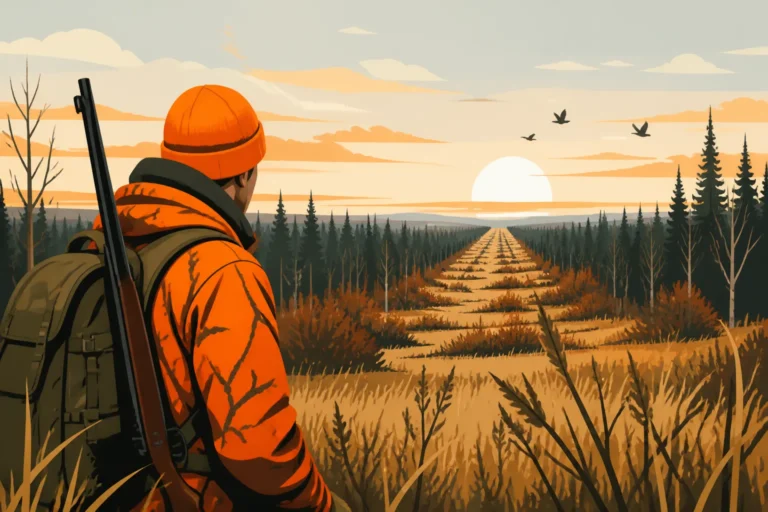
The moment combines pure potential with a healthy dose of frustration: you've driven past a recently harvested pea field, and your hunter's intuition screams "deer!" But how do you hunt such an open, often exposed landscape effectively without spooking every animal for miles? This guide will walk you through the nuances of hunting pea fields in Saskatchewan after the combines have done their work, helping you understand deer behavior, refine your scouting methods, and execute successful hunts in these highly productive areas.
Why Pea Fields Are Whitetail Magnets After Harvest
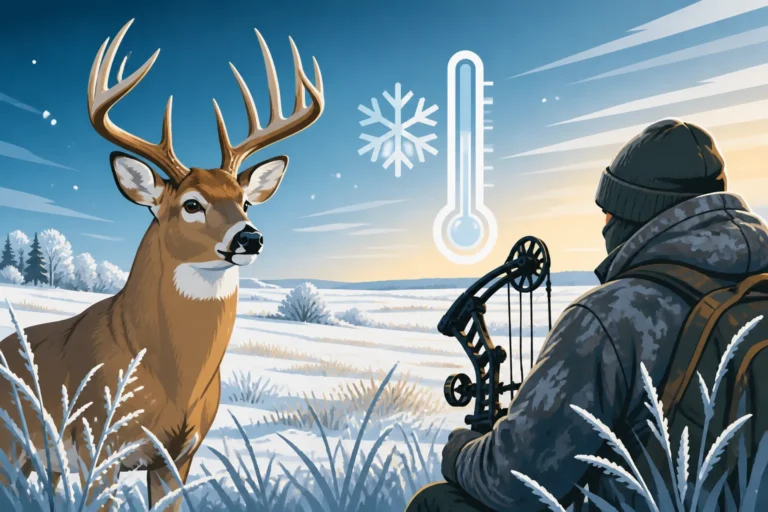
It’s easy to look at a vast, open pea field post-harvest and see nothing but flat ground, but for whitetails, it’s a goldmine. Unlike some other crops, peas leave a significant amount of residual protein and carbohydrates on the ground, making them an irresistible late-season food source, especially as temperatures drop. Deer, particularly the big bucks that hunters spend all season dreaming about, are constantly seeking out the most calorie-dense forage to build up reserves for the brutal Saskatchewan winter and to recover from the demands of the rut.
The Nutritional Draw of Leftover Peas
Pea fields, even after the most efficient harvest, are never entirely clean. There are always fallen peas, shattered pods, and even whole plants that the combine missed. These leftovers are packed with protein and energy, a vital fuel source for deer in the colder months. Think of it from a deer’s perspective: why burn precious calories digging for browse in a snow-covered bush when a buffet of easily accessible, high-energy peas awaits in the open field? This makes pea fields prime feeding locations, often drawing deer from considerable distances, especially during the crucial periods like the tail end of November's rut and the early December cold snaps.
This consistent food source means deer will habitually visit these fields. While other fields like swathed grain might offer a quick meal, peas provide sustained nutrition. Deer will often prioritize these fields over others that might appear less barren to the human eye. This is why paying close attention to recently harvested pea fields on your hunting app, such as one with Scouting With Satellite Imagery in Saskatchewan layers, can be a game-changer. These areas become central hubs for activity, sometimes even drawing in other game like moose or elk if they’re in the vicinity.
How Deer Utilize Open Fields for Feeding and Travel
Even though a pea field appears wide open to us, deer have their own subtle ways of navigating and utilizing these areas. They understand exposure, and while they might feed brazenly in the middle of a large field under the cover of darkness, they're far more cautious during daylight hours. Often, deer will stick to the edges, moving from adjacent cover like a Shelterbelt Between Two Fields or a bush bluff, slowly working their way into the field as light fades or confidence grows.
You’ll typically see deer enter a pea field from the thickest cover available—a treeline, a willow run, or even a deep coulee bottom. They might follow a fence line, a slight depression in the terrain, or even the remnants of an old drainage ditch, using any natural or man-made feature that offers a perceived sense of security. Observing these entry and exit points is crucial for setting up effectively. They use these fields not just for feeding, but also as travel corridors between different bedding areas and water sources, particularly if the field connects two points of good cover. This makes understanding their preferred travel paths as important as knowing their feeding spots.
Scouting and Reading a Post-Harvest Pea Field
Before you even think about setting up a blind or stand, thorough scouting is non-negotiable when hunting pea fields. These fields are often large, and deer can appear out of nowhere, making a well-placed setup absolutely critical. Your goal isn't just to confirm deer are using the field, but to understand how they're using it: where they enter, where they exit, when they feed, and what specific paths they prefer.
Identifying Key Entry and Exit Points
Deer are creatures of habit, and their routes into and out of a pea field will often be consistent, provided there's no undue pressure. Look for well-worn trails leading from nearby bush, willow thickets, or deep draws onto the field edges. These trails will be identifiable by matted-down vegetation, broken stalks, and fresh tracks. Pay close attention to corners of the field, especially where different types of cover meet, or where a finger of bush extends into the field. These natural funnels are often preferred entry points.
Sometimes, a deer trail might cross a small road allowance or run alongside a ditch before entering the field. Don't overlook these subtle pathways. You might also find rub lines or scrape lines along these edges, indicating mature buck activity. Use your binoculars to scan the entire perimeter of the field from a distance, looking for any low spots, draws, or distinct habitat changes that might serve as natural deer highways. The more specific you can get about their movements, the better your ambush location will be.
Reading Sign and Determining Deer Usage
Once you've identified potential entry points, it's time to get boots on the ground—discreetly, of course. Walk the field edges, looking for fresh tracks, scat, and feeding sign. Tracks in the soft dirt or frost will tell you not only that deer are present, but also how recently they've been there and in what numbers. Piles of fresh deer pellets are a dead giveaway that deer are routinely feeding in the area. Look for disturbed pea stubble where deer have been rooting around for leftover peas; this will often look like small, concentrated areas of churned-up earth.
Pay attention to where the feeding sign is most concentrated. Sometimes, deer will gravitate to a particular section of the field, perhaps a low spot where water tends to collect or a corner that's slightly more sheltered from the wind. This pattern can change with weather conditions, so ongoing scouting is important. On an app like GoHunt, you can mark these specific hot spots, tracks, and scat observations as waypoints, helping you build a comprehensive picture of deer activity over time. This detailed information will inform your stand or blind placement, ensuring you're not just guessing where the deer will be.
Effective Hunting Strategies for Pea Fields
Hunting pea fields demands a different approach than hunting dense bush or forest fringes. Success hinges on minimizing your presence, understanding deer movement in open terrain, and capitalizing on limited opportunities. The wind direction, time of day, and your choice of concealment are all magnified when operating in such exposed landscapes.
Strategic Stand and Blind Placement
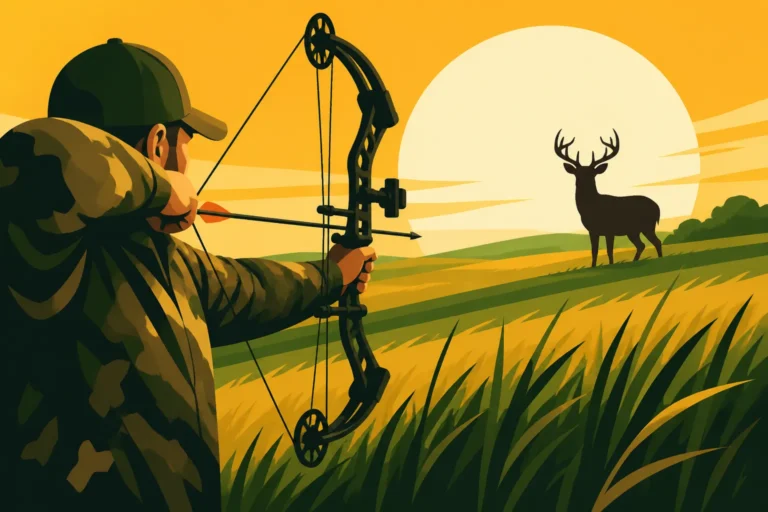
Given the open nature of pea fields, your stand or blind placement is paramount. Ideally, you want to set up in a location that offers concealment, scent control, and a clear view of where you expect deer to enter or feed. If there's a bush edge or a thick treeline bordering the pea field, placing a treestand or ground blind along that edge, downwind of known entry points, is often your best bet. A strategically placed ground blind can offer excellent concealment, especially if it's brushed in well and set up against a natural backdrop like a fence row or a cluster of larger weeds. Remember to choose a blind that blends in, something in drab colours or a natural camo pattern.
If no natural cover is available right on the edge, consider using subtle terrain features within the field. A slight rise, a drainage ditch, or even a large round bale pile can provide enough visual break to conceal a ground blind. The key is to get your blind out there well in advance, letting deer get accustomed to its presence. For example, if you're Hunting a Bluff Between Two Fields, that bluff serves as a perfect screen for your approach and setup. Always have an escape route in mind that allows you to leave your setup without spooking any deer still in the field.
| Strategy Component | Morning Hunt Considerations | Evening Hunt Considerations |
|---|---|---|
| Deer Movement | Deer moving from field back to bedding. | Deer moving from bedding to field to feed. |
| Stand Placement | Place along exit routes from field to bedding. | Place along entry routes from bedding to field. |
| Approach | Approach in darkness, parallel to bedding areas, scent-free. | Approach while deer are still in bedding, scent-free, concealed. |
| Wind Direction | Critical to avoid blowing scent towards bedding area. | Critical to avoid blowing scent towards feeding deer. |
| Light Conditions | Shoot at first light as deer linger in the field. | Shoot at last light as deer enter and begin feeding. |
| Concealment | Utilize shadows from treelines or terrain breaks. | Utilize fading light and field edges for cover. |
Timing Your Hunt and Managing Wind
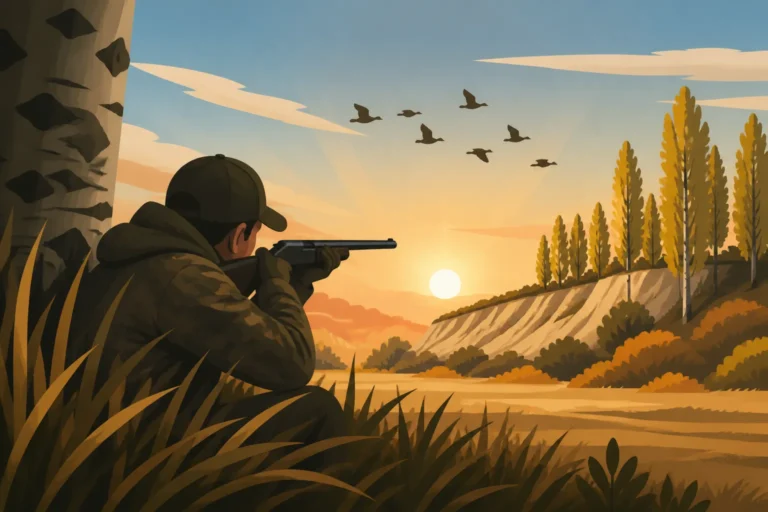
Timing and wind are the two most critical factors when hunting open pea fields. For morning hunts, you want to be in your stand or blind well before first light, allowing the deer to filter into the field overnight and offering you shots as they prepare to move back to their bedding areas. For evening hunts, getting into your setup a few hours before dusk is crucial, giving you time to settle in and for deer to begin their movement towards the field. On a good evening hunt, you might even consider Sitting All Day in a Saskatchewan Blind if you're near a bedding area and expect mid-day movement.
Wind direction is not just important; it's everything in an open pea field. Your scent will carry much farther and be less disrupted by terrain or vegetation. Always hunt with the wind in your favor, blowing your scent away from where you anticipate deer will be. If the wind isn't right for your chosen spot, don't force it. Have a secondary plan for different wind directions, or simply choose another day. Deer have an incredible sense of smell, and a single whiff of human scent can blow an entire hunt, sometimes for days. Using scent elimination sprays and proper clothing management for Whitetail Hunting in Saskatchewan becomes even more crucial in these open settings.
Overcoming Challenges and Maximizing Success
Hunting pea fields can be incredibly rewarding, but it also presents unique challenges. The openness that makes them attractive food sources also makes hunters highly visible and scent control notoriously difficult. Knowing how to adapt to these conditions and persist is key to putting a Saskatchewan buck on the ground.
Dealing with Open Terrain and Deer Vigilance
The sheer openness of a harvested pea field means deer are often more vigilant, scanning for threats from a greater distance. Your approach and exit from your stand or blind are critical. Always use existing cover – tree lines, ditches, or even the shadows of early morning or late evening – to move undetected. Avoid walking directly across the open field if at all possible. If you must cross open ground, do so quickly and efficiently, preferably during the darkest hours before dawn or after legal shooting light ends. This is where tools like GoHunt that show topographic lines and vegetation cover can really help you plan a concealed approach.
Once in your setup, minimize movement. Even small adjustments can be spotted by a keen-eyed whitetail in an open field. Bring only what you need, ensure everything is quiet, and resist the urge to fidget. Practice patience; deer might appear at a great distance and take a long time to work their way into shooting range. Having quality optics, such as a good set of binoculars and a spotting scope, is invaluable for identifying and evaluating deer from afar without alerting them.
The Importance of Permission and Hunter Ethics
Hunting private land in Saskatchewan, which most pea fields are on, means obtaining permission is not just good practice, it's the law. Many of Saskatchewan's most productive hunting grounds are on private property, so "knocking on doors" and building relationships with landowners is essential. This can be as simple as asking a farmer for Getting Permission for a Goose Field or a deer field. Approach landowners well in advance of the season, introduce yourself respectfully, and always leave their property cleaner than you found it. Offer to share some of your harvest or help with chores, if appropriate.
Responsible hunting also includes ethical shot placement and quick, efficient game recovery. In an open pea field, a deer might run a considerable distance after a shot, so knowing your firearm and your limits is paramount. Be sure of your target and what's beyond it. If you make a shot and the deer runs, mark the last spot you saw it, give it time, and then begin a thorough search. A well-placed shot and swift recovery show respect for the animal and the landowner's property. Always carry a strong flashlight, especially if hunting late into the evening, to assist with tracking and recovery after dark, as even a field that seems open can hide a downed animal surprisingly well.
Disclaimer
Hunting involves inherent risks, including but not limited to those associated with firearms, archery equipment, and outdoor environments. Always prioritize safety, follow all local, provincial, and federal hunting regulations, and obtain appropriate licenses and permissions before hunting. The information provided in this guide is for informational purposes only and should not replace professional instruction or local wildlife authority guidelines.