What a Non-Resident Pays Through an Outfitter
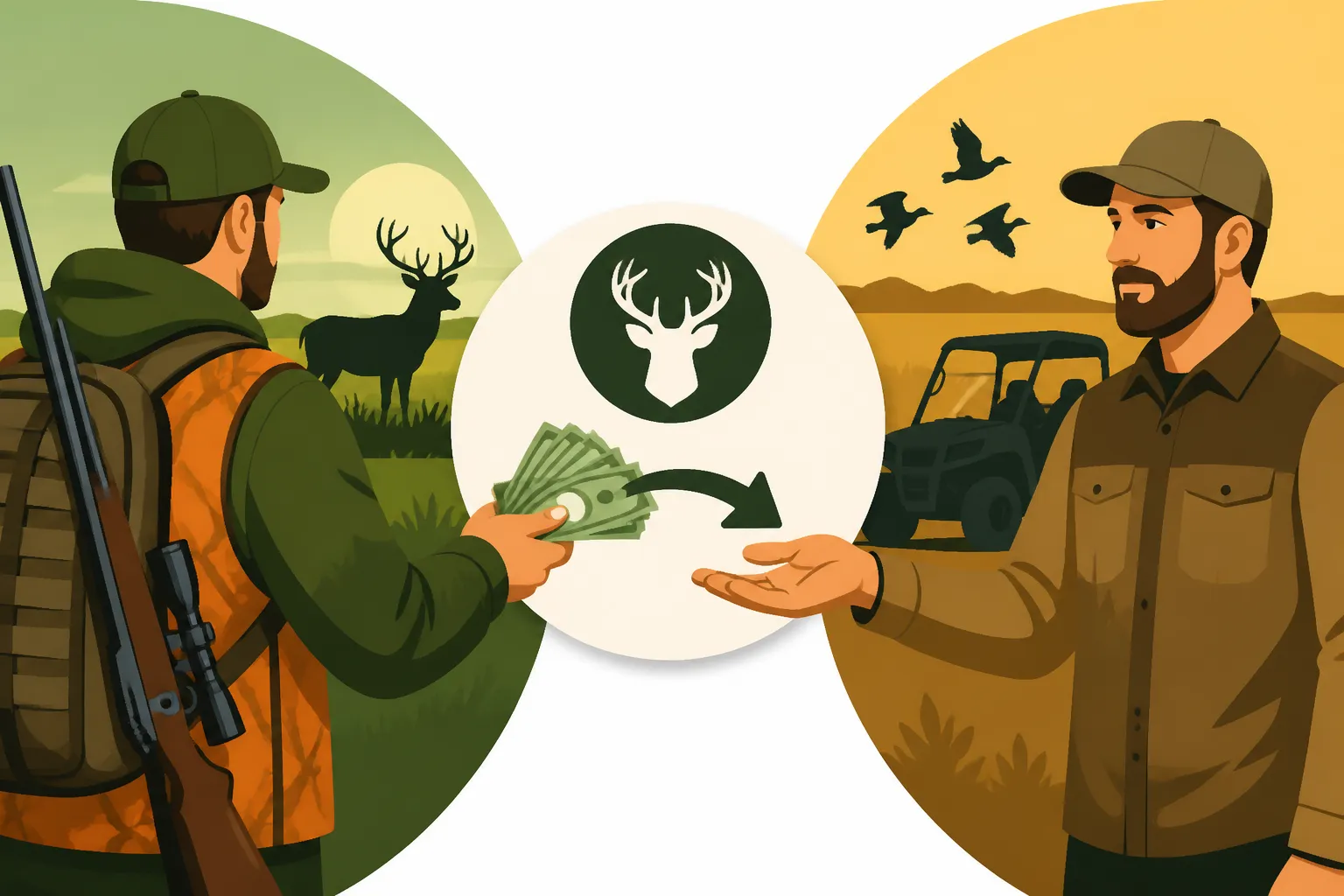
It's no secret that Saskatchewan holds a special place in the hearts of hunters, particularly those from outside the province looking for world-class big game and waterfowl opportunities. But for non-residents, the process can seem a little daunting, especially when trying to understand the financial commitment involved with booking an outfitted hunt. You've heard stories, seen the incredible photos, and now you're wondering, "What's this truly going to cost me?" This guide is here to shed light on the various expenses a non-resident hunter can expect when booking an adventure through a licensed outfitter in Saskatchewan, helping you budget accurately and plan your dream hunt without any unwelcome surprises.
Navigating the Non-Resident Outfitter Requirement
First things first, let's address the foundational requirement that often catches non-residents by surprise: the need for a licensed outfitter. Unlike residents who can often hunt big game on their own, non-residents (both Canadian and international) are legally required to book their big game hunts through a Saskatchewan-licensed outfitter. This isn't just a suggestion; it's the law. This rule is in place for several reasons, primarily to manage hunting pressure, ensure ethical hunting practices, and support the province's regulated outfitting industry, which contributes significantly to the local economy.
Why the Outfitter Mandate Exists
The requirement for non-residents to hunt big game with an outfitter helps ensure that visiting hunters have a knowledgeable and experienced guide to help them navigate Saskatchewan's diverse landscapes, understand local regulations, and properly care for harvested animals. It also helps control the allocation of tags for highly sought-after species like whitetail deer, moose, and bear, ensuring that these resources are managed sustainably. While it adds a layer of planning and cost, it often leads to a more successful and safer hunting experience, especially for those unfamiliar with the terrain or specific hunting methods for Saskatchewan's game. For detailed regulations, it's always wise to check the official "Saskatchewan Hunting Guide" or look into resources like Rules for Non-Residents Hunting Saskatchewan.
Exceptions to the Rule: Game Birds
Now, while big game requires an outfitter, it's worth noting that the rules are a bit different for game birds. Non-resident hunters can hunt migratory game birds and upland game birds in Saskatchewan without hiring an outfitter. However, there are still specific regulations regarding licensing, season dates, and bag limits that must be followed strictly. Many non-resident bird hunters still opt for an outfitter or guide service because of the extensive scouting, decoy setups, and logistical support they provide, which can dramatically increase success rates, especially for challenging hunts like large-scale waterfowl operations. This flexibility means you have options, but for that big buck or bull, an outfitter is your essential first step.
Breaking Down the Outfitter Package Costs
When you start looking at outfitters, you’ll quickly notice that hunt packages vary widely in price. This isn’t simply about finding the cheapest deal; it’s about understanding what’s included and what kind of experience you’re looking for. A typical outfitted hunt in Saskatchewan bundles several services, but the specifics can change from one operation to the next.
What's Generally Included in a Package
Most reputable outfitters offer an all-inclusive or nearly all-inclusive package for their big game hunts. This usually covers accommodation, which might range from rustic cabins to comfortable lodges, complete with hot meals and non-alcoholic beverages. Professional guiding services are, of course, a core component, ensuring you have experienced eyes and hands to help you locate game, stalk effectively, and recover your animal. Basic field care of the animal, like caping for taxidermy and quartering for transport, is also typically part of the deal. Transportation during the hunt, often involving ATVs, trucks, or even boats, is provided to get you to and from hunting areas. Some outfitters even offer airport pick-up and drop-off from major hubs like Saskatoon or Regina, which is a huge convenience for many hunters flying in. For a comprehensive overview, checking out What a Saskatchewan Guided Hunt Costs can give you a baseline idea.
Price Variations by Species and Experience
The cost of an outfitted hunt largely depends on the species you're pursuing and the level of service and success rates associated with the outfitter.
- Whitetail Deer: Saskatchewan is world-renowned for its trophy whitetails, making these hunts among the most popular. Prices for a guided whitetail hunt can range from $4,000 CAD to $8,000+ CAD for a 6-day hunt, with premium outfitters specializing in true giants fetching even higher rates. Factors like the outfitter's reputation for big bucks, the timing of the hunt (e.g., the peak rut in November is often more expensive), and the guide-to-hunter ratio all play a role. When you're trying to compare options, a platform like GoHunt can be incredibly useful to see what different outfitters are offering and their typical price points, helping you narrow down your choices for Booking a Saskatchewan Whitetail Hunt.
- Black Bear: Spring and fall black bear hunts are another popular choice. These hunts often involve baiting and can be a bit more economical than whitetail hunts, typically falling in the $3,000 CAD to $5,500+ CAD range for a 5-6 day hunt. Saskatchewan is known for colour phase bears (cinnamon, chocolate, blonde), and some outfitters specialize in areas with a higher likelihood of these unique animals, which can influence pricing.
- Moose & Elk: These are typically draw-only species for non-residents, and securing a tag can be challenging. Consequently, the guided hunts are often more expensive, reflecting the rarity and desirability of the tags. Expect to pay anywhere from $7,000 CAD to $12,000+ CAD, sometimes significantly more for specific trophy opportunities, given the effort and specialized knowledge required.
- Waterfowl: While not big game, many non-residents seek guided waterfowl hunts in Saskatchewan due to the incredible numbers of ducks and geese. These hunts are generally priced per day or as multi-day packages, ranging from $500 CAD to $1,000+ CAD per hunter per day, depending on whether it's an all-inclusive lodge experience or a daily field guide service. The sheer volume of birds and the meticulous scouting involved make these guided trips worth every penny for many.
Factors Influencing Price
It's not just about the animal. Several other elements dictate the final price of your package:
- Duration of the Hunt: Most big game hunts are 5-7 hunting days. Shorter or longer trips will adjust the price accordingly.
- Guide-to-Hunter Ratio: A 1:1 guide ratio (one guide per hunter) offers a more personalized experience and is typically more expensive than a 2:1 or even 3:1 ratio.
- Luxury Level of Accommodations: From bare-bones spike camps to luxury lodges with gourmet meals and amenities, the comfort level directly impacts the cost.
- Inclusions: Some outfitters might include your licence fees in the package, while others list them separately. Always clarify what's explicitly not included.
- Season Timing: As mentioned, peak rut for deer or prime migration dates for waterfowl can command higher prices.
- Trophy Quality Focus: Outfitters with a proven track record of consistently producing record-book animals will naturally charge more for their expertise and access to prime hunting grounds. When you're looking for that specific type of hunt, GoHunt can provide insights into outfitters' past successes and help you connect with those specializing in trophy animals.
Here's a general table summarizing typical package costs (excluding extra fees we'll discuss next):
| Species | Typical Hunt Duration | Average Package Cost (CAD) | Key Factors Affecting Price |
|---|---|---|---|
| Whitetail Deer | 6-7 Days | $4,000 – $8,000+ | Trophy quality focus, rut timing, guide ratio |
| Black Bear | 5-6 Days | $3,000 – $5,500+ | Colour phase opportunities, remoteness of camp |
| Moose | 7-10 Days | $7,000 – $12,000+ | Draw success, trophy potential, remoteness |
| Elk | 7-10 Days | $7,000 – $12,000+ | Draw success, herd size, specific zone |
| Waterfowl | 3-5 Days (per hunter) | $500 – $1,000+ (per day) | All-inclusive lodge vs. daily guide, scouted fields |
Note: These are average ranges and can fluctuate based on market, outfitter reputation, and inclusions.
Additional Expenses Beyond the Outfitter Package
Now that we’ve covered the core outfitter package, let’s talk about the “hidden” costs – those essential expenses that aren’t usually bundled into the base price but are absolutely necessary for your hunt. These are the areas where hunters often get caught off guard, so planning for them is crucial.
Licences, Tags, and Permits
This is perhaps the biggest category of additional costs. Your outfitter package covers the service, but not the actual legal right to hunt or harvest an animal.
- Saskatchewan Hunting Licences: Every hunter needs a base licence. For non-residents, this includes the Wildlife Habitat Certificate (a mandatory annual fee that supports conservation) and the specific licence for the species you're pursuing. For example, a non-resident whitetail deer licence costs around $300-$350 CAD, plus the habitat certificate. Moose, elk, and bear licences also have their own fees. You'll need to create a HAL (Hunter and Angler Licence) account online to purchase these. Find more details at Saskatchewan Hunting Licences and What They Cost and Saskatchewan's HAL Account and Licensing.
- Big Game Draw Application Fees: For draw species like moose, elk, and sometimes mule deer or specific antlerless tags, there’s usually a non-refundable application fee even if you don't draw a tag. While not a huge sum, it's an upfront cost to consider, as discussed in What a Draw Application Costs.
- Federal Migratory Game Bird Permit: If you're hunting ducks, geese, or other migratory birds, you'll also need to purchase a federal migratory game bird permit in addition to your provincial game bird licence. This is usually around $17 CAD.
- Conservation Stamp: Some licences may include a conservation stamp or require a separate purchase to support wildlife initiatives.
These fees, while relatively small compared to the outfitter package, add up quickly. Always confirm with your outfitter exactly What Tags and Licences Add to the Bill will be, as they might assist you in the purchasing process through your HAL account.
Travel and Logistics
Getting to Saskatchewan, especially if you're coming from another country, involves significant travel expenses.
- Flights: Round-trip airfare to major Saskatchewan cities like Saskatoon (YXE) or Regina (YQR) can vary wildly based on your departure city, time of year, and how far in advance you book. Expect anywhere from $500 to $1500+ USD/CAD.
- Ground Transportation: Even if your outfitter offers airport pickup, you might need to arrange travel to the meeting point, or rent a vehicle if driving to camp. Fuel costs for personal vehicles can also be substantial if you're driving long distances.
- Firearm Declaration Fees: If you're bringing your own rifle or shotgun into Canada, you'll need to complete a Non-Resident Firearm Declaration Form (RCMP GRC 5589) and pay a fee at the border (currently $25 CAD). This form acts as a temporary licence and registration. Familiarize yourself with this process by reading Crossing the Border With a Rifle.
Gratuities (Tips)
Tipping your guide and camp staff is customary and expected in the outfitting industry. These folks work incredibly hard to make your hunt successful and comfortable, often starting before dawn and finishing long after dark.
- Guide Tip: The general guideline for a guide is 10-20% of the hunt package price, based on their performance and your satisfaction. This can be a substantial amount, so factor it into your budget. For example, on a $6,000 hunt, a 15% tip is $900.
- Camp Staff Tip: Don't forget the cooks, cleaners, and other support staff. A collective tip for them, often given to the head guide or outfitter to distribute, is also appreciated. Budget around $100-$300 CAD for this, depending on the length of your stay and the number of staff. For more detailed advice, refer to Tipping a Saskatchewan Guide.
Meat Processing and Taxidermy
After a successful hunt, you'll have some decisions to make regarding your harvest.
- Meat Processing: Unless you plan to process the animal yourself in the field and transport it in coolers (which is an option, but complex for non-residents), you’ll likely pay for professional butchering. Costs vary by animal size and the cuts you request, typically ranging from $150-$500+ CAD per animal. If you plan to ship meat home, specialized packaging and shipping costs will apply. Learn more about your options through Meat Processing in Saskatchewan.
- Taxidermy: If you harvest a trophy, you'll either cape and salt it for transport to your taxidermist back home or arrange for a local Saskatchewan taxidermist. Transporting capes and antlers across international borders has specific rules and paperwork, and using an outfitter's preferred taxidermist can simplify the process. Taxidermy costs themselves can be thousands of dollars, depending on the mount type and animal. Shipping your finished trophy home is another significant expense.
Contingency Fund
No matter how well you plan, unexpected things can happen. It's always a good idea to have a contingency fund for:
- Extra nights of lodging: Before or after your hunt, if flights are delayed.
- Forgotten gear: Replacing essential items can be costly.
- Emergency travel insurance: For medical emergencies or trip cancellation/interruption.
- Souvenirs or personal expenses: Small items that add up.
How to Research and Budget Effectively
Planning a hunting trip to Saskatchewan as a non-resident requires meticulous research and a realistic budget. The upfront investment is significant, but with careful preparation, you can ensure your hard-earned money is well spent on a memorable experience.
Due Diligence is Key
Don't rush into booking the first outfitter you find. Take your time to research thoroughly. Look for outfitters who are transparent about their pricing and what is included in their packages. A good outfitter will provide a detailed contract outlining all services, costs, and terms. Platforms like GoHunt can be invaluable here, offering detailed profiles of outfitters, reviews from past clients, and sometimes even direct booking options or comparison tools. This allows you to vet potential outfitters, review their success rates, and ensure they align with your hunting goals and ethical standards. It’s also wise to check their Saskatchewan Outfitter Licensing and Allocations to ensure they are properly registered.
Getting Clear Quotes and Understanding Contracts
Always request a detailed, written quote that breaks down all costs. Don't be shy about asking questions if something is unclear. Clarify what happens if you have to cancel your trip, what the deposit policy is, and when final payments are due. Look for any hidden fees or charges that might not be immediately obvious. Understanding your outfitter’s deposit and cancellation terms is crucial, as often these are non-refundable or have strict timelines.
References and Reviews
One of the best ways to gauge an outfitter's quality is to speak with past clients. Reputable outfitters should be happy to provide references. Ask specific questions about the hunt, the accommodations, the guide's knowledge, and whether the actual costs aligned with the initial quote. Online reviews and forums can also offer insights, but always take them with a grain of salt and look for consistent themes. A pattern of positive experiences with particular outfitters, especially those mentioned on platforms like GoHunt, can be a good indicator of reliability and quality. This step is a core part of Choosing the Right Saskatchewan Outfitter.
Creating a Comprehensive Budget
Once you have all the information, create a detailed budget spreadsheet. List every potential expense, from the outfitter package to your coffee stops on the drive to the airport. Overestimate rather than underestimate. This will give you a clear picture of the total financial commitment and help you avoid any stressful surprises during your trip. Remember to account for the currency exchange rate if you're paying in USD, as the Canadian dollar fluctuates. For a solid guide on overall trip planning, Planning a Saskatchewan Hunting Trip offers excellent advice that extends to financial considerations.
Considering Travel and Cancellation Insurance
Given the significant investment involved in a non-resident hunt, comprehensive travel insurance that includes trip cancellation, interruption, and emergency medical coverage is highly recommended. Life happens, and an unforeseen event could force you to cancel your hunt, potentially losing thousands of dollars in non-refundable deposits. Insurance can provide peace of mind and protect your investment against various contingencies.
Disclaimer
Please remember that hunting regulations, licence costs, and outfitter prices can change. Always consult the most current Saskatchewan hunting guide, the provincial government's official hunting website, and your chosen outfitter for the most up-to-date and accurate information before planning your trip.