Saskatchewan Trophy Moose Draw Odds
Hunting for a trophy moose in Saskatchewan is a dream for many, but the reality of drawing one of those coveted tags can feel like an impossible uphill battle. The frustration of applying year after year, watching your friends get lucky, or simply feeling in the dark about how the draw system truly works is something many of us can relate to. This guide aims to demystify the Saskatchewan trophy moose draw odds, breaking down the system, explaining the factors at play, and offering insights to help you navigate this challenging but rewarding pursuit.
Understanding Saskatchewan's Moose Management
Saskatchewan's moose population, especially those magnificent bulls that carry truly impressive racks, is a precious resource. The province manages these animals carefully, striking a balance between maintaining healthy herds and providing hunting opportunities. However, the demand for moose tags, particularly for trophy bulls, far outstrips the supply, leading to a highly competitive draw system.
Why Moose Draws Are So Competitive
Moose are an iconic big game species, renowned for their immense size, impressive antlers, and the sheer challenge of hunting them in varied terrain, from dense boreal forests to scattered parkland bluffs. The draw for trophy moose tags in Saskatchewan is fiercely competitive for several key reasons. Firstly, a limited number of tags are allocated each year to ensure sustainable populations and to allow bulls to mature into trophy class animals. This conservation-minded approach means there just aren't enough tags to go around for everyone who wants one. Secondly, the allure of a "trophy" animal – a mature bull with a large, well-developed rack – significantly increases demand. Many hunters are willing to wait years, even decades, for the chance at such an animal, driving up the application numbers for these specific opportunities. Finally, moose habitat varies across the province, with certain Wildlife Management Zones (WMZs) known for producing larger animals or having higher moose densities, making those zones even more desirable and, consequently, harder to draw.
The Role of Zone Management
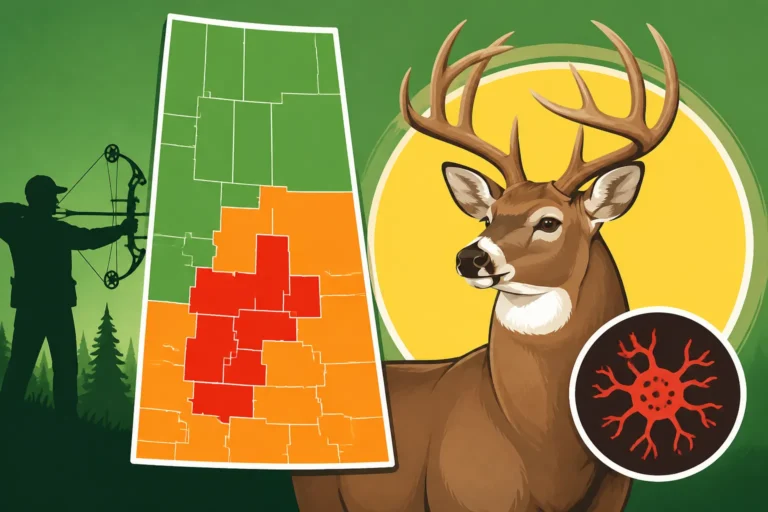
Saskatchewan is divided into numerous Wildlife Management Zones, or WMZs, each with its own specific regulations and tag allocations for various species, including moose. For moose, these zones are critical because they dictate not only the number of tags available but also the type of moose you can hunt – antlered (trophy), antlerless, or either sex. The province's wildlife biologists assess moose populations within each WMZ annually, taking into account factors like habitat health, winter severity, previous harvest rates, and disease prevalence. This data then informs the tag allocation for the upcoming season. Some zones might offer more tags for antlerless moose to manage population growth, while others, particularly those with prime habitat, might have a very limited number of highly sought-after antlered moose tags. Understanding these zone-specific allocations and population trends is fundamental to navigating the draw. For instance, northern zones within the Hunting Saskatchewan's Boreal North often have different dynamics than those in the Hunting Saskatchewan's Forest Fringe or even areas where moose have expanded into farmland.
Trophy vs. Antlerless Moose Draws
It's crucial to understand that the draw for a "trophy" moose tag is distinctly different from applying for an "antlerless" moose tag, and their respective odds reflect this difference dramatically. A trophy moose tag typically refers to an antlered moose, meaning a bull with a certain minimum antler size (though often just "antlered" is enough to signal "trophy" intent due to the rarity). These tags are exceedingly difficult to draw, often requiring many years in the highest priority pools. Hunters applying for these tags are usually targeting mature, large-antlered bulls.
On the other hand, antlerless moose tags are generally more available and have significantly better draw odds. These tags are primarily issued as a management tool to control population growth, balance sex ratios, or reduce agricultural depredation in certain areas. While not offering the chance at a trophy rack, an antlerless tag still provides an incredible opportunity for quality meat and an unforgettable hunting experience. The objective when applying should be clear: are you chasing the elusive trophy, or are you prioritizing the chance to hunt any legal moose? Your choice here will profoundly impact your draw experience and success rate.
Navigating Saskatchewan's Big Game Draw System
The Saskatchewan Big Game Draw can feel like a labyrinth, especially for newcomers or those without a solid grasp of how its various components interact. Understanding the application process and, critically, the priority pool system is paramount to improving your chances, however slim they might be for a trophy moose.
The HAL Account and Application Process
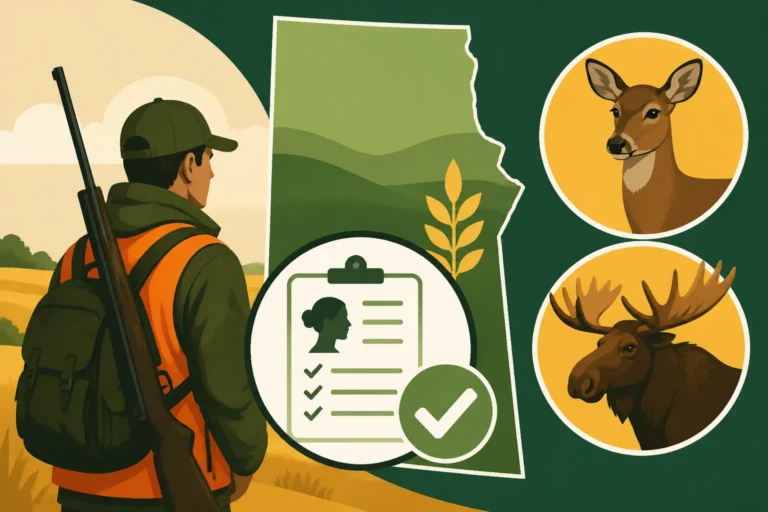
Every hunter participating in Saskatchewan's big game draw must have a Hunter and Angler Licence (HAL) account. This online portal is your gateway to everything from purchasing your Saskatchewan Hunting Licences and What They Cost to applying for the draw. Setting up a HAL account is straightforward, but it requires personal information and adherence to specific deadlines. You'll need to submit your draw application through this account during the designated application period, which typically opens in the spring (often early May) and closes a few weeks later (often late May). Missing this window, even by an hour, means you're out of luck for that year. The application process itself involves selecting your desired species, preferred WMZ, and an alternate WMZ choice. For trophy moose, your zone selection is perhaps the most critical decision, as odds vary wildly between areas. It’s also important to ensure all your hunter education requirements are up-to-date and linked to your HAL account before applying.
Priority Pools and How They Affect Your Odds
The core of Saskatchewan's big game draw system, and the primary factor influencing your draw odds for highly sought-after species like trophy moose, is the priority pool system. It's designed to give persistent applicants a better chance over time, but it can also be a source of frustration for those just starting out. Here's a quick breakdown:
- Legacy Pool: This is the highest priority pool. To enter, you generally needed to have held a specific type of license or accumulated high priority before a certain cut-off date. Odds are best here, but it’s closed to new entries.
- Super A Pool: This pool is for hunters who have consistently applied for a specific species and not been drawn for many years. It's the next best thing to Legacy.
- Regular Pool: Most applicants for popular species start here. Your priority increases by one point each year you apply for the same species and don't draw. If you draw, your priority resets.
- Apprentice Pool: For those mentored hunters, offering a specific pathway.
For trophy moose, especially in prime zones, tags often clear only in the Legacy or Super A pools. This means that a new applicant in the Regular Pool might need to apply for 10-20 years (or more) without success just to build up enough priority to stand a realistic chance. The system is designed to reward longevity, which is why you hear stories of hunters finally drawing their dream tag after decades. This is where you really see How Saskatchewan's Priority Pools Work in practice, and why understanding How Priority Pools Sort Applicants is so vital. It explains why some hunters seem to draw every few years, while others feel stuck in an endless cycle.
Applying as a Party
Saskatchewan's draw system allows hunters to apply as a party, which can be an appealing option, especially for groups of friends or family who want to hunt together. When applying as a party, all members’ applications are linked, and the party draws based on the lowest priority member’s pool status. This means if one member is in the Regular Pool with 2 points and another is in the Regular Pool with 10 points, the entire party applies at the 2-point priority level.
The main advantage of party applications is the guarantee that if one person draws, everyone in the party draws a tag. This ensures that if you're planning a group hunt, no one is left out. The disadvantage, particularly for trophy moose, is that it can significantly lower your effective draw priority if you're applying with someone who has less priority than you. If your goal is strictly to maximize your individual odds for a trophy moose, applying alone with your highest accumulated priority is generally the better strategy. However, for those prioritizing the shared experience of a hunt, the party application is an excellent way to go.
Analyzing Saskatchewan Trophy Moose Draw Odds
The term "odds" can be intimidating, but breaking down how they're calculated and what factors truly influence them can give you a clearer picture of your chances for that coveted Saskatchewan trophy moose tag. This isn't about magical thinking, but about informed strategy.
Interpreting Historical Draw Statistics
Saskatchewan's Ministry of Environment typically releases draw statistics after each year's big game draw. These statistics are your best friend when trying to understand the landscape of draw odds. They usually show how many applicants were in each priority pool for each WMZ and species, and what priority level the last successful applicant came from. For example, you might see that for a particular trophy moose zone, the lowest successful priority in the Regular Pool was 15 points, and in the Super A pool, it was 5 points.
What does this tell you? It illustrates the intense competition and the number of years of consistent application required for success in that specific zone. If a zone only cleared tags in the Legacy or Super A pools, it means new applicants in the Regular Pool have virtually no chance in the short term. Resources like the GoHunt platform can be invaluable here, as they often compile and analyze this historical data, presenting it in user-friendly formats that allow you to compare zones and see trends over multiple years. While these are historical numbers, they provide a strong indicator of future difficulty. It's critical to remember that odds can fluctuate slightly year to year based on tag allocations and application numbers, but the general trends for highly desirable trophy moose zones remain consistent: they are tough.
Factors Influencing Your Chances
Beyond your priority pool status, several other factors can significantly influence your draw odds for a Saskatchewan trophy moose tag:
- WMZ Selection: This is arguably the most impactful choice you make. Some zones are renowned for producing massive bulls, and naturally, these zones receive an overwhelming number of applications, making them exceptionally difficult to draw. Other zones might have lower moose densities or less consistent trophy quality, and thus slightly better odds. Researching specific zones and their historical success rates is key.
- Number of Applicants: Simply put, the more people who apply for a particular WMZ and species, the lower everyone's individual odds become. Trophy moose tags are popular, leading to high applicant numbers across the board.
- Tag Allocations: The number of tags allocated by the province for trophy moose varies each year based on population surveys and management objectives. A slight increase or decrease in available tags can have a noticeable impact on draw success, especially in zones with very few tags to begin with.
- Application Choices: If you only select a single, highly competitive zone, your chances are concentrated there. Some hunters choose to apply for a less competitive primary zone with a highly competitive secondary zone, hoping to at least draw something while still trying for their dream tag.
- Draw Group (Party vs. Individual): As discussed, applying as a party can lower your effective priority, impacting your odds for trophy moose unless everyone in the party has high, similar priority.
Understanding these variables helps manage expectations and craft a more strategic approach to the draw.
Strategies to Improve Your Odds (Over Time)
While there's no magic bullet for drawing a trophy moose tag, especially for those in lower priority pools, there are definite strategies to play the long game effectively:
- Consistency is Key: The most important strategy is to apply every single year for trophy moose. This is how you build priority. Missing a year means losing out on a crucial priority point and resetting your progression.
- Strategic Zone Selection: Research past draw results diligently. Identify zones where tags have cleared at priority levels that are achievable for you within a reasonable timeframe. Don't waste your application on a zone that never clears below Legacy if you're in the Regular Pool with 1 point. Consider less popular zones that might still offer quality hunting but have slightly better odds.
- Party Application Consideration: If trophy potential is your absolute top priority and you have significant individual priority, apply alone. If you're okay with sacrificing a bit of individual priority for the certainty of hunting with a group if one person draws, then a party application might be suitable.
- Embrace the "Other" Moose Tags: If your goal is simply to hunt moose, consider applying for antlerless moose tags in different draws. While not a trophy, it provides valuable experience and a chance to fill your freezer. This can keep you engaged while you slowly build priority for a trophy bull.
- Utilize Data Resources: Platforms like GoHunt or the official provincial draw statistics are indispensable. Spend time analyzing the data to make informed decisions about which zones offer the best mathematical chance given your priority level. Look at success rates for Saskatchewan Trophy Moose Draw Odds in different zones over several years.
By consistently applying and making informed decisions based on available data, you're not just hoping for luck; you're actively working the system to your advantage over the long haul.
Maximizing Your Chances Beyond the Draw
Getting that coveted trophy moose tag in the draw is only the first step on a long and exciting journey. Once the tag is in hand, the real work begins. Successful trophy moose hunting in Saskatchewan demands meticulous planning, relentless scouting, and a deep understanding of moose behavior and habitat.
Researching High-Potential Moose Zones
Long before you even consider drawing a tag, or immediately after a successful draw, deep-diving into your chosen WMZ is paramount. Don't just pick a zone because you heard a big bull came out of it once. Utilize every resource at your disposal:
- Topographic Maps and Satellite Imagery: Tools like onX Hunt (or similar mapping apps) are invaluable for identifying potential moose habitat. Look for areas with a mix of dense cover, water sources, and food. Moose thrive in areas with willow, aspen, and aquatic vegetation. Pay close attention to transition zones between forest and open fields, along creek bottoms, and around remote sloughs, which can be prime for Hunting Farmland Moose Around Saskatchewan Sloughs.
- Historical Harvest Data: While generalized, sometimes specific zones have a reputation for consistent trophy production. This often correlates with good habitat, lower pressure, and effective management.
- Local Knowledge: If possible, talk to locals, other hunters, or even conservation officers (respectfully, of course) who might offer insights into historical moose movement patterns or areas of high activity within a zone.
- Habitat Diversity: Moose are browsers, so look for areas that offer a buffet of their preferred forage. Think young aspen stands, willow thickets, and areas where they can access aquatic plants. These are often found in the Hunting the Forest Fringe for Big Bucks areas or deeper in the boreal forest.
By spending countless hours "e-scouting" and understanding the specific characteristics of your zone, you'll be light years ahead when it comes time for boots on the ground.
The Importance of Scouting and Planning
Once you have a tag in hand, scouting becomes a full-time obsession. This isn't just about driving around hoping to spot a moose; it's about systematically learning the land.
- Pre-Season Scouting: Long before opening day, get into your zone. Look for fresh tracks, rub lines, established trails, and feeding areas. Moose will often use the same travel corridors year after year. Focus on areas where food, water, and cover converge. This is where a good mapping app helps you mark potential stand sites or ambush points.
- Trail Cameras: Deploying trail cameras in strategic locations can provide invaluable intelligence on moose movement, size, and activity patterns, especially during the pre-rut and rut phases. Place them on well-used trails, near water, or in known feeding areas.
- Weather and Seasonal Patterns: Moose behavior changes with the seasons and weather. In warmer early seasons, they're often near water. As the rut approaches in late September and October, bulls become more active, moving more during daylight hours. Understanding When Saskatchewan's Moose Rut Peaks is critical for timing your hunts.
- Access and Logistics: Plan your access routes. Will you need a quad to reach remote areas? Is there crown land accessible from a grid road? What's your plan for game retrieval if you're successful deep in the bush? Thinking through these logistics beforehand can prevent significant headaches during the hunt.
Hunting the Forest Fringe and Boreal North for Moose
Saskatchewan offers diverse moose hunting opportunities, but the majority of trophy moose are harvested in the boreal forest and the rich forest fringe zones. These areas present unique challenges and rewards.
In the Forest Fringe, where agricultural land meets the vast bush, moose often thrive due to abundant food sources and secure cover. Hunters here might find success by focusing on transitional areas, particularly where willow runs and poplar bluffs create natural travel corridors between fields and thicker woods. Hunting a Poplar Bluff at First Light or a Hunting a Beaver Dam Crossing can be highly effective. Moose in these areas often move out into crop fields or along field edges at dawn and dusk, retreating to thick cover during the day. This requires patient observation, often from a good vantage point, and knowing how to utilize rattling and calling.
The Boreal North offers a more rugged and wild experience. Here, moose densities can be high, but the thick cover makes them incredibly challenging to find. Focus on burn areas from past wildfires, which provide excellent browse in subsequent years, or along logging cutlines and old growth edges. Calling during the rut, especially a deep, resonant cow call, can be incredibly effective when Calling a Bull Moose in the Rut in the dense bush. Access might be limited to quads, boats, or even float planes, requiring a more ambitious and self-sufficient approach. Understanding how moose utilize different habitats, from muskeg edges to jack pine ridges, is crucial for success in these remote regions. Regardless of the area, patience, stealth, and knowing when to sit and when to move are universal keys to success.
Here's a look at how challenging the draws can be for trophy moose:
| Priority Pool | Estimated Years to Draw (High Demand WMZs) | Approximate Odds (Any Given Year, High Demand WMZs) | Typical Moose Harvested |
|---|---|---|---|
| Legacy | 1-3 years (if applying consistently) | 25-50% | Mature Bull (Trophy) |
| Super A | 3-7 years (if applying consistently) | 10-25% | Mature Bull (Trophy) |
| Regular | 10-20+ years (for highest priority) | < 5% (until very high priority is achieved) | Any Antlered Moose |
| Apprentice | Varies, generally similar to Regular | < 5% | Any Antlered Moose |
Note: These are generalized estimates for highly competitive trophy moose zones and can vary significantly based on specific WMZ, annual tag allocation, and total applicant numbers. "Years to Draw" assumes consistent application without interruption.
Disclaimer
This article is intended for informational purposes only and does not constitute legal advice. Hunting regulations, season dates, draw processes, and license requirements in Saskatchewan are subject to change. Always consult the official Saskatchewan Hunters' and Trappers' Guide and the Ministry of Environment website for the most current and accurate information before planning any hunting activity. It is the hunter's responsibility to know and adhere to all provincial and federal regulations.