Black Bears in Saskatchewan’s Boreal Forest
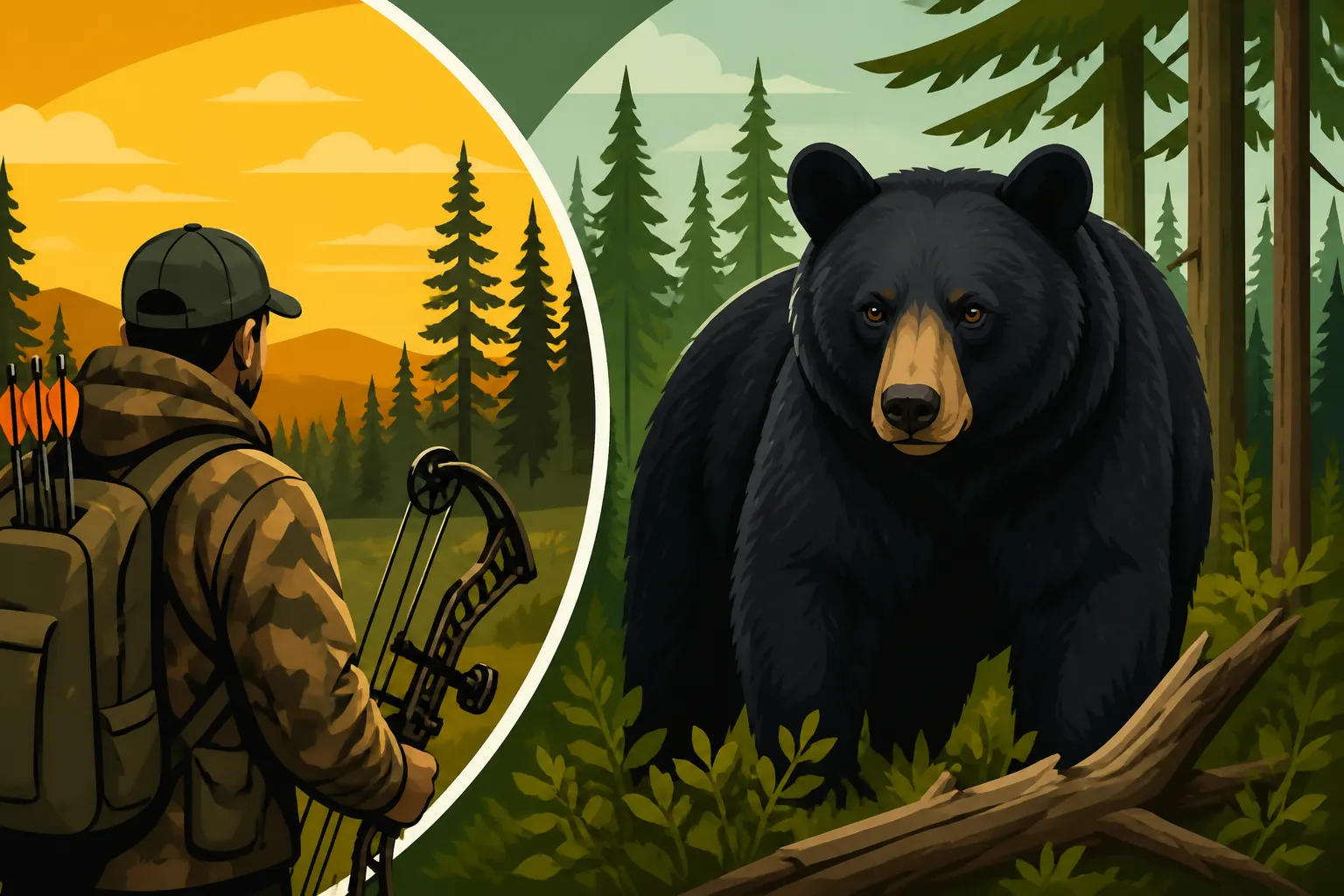
Hunting black bears in Saskatchewan's vast boreal forest can feel like chasing a ghost if you don't truly understand their world. It's a place of dense cover, remote wilderness, and often challenging conditions, making it tough to even know where to begin your search, let alone anticipate their movements. This comprehensive guide is here to demystify the black bear of Saskatchewan's northern reaches, helping you understand their habits, habitat, and how to successfully and ethically pursue them in this incredible environment.
Understanding Saskatchewan's Black Bear Population and Range
When we talk about black bears in Saskatchewan, we're really talking about a creature intimately tied to the boreal forest. This isn't the open prairie you might associate with other Saskatchewan big game; this is a landscape of endless trees, water, and muskeg, and it's where these magnificent animals truly thrive. It's a common misconception that all bears are the same, but the boreal black bear has adapted uniquely to this northern environment.
Where the Bears Roam: Geographic Distribution
Saskatchewan's black bear population is primarily concentrated north of the agricultural belt, stretching deep into the boreal forest. This vast wilderness, encompassing provincial forests like the Nipawin Provincial Forest, Pasquia Hills, and the Prince Albert Provincial Forest, offers everything a bear could ever want: dense cover for security, abundant food sources, and countless denning sites. While you might occasionally find a bear wander south into the parkland or even farmland fringe areas, especially in years of poor berry crops, their core territory remains firmly within the northern woods. These are the areas where you'll find the highest densities, where logging cutlines create new growth for foraging, and where water bodies are plentiful. It's truly a wilderness experience up here, far removed from human population centers, and that wildness contributes to the health and size of the bears.
Population Trends and Management
Saskatchewan’s black bear population has historically been robust, and thankfully, continues to be well-managed. The province recognizes the value of this species, both ecologically and for hunters. While exact numbers can fluctuate based on factors like winter severity and food availability, management strategies aim for sustainable harvest levels. This means setting appropriate quotas, defining season dates, and implementing regulations that ensure a healthy bear population for future generations. Unlike some other big game species, black bears aren't typically subject to a draw for resident hunters, making them more accessible. However, non-residents are generally required to hunt with an outfitter, a rule that helps manage harvest and ensures guided experiences for those less familiar with the local terrain and regulations. Information regarding these trends and regulations can often be found on the provincial government's environment website or through reputable hunting resources like GoHunt, which can help you understand the specific wildlife management zones that offer prime bear habitat and robust populations.
Why the Boreal is Prime Black Bear Habitat
The boreal forest is a veritable paradise for black bears, offering a perfect blend of resources they need to survive and flourish. The dense coniferous and mixedwood stands provide crucial cover from the elements and from other predators, as well as safe havens for cubs. Throughout the spring, summer, and fall, the forest floor and understory burst with a diverse array of food sources: saskatoon berries, blueberries, cranberries, pin cherries, and chokecherries. Beyond berries, bears are opportunistic omnivores, feasting on insects like ants and their larvae, grubs, succulent greens, and even carrion. The myriad of lakes, rivers, and wetlands within the boreal also offer water sources and sometimes even fish. This constant availability of diverse food, combined with the solitude and protection of the vast wilderness, contributes directly to why Saskatchewan is known for producing large, healthy black bears, often with impressive hides. The sheer scale of the undisturbed habitat allows bears to grow to mature sizes, sometimes surpassing what hunters expect.
The Life Cycle of a Boreal Black Bear
Understanding the annual rhythm of a black bear is crucial for any hunter hoping to intercept them. Their year is a cycle dictated by the seasons, primarily revolving around food acquisition and reproduction. This deep connection to their environment makes them predictable in some ways, but always a challenge in others.
Denning Habits and Spring Emergence
As the harsh Saskatchewan winter approaches, typically by late October or November, black bears begin to enter a state of dormancy, retreating to their dens. These dens can be surprisingly simple—a hollowed-out log, a natural rock crevice, an excavated burrow under a tree root system, or even just a thick brush pile. The choice of den site is critical for survival through the freezing temperatures, offering insulation and protection from the elements. Females who are pregnant will den first, often in more secure locations. They typically emerge from their dens in late April or early May, sometimes even into June depending on the snowmelt and spring green-up. When they first emerge, bears are sluggish, having lost a significant amount of weight over winter. They're initially cautious, sticking close to their dens and focusing on consuming easily digestible, protein-rich foods like new green growth, grubs, and carrion. This early spring period is a prime time for hunters, as bears are actively searching for food after their long fast.
Breeding Season and Cub Rearing
The breeding season for black bears in Saskatchewan usually kicks off in late May and extends through June and into early July. During this time, boars (males) become highly mobile, covering vast distances in search of sows (females). This increased movement can make them more visible, but also more wary. Sows, on the other hand, are often trying to avoid boars if they have young cubs, as aggressive males can pose a threat to their offspring. After a successful mating, the fertilized egg undergoes a process called delayed implantation, meaning it doesn't implant in the uterine wall until late fall. If the sow has put on enough weight and is in good health, the embryo will implant, and the cubs will develop over the winter. Cubs are born in the den, typically in January or February, usually in litters of two or three. They are born blind, hairless, and tiny, relying completely on their mother's milk. They will stay with their mother for a year and a half, learning essential survival skills, before being sent off to fend for themselves in their second summer. Knowing these timelines helps greatly in Judging a Boar From a Sow With Cubs, which is critical for ethical hunting.
Preparing for Winter: Hyperphagia
From late summer through fall, bears enter a crucial phase known as hyperphagia, a period of intense feeding designed to pack on enough fat reserves to survive the upcoming winter denning period. This is when bears become true eating machines, consuming vast quantities of berries, nuts, and anything else they can find. If you've ever seen a bear in October, you'll notice their rotund appearance; they're essentially trying to double their body weight. A poor berry crop in a given year can have significant consequences, potentially leading to lower cub survival rates or bears being forced to expand their foraging range, sometimes bringing them closer to human settlements. During this time, bears are constantly on the move, diligently searching for food sources. This makes the fall a good time to locate bears near specific food patches, especially in areas with abundant berry bushes or where agricultural crops might offer an easy meal, although the primary hunting season for bears is in the spring. Understanding What Bears Eat in a Boreal Spring is just as important as knowing their fall diet, as their caloric needs drive their movements.
What Boreal Black Bears Eat and How It Shapes Their Behavior
Black bears are true omnivores, and their diet in the boreal forest is incredibly diverse, changing with the seasons. This adaptability is key to their survival and influences where you'll find them at different times of the year. Forget the picnic basket stereotype; these bears are expert foragers.
Seasonal Foraging: Berries, Insects, and More
As mentioned, their diet shifts dramatically throughout the year. In spring, when they first emerge from the den, bears are seeking easily digestible greens like dandelions, clover, and young aspen shoots, alongside protein sources such as grubs, ants, and carrion left over from winter kills. They'll flip rocks and logs with incredible power, sniffing out insects. As summer progresses, the focus shifts to berries. Saskatoon berries, blueberries, raspberries, and saskatoon berries become incredibly important, often leading bears to specific patches in cutlines, clearings, or along wetland edges. By late summer and fall, it's a full-on calorie-gathering mission. Chokecherries, pin cherries, and cranberries become staples, along with the mast crops of hazel nuts or acorns where available. Bears will spend hours in dense berry thickets, often leaving behind a trail of broken branches and scat. This seasonal variation means a hunter needs to be acutely aware of what food sources are available and where they are located in their chosen hunting area. Scouting for these prime feeding locations is paramount, and resources like GoHunt can provide satellite imagery to pinpoint potential berry patches or natural clearings.
The Importance of Natural Food Sources
The abundance and diversity of natural food sources in Saskatchewan's boreal forest are critical for maintaining a healthy and robust bear population. When natural food sources are plentiful, bears are less likely to venture into human-populated areas, reducing potential conflicts. A good berry year, for instance, means fat, healthy bears going into winter, which leads to better cub survival and overall population stability. It also means bears are widely distributed, rather than concentrated in a few desperate locations. Understanding these natural cycles and food availability is a major component of successful bear hunting. If you're scouting an area and notice a bumper crop of blueberries, you can bet that bears will be frequenting that area once they ripen. Conversely, a poor natural food year can lead to more unpredictable bear movements and might increase the effectiveness of baiting as a hunting method, as bears are actively seeking readily available calories.
Opportunistic Feeding and Scavenging
While berries and insects form the backbone of their diet, black bears are also highly opportunistic feeders and scavengers. They won't pass up an easy meal. This can include anything from uncovering rodent caches, preying on fawns or moose calves during spring, or scavenging on the carcasses of animals that didn't make it through the winter. This opportunistic nature is why bears are sometimes found near human activity, investigating garbage dumps, campgrounds, or even agricultural fields where grain might be spilled. It also makes them particularly susceptible to baiting, as a reliable, high-calorie food source is a powerful attractant. While hunting over bait is a popular and effective method in Saskatchewan, it's important to remember that it's tapping into this opportunistic feeding behavior, not necessarily mimicking their primary natural foraging. Always ensure your baiting practices are legal and ethical, respecting the regulations set out for Setting a Bear Bait Site in Saskatchewan.
Recognizing Black Bear Sign and Behavior in the Boreal
Being able to "read the woods" for bear sign is an invaluable skill that separates successful hunters from those who just wander aimlessly. Bears are masters of stealth, but they leave plenty of clues if you know what to look for.
Tracks, Scats, and Rubs: Reading the Ground
Black bears leave a variety of discernible signs. Their tracks are distinct: five toes with prominent claw marks, often visible in soft soil, mud, or snow. The hind foot is longer and more human-like, while the front paw is broader. You’ll notice their gait, often a shuffling walk that can sometimes appear almost pigeon-toed. Scats (bear droppings) are another key indicator, varying greatly depending on their diet. In spring, they might be dark and tarry from fresh greens, while in summer and fall, they'll often be loaded with berry seeds, sometimes resembling a pile of purple jam. Look for rubs on trees, where bears scratch and rub their backs or sides, often leaving hair behind. These rubs serve as scent markers and communication points. Claw marks on trees, particularly on the smooth bark of aspens, are another clear sign, often high up, indicating a bear climbed the tree, either to escape danger or to mark its territory. Broken branches in berry patches are also clear evidence of a bear feeding heavily. Using a good app like GoHunt on your phone to mark these signs can help you pattern bear movements over time.
Understanding Bear Communication and Body Language
While bears are generally solitary, they do communicate through various means. Chemical signals left through urine, scat, and rubs are common. If you encounter a bear, understanding its body language is crucial for both safety and hunting success. A bear standing on its hind legs isn't necessarily aggressive; it's often just trying to get a better view or scent. Huffs, jaw popping, or swatting the ground can be warning signs, indicating the bear feels threatened. Always give a bear plenty of space. When hunting, observing a bear's relaxed movements—slow foraging, unhurried walking—tells you it's comfortable in its environment and likely unaware of your presence. Conversely, a bear that seems agitated or frequently scans its surroundings might be aware of your scent or presence. This is particularly important when Hunting Saskatchewan Winter Weather Safely or when facing a surprise encounter in thick cover.
What to Do in a Bear Encounter
In the rare event of a close encounter in the boreal, remember these key principles:
- Stay Calm: Panic can lead to poor decisions.
- Identify Yourself: Speak in a calm, assertive voice. Wave your arms to appear larger.
- Back Away Slowly: Never run, as this can trigger a chase instinct. Move diagonally, keeping your eyes on the bear.
- Do Not Make Eye Contact: Direct eye contact can be perceived as a challenge.
- Leave an Escape Route: Ensure the bear has a clear path to flee.
- If Attacked (Rare): If it's a defensive attack (e.g., a sow protecting cubs or a bear protecting a food source), fight back aggressively with anything you have. Aim for the face and snout. If it's a predatory attack (extremely rare for black bears), also fight back.
Bear spray can be an effective deterrent for close encounters and should be carried, especially when venturing deep into prime bear habitat. Always inform others of your hunting plans and carry a reliable communication device, as cell service can be spotty in the remote boreal.
Colour Phases and Unique Characteristics of Saskatchewan Bears
One of the most exciting aspects of hunting black bears in Saskatchewan, particularly in the northern boreal, is the potential to encounter a bear that isn't black at all! These colour phases add an element of surprise and beauty to the hunt.
Beyond Black: Cinnamon, Chocolate, and Blonde
While they are called "black bears," a significant percentage of Saskatchewan's bears exhibit stunning colour variations. It’s not uncommon to see bears that are cinnamon, chocolate brown, or even blonde. These colour phases are genetically determined and are more prevalent in some regions than others, often due to localized gene pools. The northern boreal forest seems to produce a good number of these lighter-coloured bears, making for a truly unique trophy. Imagine a mature boar with a rich chocolate coat, or a striking cinnamon bear moving through the vibrant green undergrowth – it's a sight to behold. These colour variations are completely natural and do not indicate a different species; they are simply a testament to the genetic diversity within the black bear population. Hunters often specifically seek out these colour phase bears for their exceptional hides, adding an extra challenge and reward to the hunt. You can learn more about these beautiful variations by researching Colour Phase Black Bears in Saskatchewan.
Size and Weight: Northern Giants
Saskatchewan is renowned for growing some truly massive black bears. The combination of nutrient-rich food sources in the boreal, combined with ample space and relatively low hunting pressure in some remote areas, allows bears to reach impressive sizes. A mature boreal boar can easily weigh 300-400 pounds, with some exceptional specimens pushing well over 500 pounds, and occasionally even larger. It's not just the weight, but the sheer body mass and heavy skulls that these northern bears can carry. This is often linked to the longevity they experience in remote areas, giving them more seasons to grow. A large skull is a coveted feature for trophy hunters, and Saskatchewan consistently ranks among the top destinations for Boone and Crockett record book black bears. What a Northern Black Bear Weighs can often exceed hunter expectations, so it's vital to be prepared for the challenge of handling such a large animal once it's on the ground.
Aging Bears in the Field
Accurately aging a bear in the field can be challenging, but there are some key indicators. Size is obviously a factor, but it's not foolproof, as some younger bears can be well-fed. Look for characteristics like a blockier head and a shorter snout in older boars, along with a thicker neck and heavier shoulders. Younger bears often have a more triangular-shaped head, longer snout, and a lankier appearance. Behaviour can also provide clues; older, more experienced bears tend to be warier and more cautious. When hunting, differentiating between an adult sow and a mature boar is essential for ethical harvest, especially during the spring season when sows may have cubs. Boars typically have broader shoulders, a larger head, and their ears often appear smaller in proportion to their head than a sow's. Taking the time to observe these characteristics through binoculars before taking a shot is crucial for responsible hunting and ensuring you're targeting the right animal.
Hunting Black Bears in Saskatchewan's Boreal Forest
Hunting black bears in the boreal forest is a unique and rewarding experience, offering a true wilderness adventure. Unlike some other big game hunts, it often requires a blend of patience, careful scouting, and sometimes, long hours in a stand.
Popular Hunting Methods: Baiting and Spot-and-Stalk
The two primary methods for hunting black bears in Saskatchewan are baiting and spot-and-stalk.
Baiting is by far the most popular and effective method, especially for those seeking a mature boar or a specific colour phase. It involves establishing a bait site, usually with high-calorie foods like pastries, grain, and meat scraps, well in advance of the hunt. Bears learn to frequent these sites, offering hunters a predictable opportunity. This method requires significant effort in scouting, selecting a safe bait site, obtaining proper permissions, and consistently replenishing the bait. Hunters then sit in a treestand or ground blind, often for hours, waiting for a bear to visit. Baiting allows for careful observation and identification of the bear before taking a shot, which is critical for ethical harvesting and avoiding sows with cubs. Learning the nuances of Baiting Black Bear in Saskatchewan is essential for success.
Spot-and-stalk hunting is more challenging in the dense boreal, but it can be incredibly exciting. It involves actively moving through the landscape, typically along cutlines, logging roads, or clearings, glassing for bears feeding in open areas. This method requires keen eyesight, stealth, and a deep understanding of bear habitat and feeding patterns. It's often most effective in areas that have been recently logged or burned, where new growth attracts bears. This method is often preferred by hunters who enjoy a more active pursuit and the thrill of the chase, though it can be less predictable than baiting.
Best Seasons and Zones for Success
Saskatchewan offers both spring and fall black bear seasons, though the spring hunt (typically May and June) is overwhelmingly popular. In the spring, bears are emerging from hibernation, hungry and actively seeking food, making them more receptive to bait. This season also coincides with the breeding period, increasing boar movement. The fall season, while less popular, can also be productive, particularly in years with excellent berry crops. Bears are in hyperphagia, putting on weight for winter, and can be patterned around specific food sources.
The best zones for black bear hunting are generally those with extensive boreal forest cover, particularly in the northern and east-central parts of the province. Areas around Nipawin, Hudson Bay, and Prince Albert are highly regarded. These zones offer the highest bear densities and the best chances at encountering large, mature animals, often with desirable colour phases. Checking the Saskatchewan Big Game Season Dates is crucial as dates can vary slightly by zone and year.
Essential Gear and Safety Considerations
A successful and safe bear hunt requires the right gear.
Firearms: A .30 caliber rifle or larger is generally recommended for black bears, ensuring clean kills. Many hunters also use archery equipment, requiring careful shot placement.
Optics: Good binoculars are essential for spotting bears, especially at a distance during spot-and-stalk hunts, and for identifying sex and age at bait sites.
Clothing: Layers are key for the variable boreal weather, including waterproof and windproof outer layers. Good quality bear-resistant clothing is also available.
Bear Spray: Always carry bear spray and know how to use it, especially if you're not hunting from an enclosed blind.
Navigation: A reliable GPS or a hunting app like GoHunt is invaluable for navigating the often-featureless boreal forest. Having a good understanding of Scouting With Satellite Imagery in Saskatchewan can give you a real edge.
Communication: Satellite phone or two-way messenger for emergencies, as cell service is often non-existent.
First Aid: A comprehensive first aid kit is a must.
Meat Care: Equipment for field dressing, meat bags, and a plan for cooling and transporting the meat are vital, especially when hunting in remote areas. Knowing how to perform Field Dressing in Saskatchewan's Deep Cold is a necessary skill.
Safety: Hunting with a partner is always recommended. Be aware of your surroundings, make noise while walking to avoid surprising bears, and store food securely at camp to prevent attracting bears.
Conservation and Responsible Bear Hunting Practices
Hunting black bears in Saskatchewan is not just about the harvest; it's about being a responsible steward of the wildlife and the land. Conservation efforts and ethical practices ensure that this incredible resource remains healthy and available for generations to come.
Sustainable Harvest and Management Strategies
Saskatchewan's Ministry of Environment employs science-based management strategies to ensure the sustainable harvest of black bears. This includes monitoring population trends, setting appropriate season lengths, and reviewing success rates. Unlike some species, black bears have a relatively high reproductive rate, which allows for a consistent harvest when managed correctly. The regulations are designed to prevent over-harvesting, particularly of sows with cubs. Hunters play a crucial role in this by following all regulations, correctly identifying their target animal, and reporting harvest data, which helps wildlife managers make informed decisions. Participating in hunter surveys and providing feedback on hunting experiences also contributes to effective management. These efforts underscore why Saskatchewan's Black Bear Numbers remain strong.
Ethical Hunting: Respecting the Animal and the Land
Ethical hunting goes beyond legal compliance; it embodies a deep respect for the animal and the wilderness. This means striving for a clean, humane kill with a well-placed shot. It means taking the time to properly identify your bear, especially when hunting over bait, to ensure you're not harvesting a sow with cubs or a bear that doesn't meet your trophy criteria. It also involves retrieving all harvested game and utilizing the meat. Wasting game meat is illegal and unethical. Additionally, ethical hunting extends to respecting the environment: leaving no trace, avoiding littering, and minimizing disturbance to the ecosystem. If you are baiting, ensure your bait sites are cleaned up at the end of the season. Always ask for permission if hunting on private land, even if it's just for access to Crown land. This adherence to a strong ethical code is a cornerstone of responsible hunting in Saskatchewan.
CWD and Other Health Considerations
While Chronic Wasting Disease (CWD) is primarily a concern for cervids (deer, elk, moose), it's important to be aware of general wildlife health. Black bears are not known to be susceptible to CWD. However, hunters should always be vigilant for any signs of illness or unusual behaviour in any animal they encounter. If you harvest an animal that appears sickly, it's best to contact the Ministry of Environment for guidance. There are also other parasites and diseases common in wildlife that can affect bears, so proper meat handling and cooking are always advised. What Bovine Tuberculosis Means for Hunters is another example of a disease concern that occasionally crops up in some regions, though it's typically more prevalent in cattle and certain wild ungulates. Always practice good hygiene when field dressing and processing any wild game.
Planning Your Boreal Bear Hunt: Logistics and Resources
Embarking on a black bear hunt in Saskatchewan's boreal forest requires careful planning. From understanding regulations to navigating remote terrain, preparation is key to a successful and enjoyable experience.
Licensing, Regulations, and Outfitter Considerations
Before anything else, you need to sort out your licences and understand the regulations. Resident hunters will need a valid Saskatchewan hunting licence and a wildlife habitat certificate, along with the specific bear tag. Non-residents, whether Canadian or international, face different rules. As a non-resident, you are generally required to hire a licensed Saskatchewan outfitter to hunt big game, including black bear. This rule is in place to manage non-resident harvest and ensure a guided experience in what can be a challenging environment. Choosing the right outfitter is critical; look for reputable operators with a proven track record, good references, and camps in prime bear country. They will handle many of the logistical challenges, from baiting to lodging and guidance. Familiarize yourself with all the provincial hunting regulations, which are updated annually and available on the Ministry of Environment website. Specific regulations regarding baiting, shooting hours, and tag validation are all critical. Knowing Saskatchewan Hunter Education Requirements is also important, as it's a prerequisite for obtaining a licence. For those looking for a guided experience, knowing What a Saskatchewan Guided Bear Hunt Includes can help set expectations and budget.
Navigating the Boreal: Maps and Technology
The boreal forest is vast and can be disorienting. Reliable navigation is non-negotiable. Physical maps, especially detailed topographical maps, are excellent backups, but modern technology has revolutionized wilderness navigation. GPS units and robust hunting apps like GoHunt are invaluable. These tools, often with satellite imagery and public land overlays, allow you to:
- Mark Waypoints: Pinpoint bait sites, tracks, rubs, and potential denning areas.
- Track Your Route: Always know where you've been and how to get back to camp or your vehicle.
- Identify Land Ownership: Crucial for ensuring you are hunting on legal ground, whether it's Crown land or an area where you have explicit permission.
- Scout Remotely: Use satellite imagery to identify potential cutlines, clearings, and water sources that might hold bears before you even step foot in the bush.
Always carry backup batteries or a portable charger for electronic devices, as the cold or extended use can drain them quickly. Learning Reading a Saskatchewan WMZ Map Before You Go can also provide a solid foundation for your trip planning.
Post-Harvest Care and Trophy Handling
Once you've successfully harvested a black bear, the work isn't over. Proper post-harvest care is crucial for preserving the meat and the hide.
Field Dressing: Immediately field dress the bear to allow the carcass to cool, especially in warmer spring temperatures. This prevents spoilage and lightens the load.
Cooling: Get the meat cooled down as quickly as possible. This might involve quartering the bear and hanging the quarters in a shady, airy spot, or getting them to a cooler.
Hide Care: If you plan to keep the hide and skull as a trophy, proper caping and skinning are vital. Salt the hide thoroughly to prevent hair slippage and flesh the skull if you intend a European mount, or freeze it for a taxidermist.
Transport: Plan how you will get the bear out of the bush. A large bear can be extremely heavy, requiring strong partners, a game cart, or an ATV.
Processing: Find a local butcher or processor, or prepare to process the meat yourself. Black bear meat, when handled properly, is delicious and versatile.
CWD Testing: While CWD is not typically an issue for bears, if you have any concerns about the animal's health, consult with local wildlife officials about testing.
For non-residents, understanding the regulations for Taking Meat and Antlers Across the Border is paramount, as there are specific rules and paperwork involved. Your outfitter should be able to assist significantly with all these post-harvest logistics.
| Characteristic | Mature Boreal Black Bear Boar (Male) | Mature Boreal Black Bear Sow (Female) |
|---|---|---|
| Typical Weight | 300-500+ lbs (can exceed 600 lbs) | 150-300 lbs |
| Shoulders | Broad, muscular, often appears "beefy" | Less broad, more streamlined |
| Head Shape | Blockier, wider skull, shorter snout | More triangular, narrower skull, longer snout |
| Ear Proportion | Ears appear small relative to head size | Ears appear larger relative to head size |
| Neck | Thick, robust neck | Thinner neck |
| Behavior | Often more cautious, solitary (except rut) | May be accompanied by cubs, protective |
| Colour Phases | Black, cinnamon, chocolate, blonde | Black, cinnamon, chocolate, blonde |
Disclaimer
The information provided in this guide is for general informational purposes only and is not intended as legal advice or a substitute for official hunting regulations. Hunting rules and regulations in Saskatchewan are subject to change, and it is the hunter's responsibility to consult the most current Saskatchewan Hunters' and Trappers' Guide and obtain all necessary licenses and permits before engaging in any hunting activities. Always prioritize safety and ethical hunting practices.