Why Mule Deer Numbers Rise and Fall
If you've spent any time hunting mule deer in Saskatchewan, you've probably noticed that their numbers aren't always consistent. One year the coulees might seem packed with them, the next, it feels like you're walking for miles just to cut a single track. This fluctuation can be incredibly frustrating for hunters who've come to appreciate these magnificent prairie ghosts, leaving you wondering why such a resilient animal can be so unpredictable. This guide will dive deep into the many factors that cause Saskatchewan's mule deer populations to rise and fall, helping you understand the complex dynamics at play.
Understanding the Natural Cycles of Mule Deer
Mule deer populations, like many wildlife species, are rarely static. They operate on cycles influenced by a myriad of natural and ecological factors. It's not just a matter of good year or bad year; there's a deeper rhythm at play that shapes how many mule deer populate our Saskatchewan prairies. Understanding these fundamental cycles helps us appreciate the broader picture beyond just our personal hunting observations.
Inherent Population Dynamics and Reproduction
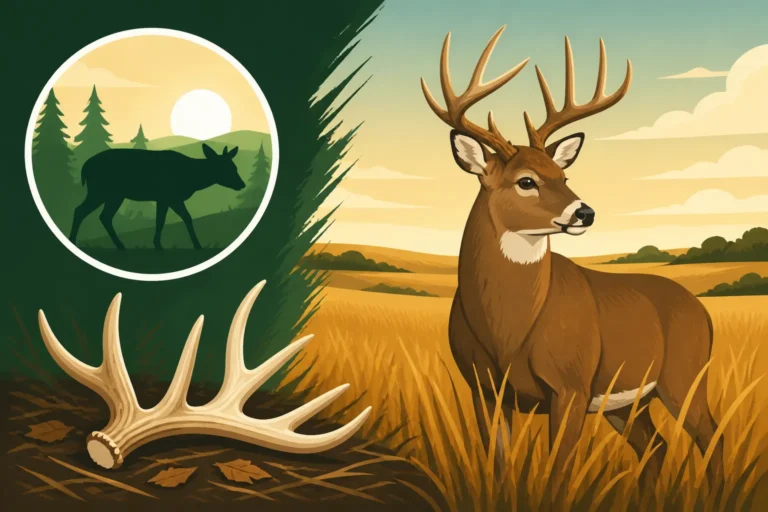
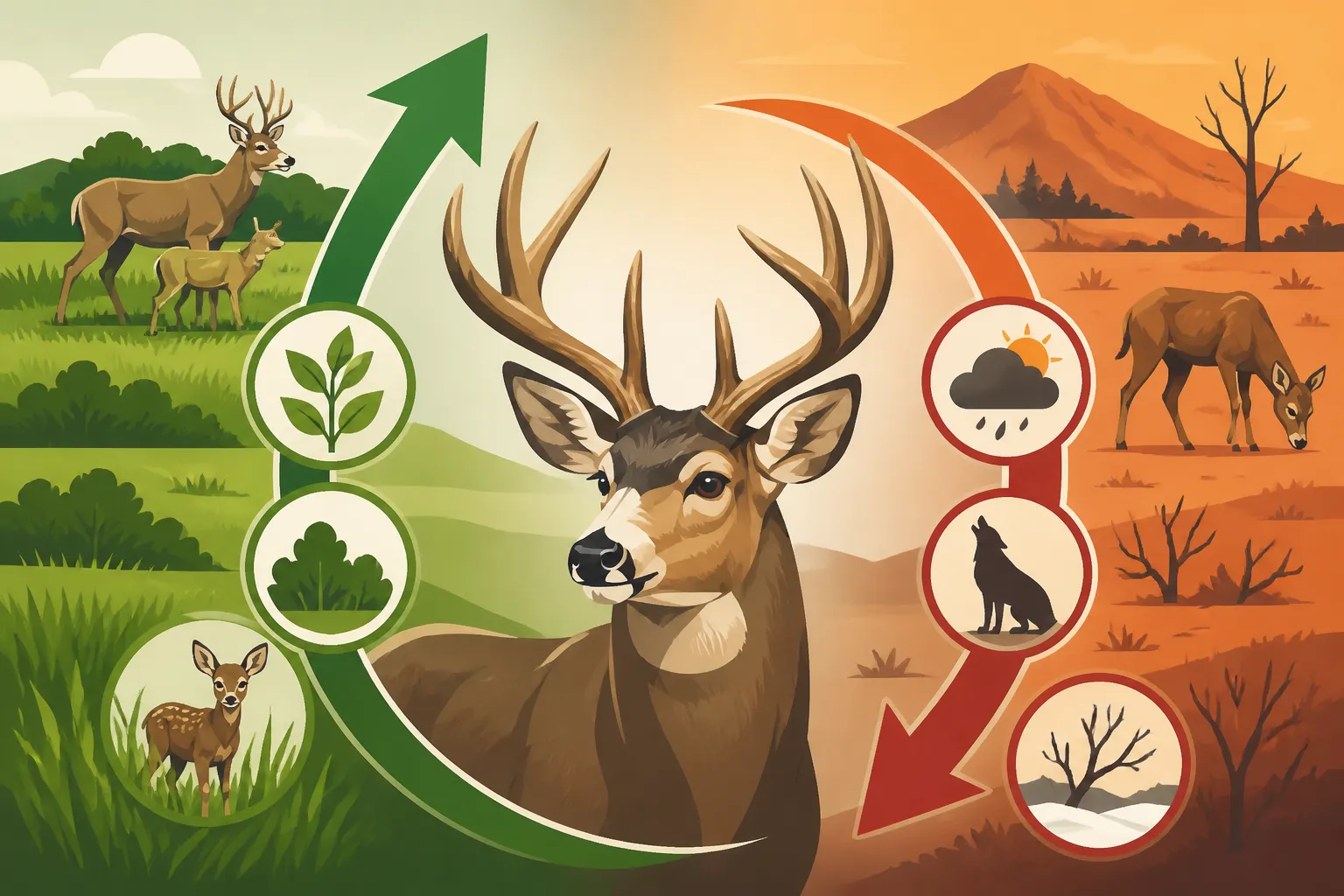
Mule deer have an impressive ability to reproduce, which is a major driver in how quickly their populations can recover or expand under ideal conditions. A healthy doe can often produce twin fawns, and sometimes even triplets, especially in areas with abundant high-quality forage. This reproductive potential means that if environmental conditions are favorable – mild winters, ample food, and low predation – numbers can rebound surprisingly fast.
However, this high reproductive capacity is also why they are so sensitive to negative pressures. If a severe winter hits, or if disease outbreaks occur, fawn survival plummets, and the herd's growth can stall or even decline significantly. Younger does might only produce a single fawn, or sometimes none at all if they are stressed. It's a delicate balance: high birth rates offer quick recovery, but also mean high vulnerability to anything that impacts fawn recruitment. These intrinsic dynamics are the baseline upon which all other factors act, determining the speed and extent of population changes.
Historical Trends and Range Expansion
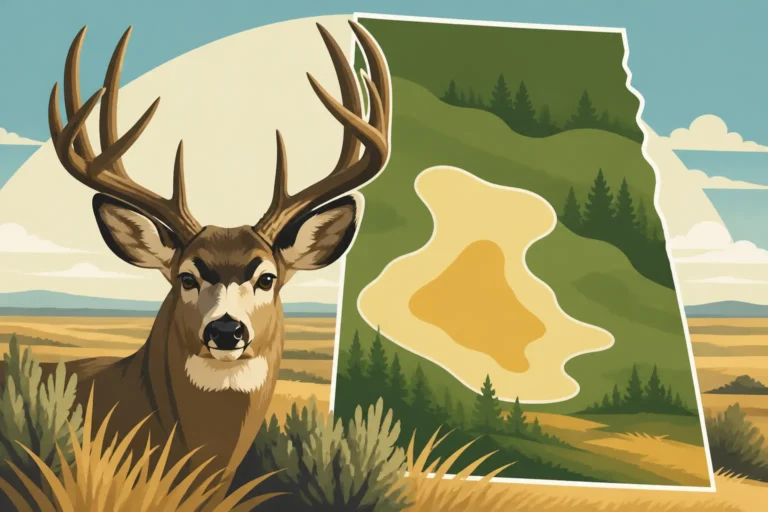
Historically, mule deer were primarily animals of the rugged prairie, badlands, and coulee systems of southwestern Saskatchewan, overlapping significantly with the range of the Mule Deer Across Saskatchewan's Prairie. Their distribution has always been somewhat fluid, expanding and contracting with habitat changes and human settlement patterns. In the mid-20th century, with agricultural expansion and the creation of shelterbelts, mule deer actually expanded their range into areas they hadn't previously occupied, offering new hunting opportunities.
However, this expansion wasn't always permanent. As land use continued to intensify, some of these fringe populations struggled to maintain themselves. While they are resilient, they aren't as adaptable to continuous human disturbance as their whitetail cousins. Looking back at these trends helps us understand that while certain areas might have seen mule deer in the past, their long-term presence often depends on maintaining specific habitat requirements.
Environmental Pressures on Mule Deer Herds
Saskatchewan's environment is beautiful, but it can also be incredibly harsh. These environmental pressures are perhaps the most significant drivers of mule deer population fluctuations. From extreme weather to the availability of vital resources, nature plays a powerful hand in determining how many mule deer survive and thrive each year.
The Impact of Harsh Winters
Winter is arguably the toughest adversary for mule deer in Saskatchewan. A mild winter, with less snow and above-average temperatures, generally leads to high overwinter survival rates, especially for fawns and older animals. They can access forage more easily, burn less energy trying to move through deep snow, and endure less thermal stress. This sets the stage for a healthy breeding season and strong fawn recruitment in the spring.
Conversely, a severe winter can be devastating. Deep, persistent snow cover makes it incredibly difficult for deer to find food, forcing them to expend precious energy just to move. Extreme cold, especially when combined with high winds, pushes their metabolic limits. Fawns, born the previous spring, are particularly vulnerable as they lack the fat reserves and body mass of mature deer. When we experience several tough winters in a row, the cumulative effect can decimate a herd, leading to a noticeable drop in numbers for years to come. Hunters often observe these drastic changes directly, understanding that What a Hard Saskatchewan Winter Culls can leave a lasting impact on local populations.
Drought and Habitat Degradation
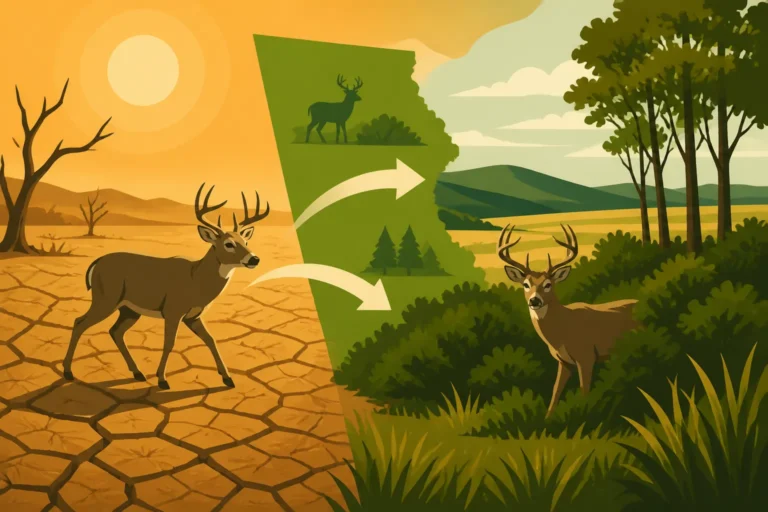
While winters get a lot of attention, summers can be just as impactful, especially when prolonged drought settles over the prairies. Mule deer rely heavily on succulent forage and available water sources, especially during the crucial spring and summer months when does are lactating and fawns are growing rapidly. A severe drought reduces the quantity and quality of forage, making it harder for deer to gain the necessary fat reserves to survive the upcoming winter.
Drought also affects habitat quality. Water sources dry up, forcing deer to travel further and concentrate around remaining pockets of water, which can increase disease transmission risks. Over time, repeated droughts can lead to habitat degradation, reducing the carrying capacity of the land. This means the land can sustain fewer deer. When combined with ongoing agricultural expansion and the loss of native grasslands and riparian areas, habitat degradation becomes a compounding problem, directly influencing Why Mule Deer Fell Back in Some Zones where habitat diversity has been compromised. The landscape might look vast, but quality habitat, particularly for mule deer that prefer specific types of cover found in coulees and broken terrain, is finite and increasingly fragmented.
The Role of Precipitation and Forage Availability
Beyond just drought, the general patterns of precipitation throughout the year significantly influence forage availability, which in turn dictates the health and productivity of mule deer. A spring with adequate moisture leads to lush new growth, providing critical nutrition for does as they give birth and begin lactating. A wet summer ensures this forage remains abundant and nutritious, allowing fawns to grow quickly and deer of all ages to build fat reserves.
Too much precipitation, however, can also have downsides. Extremely wet conditions can lead to poor plant health, increased parasite loads, and in rare cases, even localized flooding that impacts fawns. The ideal scenario is a balanced precipitation pattern that supports healthy vegetation growth without being excessively wet. When forage is rich and plentiful, it contributes to better body condition, higher reproductive success, and stronger resistance to disease, all of which are vital for population growth.
Disease and Predation Pressures
Even with ideal weather and abundant habitat, mule deer face ongoing threats from disease and predation. These biological factors are constant influences on population dynamics, sometimes acting subtly, and other times causing dramatic shifts in herd numbers.
Chronic Wasting Disease CWD
Chronic Wasting Disease (CWD) is an ever-present and growing concern for deer populations across North America, including Saskatchewan. It's a neurological disease that is always fatal, and its presence can significantly impact the health and long-term viability of deer herds. CWD is caused by abnormal proteins called prions, which accumulate in the brain and other tissues, leading to symptoms like emaciation, abnormal behavior, excessive salivation, and eventually death.
The problem with CWD is its insidious nature. It spreads through direct animal-to-animal contact and indirectly through environmental contamination (e.g., prions shed in urine, feces, saliva, or decaying carcasses). As prevalence rates increase in a herd, it can lead to a slow but steady decline in numbers, particularly among older, prime-aged bucks and does. Saskatchewan has mandatory Saskatchewan's CWD Testing Rules in certain zones, and hunters play a critical role in monitoring the spread by submitting samples. While it doesn't cause a sudden die-off like a severe winter, its persistent, long-term impact on herd health and survival is a major factor in why mule deer numbers can fall and remain low in affected areas.
Predation by Coyotes and Wolves
Predators are a natural part of the ecosystem, and mule deer have evolved alongside them. Coyotes are the primary predators of fawns, especially in the first few weeks of life. While a healthy, robust mule deer population can typically sustain a certain level of fawn predation, high coyote numbers, combined with other stressors like poor fawn body condition due to drought, can significantly impact recruitment. If a doe is in poor shape and gives birth to a weaker fawn, it becomes an easier target.
In the northern reaches of mule deer range or areas where their habitat overlaps with the boreal forest fringe, wolves can also be a factor, primarily preying on adults. While wolves are generally more focused on larger prey like moose or elk, they will opportunistically take deer. The balance of predator-prey dynamics is complex; healthy deer populations can often out-reproduce predation losses, but when other factors like habitat loss or disease weaken the herd, predation pressure can become a more significant limiting factor. Understanding these interactions is key to comprehending the overall health of the herd.
Human Activities and Their Influence
Beyond nature's wild hand, human activities also exert considerable pressure on mule deer populations. From how we manage hunting to the way we use and develop the land, our choices can either help or hinder these iconic prairie dwellers. It's a responsibility that hunters and land users alike share.
Hunting Pressure and Management Strategies
Hunting is a tool used by wildlife managers to maintain healthy deer populations, but it also directly influences numbers. In Saskatchewan, mule deer hunting is often regulated through a draw system, particularly for antlered bucks in certain zones, to control harvest levels. This aims to prevent overharvesting and ensure a sustainable population for future generations. If hunting pressure is too high, especially on prime-aged bucks, it can skew the age structure of the herd, potentially impacting reproductive success if there aren't enough mature bucks to breed all receptive does.
Conversely, under-harvesting could lead to overpopulation in some areas, potentially causing habitat degradation through overbrowsing or increasing the spread of disease. Wildlife management agencies, like Saskatchewan's Ministry of Environment, constantly monitor population trends, hunter success rates, and environmental conditions to adjust tag allocations and season structures. Organizations like GoHunt provide valuable tools and information that help hunters understand these regulations and assess their draw odds, making informed decisions that align with sustainable hunting practices. The balance is critical: enough hunting pressure to maintain healthy numbers, but not so much that it leads to long-term decline.
Agricultural Practices and Land Use Change
Saskatchewan is a vast agricultural province, and farming practices inevitably influence wildlife. The conversion of native prairie to cropland, while beneficial for food production, results in significant habitat loss for mule deer, especially the crucial cover and browse found in native grasslands, brush, and riparian areas. Mule deer prefer rugged, broken country like coulees and badlands, and as more of this type of land is brought into cultivation or grazed heavily, their available habitat shrinks.
Even existing agricultural land affects them. The use of pesticides and herbicides can reduce forage diversity and quality. Modern farming equipment can sometimes injure or kill fawns during haying operations. However, agricultural fields also provide a food source, particularly during fall and winter when deer might feed on leftover grains. The key is balance: retaining and enhancing diverse edge habitats, shelterbelts, and natural coulee systems within agricultural landscapes can provide critical refuge. Changes in What Cropland Change Did to Prairie Game over the decades have profoundly altered the landscape mule deer call home, forcing them to adapt or decline.
Infrastructure Development and Fragmentation
The ongoing development of infrastructure—roads, oil and gas pipelines, power lines, and human settlements—contributes to habitat fragmentation. Each new road or development can break up continuous blocks of habitat, creating barriers to movement and increasing deer's exposure to human activity and vehicle collisions. Mule deer, while adaptable, are generally more sensitive to human disturbance than whitetails, and highly fragmented landscapes can stress populations.
Fragmentation also means deer have less room to roam and find alternative food sources or cover during harsh conditions. This can effectively reduce the carrying capacity of an area, even if pockets of suitable habitat remain. Understanding where these developments occur and their potential impact on wildlife corridors and critical winter ranges is crucial for mitigating negative effects and supporting sustainable mule deer numbers.
Conservation and Management Efforts
Recognizing the challenges mule deer face, a variety of conservation and management efforts are in place to help sustain and, where possible, grow their populations. These initiatives often involve a collaborative approach between government agencies, conservation groups, and landowners, all working towards a common goal.
Population Monitoring and Research
Effective management begins with solid data. Wildlife biologists in Saskatchewan conduct ongoing monitoring programs to track mule deer populations. This includes aerial surveys, ground counts, and harvest data analysis collected from hunters. These efforts help estimate population sizes, assess herd health, and identify trends in fawn recruitment, overwinter survival, and overall population trajectory.
Research plays an equally vital role. Studies on mule deer movement patterns, habitat use, nutritional requirements, and disease prevalence provide critical insights. For instance, understanding How Mule Deer Use Coulees in Winter can inform targeted habitat preservation efforts. Modern technology, like GPS collars, allows researchers to track individual deer, revealing how they navigate landscapes, use different cover types, and react to environmental changes. This scientific foundation is essential for developing adaptive management strategies that respond to the ever-changing conditions faced by mule deer.
Habitat Enhancement and Protection Initiatives
Protecting and enhancing habitat is the cornerstone of mule deer conservation. This involves several strategies, from setting aside dedicated wildlife lands to encouraging habitat-friendly practices on private property. Programs exist to restore native grasslands, plant shelterbelts, and protect riparian areas along creeks and rivers, all of which provide crucial forage, cover, and water sources for mule deer.
Conservation groups, often in partnership with landowners, work to create incentives for maintaining or improving wildlife habitat. This might involve fencing off sensitive riparian zones from livestock grazing or promoting rotational grazing systems that benefit both cattle and deer. Protecting key wintering areas, often found in deep coulees or areas with dense brush, is particularly important to ensure deer have adequate cover and food during the harshest months. Without these concerted efforts to preserve and enhance habitat, particularly in fragmented agricultural landscapes, mule deer populations would face an even steeper uphill battle.
Here’s a look at common factors influencing mule deer populations:
| Factor | Impact on Population | Time Scale of Impact | Examples in Saskatchewan |
|---|---|---|---|
| Harsh Winters | Decline | Short-term (1-2 years) | Deep snow, extreme cold, ice cover |
| Mild Winters | Increase | Short-term (1-2 years) | Easy forage access, high fawn survival |
| Prolonged Drought | Decline | Medium-term (2-5 years) | Reduced forage, water scarcity, poor body condition |
| Abundant Precipitation | Increase | Medium-term (2-5 years) | Lush forage, strong fawn growth |
| CWD Prevalence | Decline | Long-term (5+ years) | Slow but steady mortality, genetic changes |
| Predation (Coyotes) | Decline (fawns) | Annual | High fawn mortality if conditions are poor |
| Habitat Loss (Cropland) | Decline | Long-term (irreversible) | Loss of native grasslands, coulee cover |
| Hunting Pressure | Managed fluctuation | Annual | Draw system, tag allocations, season lengths |
What the Future Holds for Mule Deer Hunting
Predicting the exact trajectory of mule deer populations is challenging, given the multitude of variables at play. However, by understanding the current trends and ongoing efforts, we can form a realistic picture of what mule deer hunting might look like in Saskatchewan in the years to come. Hunters, equipped with knowledge and responsible practices, will continue to be a vital part of their future.
Adapting to a Changing Climate
Climate change introduces new complexities for mule deer management. We might see more frequent or intense droughts, or unpredictable winter weather patterns with more freeze-thaw cycles that crust snow and make foraging difficult. These shifts could alter the availability of forage, impact water sources, and potentially influence the distribution of diseases. Mule deer are resilient, but their ability to adapt to rapid, significant climate shifts will be tested.
Wildlife managers are actively researching these potential impacts and developing adaptive strategies. This could include prioritizing the protection of climate-resilient habitats, managing water resources more strategically, and continuously monitoring for new disease challenges. For hunters, this might mean a greater emphasis on understanding local conditions each year. Tools like GoHunt's mapping features and real-time updates on local conditions can become even more essential for successful and responsible hunting.
The Role of Hunters in Conservation
Hunters are, and always have been, key conservationists. Their license fees directly fund wildlife management and research, and their active participation in programs like CWD testing provides invaluable data. Beyond financial contributions, ethical hunting practices and respect for the resource are paramount. This includes adhering to regulations, ensuring clean harvests, and reporting observations that can help biologists track herd health.
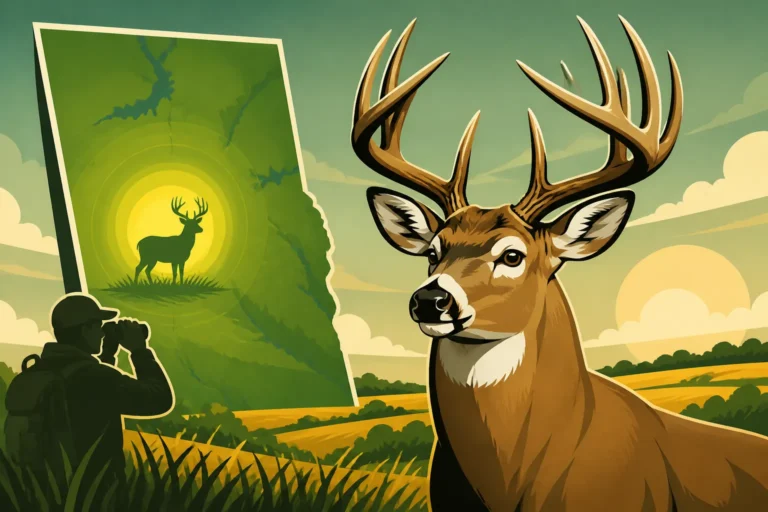
Educating ourselves about Reading a Saskatchewan WMZ Map Before You Go and the specific challenges faced by mule deer in different regions allows us to make more informed decisions when we’re in the field. By being responsible stewards of the land and its wildlife, hunters ensure that future generations will also have the opportunity to experience the thrill of pursuing these magnificent animals in Saskatchewan's prairies and parklands.
Disclaimer
The information provided in this article is for general guidance and educational purposes only. Hunting regulations, seasons, and wildlife populations can change frequently. Always consult the most current Saskatchewan hunting regulations guide, available from the provincial Ministry of Environment, before planning any hunting activity. Ensure you understand and comply with all federal and provincial laws.